


Things to Do in Al Kufah
Al Kufah is a city in Iraq known for its rich historical and religious significance. It is one of the oldest cities in the region and has been a center of Islamic culture and history for centuries.
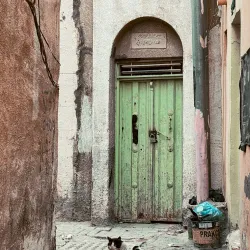
The city offers visitors a glimpse into ancient Islamic architecture, religious landmarks, and cultural heritage. Al Kufah's neighborhoods reflect a blend of historical and modern influences, making it a unique destination for those interested in history and spirituality.
Things to Do and Top Attractions in Al Kufah
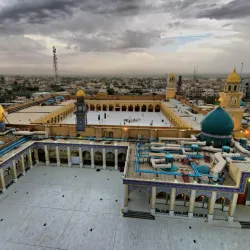
Great Mosque of Kufa
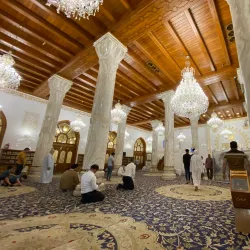
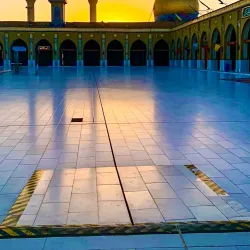
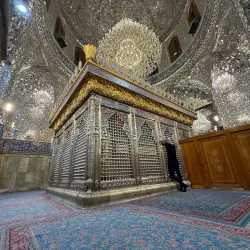
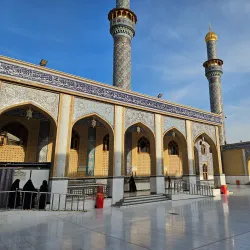
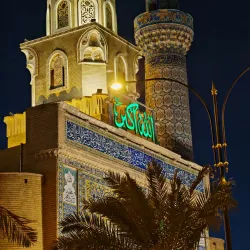
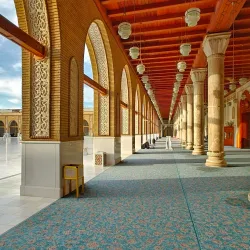
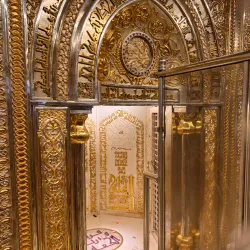
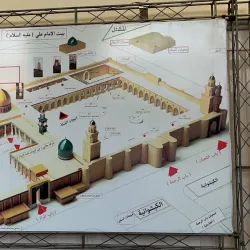
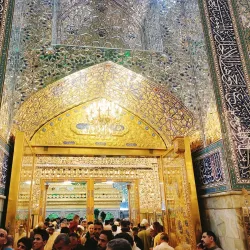
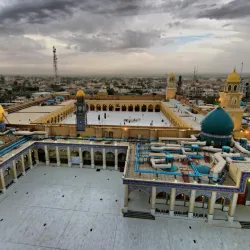
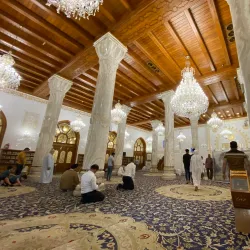
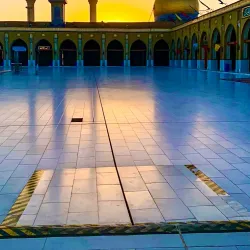
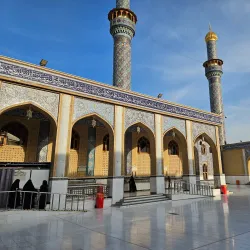
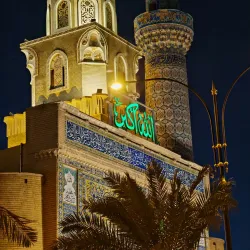
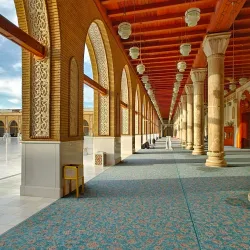
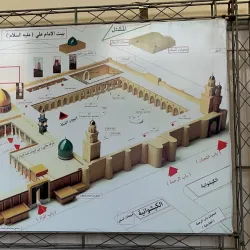
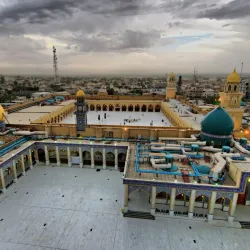
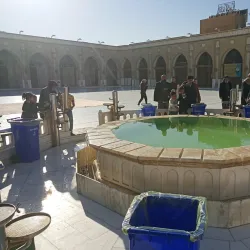
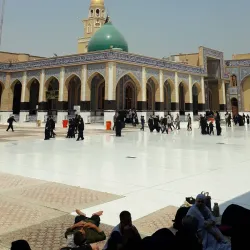
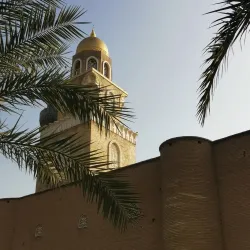
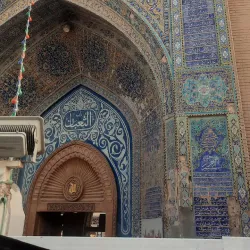
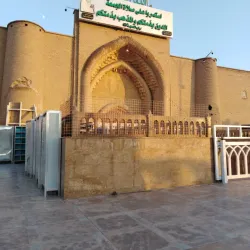
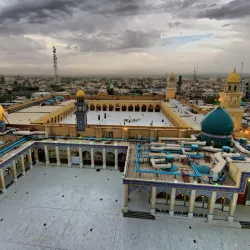
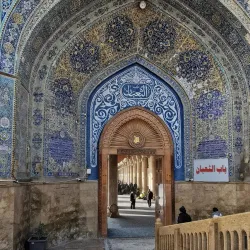
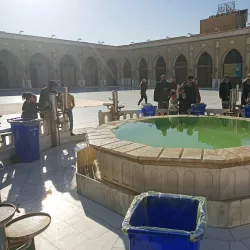
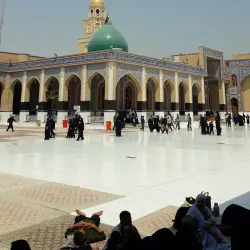
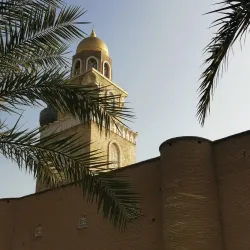
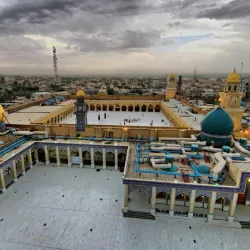
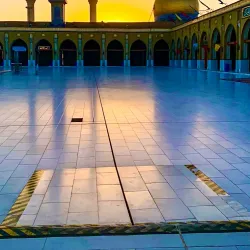
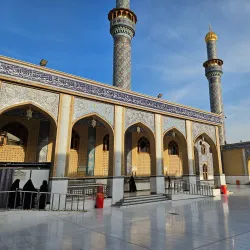
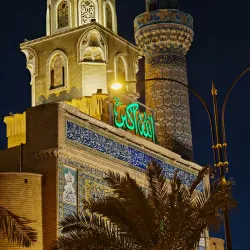
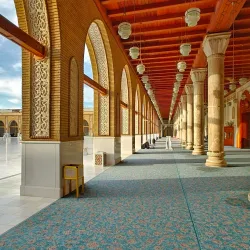
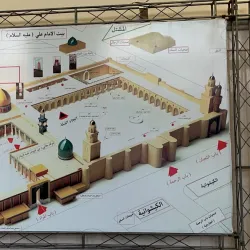
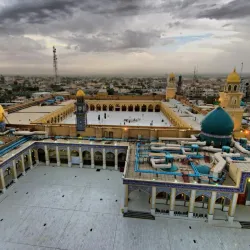
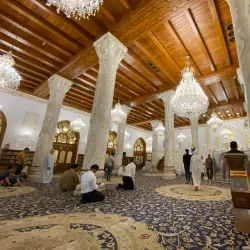
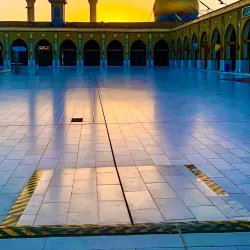
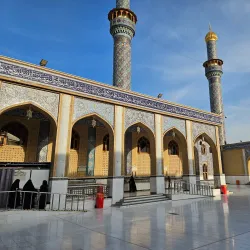
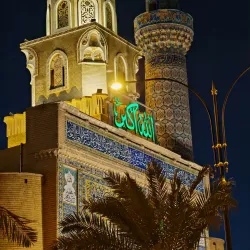
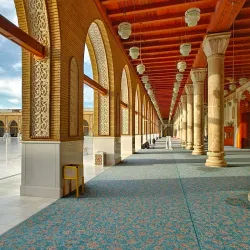
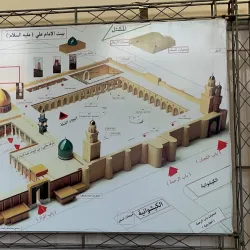
The Great Mosque of Kufa is one of the oldest and holiest mosques in Islam, believed to have been originally built in the 7th century. It is a significant religious site for Shia Muslims and is associated with many historical events and figures.
The mosque features impressive Islamic architecture and serves as a major pilgrimage destination, attracting visitors interested in religious history and spirituality.
Al Kufah Archaeological Site
This site contains ruins and artifacts from the early Islamic period and earlier civilizations that inhabited the region. It offers valuable insights into the ancient history of Al Kufah and its development over centuries.
Visitors can explore remnants of old structures and learn about the city's role in Islamic and regional history through guided tours and informational displays.
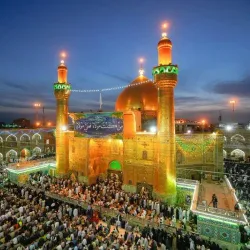
Shrine of Imam Ali ibn Abi Talib
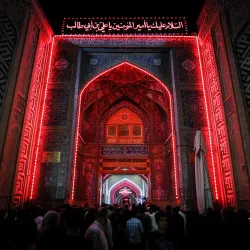
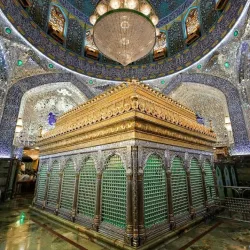
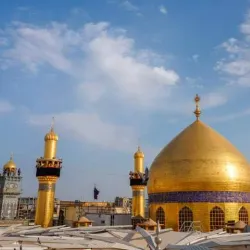
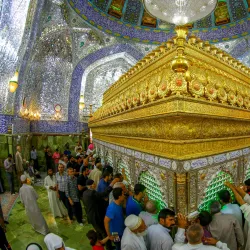
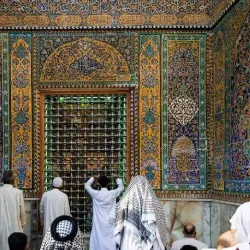
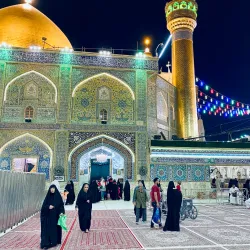
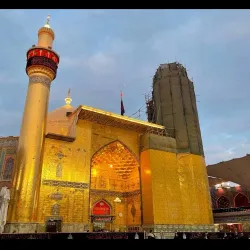
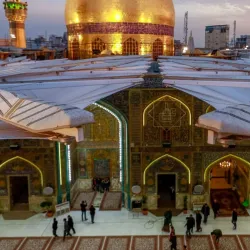
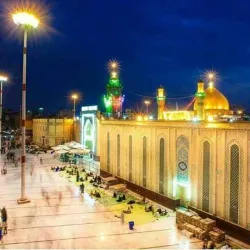
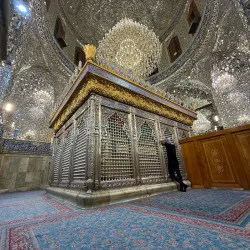
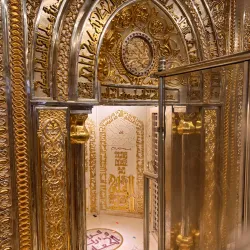
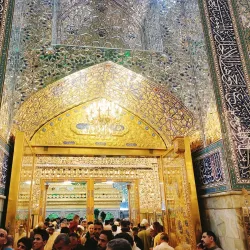
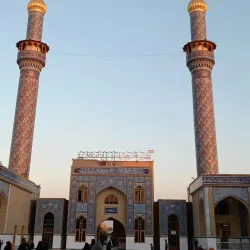
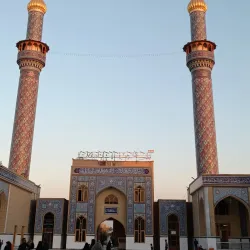
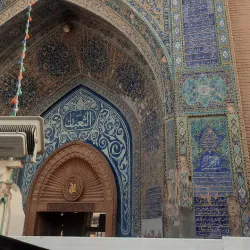
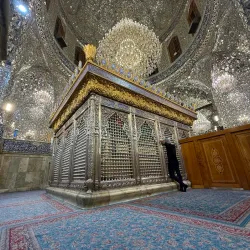
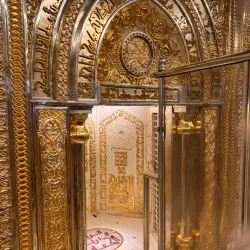
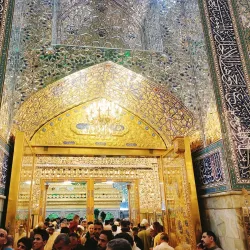
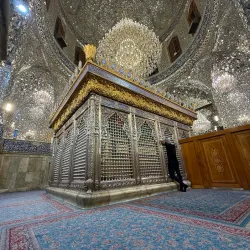
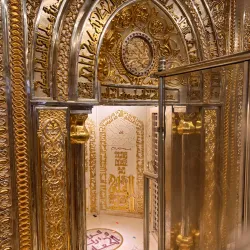
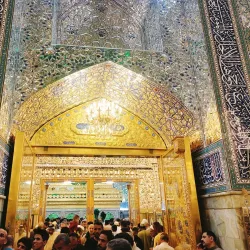
The shrine is dedicated to Imam Ali, the cousin and son-in-law of the Prophet Muhammad and a central figure in Shia Islam. It is a revered pilgrimage site and holds deep religious significance.
The shrine complex includes beautiful architecture and is a place of worship and reflection for many visitors.
Al Kufah Museum
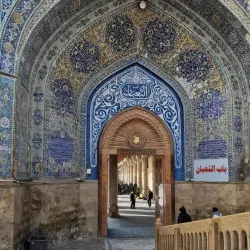
The museum showcases artifacts, manuscripts, and exhibits related to the history and culture of Al Kufah and the wider region. It provides educational opportunities for visitors to understand the city's historical importance.
Exhibits include Islamic art, ancient manuscripts, and archaeological finds that highlight the city's rich heritage.
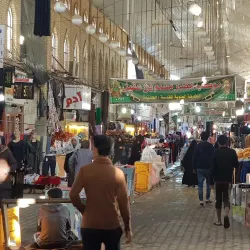
Traditional Market (Souk) of Al Kufah
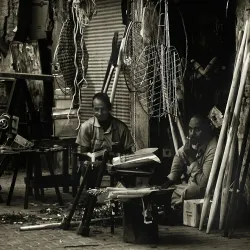
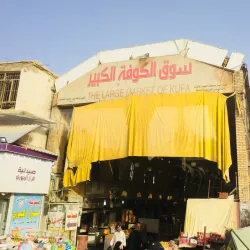
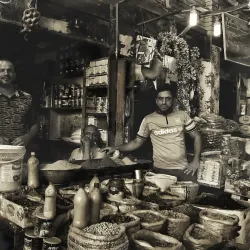
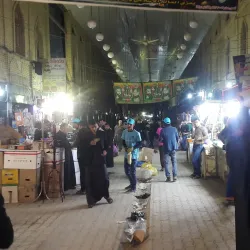
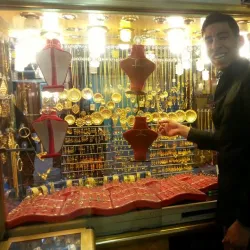

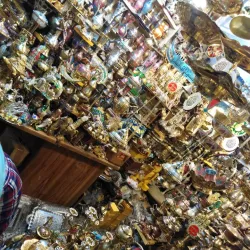
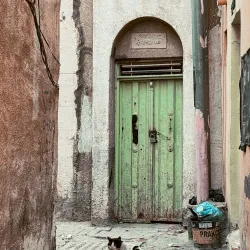
The traditional market is a vibrant place where visitors can experience local culture, shop for traditional goods, and enjoy regional cuisine.
The souk offers a variety of items including textiles, spices, handicrafts, and souvenirs, reflecting the cultural diversity of the area.
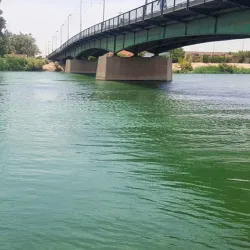
Al Kufah Bridge
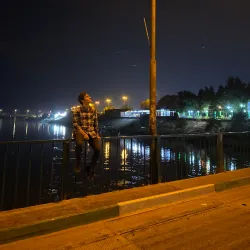
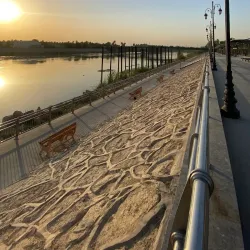
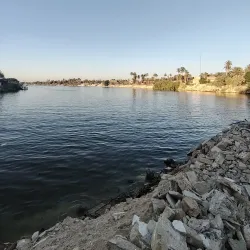
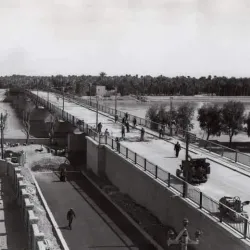
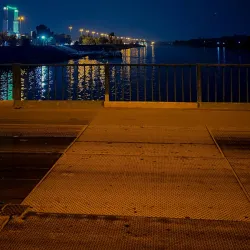
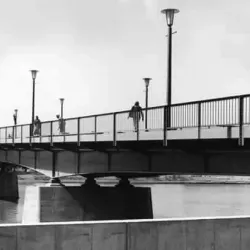
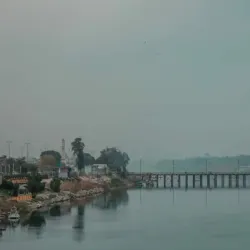
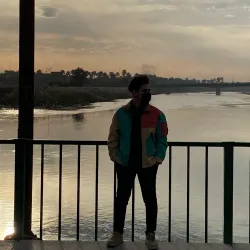
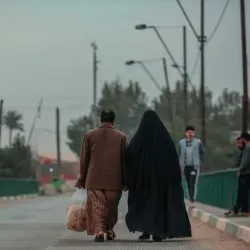
This bridge is a notable landmark in the city, offering scenic views of the surrounding area and the Euphrates River.
It is a popular spot for locals and visitors alike to enjoy the landscape and take photographs.
Euphrates River
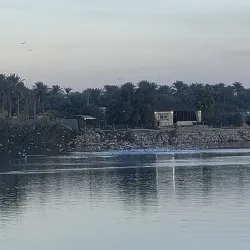
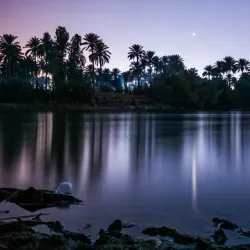
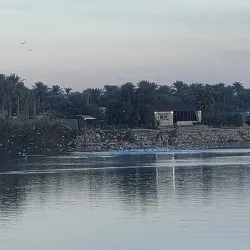
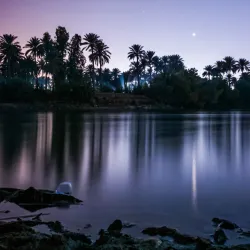
The Euphrates River flows near Al Kufah and is an important natural feature of the region. It has historically supported agriculture and settlement in the area.
Visitors can enjoy the riverbanks for relaxation and scenic views, as well as learn about the river's role in the development of ancient civilizations.
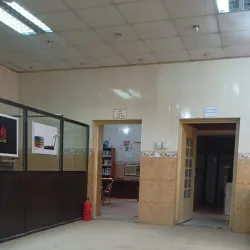
Al Kufah Historical Library
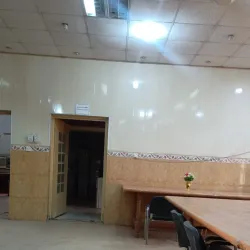
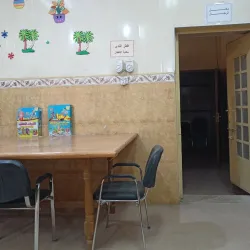
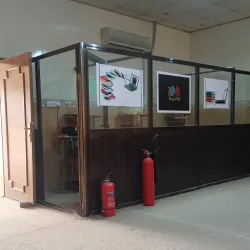
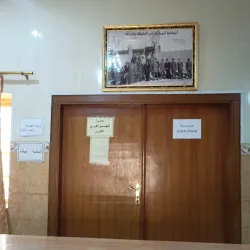
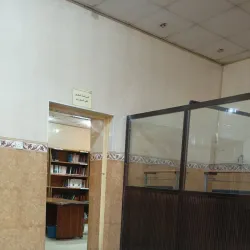

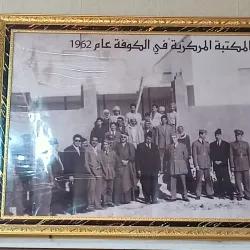
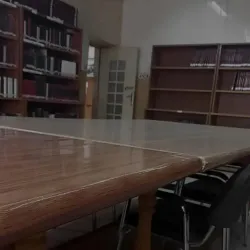
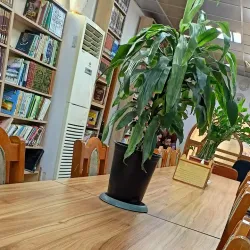
This library houses a collection of ancient manuscripts and books related to Islamic history and culture, particularly those connected to Al Kufah.
It is a valuable resource for researchers and visitors interested in the scholarly heritage of the city.
Al Kufah Cultural Center
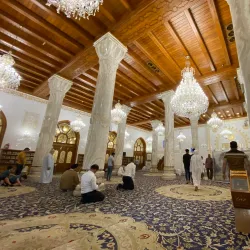
The cultural center hosts events, exhibitions, and educational programs that promote the arts and heritage of Al Kufah and Iraq.
It serves as a hub for community engagement and cultural exchange, offering visitors a chance to experience local traditions and contemporary cultural expressions.
Al Kufah Old City Walls
Remnants of the old city walls can be found in Al Kufah, providing a glimpse into the city's defensive architecture and historical urban layout.
These ruins are significant for understanding the city's past and its strategic importance in the region.
"Key Takeaways"
Visitors to Al Kufah can expect to explore important religious sites, including mosques and shrines that hold great significance in Islamic history.
The city also offers cultural experiences through its traditional markets and local architecture, providing insight into the daily life and heritage of the region.