


Things to Do in Al-mawsil
Al-Mawsil, also known as Mosul, is a city rich in history and culture located in northern Iraq. It is known for its ancient heritage, diverse communities, and significant archaeological sites.
The city offers a blend of historical landmarks, vibrant markets, and natural landscapes along the Tigris River, making it a fascinating destination for visitors interested in history, culture, and Middle Eastern traditions.
Things to Do and Top Attractions in Al-mawsil
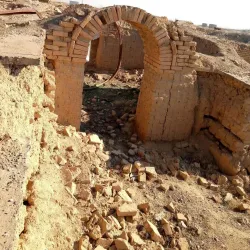
Nimrud (Kalhu) Archaeological Site
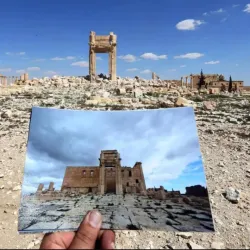
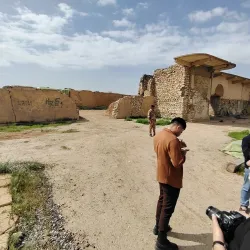
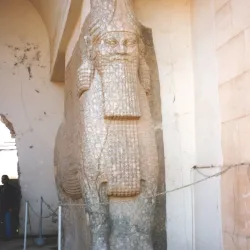
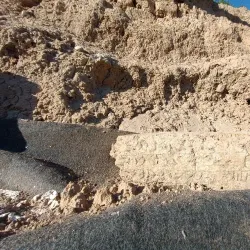
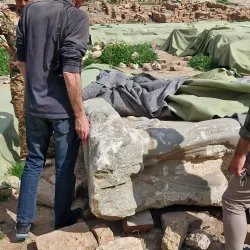
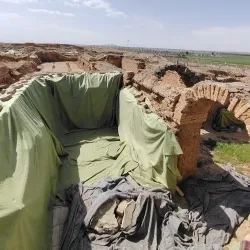
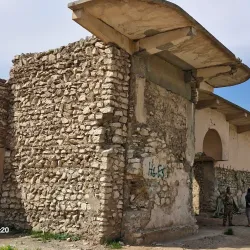
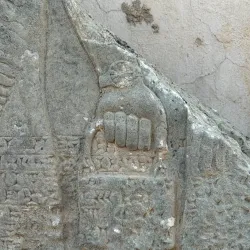
Nimrud is an ancient Assyrian city located near Al-Mawsil, known for its impressive ruins including palaces, temples, and sculptures dating back to the 13th century BCE.
It was once a major city of the Assyrian Empire and offers significant insights into ancient Mesopotamian civilization.
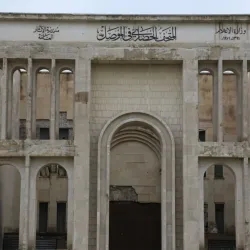
Mosul Museum
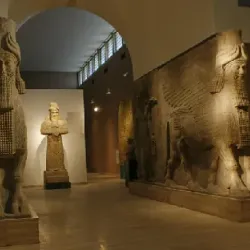
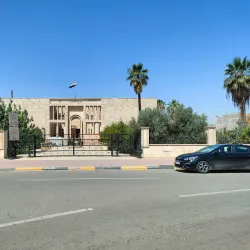
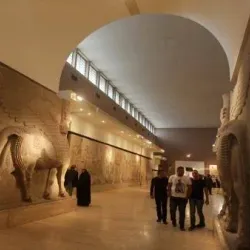
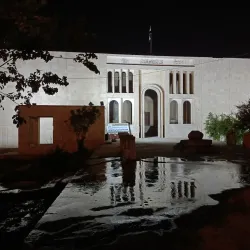
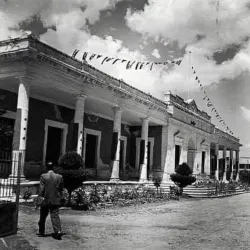
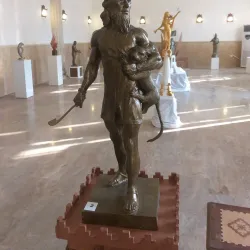
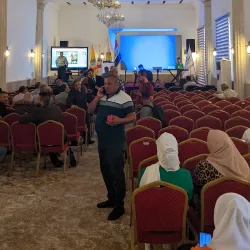
The Mosul Museum is the second largest museum in Iraq and houses a collection of artifacts from the Assyrian, Babylonian, and Islamic periods.
It showcases the rich history of the region, including statues, pottery, and ancient inscriptions.
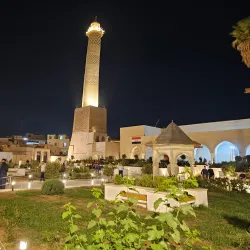
Great Mosque of al-Nuri
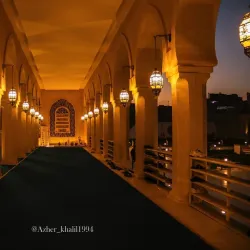
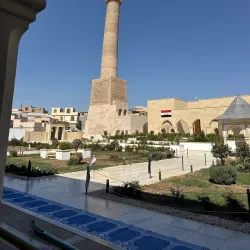
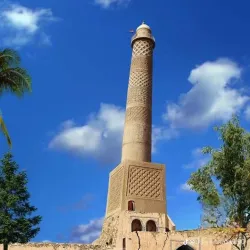
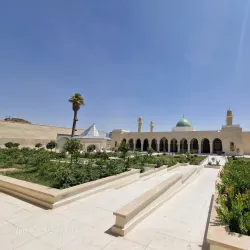
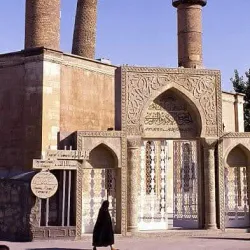
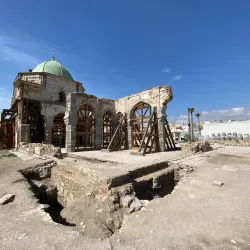
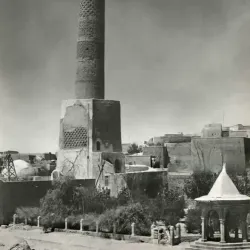
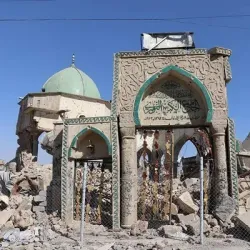
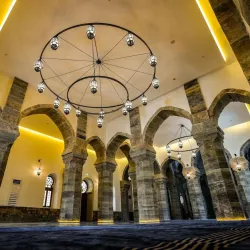
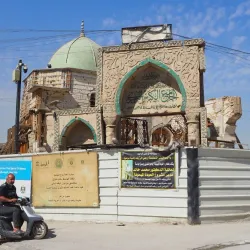
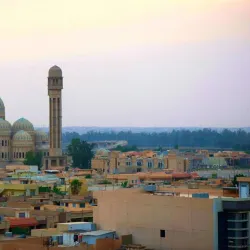
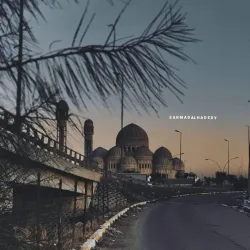
The Great Mosque of al-Nuri is famous for its leaning minaret, known as the 'Hunchback,' which dates back to the 12th century.
The mosque is a symbol of Mosul's historical and religious significance, although it has suffered damage in recent conflicts, restoration efforts are ongoing.

Tigris River




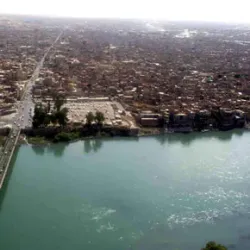
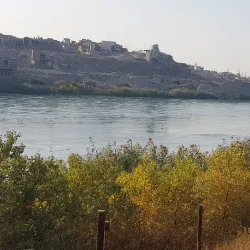
The Tigris River flows through Al-Mawsil, providing scenic views and opportunities for boat rides and riverside walks.
The river has historically been vital for the city's trade and agriculture.
Al-Mawsil Old City

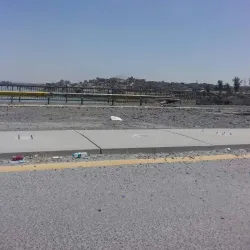
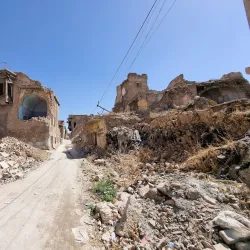
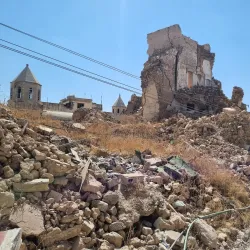

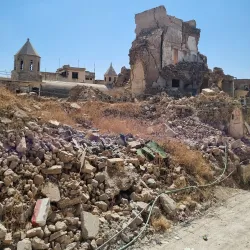
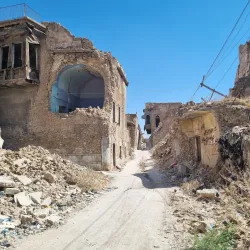
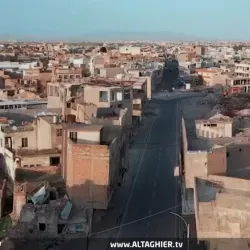
The Old City of Al-Mawsil features narrow streets, traditional markets, and historic buildings reflecting the city's diverse cultural heritage.
It is a place to experience local life, traditional crafts, and cuisine.
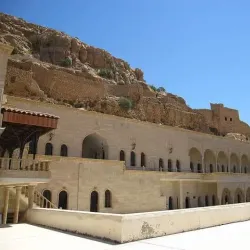
Mar Mattai Monastery
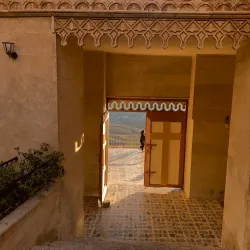
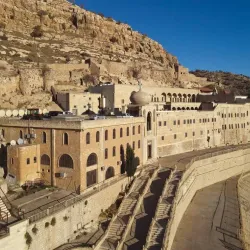
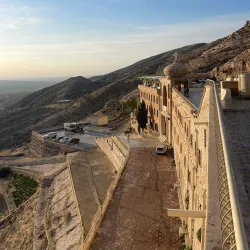
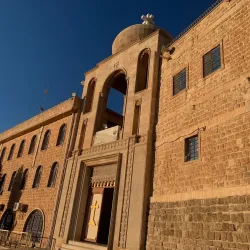
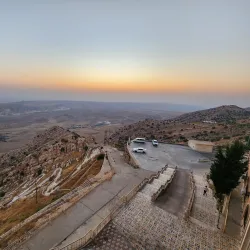
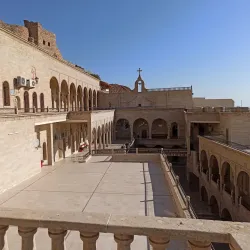
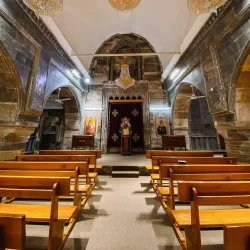
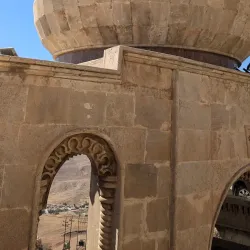
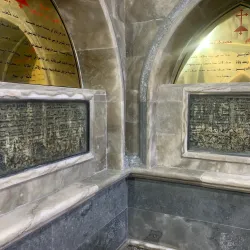
Located on Mount Alfaf near Al-Mawsil, this ancient monastery is one of the oldest Christian monasteries in existence, dating back to the 4th century.
It is an important pilgrimage site and offers stunning views of the surrounding landscape.
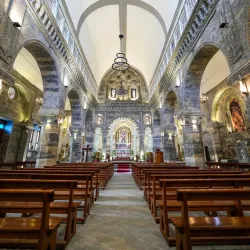
Al-Tahera Church
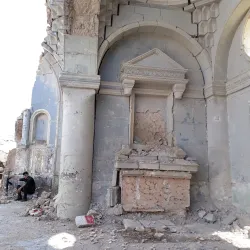
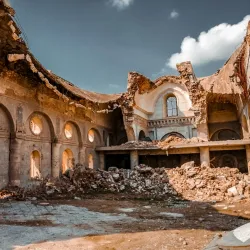
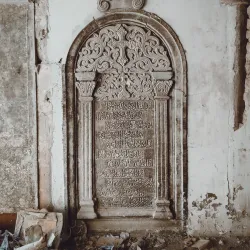
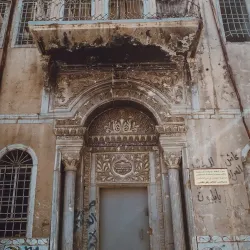
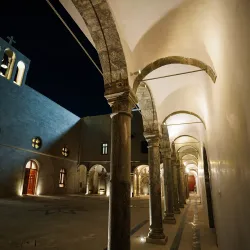
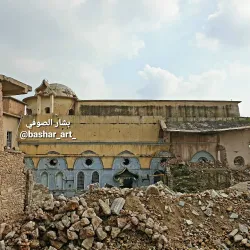
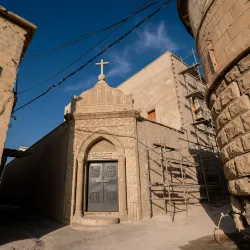
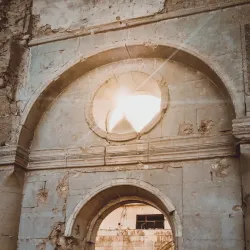
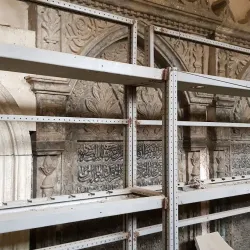
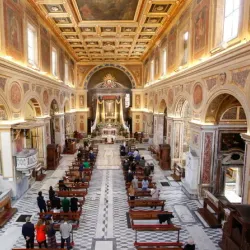
Al-Tahera Church is a historic Syriac Catholic church in Al-Mawsil, known for its beautiful architecture and religious significance.
It represents the Christian heritage of the city and serves as a place of worship and community gathering.
Mosul Bazaar

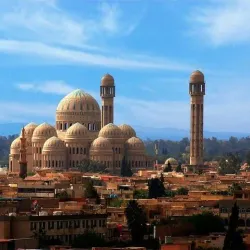
The Mosul Bazaar is a lively market area where visitors can shop for traditional goods, spices, textiles, and local crafts.
It provides a vibrant atmosphere to experience the daily life and culture of the city.
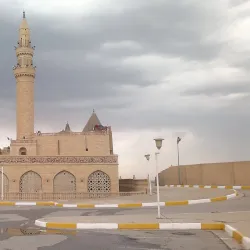
Al-Nabi Yunus Shrine
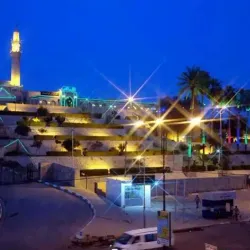
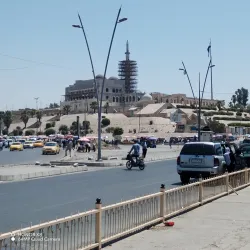
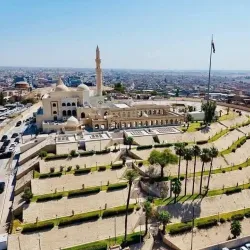
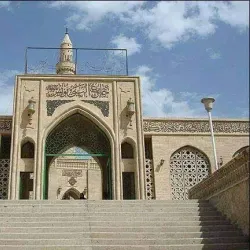
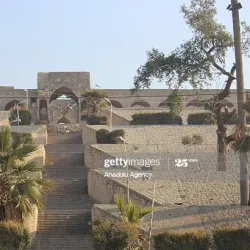
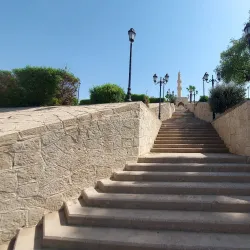
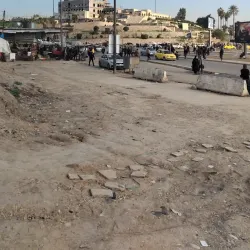
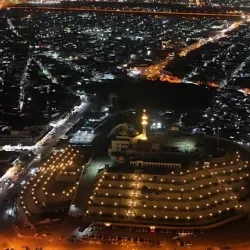
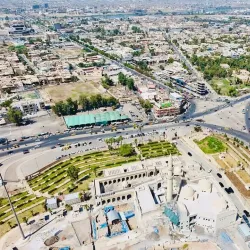
The Shrine of Prophet Jonah (Nabi Yunus) was a significant religious site in Al-Mawsil, believed to be the burial place of the prophet Jonah.
Although the original shrine was destroyed, the site remains important to many and efforts are underway to rebuild it.
Qara Qosh (Bakhdida)
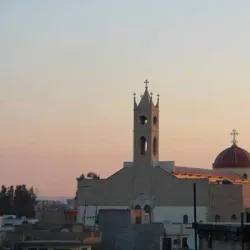
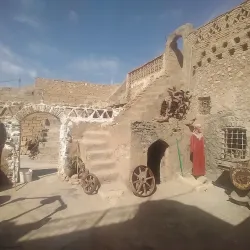
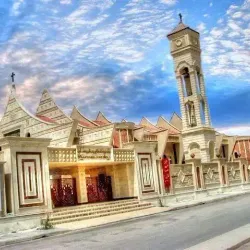
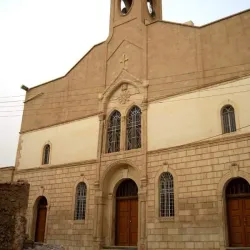
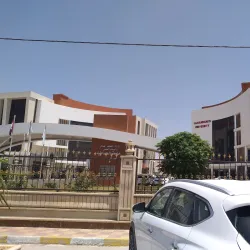
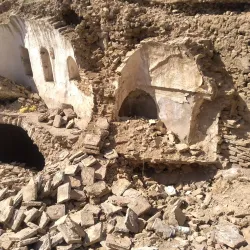
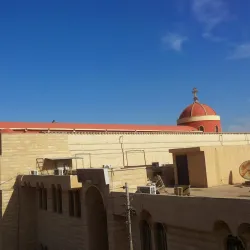
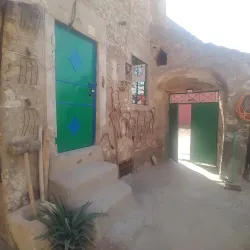
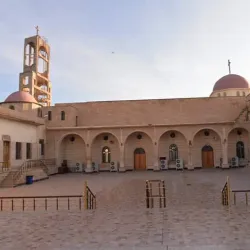
Qara Qosh is a town near Al-Mawsil known for its ancient churches and Christian heritage.
It offers visitors a glimpse into the region's religious diversity and historical architecture.
"Key Takeaways"
Visitors to Al-Mawsil can explore ancient ruins, historic mosques, and bustling bazaars that reflect the city's diverse cultural heritage.
The city has faced challenges in recent years but remains a place of resilience and historical importance, with ongoing efforts to preserve and restore its landmarks.