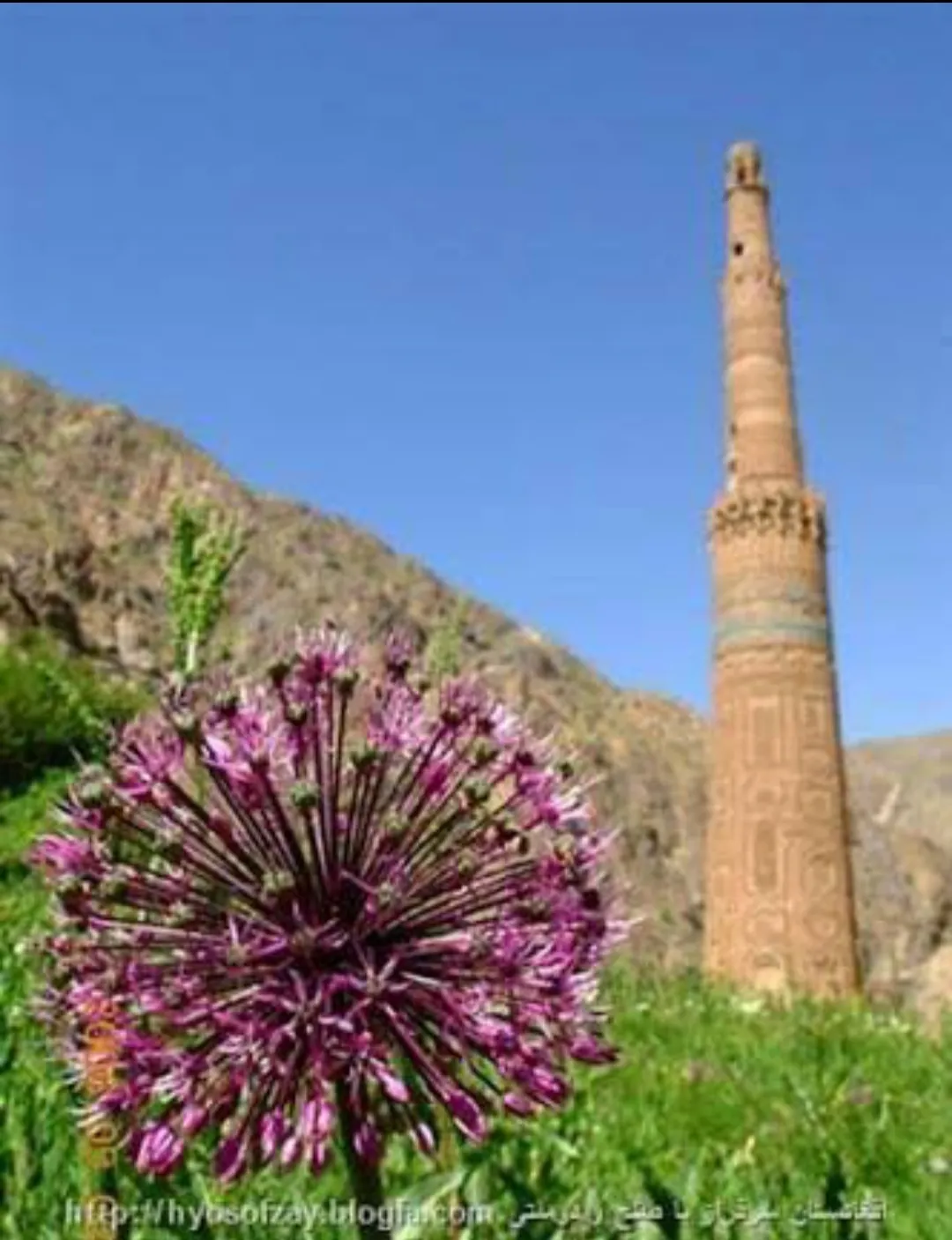
Quality of life in Fayrōz Kōh
Cost of Living, Healthcare, Safety, Education, and More
About Fayrōz Kōh
Fayrōz Kōh, nestled in the heart of Afghanistan, is a city that embodies a rich tapestry of history and culture. Known for its serene landscapes and historical significance, Fayrōz Kōh offers a unique blend of traditional Afghan culture and emerging modern influences. The city is a testament to Afghanistan's resilience and cultural diversity, with a vibrant community that reflects the country's complex history.In recent years, Fayrōz Kōh has seen a gradual transformation, with efforts to preserve its historical sites while embracing new developments. This balance of old and new makes it a fascinating destination for those interested in exploring Afghanistan's cultural heritage and contemporary life.


History and Culture
Fayrōz Kōh has a storied past, serving as a significant center during various historical periods. It was once the capital of the Ghurid dynasty, a medieval Islamic dynasty that played a crucial role in the cultural and political landscape of the region. The city's historical significance is marked by its ancient architecture and ruins, which offer a glimpse into its illustrious past.
Culturally, Fayrōz Kōh is a melting pot of ethnicities and traditions. The city's cultural fabric is enriched by the diverse communities that call it home, each contributing to its vibrant cultural scene. Traditional Afghan music, dance, and art are integral to the city's cultural identity, with local festivals and events celebrating this rich heritage.
Notable cultural landmarks include the remnants of the Ghurid architecture, which attract historians and tourists alike. These sites not only highlight the city's historical importance but also its role as a cultural hub in Afghanistan.
Things to do in Fayrōz Kōh
Visitors to Fayrōz Kōh can explore a variety of attractions that showcase the city's historical and cultural richness. The ancient ruins of the Ghurid dynasty offer a fascinating insight into the city's past and are a must-visit for history enthusiasts.
The local markets in Fayrōz Kōh provide a vibrant shopping experience, where visitors can purchase traditional Afghan crafts and textiles. These markets are also a great place to experience the local cuisine, with stalls offering a variety of Afghan delicacies.
For those interested in cultural events, Fayrōz Kōh hosts several festivals throughout the year that celebrate Afghan music, dance, and art. These events provide a unique opportunity to experience the city's cultural vibrancy and engage with the local community.
Weather in Fayrōz Kōh
Fayrōz Kōh, Afghanistan experiences a semi-arid climate characterized by hot summers and cold winters. The city receives an average annual precipitation of approximately 12 inches (300 mm), with March being the wettest month, averaging about 2 inches (50 mm) of rainfall.
Seasonal Breakdown
- Spring (March to May)Temperatures gradually rise from an average high of 50°F (10°C) in March to 70°F (21°C) in May. Rainfall increases during this period, with March receiving the most precipitation, averaging about 2 inches (50 mm).
- Summer (June to August)The hottest months, with average highs ranging from 80°F (27°C) in June to 85°F (29°C) in July. Rainfall decreases during the summer, averaging around 1 inch (25 mm) per month.
- Autumn (September to November)Temperatures gradually decrease from an average high of 75°F (24°C) in September to 55°F (13°C) in November. Rainfall remains moderate, averaging around 1.5 inches (38 mm) per month.
- Winter (December to February)The coldest period, with average highs ranging from 40°F (4°C) in December to 35°F (2°C) in February. Snowfall is common, especially in January, averaging about 4 inches (100 mm).
Notable Weather Events
- Occasional heatwaves during the summer months.
- Heavy snowfall during winter, particularly in January.
- Spring thunderstorms, especially in March.
Fayrōz Kōh's Political Climate
Fayrōz Kōh, the capital of Ghor Province in Afghanistan, is a city with a complex political landscape influenced by the broader national context. The city operates under the governance of the Islamic Republic of Afghanistan, although local governance structures are often influenced by tribal and regional dynamics. The political climate in Fayrōz Kōh is shaped by the interplay between traditional tribal leadership and the central government's efforts to assert control.
Historically, Fayrōz Kōh has been a site of strategic importance, and its political history is marked by periods of conflict and attempts at stabilization. The current political leadership in the city is focused on rebuilding and development, with key issues including security, infrastructure development, and education. The city has seen efforts to implement progressive policies, particularly in areas such as women's rights and education, although these efforts face significant challenges.
The political climate in Fayrōz Kōh significantly influences its economic and social decisions. Security concerns remain a top priority, impacting economic development and investment. Socially, there is a strong emphasis on community cohesion and traditional values, which can sometimes be at odds with national policy directions. Environmental decisions are often secondary to immediate security and economic concerns, although there is growing awareness of the need for sustainable practices.
Recent political trends in Fayrōz Kōh include a focus on local governance and community-led initiatives, as well as efforts to increase political engagement among the youth. The city has also been part of broader national movements advocating for peace and stability in Afghanistan.
Political Quick Facts
- Voter TurnoutLow, due to security concerns and logistical challenges
- City GovernanceLocal governance influenced by tribal and regional dynamics
- CompositionPredominantly tribal leaders with some representation from national political parties
- Recent Political ChangesIncreased focus on local governance and community-led initiatives
- EngagementModerate, with efforts to increase youth participation
- Political ScorecardChallenging, due to ongoing security issues and governance hurdles
- Legislative PrioritiesSecurity and stabilization Infrastructure development Education and women's rights
- Public OpinionConservative, with strong emphasis on traditional values and community cohesion
Notable Political Figures
- Abdul RahmanLocal tribal leader and advocate for community-led governance
- Fatima GulWomen's rights activist focusing on education and empowerment
- Haji MohammadInfluential elder involved in peace negotiations