Compare cities by Pollution metrics and find the best places to live


Kathmandu faces significant pollution challenges in 2024, particularly related to air quality, which is a critical concern due to high levels of PM2.5 and PM10. The city's residents express deep dissatisfaction with air quality, citing potential health impacts associated with prolonged exposure to pollution.


Tetovo faces severe air quality challenges, with pollution levels remaining a critical concern. Industrial emissions and urban traffic contribute significantly to these issues. The air quality in Tetovo is rated very poorly, with serious health implications, especially due to high levels of particulate matter.


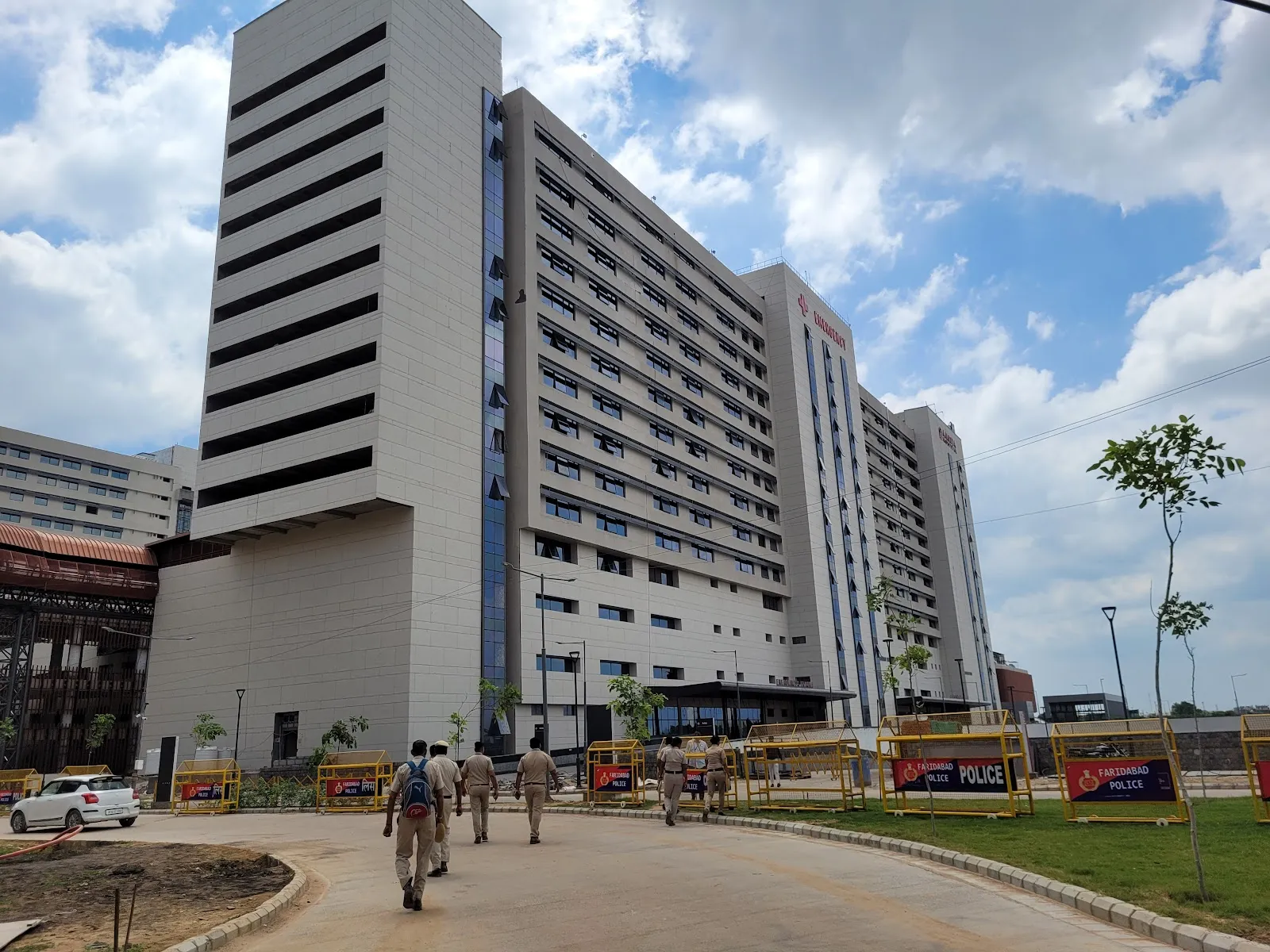
Faridabad faces significant pollution challenges in 2024, with alarming air quality levels gravely affecting public health and daily life. The high levels of PM2.5 and PM10 pollutants are a critical concern. The city's air quality is poor, leading to pressing worries about respiratory and other long-term health impacts associated with polluted air.


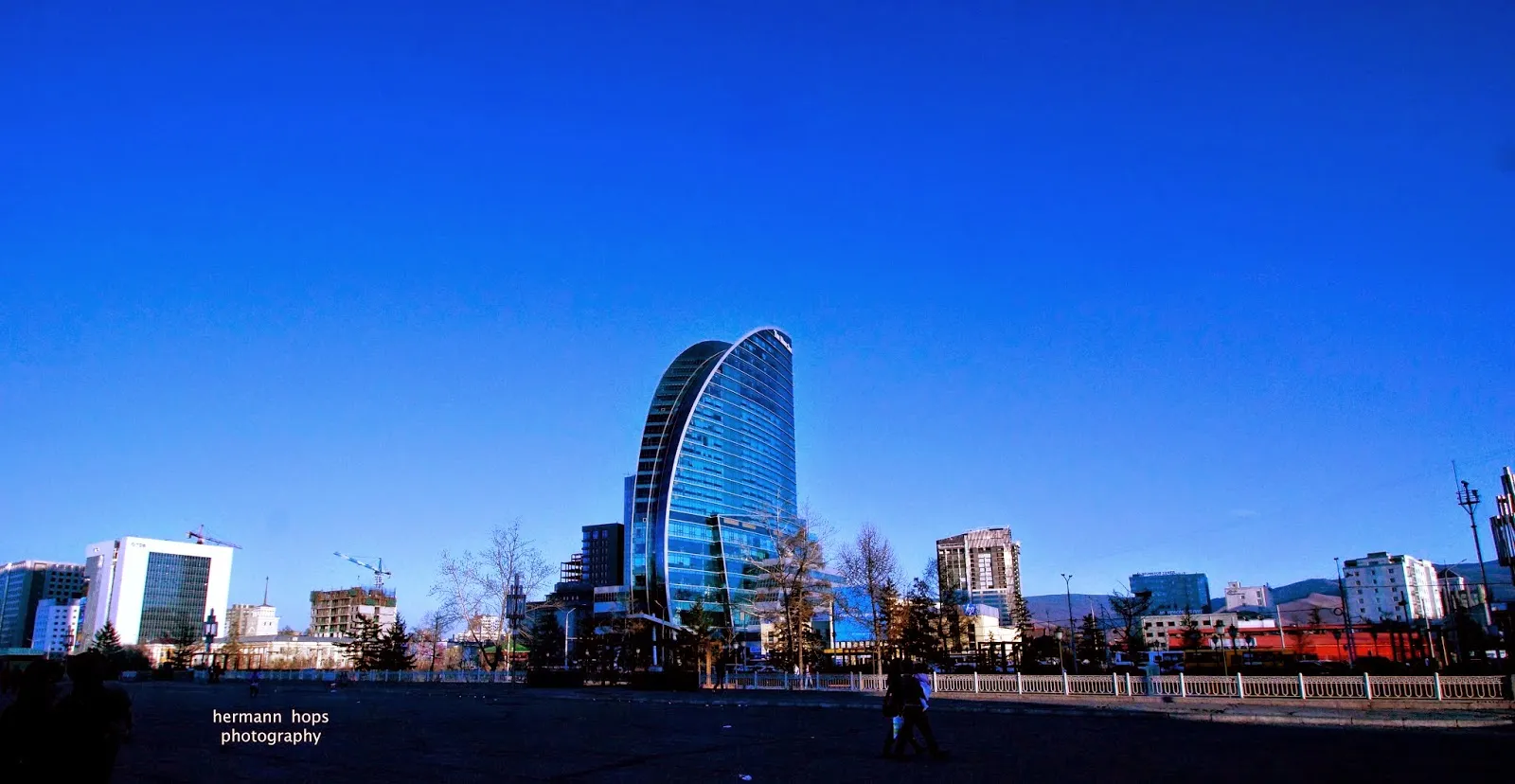
Ulaanbaatar's pollution levels in 2024 are a critical concern with air quality being notably poor. The city faces significant challenges due to high levels of particulate matter, driven by industrial activity and urbanization. The air quality ratings reflect severe discomfort among residents, with many expressing concerns over health implications.


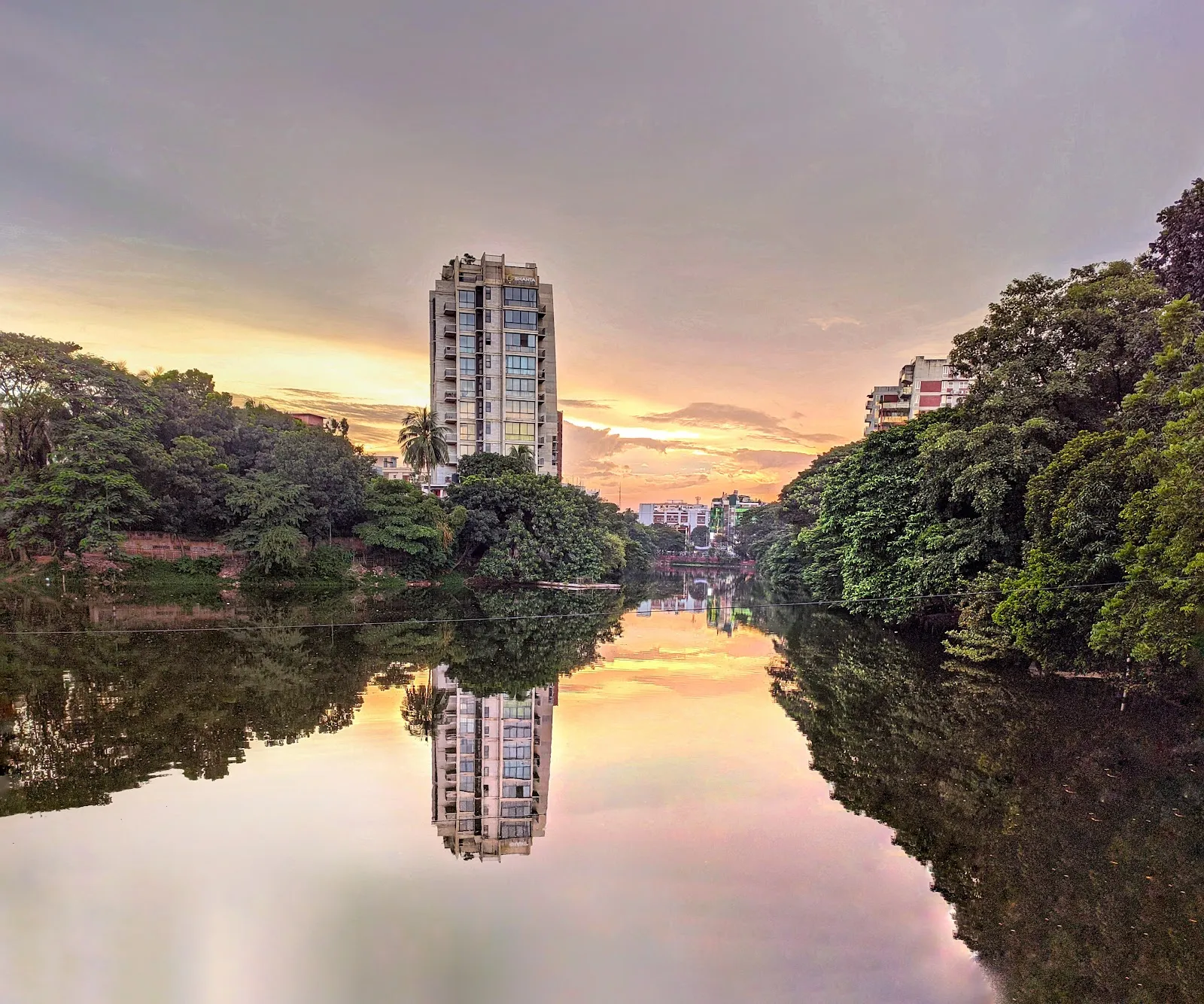
Dhaka's air quality in 2024 remains critically poor, with pollution levels significantly affecting residents' health and quality of life. High concentrations of PM2.5 and PM10 indicate severe air pollution, mainly driven by traffic congestion and industrial activities. Residents express serious concerns over air quality, with health issues such as respiratory ailments being common. The city's ongoing battle with air pollution demands more stringent measures and awareness to tackle long-term adverse effects.


Beirut faces significant environmental challenges, with air quality being a notable concern. High levels of PM2.5 and PM10 indicate substantial air pollution, impacting residents' health and quality of life. Air quality is rated poorly, with negative perceptions overshadowing the city's environmental outlook due to industrial activity and urban factors.


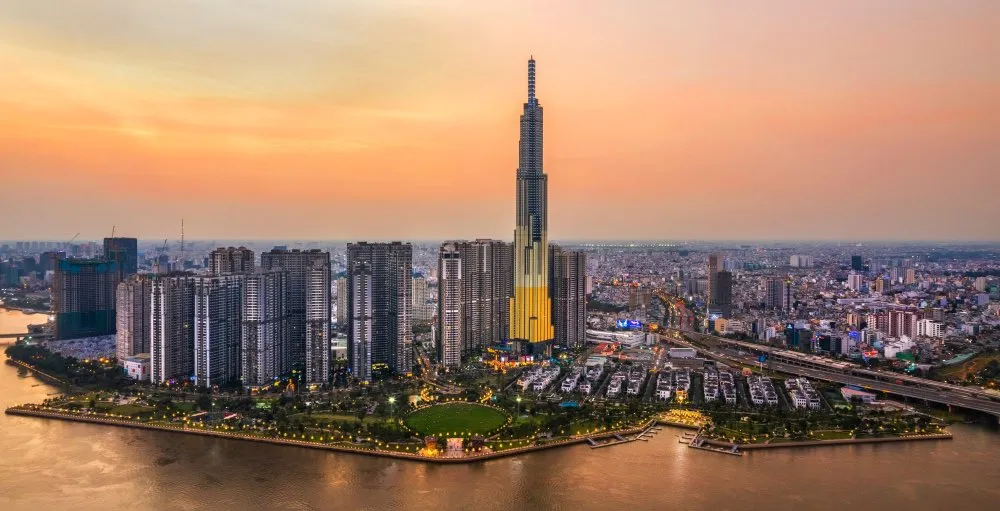
Ho Chi Minh City faces significant challenges with pollution in 2024, particularly regarding air quality. The high levels of particulate matter (PM2.5 and PM10) are major health concerns. Pollution, driven by urbanization and industrial activity, impacts the quality of life and raises public health concerns.


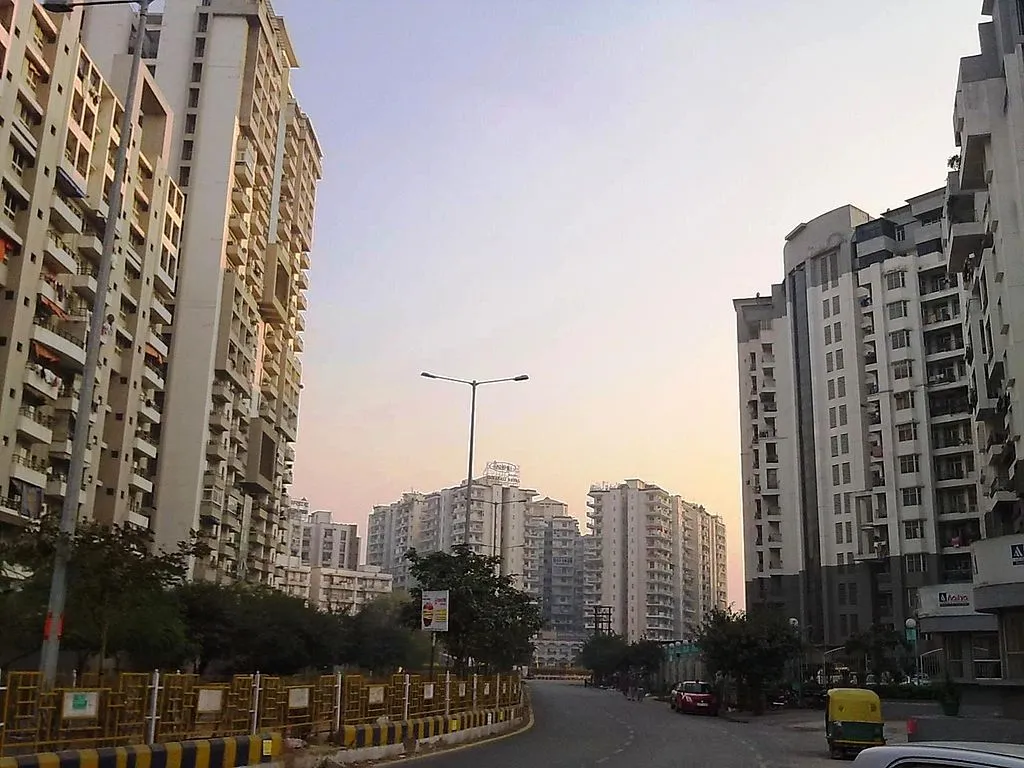
Ghaziabad struggles with significant air pollution issues, vastly affecting well-being and quality of life for its residents. Industrial activities and vehicular emissions heavily influence air quality concerns. Despite the critical situation, initiatives targeting pollution control and public awareness are necessary to mitigate the impact of these environmental challenges.


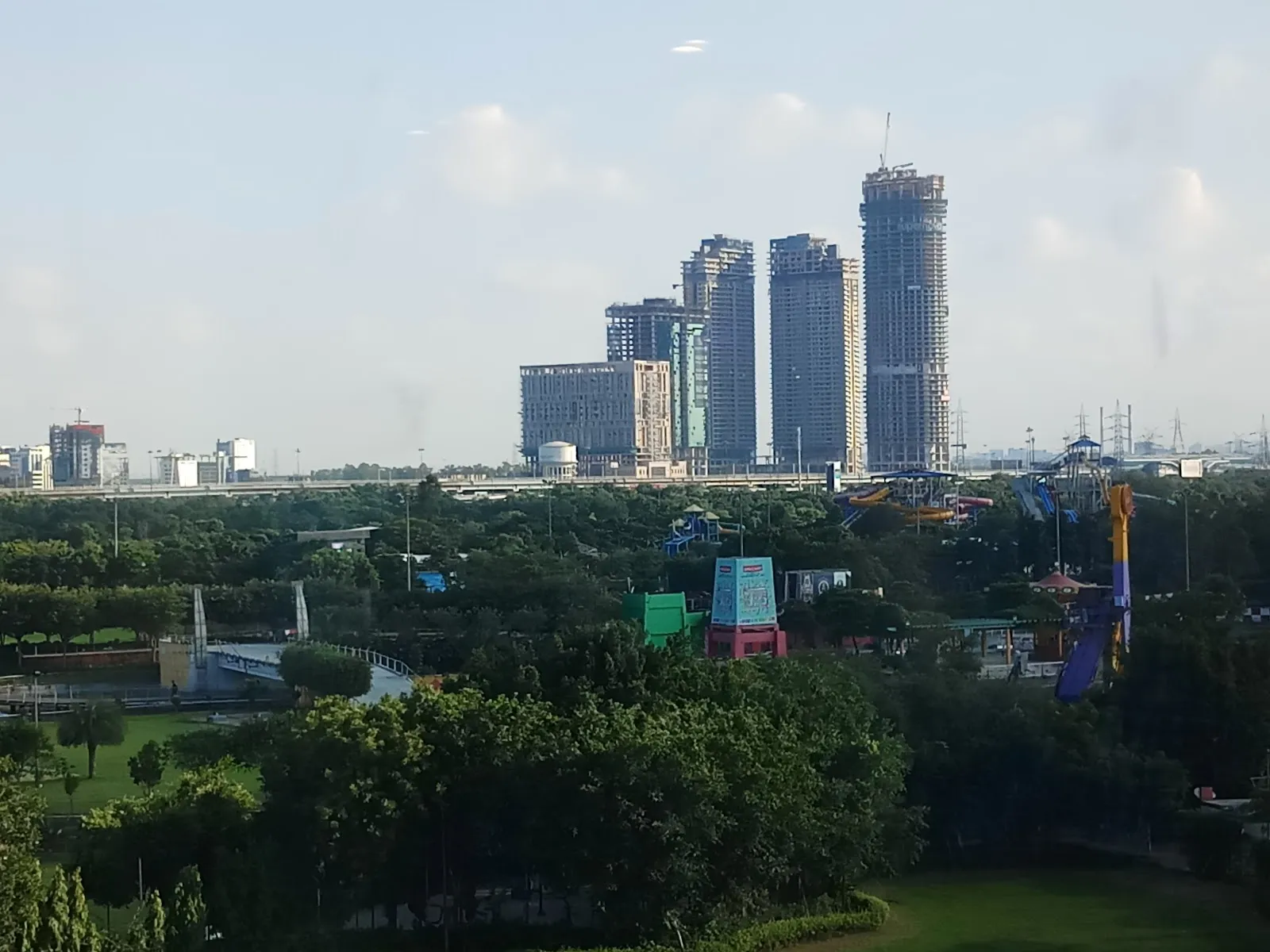
Severe pollution levels dominate the environmental landscape in Noida for 2024. Air quality, particularly concerning PM2.5 and PM10 levels, poses significant health risks. Residents are profoundly concerned about the long-term effects of poor air quality, exacerbated by high urban density and traffic congestion.


Yangon faces substantial challenges with its air quality, heavily influenced by urbanization and vehicular emissions. Residents express significant concern over the air quality, citing potential health risks. The air quality in Yangon is considered poor, with little improvement in particulate matter levels such as PM2.5 and PM10.


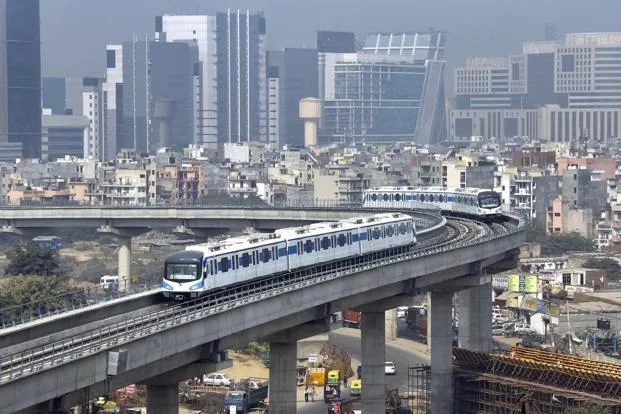
Gurgaon's air quality in 2024 remains a significant challenge, with pollution reaching alarming levels due to high concentrations of particulate matter and urban emissions. Air quality in the city is notably poor, evidenced by high PM2.5 and PM10 levels, which indicate severe pollution, presenting health risks to residents.


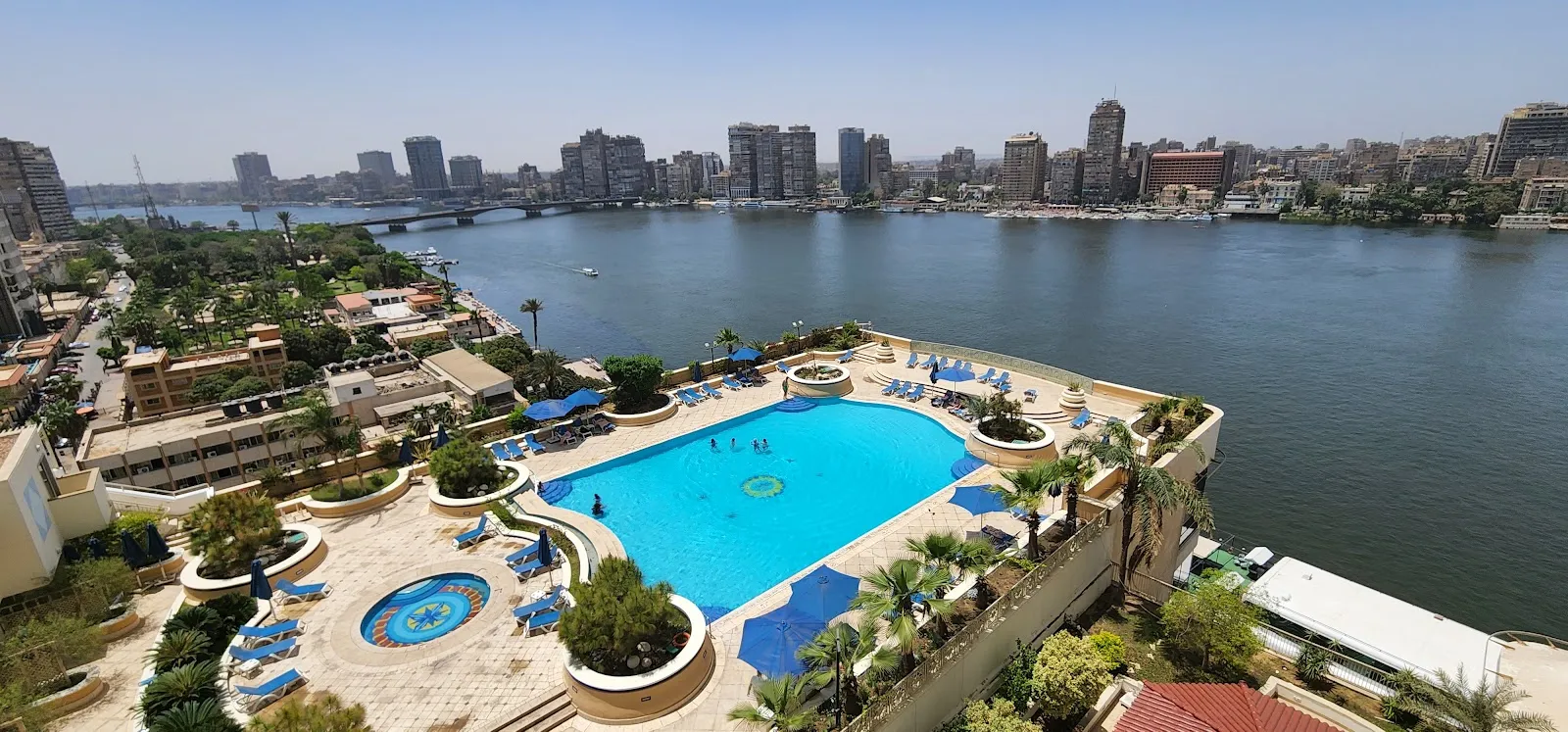
Cairo faces significant challenges with pollution, particularly in terms of air quality. The city's air is heavily impacted by high levels of particulate matter, making pollution a pressing urban environmental issue. Residents express strong concerns over these pollution levels, noting the potential long-term health effects.


Delhi is grappling with severe air quality issues, ranking poorly with some of the highest levels of particulate matter observed globally. The city struggles with severe pollution largely due to traffic congestion and industrial emissions that contribute to its notorious smog.


Manila struggles with severe air pollution, largely driven by traffic and industrial emissions. The city's poor air quality has significant implications for public health, with particulate matter levels frequently surpassing safe limits. Residents voice substantial concerns about the health impacts of air pollution, particularly with high PM2.5 and PM10 levels contributing to these worries.


Kabul's 2024 pollution data reveals troubling air quality issues, aggravated by high levels of particulate matter (PM2.5 and PM10). The city's reliance on outdated infrastructure and emission sources contributes heavily to these conditions. Public health concerns are elevated due to the impact of pollution on respiratory health, with air quality being a significant detractor from the city's livability.


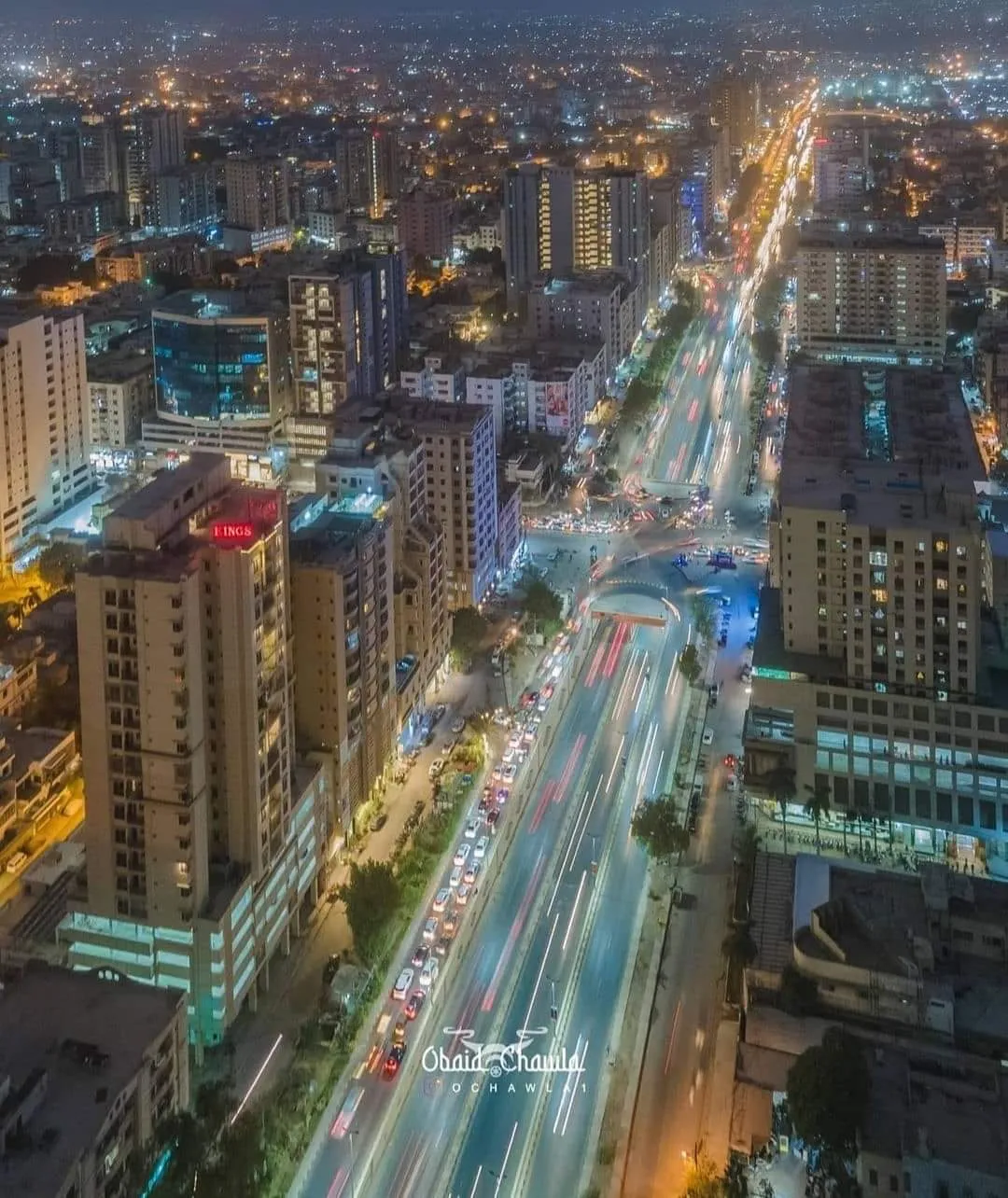
Karachi struggles significantly with pollution, notably poor air quality exacerbated by heavy PM2.5 and PM10 particulate matter levels. Residents express serious concerns over the health impacts of these pollution levels, with environmental conditions affecting daily living standards.


Air pollution in Patna continues to be a pressing issue with very high levels of particulate matter. This poses severe health risks to residents, especially considering the dense urban environment. Especially during certain seasons, air quality becomes a critical health concern, demanding urgent action from both authorities and citizens to protect public health.


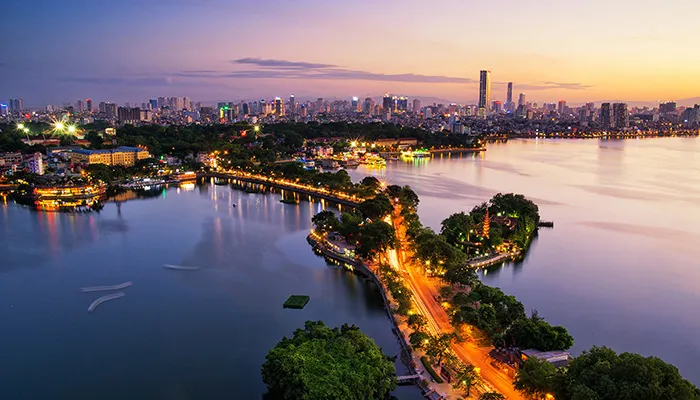
Despite efforts, Hanoi faces significant challenges with air quality. Pollution levels are high, primarily due to traffic and industrial activities. Air quality is a primary concern for residents due to high levels of PM2.5 and PM10, which pose health risks, particularly among vulnerable groups.


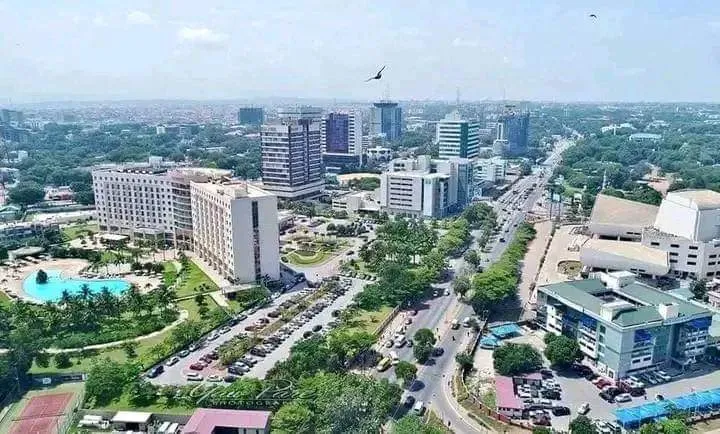
Accra faces significant challenges with air quality and pollution in 2024. High levels of particulate matter place the city in a concerning pollution category, impacting the overall living standards. Residents express dissatisfaction with air quality, largely due to urban congestion and industrial activities contributing to high pollution levels.


Pollution in Allahabad remains a significant concern in 2024, particularly with critically high levels of air pollutants such as PM2.5 and PM10, which contribute to a challenging air quality scenario. Residents express strong concerns about the adverse health effects of air pollution, with air quality ratings reflecting these apprehensions.


Kanpur faces significant challenges with air quality, with pollution levels among the highest in India. This is exacerbated by industrial activities and vehicular emissions contributing to poor air conditions. The city's air quality is extremely poor, with both PM2.5 and PM10 levels indicating severe pollution, raising substantial public health concerns.


Raipur faces significant challenges with pollution, particularly air quality, which is rated extremely poor due to high levels of particulate matter (PM2.5 and PM10). These pollution levels pose serious health risks and are a major concern for the city's residents.


Ludhiana faces severe air quality issues in 2024, primarily due to high particulate matter concentrations, which are well above safe limits, impacting public health significantly. Residents express strong concerns over the long-term health impacts, with air quality being rated very poorly.


Pattaya faces significant challenges concerning air quality, with pollution levels ranked high. This is a focal point for residents who are increasingly aware of its impact on health and well-being. The air quality in Pattaya suffers notably, as evidenced by both PM2.5 and PM10 levels. Conditions often raise concerns over respiratory health among the population.


Tirana in 2024 faces significant environmental challenges, primarily concerning air quality, which is notably below satisfactory levels. Pollution, particularly from particulate matter like PM2.5 and PM10, poses a serious health risk, necessitating prompt actions and public awareness.


Despite Taichung's success in maintaining low crime rates, pollution remains a significant challenge for the city in 2024. Air quality issues, particularly high levels of particulate matter, are a major concern for residents. With moderate PM2.5 and PM10 levels, Taichung faces ongoing challenges in reducing air pollution to improve public health and environmental wellness.


Jakarta struggles with serious air pollution issues, primarily due to high traffic and industrial activities. The city's air quality problems are among the most pressing environmental challenges. Particulate matter levels, particularly PM2.5 and PM10, are high, raising significant health concerns for the population.


Lima struggles with severe pollution issues, particularly related to air quality. The high levels of PM2.5 and PM10 are a testament to the city's air pollution challenges, which are exacerbated by industrial activities and heavy vehicular traffic. The overall air quality is rated poorly by residents, highlighting a need for stringent measures to tackle air pollution effectively and mitigate its health impacts.


Cebu's pollution levels are a major concern in 2024, particularly highlighted by poor air quality. Highly urbanized areas experience frequent exposure to pollutants that affect health and daily life. With air quality rated poorly, Cebuanos express concern over immediate and long-lasting health consequences tied to persistent pollution issues.


Marrakech's air quality in 2024 is characterized by significant challenges. The levels of particulate matter, particularly PM2.5 and PM10, remain high, signaling a need for more rigorous environmental policies. Residents express ongoing concerns about air quality, which is compounded by urban and industrial emissions, affecting overall health and wellbeing.


Krasnoyarsk struggles considerably with pollution levels, particularly concerning air quality. Industrial emissions and geographical factors contribute significantly to the poor air conditions. Residents have expressed strong concerns over air pollution, highlighting its impact on health and quality of life in the city.


Pollution remains a significant challenge in Quezon City, with air quality issues affecting daily life due to high levels of PM2.5 and PM10. The city's air quality is highlighted as an area of concern, particularly in urban centers, with adverse health implications for its population.


Mumbai faces significant challenges concerning air quality in 2024, with high pollution levels underscoring ongoing environmental issues. Public sentiment strongly indicates discomfort due to poor air quality, exacerbated by high levels of particulate matter during certain periods.


Gwalior's air quality is a significant concern, characterized by high levels of particulate matter that strongly affect residents' health and well-being. Air quality indices reveal severe pollution, heightening the need for systemic solutions to curb emissions and enhance urban living conditions.


Skopje's air quality remains a pressing issue in 2024, with pollution levels reaching concerning heights due to dense urbanization and industrial outputs. High pollution index ratings reflect significant challenges, particularly with PM2.5 and PM10 levels, affecting day-to-day life and long-term public health.


Bangalore struggles with significant air pollution issues in 2024, characterized by high particulate matter levels, especially PM2.5 and PM10. This contributes to public health concerns and demands attention from environmental authorities. Air quality is rated poorly, indicating a pressing need to address emissions from vehicles and industrial activities.


Casablanca struggles with significant air pollution issues in 2024, particularly in regards to particulate matter from industrial and vehicular emissions. The air quality is rated poorly, impacting health and quality of life, as residents express substantial unhappiness with the current state.


Harare faces significant pollution challenges, with air quality concerns driven by urban emissions and inadequate infrastructure impacting daily life. The city's air quality, affected by both vehicular and industrial pollutants, poses ongoing health risks, necessitating concerted efforts for improvement.


Mexico City experiences significant air quality challenges in 2024, with pollution levels remaining worryingly high. The presence of particulate matter significantly impacts environmental health. Residents express concerns about the health implications of air pollution, which is particularly severe in urban areas with high vehicular and industrial emissions.


Pollution remains a significant challenge in Dnipro, with the city grappling with poor air quality, particularly due to industrial emissions and minimal greenery. The air quality is rated poorly, affecting public health perceptions and daily life comfort for the residents.


Jalandhar faces significant challenges with pollution, particularly from air quality issues. Industrial activities and heavy traffic are key contributors to the city's pollution levels. Air quality is categorized as poor, primarily due to high particulate matter levels, raising serious health concerns among residents.


Tehran struggles with substantial pollution challenges, with air quality marked by high levels of particulate matter due to urban emissions and industrial activities. Public feedback indicates a troubling level of concern regarding the health implications associated with these pollution levels.


Nairobi's air quality in 2024 remains a mixed issue, primarily affected by urban emissions and seasonal variations. Residents are moderately concerned about air quality's impact on health. Pollution from particulate matter continues to pose health risks, demanding ongoing efforts to monitor and reduce emissions, particularly in busy urban centers.


Pollution remains a critical issue for Sao Paulo in 2024, with air quality affected by high levels of particulate matter due to industrial emissions and vehicular traffic typical of a large urban area. While some progress has been made, the air quality is generally perceived negatively, with PM2.5 and PM10 levels posing health concerns, especially in densely populated areas.


Bali faces significant environmental challenges, with high pollution levels affecting quality of life. Air quality concerns are particularly pronounced, despite low levels of measurable particle pollution. Residents frequently voice concerns about poor air quality, reflecting on overall environmental quality on the island as needing urgent attention.


Air quality remains a significant issue in Almaty, with pollution levels affecting residents' quality of life. The city is dealing with severe air quality challenges, driven by urban development and emissions. Particulate matter measurements like PM2.5 and PM10 are critical indicators, though specific readings are currently unavailable, reinforcing the demand for detailed monitoring.


Lahore faces significant pollution challenges, particularly related to poor air quality and high particulate matter levels. Urban development and industrial activity are the main contributors to these environmental issues. The air quality in the city is poor, with ongoing health concerns over pollution levels affecting daily life and long-term health outcomes for residents.


Air pollution remains a significant challenge in Naples, with substantial concerns about air quality affecting public health and quality of life. The city's industrial activities and vehicular emissions are primary contributors to this environmental issue. Although there have been efforts to improve air conditions, levels of particulate matter such as PM2.5 and PM10 remain higher than desired, impacting the health of vulnerable populations.


Lucknow's pollution levels in 2024 present significant challenges, particularly with air quality. Urban pollution remains a pressing issue, affecting the health and well-being of residents. Air quality perceptions are predominantly negative, with particulate matter levels, especially PM2.5 and PM10, far exceeding safe limits and raising health concerns.


Despite efforts to improve, Bangkok still faces significant air quality challenges, especially evident in urban areas with heavy traffic. Emissions from vehicles and industrial activities remain significant contributors to pollution. The air quality is currently considered poor, and residents are particularly concerned about the health impacts of particulate matter emissions.


Chiang Mai continues to confront air quality challenges in 2024, with pollution levels significant enough to concern residents and affect overall quality of life. The city struggles with issues of particulate matter, particularly PM2.5 and PM10, which are higher than ideal and cause health concerns among sensitive populations.


Pollution in Santo Domingo remains a pressing issue, with negative public sentiment regarding air quality. Urban development and traffic are the primary contributors to pollution levels. The lack of significant improvement in air quality has sparked community concern, especially about the potential health implications for vulnerable populations.


Despite achievements in crime reduction, Beijing faces challenging pollution levels in 2024. Air quality remains a significant concern, particularly with elevated levels of particulate matter PM2.5 and PM10. Residents express worry about the ongoing air pollution issues, citing both health concerns and the impact on daily life as main points of stress regarding environmental conditions.


Phnom Penh struggles with significant air quality issues, primarily due to urbanization and industrial activities. Air pollution remains a prominent concern, affecting overall public health and quality of life. The city's air quality receives a poor rating, with residents frequently expressing concerns over the impact of pollution on respiratory health and general well-being.


Amman's air pollution in 2024 poses significant challenges, with high particulate matter levels impacting public health and comfort. Air quality remains a primary concern for residents, particularly due to elevated PM2.5 and PM10 levels, highlighting the need for sustainable urban policies.


Brescia faces significant air quality challenges in 2024, with pollution mainly from traffic and industrial activities. This impacts residents' health and quality of life. Air pollution levels, particularly PM2.5 and PM10, are higher than recommended, affecting long-term health outcomes and sparking public concern.


Guwahati faces substantial challenges with pollution, particularly in air quality, underlined by high levels of particulate matter that affect residents' health and comfort. The air quality is notably poor, bringing attention to the need for actions to curb pollution, primarily driven by traffic and industrial emissions.


Air quality in Hyderabad poses serious challenges, with high levels of PM2.5 and PM10 indicating substantial pollution. The city's air quality issues are predominantly driven by urban industrial activities and vehicular emissions. Residents voice significant apprehensions about air quality, directly correlating to health concerns, especially for vulnerable populations.


Bishkek struggles with significant air quality issues, attributed largely to its geographical and environmental conditions, which affect the health and daily lives of its inhabitants. Air quality indicators, particularly the levels of particulate matter, are alarmingly low, highlighting the need for robust environmental strategies and pollution reduction policies.


Tunis faces significant challenges with air quality and pollution. High levels of pollutants, particularly PM2.5 and PM10, are prominent concerns affecting the health and wellbeing of residents. Public sentiment reflects dissatisfaction with air quality, attributing reasons to industrial emissions and urban congestion.


Bucharest faces significant challenges regarding air quality, with pollution being a primary concern for its residents. Issues such as particulate matter remain high, reflecting ongoing urban and industrial activities. The air quality is rated poorly by locals, many of whom cite it as a pressing concern for health and the environment.


In 2024, Addis Ababa struggles with significant pollution issues, primarily stemming from poor air quality attributed to urban congestion and inadequate regulatory measures. Air quality concerns are notable, particularly with no significant presence of particulate matter measurements such as PM2.5 or PM10.


Chennai faces significant challenges with air pollution, characterized by high levels of particulate matter (PM2.5 and PM10) that exceed safe limits, posing health risks to residents. Public dissatisfaction with air quality reflects concerns about long-term health impacts, necessitating urgent environmental management solutions.


Despite improvements, Baku faces notable challenges in air quality, with concerns centered around particulate matter and environmental pollutants. These issues are a major focus for city planners aiming to enhance residents’ health and quality of life. Public perception of air quality remains endemically low, indicating significant room for improvement, particularly in urbanized areas affected by traffic and industrial emissions.


Alexandria's pollution levels show concerns, particularly in air quality, which remains a notable issue. The city's moderate air quality is affected by urban activities and emissions. Efforts to address pollution need to be continued, focusing on reducing harmful emissions and improving living conditions for residents.


Belgaum grapples with concerning pollution levels, particularly in waste management and noise. Air quality remains consistent in its moderate status, with main attention turning towards other pollution forms. Despite improved technology and measures, the air quality index reflects a cautious stance due to urbanization effects and persistent pollution challenges.


Pollution remains a pressing issue in Marseille, with air quality concerns exacerbated by urban and industrial activities. The city's pollution index indicates a high level of pollutants, posing health risks to residents. Air quality is affected by particulate matter, with higher levels of PM2.5 and PM10 contributing to long-term health concerns.


Despite significant advances, pollution in Tbilisi remains a concern, particularly with air quality observed at worrying levels. Both PM2.5 and PM10 readings indicate noticeable air contamination that needs addressing. Local discourse around air quality often points to traffic and industrial activity as primary contributors to these pollution levels.


Peshawar struggles with serious pollution issues despite some improvements. Air quality, impacted heavily by vehicular emissions and industrial discharge, remains a key health risk. The city faces a significant challenge with high particulate matter levels impacting residents' health, requiring urgent attention to mitigate long-term risks.


Baguio faces significant challenges with air quality in 2024, marked by high levels of PM2.5 and PM10 pollutants. These pollution levels are chiefly attributed to urban activity and transportation emissions. The city's air quality struggles impact public health perceptions, with notable concerns over respiratory issues and long-term environmental effects.


Monterrey struggles with air pollution challenges, primarily from industrial emissions and vehicular traffic, which contribute significantly to urban pollution. The air quality is a concern with high levels of particulate matter, which consistently affects the health and well-being of its residents.


Vijayawada faces significant challenges in pollution, with higher than desirable levels of particulate matter contributing to poor air quality. The pollution index suggests areas for critical improvement. Particulate matter levels, including PM2.5 and PM10, are notably high, influencing public health concerns regarding air quality.


Chengdu faces significant air pollution challenges, with air quality issues stemming from high levels of particulate matter in the atmosphere. Public concern over air pollution is notable, with ongoing health and environmental implications for its residents.


Kuwait City grapples with significant challenges regarding air quality, impacted mainly by high PM2.5 and PM10 levels. These contributors to air pollution reflect ongoing issues with industrial emissions and traffic congestion. Residents are increasingly concerned about the adverse health implications of air pollution, necessitating urgent attention and strategic solutions to mitigate these effects.


Air quality in Guayaquil continues to be a concern despite having no extreme particulate matter readings. Nonetheless, public perception rates the air quality as poor. Pollution levels are considered high, with particular challenges related to general cleanliness and environmental management critically affecting the city's environment.


Kochi, in 2024, faces significant challenges regarding air quality as pollution levels are quite high, affecting the overall environment and health of its residents. The air quality, marked by high PM2.5 and PM10 levels, is a continual concern for health, urging local authorities to devise strategies for better management.


Kingston faces considerable pollution challenges in 2024, marked by significant air quality issues influenced by urban and industrial activities. The levels of particulate matter are particularly concerning. The city's air quality is rated as poor, affecting both public health and quality of life, as residents express worries over the long-term ramifications of these environmental problems.


Santiago struggles with significant pollution challenges in 2024, particularly with regard to air quality. The levels of particulate matter pose ongoing health risks to residents. These pollution issues are exacerbated by urban density and emissions, leading to public concern about their long-term health effects.


Makati faces significant challenges in terms of environmental quality, with pollution levels positioned as a marked concern for residents. The city's air quality is notably poor, with sentiments reflecting dissatisfaction and concern about pollution's impact on long-term health.


Despite advancements, air quality in Bogota remains a pressing concern, influenced by high levels of particulate matter, primarily from vehicular emissions and industrial activities. The city's air quality is rated poorly, with considerable worries about health impacts related to long-term exposure to pollutants.


Despite Haifa's success in crime reduction, pollution remains a significant concern, particularly relating to air quality issues linked to industrial and urban emissions. Air quality in Haifa is perceived as poor, with residents expressing concern over long-term health implications due to elevated levels of particulate matter.


Despite strong safety indices, Krakow faces notable challenges with air quality, primarily due to pollution from industrial and vehicular sources. Air quality concerns are significant, with particulate matter levels contributing to public unease about health impacts.


Dehradun faces significant environmental challenges with poor air quality levels, primarily due to high particulate matter from vehicular emissions and industrial activities. Air pollution is a major concern, impacting health and the overall quality of life for Dehradun's inhabitants.


Belgrade faces moderate pollution challenges in 2024, with air quality being a key concern for residents, especially due to the impact of traffic and industrial activities. Pollution levels, including PM2.5 and PM10, are moderate but draw significant public attention to the need for air quality improvements.


Shanghai continues to face significant challenges with pollution in 2024, predominantly related to its air quality, with high levels of particulate matter contributing to health concerns. Despite efforts to improve conditions, air quality remains a critical issue, impacting residents' health and quality of life.


In Bandung, air pollution remains a pressing issue for 2024, with particulate matter levels (PM2.5 and PM10) raising significant health concerns among the population. Air quality is perceived poorly due to industrial activity and urbanization, with community members pushing for measures to tackle these environmental challenges.


Air quality in Los Angeles presents ongoing challenges, with pollution stemming from urban activities like traffic and industrial emissions. The city grapples with moderate air quality issues, particularly concerning PM2.5 and PM10 levels, raising questions about long-term health impacts on residents.


Despite efforts to improve environmental quality, Guangzhou's air pollution levels are a concern, particularly due to high particulate matter concentrations. Air quality remains a critical issue for residents, who are increasingly aware of the health implications of poor air conditions.


While Sofia has made strides in environmental health, air quality remains a significant concern, predominantly due to urban activities and geographical factors. Residents express considerable worry about pollution levels, particularly related to particulate matter, which can affect health over the long term.


Turin grapples with significant air quality issues despite efforts to combat pollution. High levels of particulate matter remain a concern, due largely to urban congestion and industrial activities. The city's air quality index indicates poor conditions, with residents expressing escalating concern over the adverse health implications of long-term exposure.


Milan in 2024 continues to tackle pollution intensely, though air quality remains a major issue due to its industrial and vehicular emissions, particularly in central urban areas. The city's air pollution levels are high, notably with particulate matter levels that spark ongoing public health concerns.


Pollution is another pressing issue for Rio de Janeiro in 2024, with air quality sitting at concerning levels due to various environmental stressors. Urban emissions and traffic contribute significantly to these levels. While some progress has been made, air pollution remains a substantial challenge, with PM2.5 and PM10 levels being particularly problematic, impacting the health of residents.


Ambient air quality in Novosibirsk remains a concern despite lack of PM2.5 and PM10 data, with perceptions highlighting significant issues in specific urban areas. The city's air quality is deemed poor, resulting in apprehension about its health implications and overall environmental impact.


Algiers, in 2024, is grappling with significant pollution challenges, despite some progress in controlling emissions. Air quality remains a contentious issue, exacerbated by industrial and urban pollutants. While exact PM2.5 and PM10 levels are unknown, public concern about air quality remains high, particularly over long-term health implications.


Pollution remains a prominent issue in Istanbul, with air quality indexes indicating significant challenges. Urbanization and heavy traffic contribute notably to these pollution levels, requiring continuous action to prevent health implications. While some improvements are noted, air quality remains a substantial public health concern, exacerbated by rising particulate matter levels.


Visakhapatnam faces significant challenges in terms of air quality, with pollution levels presenting a moderate to serious concern for its residents. Emissions from traffic and industries are primary contributors to air pollution levels. The city's air quality, although problematic, encourages a cautious approach to improvement efforts, particularly in densely populated and industrial areas.

Despite its urban density, Hong Kong faces moderate pollution challenges, particularly concerning its air quality. The city's air pollution levels, especially PM2.5 and PM10, are areas of concern, prompting citizen awareness on health impacts.


Sarajevo faces significant challenges with air quality, particularly concerning PM2.5 and PM10 levels, which often exceed safe limits. The air quality is a major concern for residents, with various health risks associated with prolonged exposure to pollution highlighted in community discussions.


Jammu confronts significant challenges with air pollution, as indicated by higher levels of both PM2.5 and PM10. These pollutants primarily arise from urban traffic and industrial activities. The air quality in Jammu continues to be a major issue of concern due to potential health impacts, calling for urgent policy interventions to improve the situation.


Despite progress in some areas, air quality issues remain a pressing concern for Jeddah in 2024. The impact of industrial activities and vehicular emissions significantly contributes to the city's pollution levels. Jeddah experiences considerable challenges with air quality, stemming particularly from high particulate matter levels, which continue to affect the health and wellbeing of its residents.


Quito faces significant air quality issues, with pollution primarily stemming from vehicle emissions and other urban factors. Residents express concern over the health implications of this pollution. Air quality indices suggest a detrimental impact on the environment, highlighting the need for continued interventions.


Pollution remains an issue in Kuala Lumpur, with moderate air quality challenging public health. Industrial activities and urbanization contribute to these levels. Despite no recorded PM2.5 and PM10 values, air quality concerns are prevalent, indicating potential data gaps or seasonal reporting variations.


Kiev faces challenges in maintaining healthy air quality. Despite improvements, air pollution remains a pressing issue due to urban and industrial activities. Pollution levels, particularly particulate matter, necessitate ongoing mitigation efforts to protect public health, especially during high pollution periods.


Ankara's air quality remains a significant challenge, particularly in urban areas where particulate matter levels are concerning. Air quality is perceived as unsatisfactory, particularly due to high PM10 levels. The general public is concerned about the potential health impacts, despite efforts to manage and reduce pollution levels.


Vadodara faces challenges with air pollution, primarily due to industrial and vehicular emissions, contributing to moderate air quality concerns. PM2.5 and PM10 levels indicate potential health risks, particularly in densely populated areas. Residents express moderate satisfaction with air quality, though there are notable health concerns, particularly for vulnerable communities.


Paris faces ongoing air quality challenges, largely stemming from traffic and industrial emissions. Pollution is particularly pronounced in highly urbanized districts. Residents express concern about both current air pollution levels and their long-term health implications, as air quality metrics indicate moderate to high pollution.


Hangzhou's pollution index for 2024 indicates a moderate level of environmental concern, primarily driven by air quality issues. Industrial activities and urbanization have contributed to notable levels of particulate matter. The air quality is a key area for improvement, with residents frequently voicing concerns about the effects of pollutants on health and quality of life.


Chisinau in 2024 faces moderate pollution challenges. While air quality in terms of particulate matter remains controlled, public concern for overall air cleanliness persists. The city shows specific worries regarding overall pollution impact, although localized air quality remains acceptable.


Coimbatore struggles with pollution issues, particularly concerning air quality, where particulate matter levels remain a concern. There is a moderate level of dissatisfaction with air pollution, affecting residents' comfort in spending time outdoors.


Riyadh faces significant air quality challenges, particularly due to high levels of particulate matter (PM2.5 and PM10), largely influenced by urban and industrial activities. The air quality in Riyadh is of concern despite efforts to improve it, with residents expressing worries over the potential long-term health effects of pollution.


Air pollution in Thane remains a critical concern, particularly in terms of particulate matter levels. The city struggles with maintaining healthy air quality due to industrial activities and vehicular emissions. Despite the moderate air quality rating, residents continue to express concerns over its health implications, especially during peak pollution seasons.


Barcelona faces challenges with air quality, particularly due to urban and traffic emissions. These issues are intensified in the denser parts of the city. The air quality is rated as moderate, prompting concern from residents regarding long-term health implications associated with pollution.


Air quality in Salt Lake City remains a concern, with certain pollutants contributing to the overall moderate pollution level. However, urban efforts to improve air quality are ongoing and crucial for future health and environmental stability. Particulate matter levels, specifically PM2.5 and PM10, are moderate, suggesting that continued efforts are needed to maintain and improve air conditions.


Medellin's air quality in 2024 shows room for improvement, particularly with increased levels of particulate matter due to urban emissions and industrial activities. These pollution challenges are critical, with public unease over their potential long-term health effects, despite some progress in other environmental areas.


Despite its strong safety reputation, Manama faces challenges with air pollution. The city's air quality issues are primarily driven by high levels of particulate matter, notably PM2.5 and PM10, which exceed healthy limits. Residents express concerns over the long-term health impacts of air pollution, particularly for vulnerable groups such as children and the elderly.


Bologna has made strides in addressing pollution, though air quality remains a concern. Urban areas are most affected, with traffic and industrial emissions being primary contributors to pollution. While air quality ratings are generally poor, residents are increasingly concerned about the health impacts associated with elevated pollution levels.


Air quality in Bitola presents significant concerns, with pollution levels often surpassing safe limits and impacting residents' health and comfort. Due to industrial activities and other emissions, air quality ratings remain low, necessitating increased attention and action.


Pollution remains a crucial issue in Detroit, with air quality concerns persistently affecting the population. Urbanization and industrial activities continue to contribute significantly to pollution levels. Public sentiment reveals unease about air quality, highlighting the need for robust environmental policies and enforcement to mitigate health risks.


While Odessa shows progress in air quality management, overall pollution levels remain concerning. Industrial activities and insufficient waste management contribute significantly to these issues. The air quality is considered moderate, but the impacts of pollution on health and wellbeing remain a significant concern for residents.


Pollution remains a pressing issue in Johannesburg, with air quality being a significant concern. Industrial emissions and traffic congestion contribute heavily to the city's pollution levels. Air quality ratings indicate high levels of particulate matter (PM2.5 and PM10), affecting residents' health and well-being and demanding actionable interventions.


Pollution in Wroclaw presents moderate challenges, primarily due to air quality issues. Urbanization and traffic contribute to levels of particulate matter that residents find concerning. People express mixed feelings about air quality, with a particularly cautious view on the potential long-term health effects linked with pollution.


Yerevan faces challenges with its air quality, particularly in densely populated areas. Although levels of particulate matter like PM2.5 and PM10 are reported as negligible, public perception of air quality remains somewhat negative. Concerns about long-term health effects due to air pollution are present, highlighting the need for further environmental measures to improve air quality.


Air pollution remains a significant challenge in Jaipur, with high levels of PM2.5 and PM10 due to vehicular emissions and industrial activities prevalent in the region. Public concern is high regarding air quality's long-term impact on health, reflecting the urgent need for effective environmental policies and practices.


Air quality remains a challenge in Nagpur, with high levels of particulate matter posing health risks. Urban emissions contribute to these issues, particularly affecting those with respiratory vulnerabilities. Despite these concerns, pollution levels are not deemed catastrophic but require strategic intervention to improve air conditions.


Ranchi faces significant challenges in pollution control, with high concern expressed over urban cleanliness and waste management. Air quality is a moderate concern with moderate particulate levels. Residents are increasingly worried about the effects of pollution on health, compounded by concerns over environmental management practices, particularly waste and garbage disposal.


In 2024, Hamilton faces moderate air pollution challenges, especially concerning particulate matter from urban and industrial sources. This pollution problem is a continuous concern for the community's long-term health. The air quality has been rated lower than desired, presenting health risks that are particularly concerning for sensitive groups, including children and those with pre-existing health conditions.


Indore grapples with significant air pollution challenges, largely due to high PM2.5 and PM10 levels which exceed safe limits, posing health risks to its inhabitants. The city's air quality remains a pressing issue that residents are increasingly worried about, especially given its implications for long-term health.


Nicosia's pollution levels in 2024 signal moderate concerns, primarily due to urban emissions. Both PM2.5 and PM10 levels reflect challenges, necessitating ongoing monitoring and management. Air quality is a mixed bag for the city, with efforts underway to address emissions while residents continue to concern themselves with its long-term effects.


Saint Petersburg's air quality remains a topic of discussion due to moderate pollution levels. While the city benefits from low levels of PM2.5 and PM10 particulate matter, broader air quality issues persist. Citizens express concerns about pollution's health implications, though current measures keep particulate pollution within manageable levels.


Pollution in Colombo remains a pressing issue in 2024, with air quality challenges exacerbated by urban activity and traffic emissions. The city's air quality is affected by high levels of particulate matter, raising health concerns for vulnerable residents.


Izmir continues to face moderate pollution challenges in 2024, with air quality being a central concern. The urban atmosphere deals with issues related to particulates and emissions from various sources. While efforts to improve air quality are ongoing, the city's air still requires attention, especially in highly trafficked and industrialized areas.


Guadalajara grapples with moderate pollution challenges, where urban development and traffic contribute significantly to air quality issues. Particulate matter levels reflect a concerning picture, with implications for the health and comfort of its citizens. Despite some progress, air pollution remains a vital public concern due to the potential health impacts of prolonged exposure to current PM2.5 and PM10 levels.


Rajkot faces moderate pollution challenges, significantly indicative of air quality problems largely due to high PM2.5 and PM10 levels. Urban growth and vehicular emissions are primary contributors. Air quality remains a topic of concern, with public awareness regarding its potential health implications steadily increasing.


Limassol faces challenges with its air quality, driven largely by urban activity, but maintains a moderate stance on pollution levels. PM2.5 and PM10 levels are higher than desired, impacting vulnerable groups and influencing general public health.


Warsaw faces moderate challenges regarding air quality, primarily due to particulate matter levels. While improvements are ongoing, there are areas needing further attention to ensure healthier urban air standards. Particulate matter, both PM2.5 and PM10, significantly contribute to the city's air quality issues, with ongoing efforts to reduce these pollutants critical for public health.


Despite Varna's improvements in livability, pollution remains a challenge, with air quality issues persisting due to urban factors like traffic and industrial emissions. Residents express concern over air and noise pollution, mostly associated with urban development, affecting the comfort of living.


Despite improvements, air quality in Navi Mumbai remains a challenge, with high levels of PM2.5 and PM10 contributing to health concerns. The city struggles to maintain clean atmospheric conditions, impacting public health and quality of life.


In Iasi, air quality remains a significant concern despite improvements in some areas. Issues related to particulate matter continue to persist, driven by both environmental and urban factors. Public awareness is increasing regarding the long-term health impacts of air pollution, motivating community and governmental efforts to mitigate these concerns.


Despite progress in several areas, Lodz continues to face challenges regarding air quality in 2024. The levels of pollution have been a significant point of public concern, especially fine particulate matter. The air quality is currently rated as moderate to poor, largely due to urban traffic and industrial activity, impacting the daily health of residents.


Pollution, particularly air quality, is a pressing concern for Poznan, with issues related to particulate matter being significant. Residents express concern about the health implications of prolonged exposure to air pollutants, necessitating continued efforts to improve air quality.


Mysore enjoys relatively clean air with minimal PM2.5 and PM10 levels, contributing to positive environmental perceptions albeit other pollution factors. Despite good air quality metrics, the city's overall pollution index reveals moderate concerns, particularly regarding water pollution.


Antwerp faces challenges with air quality, marked by the presence of particulate matter due to urban and industrial activities. The city works toward better air quality future prospects. Air quality is a concern; despite efforts, improvements are needed, especially in controlling emissions from traffic and industry.


London continues to address its air quality challenges, though pollution remains a significant concern, particularly in heavily trafficked urban zones. The city's air quality index reflects substantial issues requiring attention. With increasing public awareness, there is heightened scrutiny over the city's air quality, which remains moderately concerning particularly due to particulate matter.


Phoenix faces challenges with air quality, marked by moderate pollution indices largely due to PM2.5 and PM10 levels. Urban pollution remains a significant issue, impacting health and lifestyle. Air quality measurement highlights concerns, with a negative perception surrounding air cleanliness, especially in busy, traffic-heavy areas.


Plovdiv faces challenges in terms of air quality, with pollution levels regarded as a significant concern due to industrial and vehicular emissions. Despite these challenges, there is an ongoing effort to improve the situation. The city's air quality is deemed unsatisfactory, further aggravated by particulate matter concentrations, leading to public health concerns.


New York City has made significant progress in improving air quality, but pollution levels remain a concern. Air quality issues are most prominent in highly urbanized areas, with traffic and industrial emissions contributing to the pollution levels. The city's air quality is moderate, with particular issues related to particulate matter. New Yorkers continue to voice concerns over the long-term health effects of air pollution.


Puerto Vallarta enjoys relatively clean air, with pollution factors like PM2.5 and PM10 being negligible. However, urbanization could influence future air quality, making monitoring important. The city's air sentiment is generally positive, with most residents feeling comfortable with the air quality despite some urban challenges requiring attention.


Bhopal faces significant challenges with pollution, particularly in terms of air quality. High levels of particulate matter are a consistent concern for residents, impacting overall health and well-being. Despite some initiatives to address pollution, the air quality situation remains critical, prompting considerable public concern over the long-term health implications.


Kharkiv has demonstrated significant strides in maintaining low air pollution levels, highlighting effective environmental policies and reduced industrial emissions. The air quality in Kharkiv is relatively positive, yet there remains a public interest in ensuring long-term sustainability of these low pollution levels.


Porto Alegre continues to grapple with moderate pollution levels. Urban areas experience more intense air quality issues, mainly due to traffic and industrial activities. The city's air quality reflects moderate challenges, particularly with particulate matter, contributing to residents' concerns about potential health implications.


Tashkent boasts impressive strides in air quality, with negligible PM2.5 and PM10 levels. The city's initiatives in pollution control have been successful, leading to an improvement in public health and environmental standards. While overall pollution is moderate, residents appreciate the clarity of the air, indicative of Tashkent's commitment to ecological wellbeing.


Davao's air quality is marked as moderate, with pollution largely stemming from urbanization and vehicular emissions. The city has room for improvement in managing air pollution to prevent long-term health consequences. While the general air quality is manageable, there are concerns regarding particulate matter, notably PM2.5 and PM10, which require ongoing monitoring and regulation.


Thiruvananthapuram's air quality shows moderate concerns, with notable issues relating to particulate matter like PM2.5 and PM10. Urban development and traffic are primary contributors to air pollution. Public sentiment reflects moderate satisfaction with the air quality, underscoring the need for enhanced pollution control measures.


In Jamshedpur, efforts to improve air quality have made headway, yet pollution remains a concern needing ongoing action. Industry and urban traffic are key contributors to existing pollution levels. Despite the strides made, maintaining low levels of particulate matter remains a priority, ensuring health protection for vulnerable population groups.


Pollution remains a pressing issue in Pretoria, with air quality marked as moderate but affected by elevated levels of particulate matter, impacting health and well-being. The city battles with industrial emissions and urban activities that elevate pollution levels, despite efforts to address these environmental challenges.


Surabaya has maintained moderate pollution levels, with concerns around air quality due to urban activities but supported by advancements in green infrastructure. Air quality ratings reflect typical urban challenges, though ongoing enhancements to mitigate industrial emissions are underway.


Despite efforts, air quality in Surat remains a pressing issue, primarily impacted by high levels of PM2.5 and PM10 pollutants. Residents express ongoing concerns about air pollution, which significantly affects day-to-day life and long-term health.


While San Miguel de Allende has generally moderate air quality, concerns about pollution remain. The city's picturesque landscapes are occasionally marred by underlying air quality issues, though they are not as severe as those found in more industrial areas. Residents' views on air quality reflect a moderate level of discontent, indicating a desire for further improvements to minimize health risks associated with pollution.


Timisoara's pollution levels are moderate, with specific issues related to air quality due to particulate matter. Residents remain cautious about the long-term health impacts associated with urban pollution. Public perception of air quality is somewhat negative, influenced by traffic and industrial emissions, although improvements are evident over time.


Athens struggles with pollution issues, particularly in terms of air quality, which remains a significant concern. The city's urban character contributes to high levels of particulate matter. Public perception of air quality is somewhat negative, with residents worried about the potential long-term health impacts of pollution.


Astana has made strides in managing its urban air quality, yet pollution from industrial activity remains a concern. While particulate matter levels are not significant, continued monitoring is necessary. Overall air quality is perceived as moderate, with citizens appreciating ongoing environmental improvement efforts but remaining vigilant about industrial and vehicular emissions.


Shenzhen's pollution levels present a mixed picture in 2024, with the city facing challenges related to air quality due to industrial growth and urbanization. While the city has made efforts to manage pollution, air quality indicators show moderate levels of particulate matter (PM2.5 and PM10) affecting health.


Thessaloniki has made headway in managing air quality, yet pollution remains a hindrance. The urban landscape, dominated by transportation and industrial emissions, contributes to noticeable pollution levels. The city's air quality is challenged by particulate matter, which continues to be a significant public concern regarding health impacts.


Air quality in Moscow shows areas of improvement, yet challenges remain notably owing to urbanization and industrial activities. The city experiences moderate levels of pollution, with efforts ongoing to manage air quality. The concerns about particulate matter pollution, while moderate, point to the need for further improvements to enhance the living conditions for residents.


Novi Sad faces moderate challenges in air quality, influenced by particulate matter from urban and industrial activities. However, residents find the overall air quality to be tolerable. While air pollution levels do not reach critical levels, they remain a concern for long-term public health.


Pollution remains a significant concern in Manchester, particularly in urbanized regions where transportation and industrial outputs impact air quality. The city's air quality is deemed moderate, though public sentiments indicate ongoing worries about the potential health impacts of pollution.


Durban's pollution levels are moderate, with air quality being a concern in urban areas where traffic and industry contribute to pollution. Public sentiment reflects worry about both the environmental and health impacts of air pollutants. PM2.5 and PM10 levels are an ongoing issue, and although now moderate, they can impact vulnerable populations' health, necessitating proactive management and policy initiatives to reduce exposure.


Belo Horizonte's air quality presents a mixed picture in 2024, with moderate pollution levels that are a cause for concern among residents. Despite efforts to manage air pollution, challenges remain, particularly concerning particulate matter levels which affect public health.


Pollution remains a moderate concern in Budapest, with improvements required especially in air quality management. Air quality issues, particularly involving PM2.5 and PM10 levels, are a notable concern, prompting calls for effective pollution control strategies.


Windsor has shown improvements in maintaining air quality, yet there remain areas of concern, particularly related to particulate matter levels. Community feedback highlights a need for ongoing environmental initiatives. Despite acceptable air quality metrics, particularly for PM2.5, there is public interest in further reducing pollution to safeguard health standards.


Lyon has made strides in environmental efforts, yet air quality challenges persist, especially related to PM2.5 and PM10 particles. The city’s air quality is a topic of concern, particularly regarding the health effects associated with pollution levels prevalent around heavily trafficked and industrial areas.


Gdansk faces moderate air pollution levels in 2024, with the air quality often impacted by urban activities and industrial emissions. Despite improvements, residents still express concerns about the health effects of particulates like PM2.5 and PM10, especially among vulnerable groups.


Buenos Aires is grappling with pollution issues, particularly involving air quality, as urban activities contribute substantially to pollution levels. Despite some progress, public concern around the consequences of pollution endures. Residents experience moderate air quality levels, though particulate matter remains a specific concern within the city, affecting health and quality of life.


New Orleans experiences moderate pollution concerns, with efforts required to enhance its air quality. Urban emissions and industrial activities contribute to pollution worries among residents. The city's air quality is perceived as moderate, with particular attention to particulate matter levels reflecting these public concerns.


Las Vegas has targeted improvements in air quality, yet challenges remain with urban pollution primarily driven by traffic and industrial emissions. Air quality is reasonable but concerns persist, particularly regarding particulate matter affecting health.


Though Seoul has made significant strides in tackling pollution, air quality remains a challenge, especially with particulate matters such as PM2.5 and PM10, affecting health standards in urban regions. Residents continue to express a mixed view on air quality improvements, highlighting the importance of ongoing efforts to manage pollution more effectively.


Chandigarh faces challenges with air pollution, primarily due to high levels of particulate matter. These concerns are more pronounced in urban areas of the city. Despite improvements, air quality remains a topic of concern, with ongoing discourse about its long-term health impacts.


Air quality in Chicago has seen moderate improvements, though pollution remains a point of concern. Traffic and industrial emissions are principal contributors to air pollution, particularly in heavily populated zones. The city's air quality is considered moderate, with notable volatility in particulate matter levels, impacting residents' health and comfort.


Qingdao experiences moderate pollution levels, primarily due to urbanization and industrial activities. However, air quality is being actively managed to mitigate health risks and improve living conditions. There are ongoing concerns about particulate matter, with residents aware of the implications of PM2.5 and PM10 levels on their health.


In 2024, Mangalore shows moderate pollution levels with continued efforts to improve air quality. Urban planning and reduced industrial emissions have played a role in managing pollution, although challenges remain. Air quality is generally satisfactory, with improvements seen across the board, setting a positive outlook for the city’s environmental management.


Genoa's air quality in 2024 shows moderate improvement, though air pollution remains a persistent issue. This is largely driven by traffic and industrial outputs. Public perception towards air quality highlights areas for improvement, as residents express concerns over pollution's health impacts.


Goa's air quality in 2024 is perceived to be high, thanks to minimal levels of particulate matter (PM2.5 and PM10). This demonstrates the state's effectiveness in maintaining clean air conditions. These positive air quality indicators provide a foundation for healthy living conditions, albeit with ongoing vigilance to maintain these standards.


Dubai's air quality remains moderate, bolstered by ongoing efforts to enhance environmental conditions. Urban development and traffic are significant contributors to pollution levels, though initiatives continue to address these challenges. While pm2.5 and pm10 levels are effectively controlled, the city stays focused on further improvements to safeguard public health.


San Francisco's air quality shows moderate improvement, yet pollution levels continue to present challenges. Contributors such as traffic and industrial outputs are ongoing issues. While the air quality is relatively manageable, ongoing public concern emphasizes the need for continued monitoring and improvement efforts.


San Jose faces challenges with air quality, particularly in its urban centers where pollution is more concentrated. Both vehicle emissions and industrial activities are major contributors. While air quality is considered moderate, concerns over the health implications of air pollution are notable among residents.


Shimla's air quality continues to be an area for improvement, with moderate pollution levels due to particulate matter from regional activities. The city's unique geography presents challenges but also opportunities for air quality enhancements. Residents are moderately concerned about the air quality, especially considering seasonal variations and their impact on health.


Rome's air quality has improved, yet pollution remains a concern, particularly in urban areas affected by traffic and industrial activities. The city's air quality is categorized as moderate, with ongoing issues surrounding particulate matter affecting health and wellbeing.


Lviv boasts comfortable air quality and pollution levels, contributing positively to residents' health and well-being. The absence of significant particulate matter concerns speaks volumes about successful air quality management. The city's air quality is rated positively by its residents, who appreciate the balance maintained between urban activity and environmental health.


San Jose sees improvements in air quality, though challenges remain. The city's moderate air quality is primarily affected by urban emissions and industrial activities. Public concerns persist regarding the implications of air pollution, particularly around particulate matter concentrations.


Taipei faces moderate air quality concerns primarily influenced by urban activity and traffic emissions. While the air quality index is manageable, continued monitoring is necessary. Residents are generally satisfied but remain aware of the need for improvement, especially concerning particulate levels.


Air quality in Birmingham is a moderate issue, with urban pollution mainly arising from traffic and industrial activities. Concerns over particulate matter, although at manageable levels, persist among the populace, stressing the importance of sustained environmental efforts.


Pittsburgh has made noticeable strides in enhancing its air quality, with pollution levels largely contained. While particulate levels remain a point of attention, they are within manageable bounds. Most residents express contentment with the air quality improvements, though they remain cautious about the health implications of remaining pollution levels.


Trieste's air quality is at a moderate level, with ongoing improvements helping to maintain a healthier environment for its residents. Although particulate matter levels such as PM2.5 and PM10 are present, they remain within manageable limits, indicating effective pollution control measures.


Sharjah has achieved commendable progress in managing air quality, resulting in a moderate pollution profile overall. While the city enjoys clean air, there remain areas for continuous improvement. Overall, the air quality is moderate and has been positively perceived by the residents, though continued efforts are needed to address the city’s environmental challenges more thoroughly.


Philadelphia has made strides in improving air quality, though pollution, particularly from PM10 particles, remains a concern. While air quality improvements are appreciated, there is a lingering concern over the long-term health effects of ongoing pollution.


Florence experiences moderate air quality, with particular improvements noticed in recent years. The city's efforts in reducing pollution levels are gradually showing positive outcomes. Public perception indicates relative satisfaction with the air quality, although particulate matter levels, such as PM2.5 and PM10, still demand attention and improvement.


Sacramento exhibits moderate air quality levels in 2024, with improvements seen in recent years but with ongoing concerns due to urban emissions and particulates. The presence of pollutants such as PM2.5 and PM10 is an important consideration for local health authorities, particularly affecting vulnerable population groups.


Burgas faces moderate pollution challenges, particularly concerning PM2.5 and PM10 levels, which are above recommended standards but manageable with ongoing municipal efforts. Residents express mixed opinions about air quality, yet the city's commitment to addressing air pollution continues to foster improvements.


Montevideo offers moderately good air quality in 2024, though air pollution remains a concern due to vehicular emissions and other urban factors. With moderate levels of particulate matter (PM10 and PM2.5), residents remain vigilant about the potential health impacts, particularly in densely populated areas.


In 2024, Bursa continues to grapple with moderate air pollution, primarily driven by traffic and urbanization but remains at manageable levels. Despite the challenges, most residents believe that the overall air quality is acceptable and reports on pollution indicate it is not a severe health risk.


Osaka's air quality in 2024 is moderate, with some concerns particularly related to particulate matter. While improvements are being made, there's room for further enhancement in air quality. Particulate matter from urban activities is the primary contributor to air pollution levels. However, Osaka residents generally report satisfaction with current air quality improvements.


Campinas has made strides in managing pollution, but air quality challenges persist, primarily due to urban emissions. These issues remain at the forefront of environmental concerns. The city's moderate air quality reflects ongoing struggles with particulate matter, causing residents to remain cautious about health implications.


While Tel Aviv-Yafo maintains a reputation for cleanliness and order, air quality issues remain an ongoing concern due to industrial activities and traffic. The city experiences moderate pollution levels, notably from particulate matter, which affects residents' overall health and well-being.


Abu Dhabi presents challenges in air quality, with notable issues arising from high PM2.5 and PM10 levels. These air quality parameters point towards areas requiring environmental and policy attention. Concerns persist regarding the health impacts of air pollution, especially given the city's arid climate and the industrial contributors to air quality degradation.


In 2024, Atlanta's air quality shows moderate improvement, though pollution remains a concern due to industrial emissions and traffic. These factors contribute to varying levels of particulate matter, affecting air quality perception. Public attention focuses on the health implications of air pollution, as levels of particulate matter like PM2.5 and PM10 stay within moderate ranges but pose potential risks, particularly to vulnerable groups.


Antalya has made notable efforts in improving its air quality, maintaining moderate pollution levels. Traffic emissions and occasional industrial activities are the primary sources of concern. The city's air quality is generally acceptable, with both PM2.5 and PM10 levels within moderate ranges. While improvements continue, residents appreciate the progress made in ensuring healthier air.


Air quality in Denver is moderate with ongoing concerns about pollution, driven by urban development and natural geographic conditions that occasionally worsen air conditions. Despite these issues, public feedback indicates an increasing satisfaction with measures taken to manage air quality.


San Antonio is praised for its moderate air quality levels in 2024, benefiting from lower pollution indices and consistent air quality management. Residents generally express contentment with the atmospheric conditions, although there remains a cautious outlook on potential pollution impacts.


Austin has made notable progress in air quality improvements, providing residents with a healthier environment. Although particulate levels such as PM2.5 and PM10 are monitored closely, the city's air quality is generally well-regarded. Public perception emphasizes a moderate air quality, reflecting satisfaction with ongoing environmental policies and their impact on health and quality of life.


Indianapolis has made strides in improving its air quality; however, pollution levels remain an area of concern. Industrial and traffic emissions significantly contribute to pollution, especially in urban zones. The city's air quality is rated as moderate, with ongoing attention required to address particulate matter and its health implications.


Tokyo manages its air quality issues diligently, although pollution remains a moderate concern due to urban density and industrial activity. The city's environmental policies are crucial in addressing these challenges. While Tokyo's air quality indexes fall within a moderate range, ongoing efforts are essential to reduce particulate matter and improve overall conditions.


Minsk's air quality in 2024 indicates moderate pollution levels, with a particular focus on urban areas where PM2.5 and PM10 contribute to environmental concerns. Efforts to improve air quality are evident, though particulate matter levels suggest a need for ongoing focus on traffic and industrial emissions control.


Islamabad experiences significant challenges with air quality, primarily due to high levels of particulate matter. Urban development and traffic emissions are key contributors to pollution levels in the city. The air quality index reflects moderate to poor conditions, with heightened concerns from residents about health impacts associated with air pollution.


Washington, DC has shown notable improvements in air quality, yet pollution remains a challenge in certain urban sectors. Traffic and industrial activities are key contributors to pollution levels. The city's air quality is generally rated as moderate, with specific concerns around particulate matter and its long-term health implications.


Dublin has managed to maintain a mostly moderate level of air pollution, thanks in part to efforts in environmental management. Traffic and industrial emissions still pose challenges, albeit generally kept under control. Public sentiment is cautiously positive about air quality, with some concerns about long-term exposure effects still present.


Oakland's air quality in 2024 shows signs of improvement but remains a concern due to urban pollution sources. The city is working to manage pollution levels across various districts. Overall, air quality is perceived as satisfactory, yet there are ongoing challenges related to particulate matter that require attention.


Brno, in 2024, faces moderate pollution challenges, primarily due to particulate matters, yet remains manageable and does not significantly overshadow the city's livability. The air quality, while not perfect, allows for a generally pleasant living environment, with pollution levels seen as an area for ongoing improvement, particularly in more congested locales.


San Diego has successfully achieved significant improvements in air quality, with pollution levels mostly within acceptable limits. The city's ongoing efforts in reducing emissions have been reflected in the public's positive perception. Air quality is ranked favorably, with manageable levels of particulate matter, contributing to a healthier living environment for residents.


Cologne has made impressive strides in mitigating pollution, achieving a moderate overall pollution index. This reflects ongoing efforts to control emissions from urban and industrial sources. Overall air quality is rated positively, attributed to significant reductions in major pollutants such as PM2.5 and PM10, fostering a healthier urban environment.


Miami has taken notable steps to ensure its air remains clean, reflected in the positive air quality index. Nevertheless, urban pollution remains a concern, primarily from transportation emissions and other local sources. Pollution levels are generally within the moderate range, but public sentiment stresses continued vigilance to maintain air quality standards.


Jacksonville has made strides in maintaining a relatively good air quality standard, benefiting from its green spaces and efforts to manage industrial emissions. Overall, the city's pollution index is low, but public opinions still highlight concerns, notably in urbanized zones where traffic may contribute to particulate matter levels.


Cape Town's air quality presents moderate concerns, with issues primarily connected to urban pollution sources such as traffic and industry. The city has significant room for improvement to ensure a healthier environment for its residents. Despite advancements, the continued effects of pollution draw attention to potential long-term health implications.


Nashville has made commendable strides in enhancing air quality, although urban pollution remains a topic of concern, particularly in heavily trafficked areas. The city's air quality is generally viewed positively, despite minor issues with particulate matter which are still being addressed.


Madrid has achieved a moderate pollution index with good air quality improvements over the years. The city's efforts to manage emissions and promote clean air are reflected in public satisfaction. Residents appreciate the quality of air and the city's endeavors in managing particulate matters like PM2.5 and PM10, although monitoring remains important to safeguard public health.


Air quality in Toronto is considered good, but ongoing urbanization brings challenges. The city manages air pollution well, with a solid framework for dealing with urban emissions. While the residents generally find the air quality acceptable, there are concerns about pollution in rapidly developing areas.


Raleigh prides itself on excellent air quality, aided by the city’s commitment to environmental health. Pollution levels are significantly low, with efforts to maintain and improve this standard ongoing. Public perception of air quality is notably positive, with few concerns over PM2.5 and PM10 levels, allowing residents to enjoy a comfortable living environment.


Riga has made substantial improvements in air quality, maintaining a moderate pollution index largely due to efficient environmental policies. This progress has positively influenced residents' comfort while spending time outdoors. Although there are areas for improvement, the city's air quality is perceived favorably by residents, with lower levels of harmful pollutants compared to many other urban centers.


Seattle has made commendable progress in maintaining a healthy environment, with air quality being a positive highlight. Urban green initiatives have played a crucial role in preserving clean air, putting Seattle ahead of many urban centers. The city's pollution index suggests relatively low overall pollution levels, with particular attention paid to controlling particulate matter.


Quebec City boasts a favorable air quality index, with efforts to minimize pollution levels proving successful. The pristine environment is a result of conscientious city planning and environmental policies. Residents enjoy a high air quality rating, with limited concerns about pollutants affecting daily life.


Honolulu stands out for its excellent air quality, largely due to its favorable geographic conditions and initiatives to maintain urban environmental standards. Nonetheless, pollution challenges persist, though at mild levels. The city's air is notably clean, with minimal pollution from particulate matter, which is a positive aspect residents frequently commend.


Brampton has witnessed significant improvements in air quality, although pollution remains notable in parts of the city. Efforts to reduce emissions from vehicles and industries continue to shape Brampton's air quality profile. The air quality is generally favorable, with ongoing community awareness about the health impacts of particulate matter and pollutants encouraging further enhancements.


Stuttgart's air quality is considered moderate, with pollution levels stemming primarily from particulate matter such as PM2.5 and PM10. These levels, while manageable, require ongoing improvement efforts. The public remains aware of the city's air quality challenges and supports initiatives aimed at reducing pollution and safeguarding health.


Lisbon maintains a moderate air quality level, with ongoing efforts to reduce pollution due to traffic and urban activities. The city's commitment to environmental health is evident in its quality control measures. Residents recognize the importance of improving air quality, as effects from PM2.5 and PM10 particles are felt. Nonetheless, Lisbon shows a proactive approach to managing these challenges.


Bratislava shows moderate air quality with occasional concerns arising from particulate matter in high-traffic areas, yet overall pollution levels remain managed effectively. The city's environment continues to maintain a respectable balance, with ongoing efforts to reduce pollution and enhance the quality of life.


Brasov boasts a commendable air quality, significantly contributing to the city's overall healthy living conditions. Despite being in a developing region, Brasov successfully maintains moderate pollution levels. The city's controlled emissions and effective environmental policies continue to reflect positively in public satisfaction regarding air quality.


Merida enjoys commendable air quality, with pollution levels well controlled. The city's commitment to maintaining clean air is evident in the very low PM2.5 and PM10 levels, making it conducive for residents to spend time outdoors. The air quality is rated highly, contributing to a healthier urban environment, beneficial for all citizens, especially those with health sensitivities.


Winnipeg boasts commendable air quality, with improvements in pollution levels contributing to a healthier urban environment. However, some urban areas still report moderate pollution concerns primarily due to industrial activities. The air quality is considered quite good, leading to positive health implications for residents.


Albuquerque has shown improvements in air quality, maintaining a lower pollution level, yet challenges remain in some urban areas due to emissions from vehicles and industrial activities. Residents express positive views on the air quality, appreciating the adequate levels of particulate matter but remain cautious about potential health implications.


Charlotte enjoys a favorable perception of air quality, with the city consistently working to maintain healthy pollution levels through effective environmental policies. Residents appreciate the moderate air quality, noting occasional challenges regarding particulate matter in certain areas, but overall, the city maintains a positive standing.


Muscat struggles with moderate pollution challenges despite efforts to maintain good air quality. The air quality is of average concern with the presence of particulate matter being the primary issue. The city's residents express varying degrees of concern over air pollution, with an emphasis on monitoring and improvement efforts.


Richmond has generally positive air quality, but there are areas, particularly urban centers, where air pollution could pose challenges. The city's air quality status is largely seen as moderate, supported by adequate levels of air cleanliness throughout much of the community. Residents express confidence in the city's air quality, with robust PM2.5 and PM10 metrics that are within acceptable limits, enhancing quality of life.


Though Zagreb enjoys relatively good air quality compared to larger European metropolises, certain pollution issues persist, particularly in terms of particulate matter levels. The city's moderate air quality index reflects ongoing concerns about the health implications of urban emissions and the need for continued environmental policies.


Orlando's air quality has shown improvements, and pollution levels are generally low. The city's commitment to maintaining clean air standards is evident, especially in residential and industrial areas. Overall, the air quality in Orlando is considered good, with positive public feedback on air cleanliness and minimal issues reported around particulate matter.


Nizhny Novgorod enjoys commendable air quality in 2024, with pollution levels notably low. Efforts to maintain clean air and reduce emissions are apparent and appreciated by its residents. The city's air quality is enhanced by the lack of significant particulate matter, contributing to a healthier living environment.


Portland has made notable progress in air quality, yet pollution remains a pressing issue, especially in densely populated sectors. Air quality remains a sensitive topic among Portlanders, reflecting broader environmental concerns. The city maintains a moderate air quality rating, primarily challenged by particulate matter, which continuously poses health risks despite being within acceptable limits.


Glasgow has seen improvements in air quality, with the overall environmental health considered favorable. The city's efforts to manage pollution are evident in the reduced levels of particulate matter. Air quality receives positive feedback from residents, although some urban areas still need attention due to industrial and vehicular emissions.


Montreal exhibits commendable air quality levels, primarily due to the city's rigorous environmental policies and initiatives. The modest presence of particulate matter highlights room for improvement, despite the overall positive picture. Residents have expressed satisfaction with the air quality, noting that it aligns well with their expectations for a healthy living environment.


Kansas City in 2024 has made progress in managing its pollution levels, especially concerning air quality. With moderate pollution levels, the city's air quality is influenced by urbanization and industrial factors. Citizens express satisfaction with the air quality improvements, yet continue to express concerns about the potential health implications of air pollution, especially in densely populated areas.


Madison's residents enjoy excellent air quality, contributing significantly to the city's high livability scores. The environment is characterized by low levels of pollution, even in more urbanized areas. Air quality receives high approval from the public, with Madison successfully keeping particulate matter like PM2.5 and PM10 within safe limits, fostering a healthy lifestyle.


Tampa's air quality in 2024 is notably good, achieving improvements that resonate positively with the public. However, pollution still presents issues in specific areas, largely influenced by traffic and industrial activities. The city's air quality is generally perceived as positive, prompting a favorable outlook among residents regarding environmental conditions.


Frankfurt has made commendable progress in enhancing air quality, though challenges remain, particularly with particulate matter. Public awareness about pollution’s health impacts drives continuous improvement efforts.


While Singapore enjoys generally favorable environmental conditions, air quality remains a moderate concern due to regional haze and vehicular emissions. Efforts are ongoing to address these issues through sustainable practices. Public sentiment is positive regarding air quality improvements, but there is still a long-term concern over particulate matter affecting respiratory health.


Milwaukee's air quality shows improvement with generally moderate pollution levels, driven by traffic and industrial activities. Although the air quality index reflects a generally positive trajectory, residents continue to worry about the health implications of particulate matter.


Auckland shows positive air quality trends with pollution levels being relatively low. The city benefits from natural landscapes that help mitigate urban pollution. Air quality is generally good, with low levels of particulate matter (PM2.5 and PM10) contributing to a healthier living environment.


Curitiba showcases impressive efforts in air quality management, with pollution levels maintained within acceptable bounds. While PM2.5 and PM10 levels present some concerns, the city continues to enjoy a positive air quality rating overall. Residents generally perceive the air quality as favorable, enjoying the benefits of effective environment-friendly policies that aim to mitigate pollution impacts.


Boston's air quality is notably impressive in 2024, signaling effective environmental policies and awareness. The city has managed moderate pollution levels despite being a populous urban area. Concerns about particulate matter are mitigated by targeted efforts to maintain air quality within safe parameters.


Columbus is noteworthy for its commendable air quality and low pollution index, showcasing effective environmental strategies. Traffic and industrial outputs are managed well, resulting in healthier air quality for residents. The community's outlook on air quality is quite positive, a testament to the city's ongoing efforts to maintain low levels of harmful particulate matter.


Brasilia has witnessed improvements in air quality, reflected in its very low pollution index. The commitment to reducing emissions and enhancing air quality is evident in this performance. Air quality in Brasilia is currently robust, experiencing positive public perception and contributing to the overall health and well-being of residents.


Brisbane enjoys a favorable pollution index, indicating clean air and a healthy environment. The city has made commendable progress in maintaining good air quality, with ongoing efforts to reduce pollution. The general air quality is quite positive, with particulate matter levels (both PM2.5 and PM10) posing minimal health risks and reflecting the city's commitment to clean air initiatives.


Hamburg boasts impressive air quality in 2024, marked by substantial improvements in environmental health metrics. Clean air in the city’s urban areas stands out, generating a positive public sentiment. Despite occasional fluctuations in pollution due to environmental variables, the city maintains a favorable air quality index, promoting a healthy lifestyle for its residents.


Edmonton showcases commendable efforts in managing air quality, with pollution levels categorized as low. The city's proactive measures against emissions have paid off, resulting in a healthier environment for its residents. The air quality in Edmonton is widely regarded as good, with the city's levels of particulate matter well monitored and controlled, reflecting positive public sentiment.


Sydney enjoys an excellent standard of air quality in 2024, with minimal pollution concerns being reported. The city has effectively managed to keep pollution levels low. Air quality is particularly praised, with residents expressing high satisfaction, reflecting effective policies on pollution control.


Minneapolis has seen improvements in air quality, yet pollution issues persist in densely populated and industrial areas, with traffic being a key contributor. The city's air quality is relatively favorable, with continued concern from residents over the long-term health impact of particulate pollution.


Saskatoon's air quality is generally perceived as good, though urban activities contribute to moderate pollution levels. Local efforts continue to keep these issues in check. Overall air quality is considered healthy, with only occasional concerns on particulate matter that need to be monitored to ensure community health.


In Tucson, the air quality has shown signs of improvement, continually reaching favorable conditions for the majority of residents. Traffic and other minor emissions contribute to the city's pollution profile. Air quality is largely considered good, with issues relating to particulate matter being minimal, although there is a cautious watch over long-term effects.


Edinburgh's air quality in 2024 is highly commendable, contributing to the city's reputation as an environmentally conscious metropolis. The city's efforts in reducing pollution are evident and well-received by its residents. With low levels of particulate matter, the city is praised for its clean air, fostering a healthier living environment.


Perth excels in maintaining superb air quality, a significant achievement in contemporary urban living, contributing to its reputation as an environmentally friendly city. The air quality is generally excellent, with low levels of particulate matter, providing a healthy environment for its residents.


Split, Croatia boasts respectable air quality, which has positively impacted resident satisfaction. The city’s moderate pollution levels are primarily due to natural geography and strategic environmental management initiatives. Public sentiment around air quality is very positive, with many inhabitants appreciating the clean air, which is conducive to a healthier lifestyle and well-being.


Melbourne enjoys relatively good air quality, but urban pollution still poses challenges, particularly in densely populated areas with high traffic. The air quality is favorable, but citizens continue to advocate for sustainable practices to ensure long-term health benefits.


Belfast has made commendable progress in improving air quality, leaving pollution levels to be moderate. Traffic and environmental policies have contributed to these improvements. Residents view the air quality positively, particularly appreciating the clear skies and minimal health concerns related to pollution.


Air quality in Kelowna is generally regarded as good, with pollution levels being quite manageable compared to larger urban centers. Residents appreciate this environmental benefit, even as there are areas for improvement. The levels of particulate matter, particularly PM2.5 and PM10, are well within moderate levels, contributing to a generally healthy outdoor environment for residents.


Cork showcases commendable air quality levels, portraying itself as a city with controllable pollution metrics amidst growing urbanization. Traffic and occasional industrial emissions play a lesser role in the city's pollution statistics. The city's air quality is generally considered very good, with specific attention required for particulate matter levels that occasionally pose moderate risks.


Despite being a bustling hub, Geneva maintains commendable air quality standards. The city’s pollution levels, although lightly touched by urban activity, remain moderate with efforts in place to further ameliorate air quality. Geneva's air quality is rated positively by residents, who generally feel comfortable with the environmental conditions.


Vancouver boasts impressive air quality, contributing to a high standard of living within the city. Pollution levels remain at a minimum, supported by effective environmental policies and natural geography. The city enjoys clean air, with low levels of PM2.5 and PM10, reflecting its commitment to sustainability and public health.


Christchurch has made commendable advancements in improving air quality, with air pollutants being well-monitored and managed. This proactive approach, particularly in urban areas, continues to support healthy lifestyle initiatives. The city's air quality is rated favorably, illustrating successful environmental policies and a commitment to sustainable urban living.


Wellington is known for its clean air, and 2024 data reinforce its place as a city with impressive air quality. Urban planning and environmental policies contribute significantly to maintaining low pollution levels. Public satisfaction with air quality is high, with residents appreciating the efforts to control emissions and sustain a healthy living environment.


Adelaide boasts excellent air quality in 2024, with pollution levels far below those of many other cities. The city enjoys clean air, with residents expressing high satisfaction with environmental conditions. With minimal pollution-related health concerns, Adelaide's air quality significantly contributes to the city’s livability.


Porto has achieved remarkable success in maintaining excellent air quality. The city's diligent efforts to mitigate pollution have resulted in a pleasant and healthy environment. Residents have expressed high satisfaction with the air they breathe, underscoring the city's commitment to environmental health and sustainability.


Zurich enjoys commendable air quality, making it an attractive city for residents who prioritize a clean environment and public health. While some particulate matter is present, Zurich's air quality remains well within safe limits, contributing to the city’s high standards of living.


Ottawa demonstrates excellent air quality standards in 2024, with pollution levels remaining low across the city. Residents enjoy clean air, contributing to a healthy living environment. Concerns over air pollution are minimal, and there is widespread satisfaction with the current state of the environment in the city.


Munich's air quality is generally good, although moderate pollution still poses challenges. Traffic emissions and urban activities contribute to these levels, which are monitored to ensure they remain within acceptable limits. While air quality is a moderate concern, the city is proactive in addressing pollutants to mitigate long-term health impacts, maintaining a commitment to environmental health.


Halifax's air quality in 2024 is commendable, with high public satisfaction and low pollution levels. The city's natural resources contribute significantly to maintaining this comfortable state of air quality. Residents appreciate the air quality, citing the low levels of particulate matter such as PM2.5 and PM10 as indicative of the city's clean environment.


Calgary boasts exceptional air quality, with pollution levels significantly lower than many major cities, contributing positively to residents' quality of life. Air quality is a celebrated aspect of Calgary living, with active efforts to maintain this standard, reinforcing the city’s health-conscious reputation.


Canberra's environmental quality is commendable, with air quality levels being particularly high. Residents enjoy clean air, which contributes to their overall health and wellbeing. The city's particulate matter levels (PM2.5 and PM10) are well within safe limits, marking Canberra as a leading city in terms of air cleanliness.


Vilnius enjoys good air quality with pollution indices that indicate clean air conditions compared to other urban areas. The moderate levels of PM2.5 and PM10 reflect the city's efforts to control pollution from traffic and industry.


Mississauga boasts commendable efforts in managing air quality, resulting in generally positive resident sentiment and moderate pollution levels. Despite being an urban area, the balance in air quality and effective policies ensures a healthy environment for the community.


Gold Coast enjoys remarkably good air quality, credited to its coastal location and effective environmental policies. Despite this, urban activities can still temporarily impact pollution levels. With overwhelmingly positive public sentiment regarding air quality, residents recognize the importance of maintaining and improving these standards for long-term health and well-being.


Darwin boasts impressive air quality, a strong testament to its environmental management and natural geography. The city's air quality is notably good, with PM2.5 and PM10 levels remaining within healthy limits, providing residents with a generally clean environment.


Ljubljana has made commendable strides in maintaining low pollution levels, achieving a clean and healthy environment that draws praise from residents and visitors alike. While particulate matter levels like PM2.5 and PM10 are within acceptable ranges, residents continue to prioritize air quality improvements to safeguard public health.


Amsterdam boasts a commendable air quality, with pollution levels being well-managed and relatively low, contributing positively to public health. The city's fresh air and cleanliness make it a comfortable place for residents and tourists alike. Efforts to maintain this standard are evident in daily life.


Victoria boasts commendable air quality in 2024, with pollution levels being among the lowest in urban centers. Efforts to curb emission sources have yielded positive results. The moderate levels of particulate matter are a testament to the community’s dedication to sustainability and clean air initiatives.


Rotterdam benefits from a commendably low pollution index, highlighting the city's clean air and sustainable living conditions. The city's efforts in reducing emissions have significantly improved air quality. Residents are generally satisfied with the air quality, recognizing it as a fundamental component of the city's livability and environmental policies.


Copenhagen is recognized for its high air quality and low pollution levels, making it one of the cleanest capitals in the world. The city excels in offering a healthy environment, supported by low particulate matter levels and praised public satisfaction.


Oslo has achieved exceptional air quality standards in 2024, driven by comprehensive environmental policies and public support for eco-friendly initiatives. The city's pollution index reflects this dedication to cleanliness. Residents enjoy a comfortable environment with clean air, supported by the city's effective management of both public and private emissions. Such efforts position Oslo as a leader in urban environmental quality.


Utrecht's air quality in 2024 is commendable, with the city achieving clean air standards that enhance public health. While particulate matter levels are monitored, the overall air quality is impressive. Residents continue to appreciate Utrecht's proactive measures to control air pollution, with positive sentiments prevailing around their urban environment.


Valencia enjoys commendable air quality, a key factor that enhances the overall quality of life. Residents and tourists alike appreciate the city's efforts in maintaining clean air, reinforcing its status as an environmentally conscious city. Despite typical urban challenges, Valencia's air quality remains comfortably high, contributing positively to public health and urban livability.


Hobart boasts exceptional air quality, among the best in urban Australian environments. The city's commitment to reducing emissions and promoting clean energy is evident. Air quality in Hobart is considered excellent, with minimal concerns regarding particulate matter. Residents enjoy a healthy and clean atmosphere.


Luxembourg City boasts a commendable air quality profile in 2024, with pollution levels generally low, contributing to the high quality of life. The city's air quality is rated positively, with strong emphasis on maintaining low particulate matter levels, underscoring Luxembourg's commitment to public health and environmental standards.


Gothenburg boasts excellent air quality standards, a testament to the city's commitment to environmental health, though city areas still work to handle particulate matters. The general air quality index remains low, contributing to a perception of positive living conditions across the city.


Eindhoven in 2024 is celebrated for its excellent air quality, greatly benefitting public health and well-being. Pollution levels are minimal compared to other urban areas, thanks to effective environmental management. While particulate matter levels such as PM2.5 and PM10 are monitored to remain within safe limits, ongoing efforts ensure that the city air remains clean and healthy.


Tallinn excels in maintaining excellent air quality, contributing positively to residents' health and overall quality of life. Pollution levels are notably low, particularly in terms of particulate matter, which aligns with the city's environmental goals. The air quality in Tallinn receives high marks from residents, further emphasizing the city's commitment to environmental health and cleanliness.


Stockholm excels in maintaining excellent air quality, with scores demonstrating clean, healthy environments for its residents. Low pollution levels reflect the city's commitment to sustainability and green policy initiatives. The city's air quality measures strongly, indicating minimal issues with particulate matter and outlining Stockholm's success in managing urban pollution effectively.


The Hague boasts impressive air quality standards, with pollution levels much lower than many metropolitan cities worldwide. Positive public sentiment reflects satisfaction with current air quality measures. Residents of The Hague appreciate the clean air, reinforced by low levels of particulate matter and effective environmental policies.


Reykjavik showcases exceptional air quality in 2024, supporting a healthy outdoor lifestyle for its residents. The city’s commitment to sustainable practices helps maintain pure air conditions. Particulate matter levels remain low, with PM2.5 and PM10 well-controlled, ensuring minimal health risks and contributing to the city's pristine environment.


Helsinki shines with excellent air quality in 2024, a notable achievement for a major urban area. The city's commitment to reducing emissions has resulted in particularly clean air, well-liked by its residents. With particulate matter levels (PM2.5 and PM10) kept impressively low, Helsinki offers a healthy living environment, contributing to the city's overall livability.