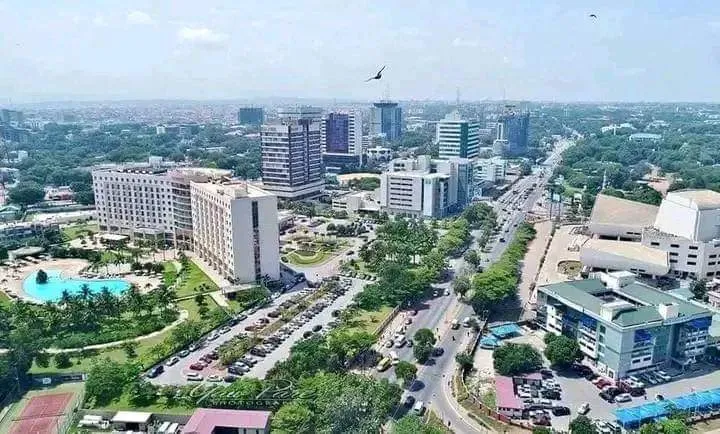
Crime and Pollution in Accra
The following data and statistics on crime, pollution, and overall safety in Accra are derived from a combination of trusted public sources and insights gathered from over 72 user contributions.This comprehensive approach helps provide a balanced view of the city's crime rates, environmental concerns, air quality, and public safety. By aggregating information from government reports, environmental studies, and direct feedback from residents, we aim offer an up-to-date and thorough analysis of key factors impacting quality of life in Accra.Crime Data in Accra
Crime Perception and Concerns
In 2024, Accra's crime data suggests a moderate level of safety with some areas of concern. The city has witnessed varied perceptions of safety among its residents, highlighting localized issues and overall moderate crime concerns.
Daytime safety is perceived as high, offering a sense of security to those navigating the city during the day. However, concerns increase when it comes to nighttime safety.
Some notable concerns include:
- Property CrimesProperty crimes, including theft and burglaries, are less of a concern for residents in Accra. The negative perception of property crimes suggests a reasonable level of control over such issues.
- Drug-Related IssuesDrug-related issues are perceived to be low, with residents indicating fewer concerns about the prevalence of drug-related crimes compared to other problems.
- Violent CrimesConcerns about violent crimes are relatively muted, yet they remain a consideration. The general perception points to such crimes being less of a threat than in other urban centers.
- Public SafetyPublic safety during the day is highly rated by residents, contributing to their confidence in the security environment. Nighttime, however, brings about increased caution and awareness among inhabitants.
Crime Trends and Safety
- Rising Crime ConcernsThough there's a sense of an increase in crime, this concern is relatively moderate. Rising crime worries are often linked to broader issues of economic disparity and localized crime spikes.
- Specific FearsSpecific fears related to racial, ethnic, or religious targeting are significantly low, reflecting a multicultural and inclusive urban environment. Concerns around public insult and personal threats are minimal.
Pollution Data in Accra
Air Quality and Pollution Levels
Accra faces significant challenges with air quality and pollution in 2024. High levels of particulate matter place the city in a concerning pollution category, impacting the overall living standards.
Residents express dissatisfaction with air quality, largely due to urban congestion and industrial activities contributing to high pollution levels.
- PM2.5 (Fine Particulate Matter)The PM2.5 levels in Accra are alarmingly high, posing health risks, particularly for vulnerable population groups such as children and the elderly.
- PM10 (Coarse Particulate Matter)The PM10 concentrations are substantially elevated, further exacerbating pollution challenges. These levels suggest a pressing need for effective pollution control strategies.
Waste and Noise Pollution
Noise pollution is notably high, with major urban areas experiencing considerable disturbances. This issue detracts from Accra's overall quality of life.
Waste management is another significant problem, with residents expressing strong dissatisfaction with garbage disposal practices and the resulting negative impacts on cleanliness.
- Garbage Disposal SatisfactionSatisfaction with garbage disposal is extremely low, with systemic challenges in waste management contributing to negative perceptions of cleanliness.
- Noise and Light PollutionNoise pollution is pronounced, particularly in densely populated areas, affecting daily life and contributing to stress among residents.
Green Spaces and Water Quality
Green spaces in Accra are limited, and residents rate the quality negatively. This reflects the need for more recreational areas to improve urban livability.
While there are significant issues with water pollution, the presence of water bodies remains a critical resource that requires careful management to ensure sustainable urban living.
- Green and Parks QualityGreen spaces and parks are poorly rated, emphasizing the need for increased investment in urban green infrastructure to enhance environmental and recreational benefits.
- Drinking Water QualityConcerns about drinking water quality and accessibility are high, underscoring the necessity for improved water treatment and distribution systems.