Quality of life in Aruba
Cost of Living, Healthcare, Safety, Education, and More
About Aruba
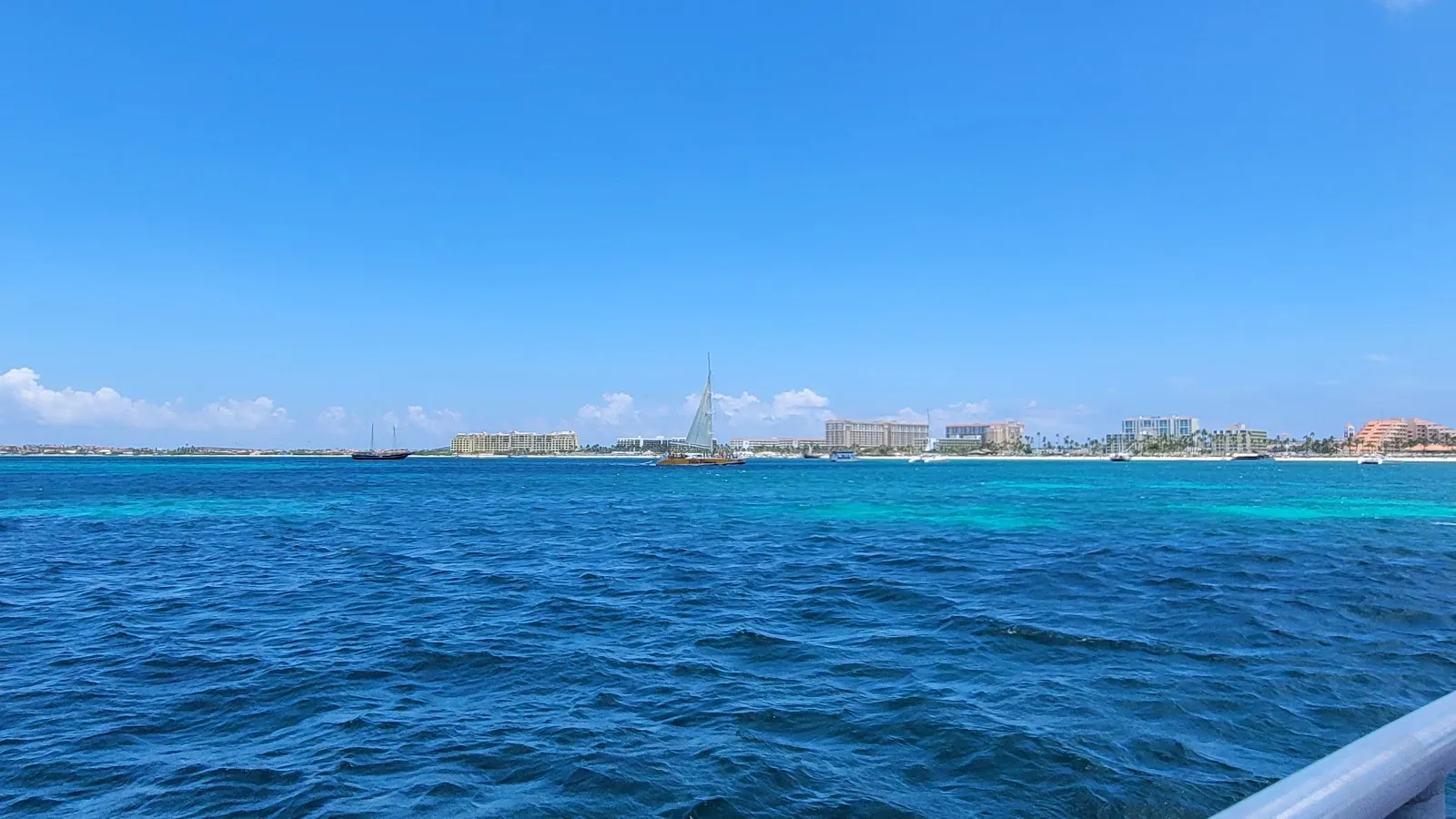
Aruba, a picturesque island in the Caribbean, is renowned for its stunning beaches, vibrant culture, and welcoming atmosphere. As a constituent country of the Kingdom of the Netherlands, Aruba offers a unique blend of European and Caribbean influences that shape its cultural and social landscape.The island is a popular tourist destination, attracting visitors with its year-round sunny weather, crystal-clear waters, and diverse marine life. Aruba's economy is heavily reliant on tourism, which has fostered a dynamic hospitality industry and a range of recreational activities for visitors and locals alike.


History and Culture
Aruba's history is rich and varied, beginning with its indigenous Arawak roots. The island was first inhabited by the Caquetio Indians, a branch of the Arawak tribe, who left behind petroglyphs and other archaeological evidence of their presence.
In 1499, Spanish explorer Alonso de Ojeda claimed Aruba for Spain, marking the beginning of European influence. The island later came under Dutch control in 1636, a status it maintains to this day as part of the Kingdom of the Netherlands.
Aruba's culture is a vibrant tapestry woven from its diverse heritage. The island celebrates a mix of Dutch, African, and indigenous influences, evident in its language, music, and festivals. Papiamento, a Creole language with roots in Portuguese, Spanish, Dutch, and African languages, is widely spoken alongside Dutch and English.
Cultural institutions such as the National Archaeological Museum and the Aruba Art Fair highlight the island's artistic and historical significance. Festivals like Carnival and the Dande Festival showcase Aruba's lively spirit and community pride, drawing participants from across the island and beyond.
Things to do in Aruba
Aruba offers a plethora of activities for visitors to enjoy. The island's pristine beaches, such as Eagle Beach and Palm Beach, are perfect for sunbathing, swimming, and water sports. Snorkeling and diving enthusiasts can explore the vibrant coral reefs and shipwrecks that surround the island.
For those interested in cultural experiences, the capital city of Oranjestad boasts colorful Dutch colonial architecture and a variety of museums and galleries. The Bon Bini Festival, held weekly, provides a taste of local music, dance, and cuisine.
Outdoor adventurers can explore Arikok National Park, which covers nearly 20% of the island and offers hiking trails, unique geological formations, and indigenous wildlife. The park is also home to the historic Bushiribana Gold Mill Ruins and the Natural Pool, a secluded swimming spot surrounded by rugged terrain.
Weather in Aruba
Aruba, Aruba experiences a tropical marine climate characterized by warm temperatures year-round, with minimal seasonal variation. The island is known for its constant trade winds, which help moderate the heat. Aruba receives an average annual precipitation of approximately 20 inches (500 mm), with November being the wettest month, averaging about 3 inches (75 mm) of rainfall.
Seasonal Breakdown
- Spring (March to May)Temperatures remain consistently warm, with average highs around 88°F (31°C) and lows around 77°F (25°C). Rainfall is relatively low, with occasional showers, averaging about 1.5 inches (38 mm) per month.
- Summer (June to August)The hottest months, with average highs around 89°F (32°C) and lows around 78°F (26°C). Rainfall remains low, averaging about 1 inch (25 mm) per month, and the trade winds provide a cooling effect.
- Autumn (September to November)Temperatures remain steady, with average highs around 88°F (31°C) and lows around 78°F (26°C). Rainfall increases, particularly in November, which is the wettest month, averaging about 3 inches (75 mm).
- Winter (December to February)Temperatures are slightly cooler, with average highs around 86°F (30°C) and lows around 76°F (24°C). Rainfall decreases, averaging about 2 inches (50 mm) per month.
Notable Weather Events
- Occasional tropical storms or hurricanes, although Aruba is generally outside the main hurricane belt.
- Persistent trade winds that provide a cooling effect year-round.
- Rare heavy rainfall events during the wettest months, particularly in November.
Aruba's Political Climate
Aruba, a constituent country of the Kingdom of the Netherlands, is known for its stable political climate and democratic governance. The island operates under a parliamentary representative democracy, with the Prime Minister serving as the head of government. Aruba's political landscape is characterized by a multi-party system, with the Aruban People's Party (AVP) and the People's Electoral Movement (MEP) being the dominant parties.
Historically, Aruba has maintained a strong relationship with the Netherlands, which influences its political and economic policies. The island's political leadership focuses on tourism, which is a major economic driver, while also addressing issues such as sustainable development and environmental conservation. Recent political efforts have been directed towards enhancing social welfare programs and improving infrastructure.
Aruba has been proactive in implementing progressive policies, particularly in the areas of renewable energy and environmental protection. The government has set ambitious goals to transition to a more sustainable energy model, aiming to reduce dependency on fossil fuels. Social justice initiatives, including efforts to improve healthcare and education, are also key components of the political agenda.
The political climate in Aruba significantly impacts its economic and social policies, with a strong emphasis on maintaining a balance between development and conservation. The island's leadership is committed to fostering a politically stable environment that supports economic growth while ensuring the well-being of its citizens.
Political Quick Facts
- Voter TurnoutApproximately 85% in recent elections
- City GovernanceParliamentary representative democracy
- CompositionMixed representation from AVP, MEP, and other smaller parties
- Recent Political ChangesIncreased focus on sustainable energy policies and social welfare programs
- EngagementHigh level of civic engagement and voter participation
- Political ScorecardHigh ratings for governance and transparency
- Legislative PrioritiesSustainable energy transition Social welfare enhancement Tourism development
- Public OpinionGenerally supportive of progressive policies and sustainable development
Notable Political Figures
- Evelyn Wever-CroesPrime Minister of Aruba and leader of the People's Electoral Movement (MEP)
- Mike EmanFormer Prime Minister and leader of the Aruban People's Party (AVP)
- Rudy LampeLeader of the RED party, known for advocating environmental policies