
Quality of life in Dee Why
Cost of Living, Healthcare, Safety, Education, and More
About Dee Why
Dee Why, located in the Northern Beaches region of Sydney, Australia, is a vibrant coastal suburb known for its stunning beaches and relaxed lifestyle. As a part of the greater Sydney area, Dee Why offers a unique blend of urban convenience and natural beauty, making it a popular destination for both locals and tourists.The suburb is characterized by its diverse community and thriving local economy, with a strong emphasis on outdoor activities and beach culture. Dee Why's proximity to Sydney's central business district also makes it an attractive location for professionals seeking a balanced lifestyle.


History and Culture
Dee Why has a rich history that dates back to the early 19th century when it was first settled by Europeans. The area was originally inhabited by the Guringai Aboriginal people, whose presence is still acknowledged and celebrated through various cultural initiatives and events.
The suburb's name, Dee Why, is believed to have originated from the letters 'DY' used by a surveyor in the 1820s to mark the area on a map. Over the years, Dee Why has evolved from a quiet coastal village into a bustling suburb, while still retaining its natural charm and beauty.
Culturally, Dee Why is a melting pot of influences, with a vibrant arts scene and numerous cultural events held throughout the year. The Dee Why RSL Club is a central hub for entertainment and community gatherings, offering a range of activities from live music to art exhibitions.
The suburb's ethnic diversity is reflected in its culinary offerings, with a wide array of restaurants and cafes serving cuisines from around the world. This cultural richness is further enhanced by local festivals and markets that celebrate the community's multicultural heritage.
Things to do in Dee Why
Dee Why is renowned for its beautiful beach, which is a popular spot for surfing, swimming, and sunbathing. The beach is complemented by a scenic promenade lined with cafes and restaurants, offering stunning views of the ocean.
For those interested in outdoor activities, Dee Why Lagoon and its surrounding bushland provide excellent opportunities for bird watching, hiking, and picnicking. The area is also home to several parks and playgrounds, making it ideal for families.
Cultural enthusiasts can explore the local arts scene through various galleries and community events. The annual Dee Why Jazz Festival is a highlight, attracting musicians and visitors from across the region.
Food lovers will enjoy the diverse dining options available in Dee Why, ranging from casual beachside eateries to fine dining establishments. The suburb's vibrant food scene is a testament to its multicultural community, offering a taste of global cuisines.
Quality of Life Rankings
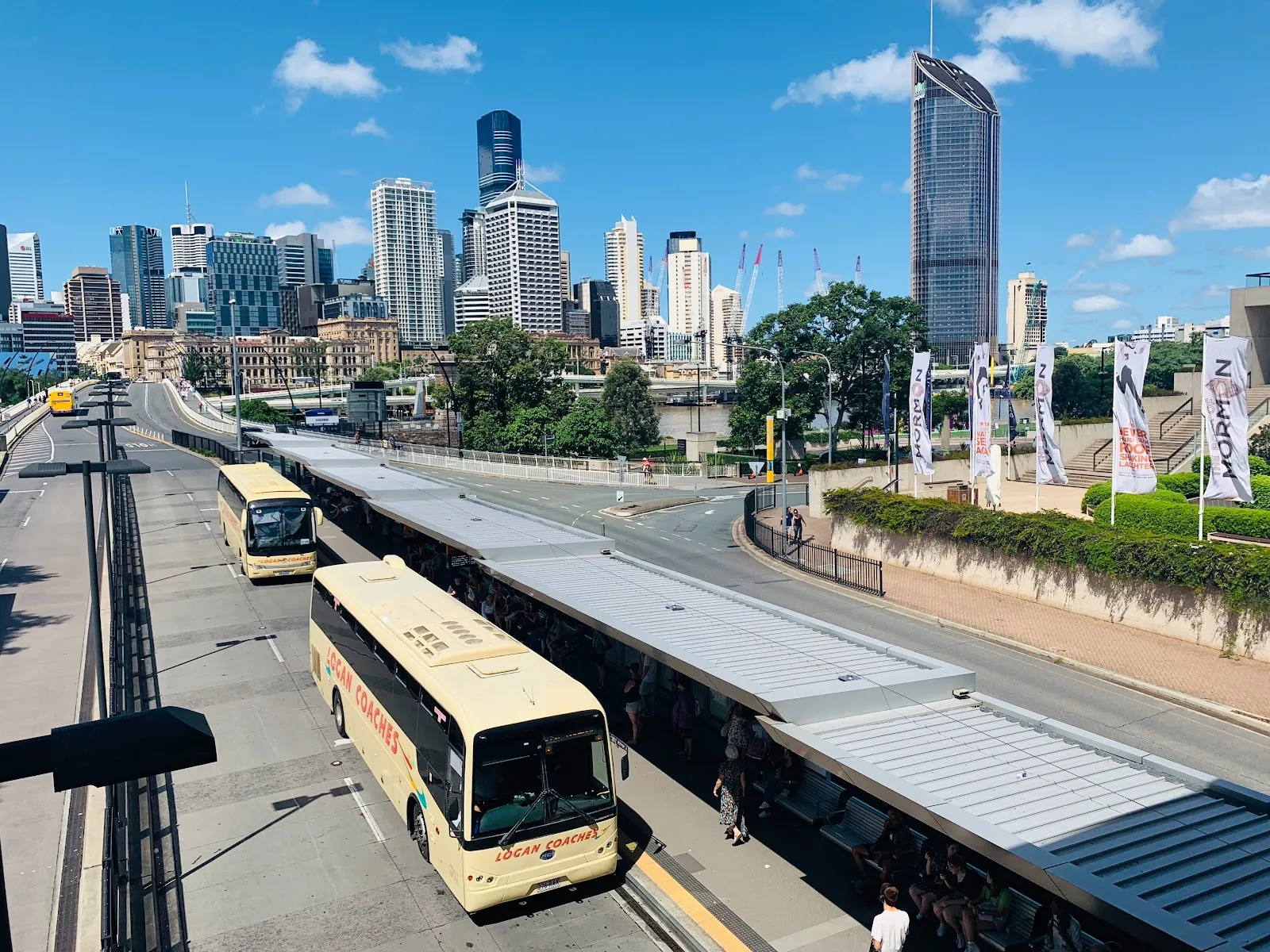
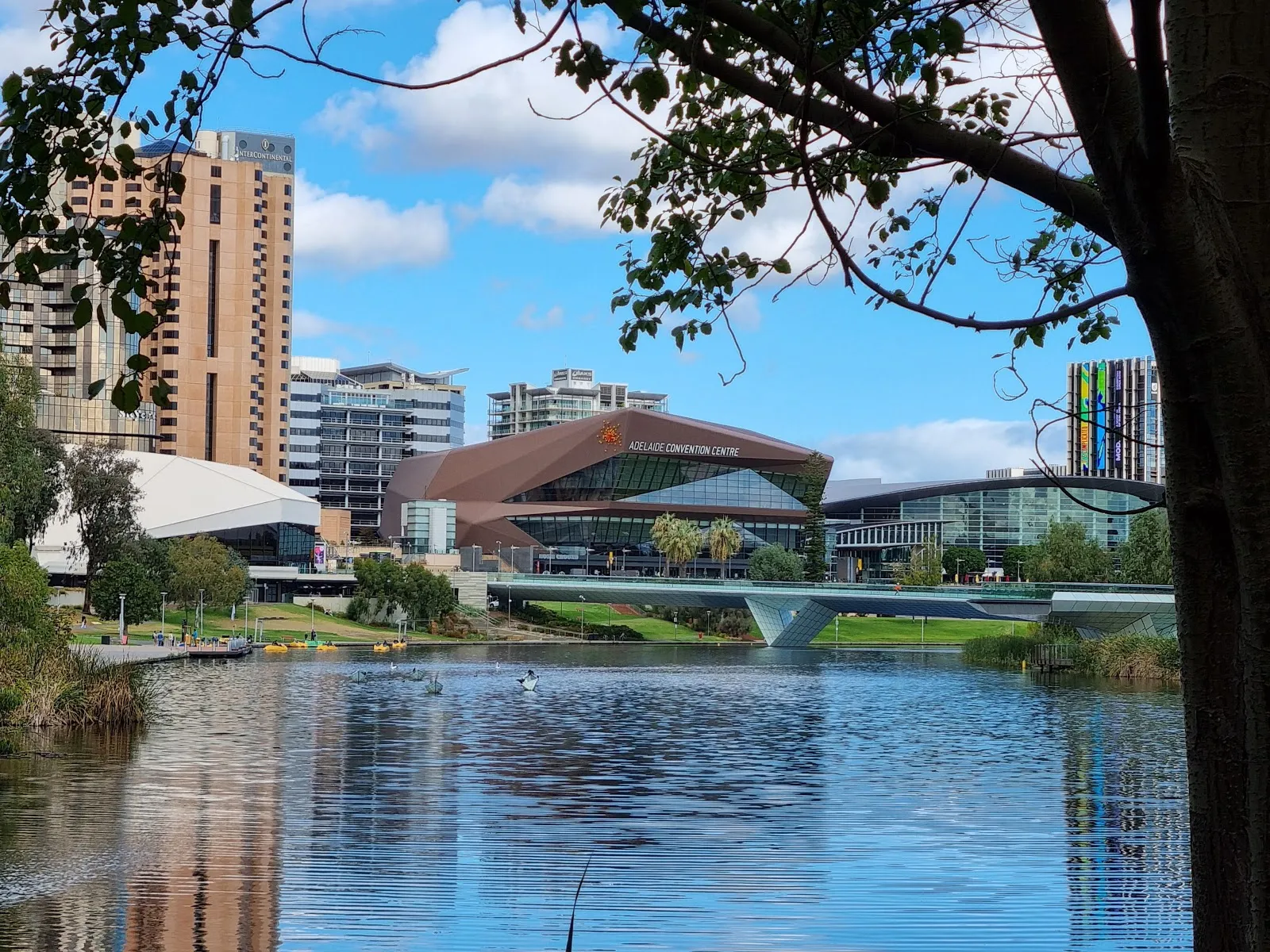
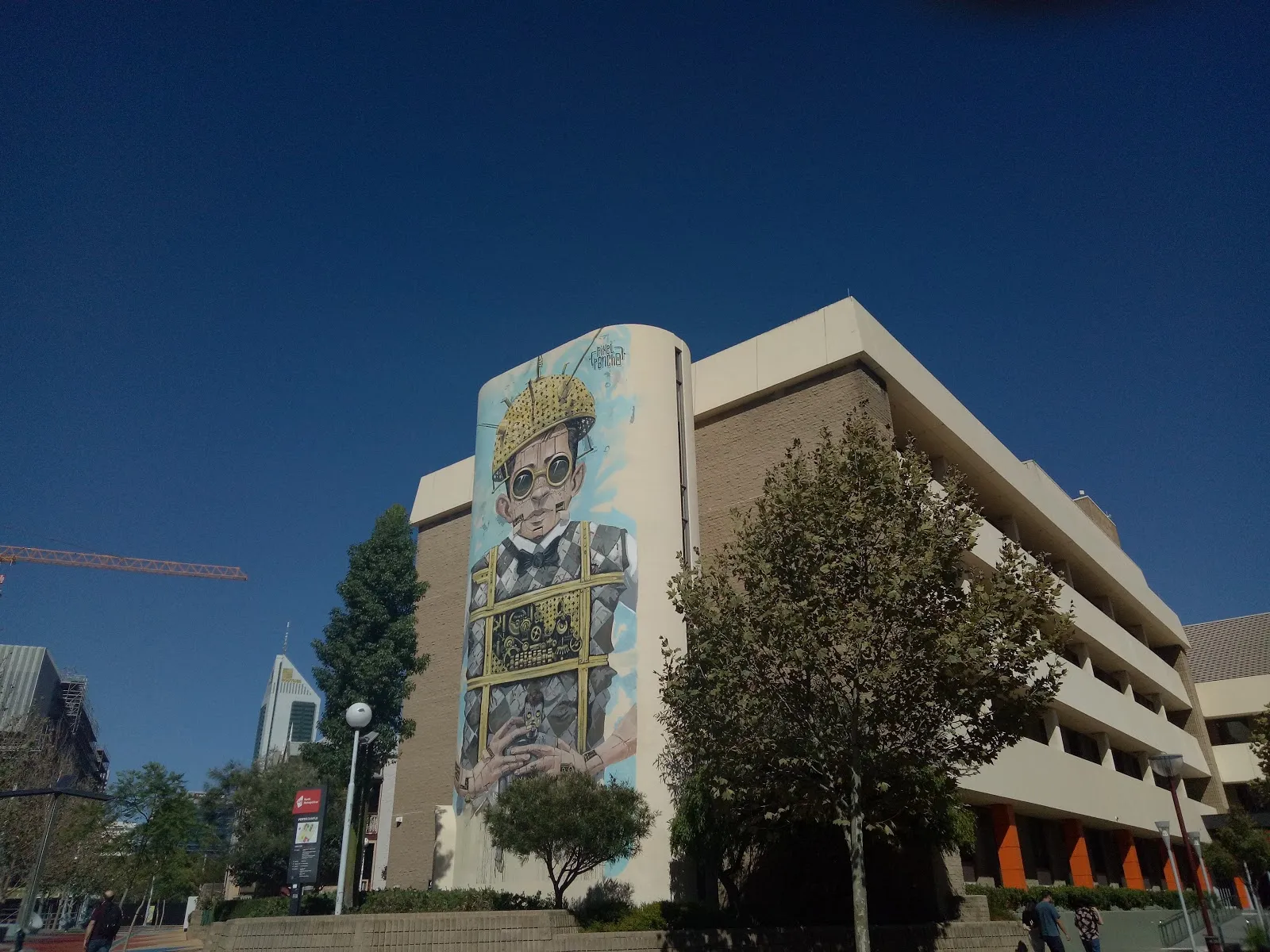
Weather in Dee Why
Dee Why, Australia experiences a temperate maritime climate characterized by mild, wet winters and warm, humid summers. The city receives an average annual precipitation of approximately 47 inches (1200 mm), with March being the wettest month, averaging around 5.5 inches (140 mm) of rainfall.
Seasonal Breakdown
- Spring (September to November)Temperatures gradually rise from an average high of 70°F (21°C) in September to 77°F (25°C) in November. Rainfall is moderate, with November receiving the most precipitation, averaging around 4.7 inches (120 mm).
- Summer (December to February)The hottest months, with average highs ranging from 79°F (26°C) in December to 84°F (29°C) in January. Humidity is high, and rainfall is frequent, averaging around 4.3 inches (110 mm) per month.
- Autumn (March to May)Temperatures gradually decrease from an average high of 81°F (27°C) in March to 72°F (22°C) in May. March is the wettest month, with rainfall averaging around 5.5 inches (140 mm).
- Winter (June to August)The coldest period, with average highs ranging from 64°F (18°C) in June to 66°F (19°C) in August. Rainfall is moderate, averaging about 3.9 inches (100 mm) in July.
Notable Weather Events
- Occasional heatwaves during summer months.
- Heavy rainfall events, particularly in March.
- Mild coastal storms during the winter months.
Dee Why's Political Climate
Dee Why, located in Australia, is a vibrant suburb known for its dynamic political climate. As part of the Northern Beaches Council, Dee Why is governed by a local council that reflects a mix of political affiliations, often leaning towards progressive policies. The suburb is part of the larger Sydney metropolitan area, which influences its political landscape significantly.
Historically, Dee Why has been a hub for community activism, with residents actively participating in local governance and policy-making. The suburb's political leadership is focused on sustainability, with initiatives aimed at preserving the natural beauty of the beaches and promoting eco-friendly practices. Social justice and inclusivity are also high on the agenda, with efforts to ensure equitable access to resources and services for all residents.
In recent years, Dee Why has seen a surge in political engagement, driven by local movements advocating for climate action and improved public transport. These movements have shaped the suburb's policy directions, emphasizing the importance of environmental stewardship and community well-being. The political climate in Dee Why is characterized by a strong sense of community involvement, influencing decisions that impact economic growth and social cohesion.
Political Quick Facts
- Voter Turnout68%
- City GovernanceLocal council under Northern Beaches Council
- CompositionMixed, with a slight progressive majority
- Recent Political ChangesIncreased focus on climate action and public transport improvements
- EngagementHigh, with active community participation in local issues
- Political ScorecardB+ for governance and transparency
- Legislative PrioritiesClimate action Public transport enhancement Social equity initiatives
- Public OpinionGenerally progressive, with strong support for environmental and social policies
Notable Political Figures
- Michael ReganMayor of Northern Beaches Council, known for his focus on sustainability and community engagement.
- Candy BinghamDeputy Mayor, advocate for public transport improvements and social equity.
- Sarah GrattanLocal councilor, active in promoting environmental initiatives and community well-being.