
Quality of life in Slutsk
Cost of Living, Healthcare, Safety, Education, and More
About Slutsk
Slutsk, a city in Belarus, is known for its rich historical tapestry and cultural significance. Nestled in the heart of the country, it serves as a vibrant hub for both traditional and modern influences. The city is renowned for its historical landmarks and a strong sense of community that reflects the warmth and hospitality of its residents.In recent years, Slutsk has seen a resurgence in cultural activities and local initiatives aimed at preserving its heritage while embracing new trends. This blend of old and new makes Slutsk a unique destination for visitors and a charming place for its residents.


History and Culture
Slutsk has a storied history that dates back to the 12th century, making it one of the oldest cities in Belarus. It played a significant role during the Grand Duchy of Lithuania and later under the Polish-Lithuanian Commonwealth. The city was a center of trade and craftsmanship, particularly known for its production of Slutsk belts, which were highly prized in the 18th century.
The cultural landscape of Slutsk is deeply influenced by its diverse population, which includes Belarusians, Poles, Jews, and other ethnic groups. This diversity has enriched the city's cultural fabric, contributing to a variety of traditions and customs that are celebrated throughout the year.
Notable cultural institutions in Slutsk include the Slutsk Museum of Local Lore, which offers insights into the city's past, and the Slutsk Art Gallery, showcasing works by local artists. The city also hosts several festivals, such as the Slutsk Belt Festival, celebrating the city's historical craftsmanship.
Things to do in Slutsk
Visitors to Slutsk can explore a range of attractions and activities that highlight the city's historical and cultural offerings. The Slutsk Museum of Local Lore is a must-visit for history enthusiasts, providing a comprehensive look at the city's past.
For those interested in architecture, the Church of St. Michael the Archangel is a stunning example of Baroque architecture and a testament to the city's religious heritage. Additionally, the Slutsk Art Gallery offers a glimpse into the local art scene, featuring works by contemporary Belarusian artists.
Outdoor enthusiasts can enjoy the scenic beauty of the surrounding countryside, with opportunities for hiking and exploring the natural landscapes. The city also offers a variety of local dining experiences, where visitors can savor traditional Belarusian cuisine.
Quality of Life Rankings
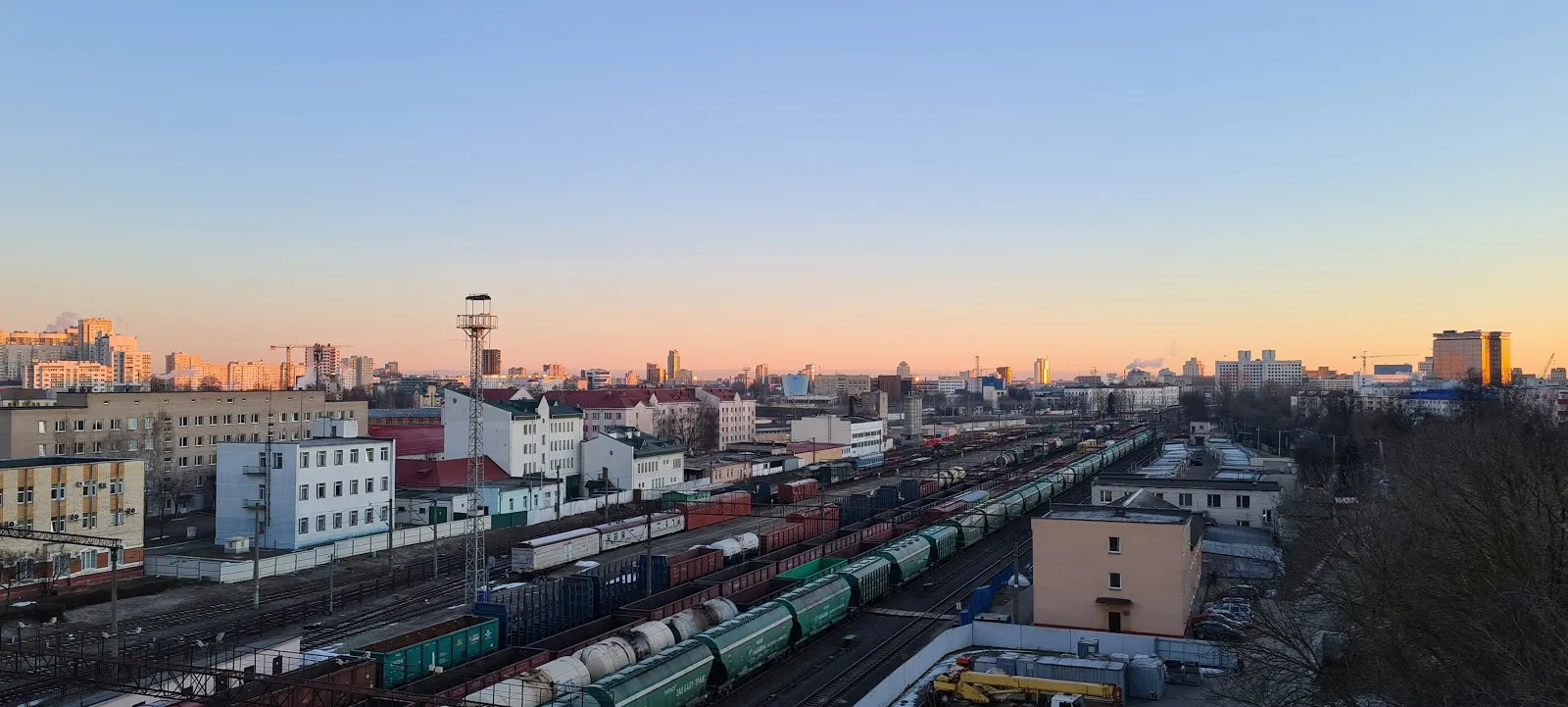
Weather in Slutsk
Slutsk, Belarus experiences a humid continental climate characterized by cold, snowy winters and warm, humid summers. The city receives an average annual precipitation of approximately 24 inches (600 mm), with July being the wettest month, averaging around 3.5 inches (90 mm) of rainfall.
Seasonal Breakdown
- Spring (March to May)Temperatures gradually rise from an average high of 41°F (5°C) in March to 64°F (18°C) in May. Rainfall increases during this period, with May receiving significant precipitation, averaging around 2.5 inches (65 mm).
- Summer (June to August)The hottest months, with average highs ranging from 72°F (22°C) in June to 75°F (24°C) in July. Rainfall is relatively high, averaging around 3.5 inches (90 mm) per month, with July being the wettest month.
- Autumn (September to November)Temperatures gradually decrease from an average high of 66°F (19°C) in September to 41°F (5°C) in November. Rainfall remains moderate, averaging around 2 inches (50 mm) per month.
- Winter (December to February)The coldest period, with average highs ranging from 30°F (-1°C) in December to 28°F (-2°C) in February. Snowfall is common, especially in January, averaging about 8 inches (200 mm) of snow.
Notable Weather Events
- Occasional heatwaves during summer months.
- Heavy snowfall and cold snaps during winter.
- Frequent thunderstorms in late spring and summer.
Slutsk's Political Climate
Slutsk, a city in Belarus, is characterized by a political climate that reflects the broader national context of centralized governance under the leadership of President Alexander Lukashenko. The city, like much of Belarus, operates under a system where the central government exerts significant influence over local affairs. This centralized control often limits the autonomy of local governments, including that of Slutsk, in making independent policy decisions.
Historically, Slutsk has been part of the broader political narrative of Belarus, which has seen limited political pluralism and a strong emphasis on maintaining the status quo. The political leadership in Slutsk is typically aligned with the national government, and there is a focus on stability and continuity rather than radical reforms. Key political issues in Slutsk often mirror those at the national level, including economic management, social welfare, and infrastructure development.
In recent years, Belarus, including cities like Slutsk, has seen some public demonstrations and calls for political reform, particularly around election periods. However, these movements have faced significant challenges due to the government's tight control over political activities. Despite these challenges, there are ongoing discussions about improving local governance and increasing civic engagement.
Slutsk's political climate influences its economic and social policies, with a focus on maintaining economic stability and providing social services. Environmental policies are also shaped by national directives, with local initiatives often aimed at aligning with broader sustainability goals set by the government.
Political Quick Facts
- Voter TurnoutApproximately 84% in recent elections
- City GovernanceCentralized governance with limited local autonomy
- CompositionMajority pro-government representatives
- Recent Political ChangesIncreased public demonstrations calling for political reform
- EngagementModerate, with some civic activism
- Political ScorecardLow on political pluralism and transparency
- Legislative PrioritiesEconomic stability Social welfare enhancement Infrastructure development
- Public OpinionGenerally supportive of stability, with some calls for reform
Notable Political Figures
- Alexander LukashenkoPresident of Belarus, influential in local politics
- Natalia KochanovaChairwoman of the Council of the Republic, involved in national and local governance
- Vladimir MakeiFormer Minister of Foreign Affairs, known for his role in international relations
- Igor SergeyenkoHead of the Presidential Administration, influential in policy implementation
- Anatoly SivakChairman of the Minsk City Executive Committee, involved in regional development