Traffic in Bento Gonçalves
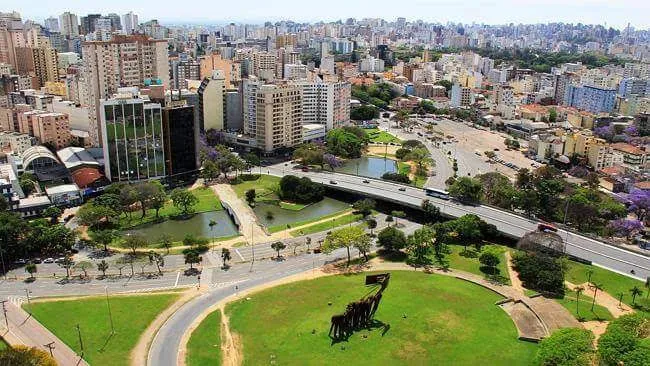
In Bento Gonçalves, Brazil, cars dominate the transportation landscape, with 100% of commuters relying on them for their daily travel.Despite the heavy reliance on cars, the average commute time remains relatively low, indicating efficient traffic flow within the city.Average Commute Times
The average commute time in Bento Gonçalves is 8 minutes, with most of this time spent driving.
- Car - Car commuters spend about 6 minutes driving and 2 minutes walking, covering an average distance of 2 kilometers.
Traffic Breakdown
Traffic Data
Overall average travel
Average when primarily using Car
More Information
Seasonal Trends
Traffic tends to increase during the grape harvest season, impacting commute times.
Holiday seasons see a rise in traffic as tourists visit the region's wineries.
Commuter Pain Points
Limited public transportation options force reliance on cars.
Traffic congestion can occur during peak tourist seasons.
Best Travel Times
Early mornings and late evenings are the best times to avoid traffic congestion.
Weekdays typically have smoother traffic flow compared to weekends.
Event Impacts
Public events like the Wine Festival can significantly increase traffic congestion.
Planning travel around major events can help avoid delays.
Sustainability Efforts
The city is exploring initiatives to promote cycling and walking to reduce car dependency.
Efforts are underway to improve public transportation infrastructure.
Ride-Sharing Impact
Ride-sharing services are gaining popularity, offering alternatives to car ownership.
These services help reduce the number of vehicles on the road, easing congestion.