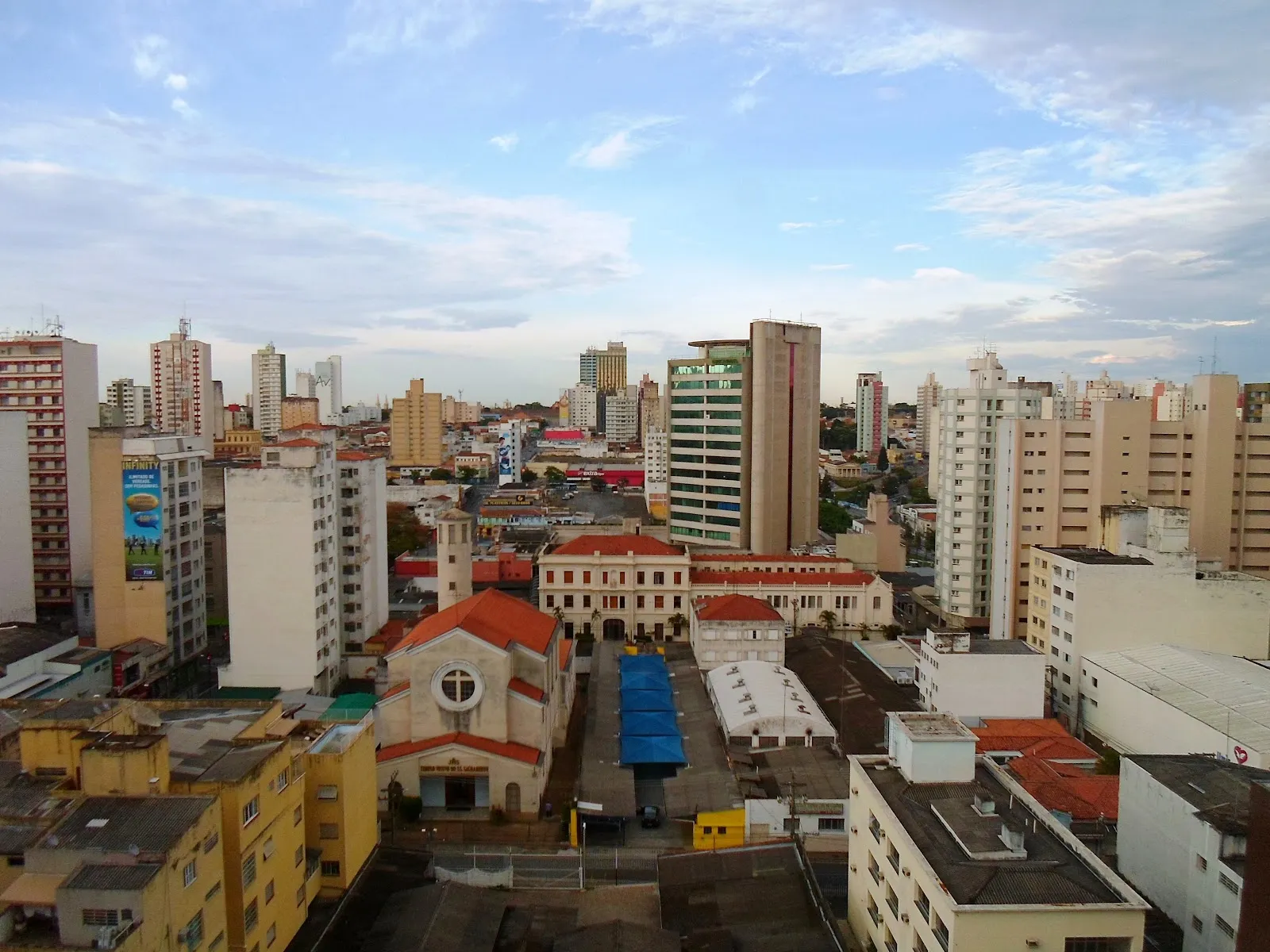
Traffic in Caieiras
Caieiras, a city in Brazil, presents a unique transportation landscape with its current traffic data showing zero usage across all traditional modes of transport.This indicates either a lack of data or a potential shift towards non-traditional commuting methods, such as remote work or emerging transport technologies.Average Commute Times
More Information
Seasonal Trends
Caieiras experiences varying traffic patterns throughout the year, with potential increases during holiday seasons and local festivals.
Understanding these trends can help in planning infrastructure improvements and managing congestion.
Commuter Pain Points
Commuters in Caieiras may face challenges due to limited public transport options and potential data gaps.
Improving public transport infrastructure and data accuracy can alleviate these issues.
Best Travel Times
Early mornings and late evenings are generally the best times to travel in Caieiras to avoid potential congestion.
Planning travel during off-peak hours can lead to a more efficient commute.
Event Impacts
Public events in Caieiras can significantly impact traffic, leading to increased congestion and longer travel times.
Coordinating with event organizers can help mitigate traffic disruptions.
Sustainability Efforts
Caieiras is exploring sustainability initiatives to reduce traffic congestion and emissions, focusing on green transport solutions.
Investments in cycling infrastructure and electric vehicle incentives are part of the city's long-term sustainability strategy.
Ride-Sharing Impact
Ride-sharing services are gradually influencing traffic patterns in Caieiras, offering flexible commuting options.
These services can help reduce the number of private vehicles on the road, contributing to lower emissions and congestion.