
Quality of life in Duque de Caxias
Cost of Living, Healthcare, Safety, Education, and More
About Duque de Caxias
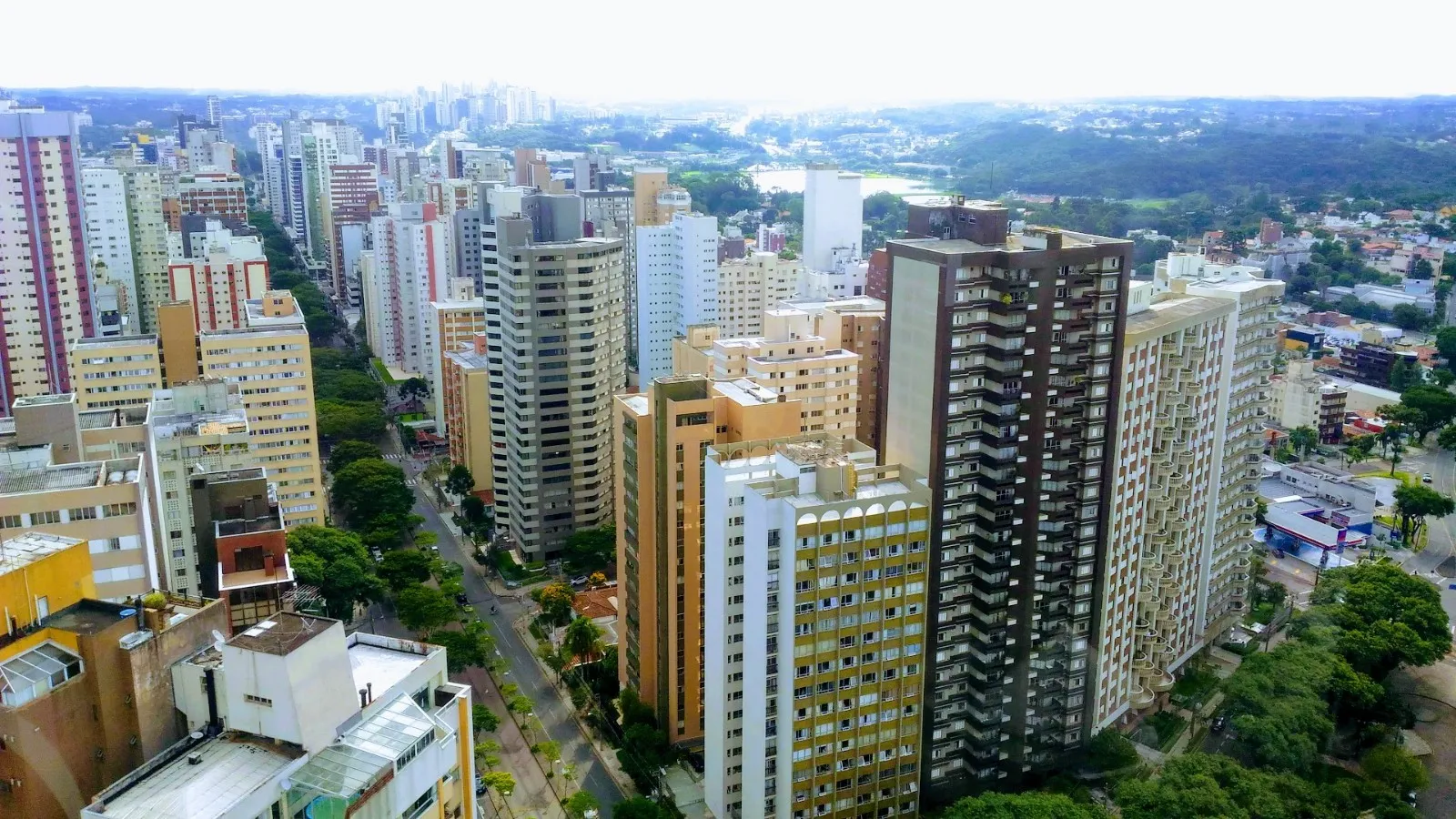
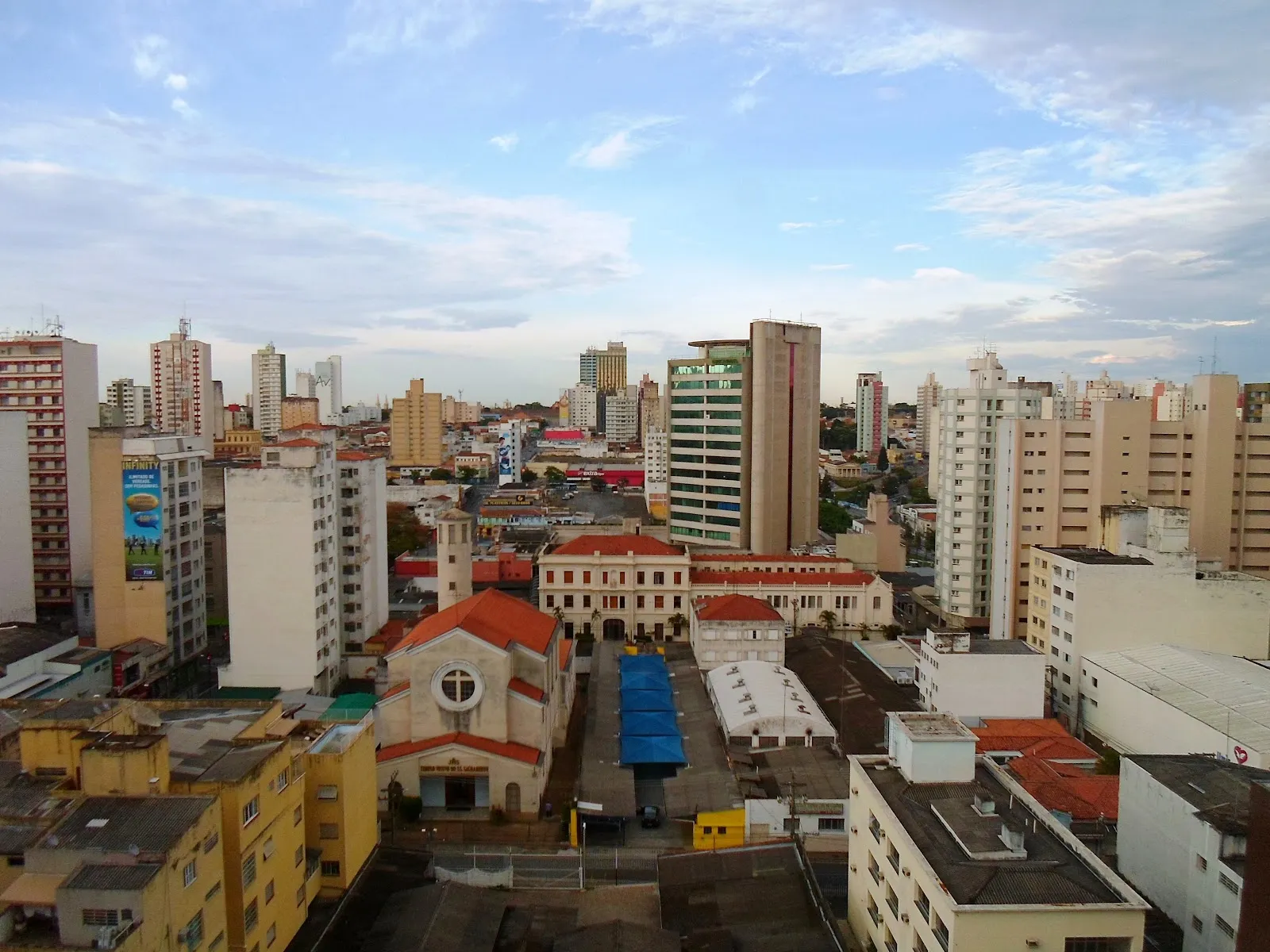
Duque de Caxias, located in the state of Rio de Janeiro, Brazil, is a city known for its industrial prowess and cultural richness. As one of the most populous cities in the state, it plays a significant role in the economic landscape of the region. The city is characterized by its vibrant community life and a blend of urban and suburban environments.In recent years, Duque de Caxias has seen a surge in cultural activities and infrastructural development, making it an attractive destination for both residents and visitors. The city's strategic location near Rio de Janeiro enhances its appeal, offering easy access to the bustling metropolis while maintaining its unique local charm.


History and Culture
Duque de Caxias has a rich history that dates back to its founding in the early 20th century. Named after the Brazilian military leader and patron of the army, Luís Alves de Lima e Silva, the city has grown from a small settlement into a major industrial hub. Its development was significantly influenced by the expansion of the railway system, which facilitated the movement of goods and people.
Culturally, Duque de Caxias is a melting pot of traditions and influences, reflecting the diverse backgrounds of its inhabitants. The city hosts numerous cultural institutions, including theaters and museums, which celebrate its artistic heritage. Local festivals and events, such as the annual Carnival, showcase the vibrant spirit and creativity of its people.
The city's ethnic diversity is evident in its culinary scene, where a variety of flavors and cuisines can be explored. This diversity is also reflected in the local music and dance traditions, which are integral to the city's cultural identity.
Things to do in Duque de Caxias
Visitors to Duque de Caxias can enjoy a wide range of activities and attractions. The city is home to several parks and green spaces, perfect for outdoor enthusiasts looking to explore nature. The Parque Natural Municipal da Taquara is a popular spot for hiking and picnicking, offering scenic views and a tranquil environment.
For those interested in history and culture, the Museu Ciência e Vida provides an insightful look into the scientific and cultural developments of the region. The city's vibrant arts scene can be experienced through local theaters and galleries, which host a variety of performances and exhibitions throughout the year.
Food lovers will appreciate the diverse culinary offerings in Duque de Caxias, from traditional Brazilian dishes to international cuisine. The city's markets and restaurants provide a taste of the local flavors, making it a must-visit for gastronomic exploration.
Quality of Life Rankings

Weather in Duque de Caxias
Duque de Caxias, Brazil experiences a tropical climate characterized by warm temperatures throughout the year and a distinct wet and dry season. The city receives an average annual precipitation of approximately 55 inches (1400 mm), with December being the wettest month, averaging around 8 inches (200 mm) of rainfall.
Seasonal Breakdown
- Spring (September to November)Temperatures gradually rise from an average high of 80°F (27°C) in September to 85°F (29°C) in November. Rainfall begins to increase, with November receiving significant precipitation, averaging around 6 inches (150 mm).
- Summer (December to February)The hottest months, with average highs ranging from 88°F (31°C) in December to 90°F (32°C) in February. This period is also the wettest, with December being the peak of the rainy season, averaging around 8 inches (200 mm) of rainfall.
- Autumn (March to May)Temperatures remain warm, with average highs decreasing slightly from 87°F (31°C) in March to 82°F (28°C) in May. Rainfall starts to decrease, with May being relatively drier, averaging around 3 inches (75 mm).
- Winter (June to August)The coolest period, with average highs ranging from 78°F (26°C) in June to 80°F (27°C) in August. Rainfall is at its lowest, averaging about 2 inches (50 mm) per month.
Notable Weather Events
- Heavy rainfall and occasional flooding during the summer months.
- High humidity levels throughout the year.
- Occasional heatwaves during the peak of summer.
Duque de Caxias's Political Climate
Duque de Caxias, located in the state of Rio de Janeiro, Brazil, is a city with a dynamic political climate that reflects the broader political trends of the country. The city is governed by a mayor-council system, where the mayor holds significant executive power. The political landscape in Duque de Caxias is characterized by a mix of traditional political parties and emerging movements that reflect the diverse socio-economic fabric of the city.
Historically, Duque de Caxias has been a stronghold for centrist and right-leaning political parties, with a focus on economic development and infrastructure improvement. The current political leadership is keen on addressing urban challenges such as public transportation, housing, and public safety. In recent years, there has been a growing emphasis on social policies aimed at reducing inequality and improving the quality of life for its residents.
The city has implemented several progressive policies, particularly in the areas of environmental sustainability and social justice. Initiatives to improve waste management and promote renewable energy sources are underway, reflecting a commitment to sustainable urban development. Additionally, there are ongoing efforts to enhance social inclusion through education and healthcare reforms.
Duque de Caxias' political climate significantly influences its economic and social policies. The city's leadership is focused on fostering economic growth while ensuring that development is inclusive and equitable. Recent political events, such as local protests advocating for better public services and transparency, have highlighted the active civic engagement of its residents.
Political Quick Facts
- Voter Turnout68%
- City GovernanceMayor-council system
- CompositionMajority centrist with a significant right-leaning minority
- Recent Political ChangesIncreased focus on transparency and anti-corruption measures
- EngagementHigh, with active participation in local governance and community initiatives
- Political ScorecardModerate, with room for improvement in transparency and public service delivery
- Legislative PrioritiesInfrastructure development Social inequality reduction Environmental sustainability
- Public OpinionResidents generally support policies that promote economic growth and social equity, with a strong emphasis on improving public services.
Notable Political Figures
- Washington ReisFormer mayor known for his focus on infrastructure and economic development.
- ZitoInfluential political figure with a history of advocating for social justice and public safety.
- DicaLocal council member recognized for efforts in promoting education and healthcare reforms.