
Quality of life in Itapecerica da Serra
Cost of Living, Healthcare, Safety, Education, and More
About Itapecerica da Serra
Itapecerica da Serra, located in the state of São Paulo, Brazil, is a city that beautifully blends its rich cultural heritage with modern development. Known for its lush landscapes and vibrant community life, Itapecerica da Serra offers a unique blend of urban and rural experiences. The city is characterized by its strong community ties and a growing economy that is increasingly attracting new businesses and residents.In recent years, Itapecerica da Serra has seen a surge in cultural activities and events, reflecting its diverse population and dynamic cultural scene. The city is also becoming known for its commitment to sustainability and green initiatives, making it an attractive place for environmentally conscious individuals and families.


History and Culture
Itapecerica da Serra has a rich history that dates back to the colonial era. Originally inhabited by indigenous peoples, the area was later settled by Portuguese colonists. The city's name, derived from the Tupi language, reflects its indigenous roots and means 'slippery stone'.
Throughout its history, Itapecerica da Serra has played a significant role in the region's development, particularly in agriculture and trade. The city has preserved many of its historical buildings and sites, which offer a glimpse into its past and cultural evolution.
Culturally, Itapecerica da Serra is a melting pot of traditions and influences. The city hosts numerous festivals and events throughout the year, celebrating everything from traditional Brazilian music and dance to contemporary art and theater. Notable cultural institutions include local museums and art galleries that showcase the work of regional artists.
The city's ethnic diversity is one of its greatest strengths, with communities from various backgrounds contributing to a rich tapestry of cultural practices and traditions. This diversity is evident in the city's culinary scene, which offers a wide range of flavors and dishes from different parts of Brazil and the world.
Things to do in Itapecerica da Serra
Visitors to Itapecerica da Serra can enjoy a variety of activities and attractions. The city is surrounded by beautiful natural landscapes, making it an ideal destination for outdoor enthusiasts. Hiking and nature trails in the surrounding areas offer breathtaking views and opportunities to explore the local flora and fauna.
Cultural events are a highlight in Itapecerica da Serra, with annual festivals such as the Festa de Nossa Senhora dos Prazeres, which features traditional music, dance, and food. The city's vibrant arts scene includes local theaters and galleries that host performances and exhibitions throughout the year.
For those interested in history, the city's historical sites and museums provide insight into its colonial past and cultural heritage. Local markets and restaurants offer a taste of the region's culinary delights, with a focus on fresh, locally sourced ingredients.
Quality of Life Rankings
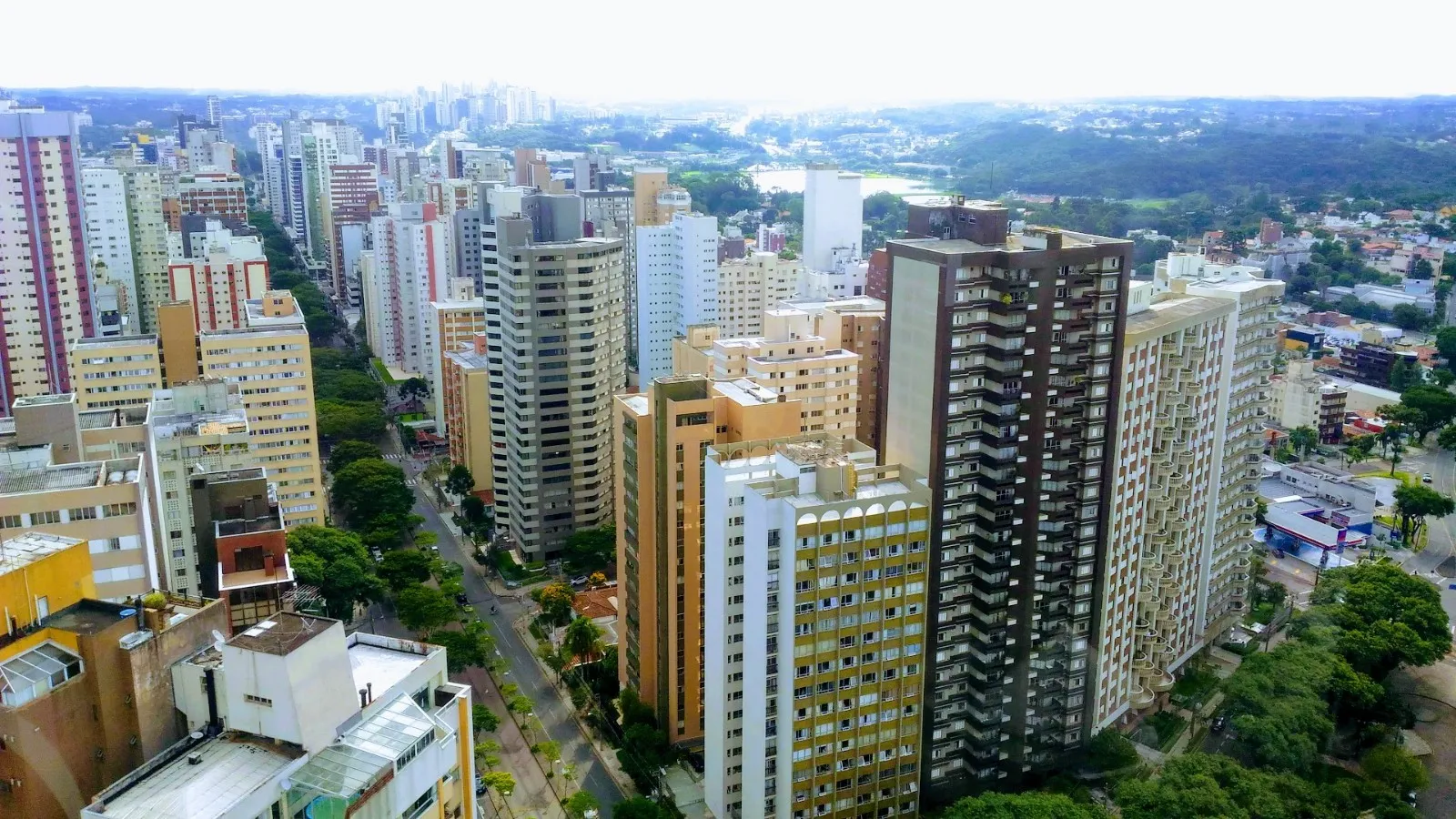
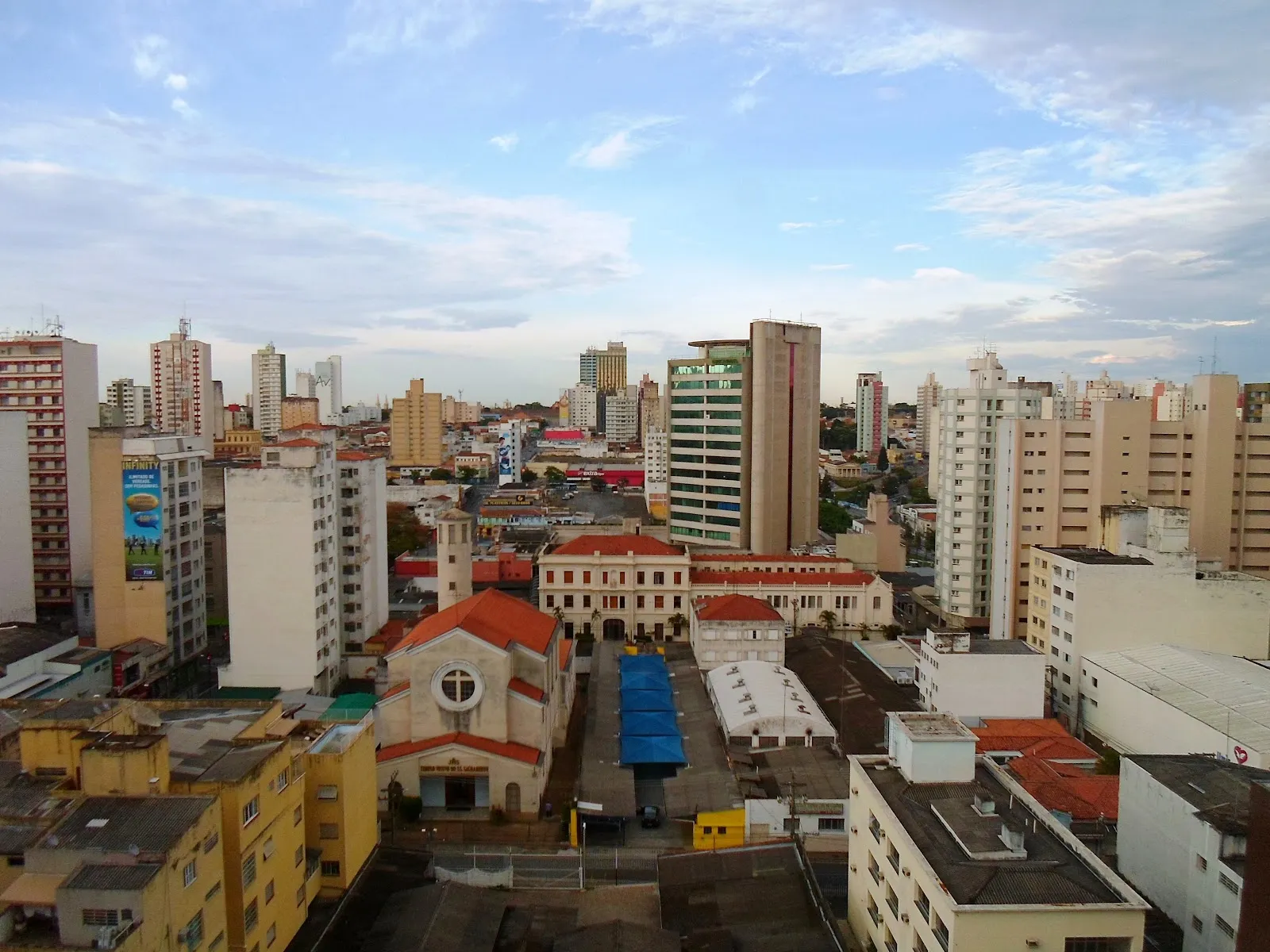
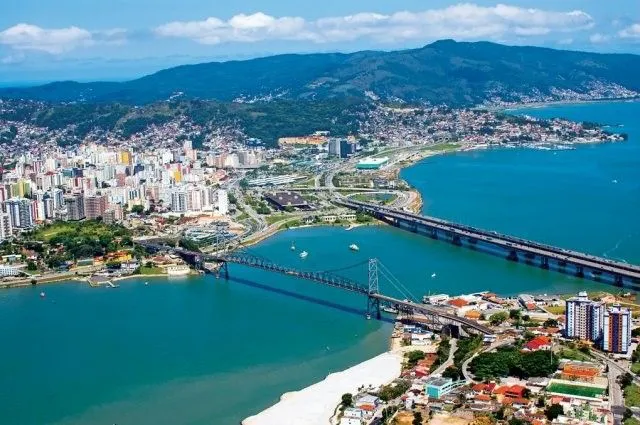
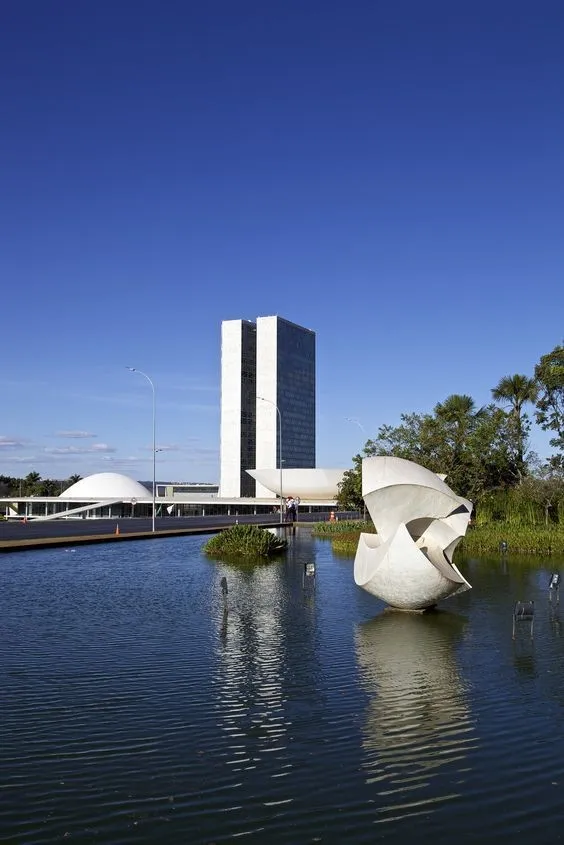

Weather in Itapecerica da Serra
Itapecerica da Serra, Brazil experiences a humid subtropical climate characterized by warm, wet summers and mild, dry winters. The city receives an average annual precipitation of approximately 55 inches (1400 mm), with January being the wettest month, averaging around 9 inches (230 mm) of rainfall.
Seasonal Breakdown
- Spring (September to November)Temperatures gradually rise from an average high of 75°F (24°C) in September to 80°F (27°C) in November. Rainfall begins to increase, with November receiving significant precipitation, averaging around 6 inches (150 mm).
- Summer (December to February)The hottest months, with average highs ranging from 82°F (28°C) in December to 85°F (29°C) in February. Rainfall is at its peak, especially in January, averaging around 9 inches (230 mm) per month.
- Autumn (March to May)Temperatures gradually decrease from an average high of 81°F (27°C) in March to 76°F (24°C) in May. Rainfall decreases during this period, averaging around 4 inches (100 mm) per month.
- Winter (June to August)The coldest period, with average highs ranging from 72°F (22°C) in June to 70°F (21°C) in August. Rainfall is minimal, averaging about 2 inches (50 mm) in July.
Notable Weather Events
- Heavy rainfall and thunderstorms during the summer months, particularly in January.
- Occasional cold fronts during winter, bringing cooler temperatures and rare frost.
Itapecerica da Serra's Political Climate
Itapecerica da Serra, located in Brazil, presents a dynamic political climate influenced by both local and national political trends. The city operates under a mayor-council government system, where the mayor holds significant executive power. Historically, Itapecerica da Serra has experienced a mix of political affiliations, with leadership often shifting between different parties, reflecting the broader political diversity of Brazil.
In recent years, the city has focused on progressive policies, particularly in areas such as environmental sustainability and social welfare. Efforts have been made to improve public transportation and reduce urban pollution, aligning with Brazil's national goals for sustainable development. Social justice initiatives are also prominent, with local government programs aimed at reducing inequality and improving access to education and healthcare.
The political climate in Itapecerica da Serra is also shaped by its economic strategies, which prioritize attracting investments and fostering local entrepreneurship. This economic focus is complemented by social policies that aim to enhance the quality of life for residents. The city's political landscape is further influenced by national political events, including shifts in federal policies and economic conditions.
Political Quick Facts
- Voter TurnoutApproximately 70%
- City GovernanceMayor-council government system
- CompositionMixed political affiliations, with a slight majority leaning towards progressive parties
- Recent Political ChangesIncreased focus on environmental policies and social welfare programs
- EngagementModerate to high, with active civic participation in local governance
- Political ScorecardRated positively for transparency and governance
- Legislative PrioritiesEnvironmental sustainability Social welfare enhancement Economic development
- Public OpinionGenerally progressive, with strong support for social and environmental initiatives
Notable Political Figures
- João SilvaCurrent mayor known for his focus on sustainability and social programs.
- Maria OliveiraCity council member advocating for educational reforms.
- Carlos MendesLocal activist and former council member, influential in social justice movements.