
Quality of life in Ribeirao Preto
Cost of Living, Healthcare, Safety, Education, and More
About Ribeirao Preto
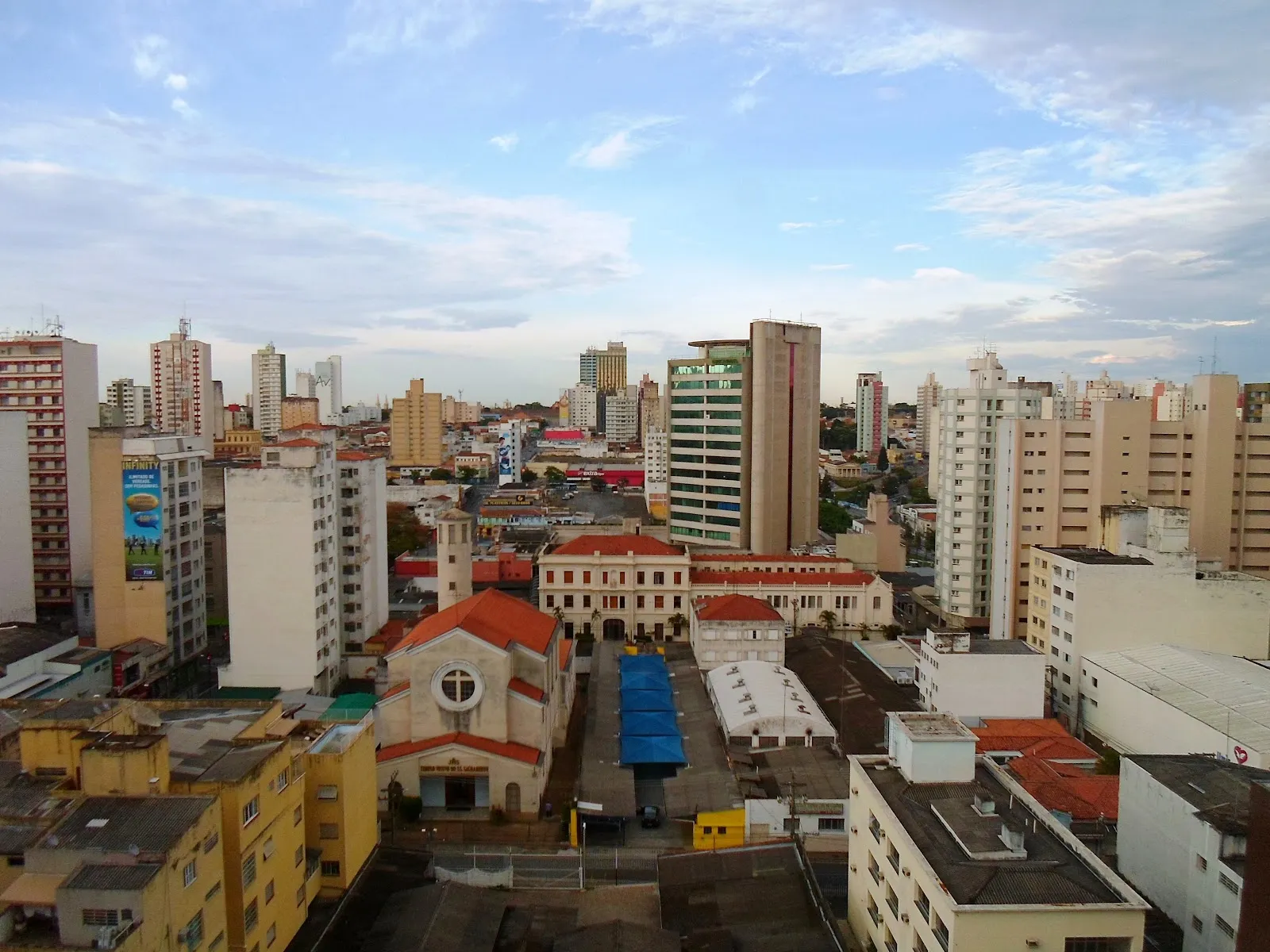
Ribeirao Preto, located in the heart of Brazil, is a city known for its vibrant culture and dynamic economy. Often referred to as the 'Brazilian California' due to its prosperous agricultural sector, Ribeirao Preto is a hub for sugarcane production and ethanol manufacturing. The city boasts a lively atmosphere with a blend of modernity and tradition, making it an attractive destination for both residents and visitors.In recent years, Ribeirao Preto has seen significant growth in its technology and service industries, contributing to its reputation as a burgeoning economic center. The city's educational institutions, including the renowned University of São Paulo campus, play a crucial role in fostering innovation and attracting young talent. With its warm climate and welcoming community, Ribeirao Preto offers a high quality of life, characterized by a rich cultural scene and numerous recreational opportunities.


History and Culture
Ribeirao Preto was founded in 1856 and quickly became a prominent agricultural center due to its fertile land and favorable climate. The city's early economy was driven by coffee plantations, which attracted a diverse population of immigrants, including Italians, Portuguese, and Japanese, each contributing to the city's cultural mosaic.
Throughout the 20th century, Ribeirao Preto evolved into a major industrial and commercial hub. The city's cultural landscape is enriched by its numerous theaters, museums, and galleries, such as the Pedro II Theater, which is a testament to its vibrant arts scene. The annual Agrishow, one of the largest agricultural technology fairs in the world, highlights the city's ongoing connection to its agricultural roots.
Ribeirao Preto is also known for its lively music scene, particularly in genres like samba and sertanejo, which are celebrated in local festivals and events. The city's ethnic diversity is reflected in its culinary offerings, with a wide array of restaurants serving traditional Brazilian dishes alongside international cuisine.
Things to do in Ribeirao Preto
Visitors to Ribeirao Preto can explore the city's rich history and culture through its many attractions. The Bosque Zoo Fábio Barreto offers a glimpse into the region's biodiversity, while the Coffee Museum provides insights into the city's historical ties to coffee production.
For those interested in the arts, the Ribeirao Preto Art Museum showcases a diverse collection of contemporary works. The city's vibrant nightlife can be experienced in the Pinguim Brewery, a local favorite known for its craft beers and lively atmosphere.
Outdoor enthusiasts will enjoy the city's numerous parks and green spaces, such as the Curupira Park, which offers trails and picnic areas. Ribeirao Preto also hosts a variety of festivals throughout the year, including the Ribeirao Rodeo Music Festival, which attracts visitors from all over Brazil.
Quality of Life Rankings

Weather in Ribeirao Preto
Ribeirão Preto, Brazil experiences a tropical savanna climate characterized by a distinct wet and dry season. The city enjoys warm temperatures year-round, with a notable increase in rainfall during the summer months. The average annual precipitation is approximately 57 inches (1450 mm), with January being the wettest month, averaging around 9 inches (230 mm) of rainfall.
Seasonal Breakdown
- Spring (September to November)Temperatures gradually rise from an average high of 82°F (28°C) in September to 86°F (30°C) in November. Rainfall begins to increase, with November receiving significant precipitation, averaging around 6 inches (150 mm).
- Summer (December to February)The hottest months, with average highs ranging from 88°F (31°C) in December to 90°F (32°C) in February. This period also marks the peak of the rainy season, with January being the wettest month, averaging around 9 inches (230 mm) of rainfall.
- Autumn (March to May)Temperatures gradually decrease from an average high of 88°F (31°C) in March to 82°F (28°C) in May. Rainfall remains moderate, with March receiving about 5 inches (130 mm) of precipitation.
- Winter (June to August)The coolest period, with average highs ranging from 79°F (26°C) in June to 81°F (27°C) in August. Rainfall is minimal, averaging about 1.5 inches (40 mm) in July, marking the dry season.
Notable Weather Events
- Heavy rainfall and thunderstorms during the summer months, particularly in January.
- Occasional heatwaves during the summer, with temperatures exceeding 95°F (35°C).
- Dry spells during the winter months, with minimal rainfall.
Ribeirao Preto's Political Climate
Ribeirão Preto, a prominent city in the state of São Paulo, Brazil, is known for its dynamic political climate that reflects both local and national trends. The city is governed by a mayor-council system, where the mayor holds significant executive power, and the city council is responsible for legislative functions. Historically, Ribeirão Preto has been a stronghold for centrist and right-leaning political parties, with a notable presence of the Brazilian Social Democracy Party (PSDB) and the Workers' Party (PT) influencing its political landscape.
In recent years, the city has seen a shift towards more progressive policies, particularly in areas such as environmental sustainability and social welfare. The local government has implemented initiatives aimed at reducing carbon emissions and promoting renewable energy sources. Additionally, there has been a focus on improving public transportation and expanding social programs to support underprivileged communities.
Ribeirão Preto's political climate is also shaped by its economic activities, primarily agriculture and industry, which influence policy decisions related to economic development and labor laws. The city has been active in promoting economic growth while balancing environmental concerns, a reflection of its commitment to sustainable development.
Recent political events in Ribeirão Preto include increased civic engagement and activism, particularly among younger residents who are advocating for greater transparency and accountability in government. This has led to a more vibrant political discourse and a push for reforms in areas such as education and healthcare.
Political Quick Facts
- Voter Turnout68%
- City GovernanceMayor-council system
- CompositionPredominantly PSDB and PT members
- Recent Political ChangesIncreased civic activism and push for transparency
- EngagementHigh, especially among youth
- Political ScorecardModerate, with room for improvement in transparency
- Legislative PrioritiesEnvironmental sustainability Social welfare expansion Economic development
- Public OpinionGenerally centrist with progressive leanings on social issues
Notable Political Figures
- Duarte NogueiraCurrent mayor known for his focus on infrastructure and economic policies.
- Antonio PalocciFormer mayor and influential figure in national politics.
- Welson GaspariniLong-serving politician with a focus on education and public health.