Crime and Pollution in Sao Sebastiano
The following data and statistics on crime, pollution, and overall safety in Sao Sebastiano are derived from a combination of trusted public sources and insights gathered from over 1 user contributions.This comprehensive approach helps provide a balanced view of the city's crime rates, environmental concerns, air quality, and public safety. By aggregating information from government reports, environmental studies, and direct feedback from residents, we aim offer an up-to-date and thorough analysis of key factors impacting quality of life in Sao Sebastiano.Crime Data in Sao Sebastiano
Crime Perception and Concerns
In 2024, Sao Sebastiano stands out as a remarkably safe city in Brazil, with exceptionally low crime rates. The residents' perceptions emphasize a strong sense of security and minimal worry regarding crime.
Some notable concerns include:
- Property CrimesConcerns over property crimes such as theft and burglary are virtually non-existent, as indicated by the residents’ extremely low levels of anxiety and reported incidents.
- Drug-Related IssuesDrug-related issues are not a significant concern for the residents of Sao Sebastiano, reflecting a community less affected by such crimes compared to other areas.
- Violent CrimesThe threat of violent crimes, including assault and robbery, appears exceedingly low in Sao Sebastiano, contributing to a generally safe environment.
- Public SafetyResidents feel secure walking alone both during the day and at night, suggesting a high level of trust and safety in public spaces, uncommon in many cities globally.
Crime Trends and Safety
- Rising Crime ConcernsThere is no prevalent concern about rising crime rates in Sao Sebastiano, with a general consensus that crime levels are stable or declining.
- Specific FearsOverall, specific fears related to crime are almost absent among the population, underscored by negligible worries about theft, assault, or racism-based victimization in the community.
Crime Rankings
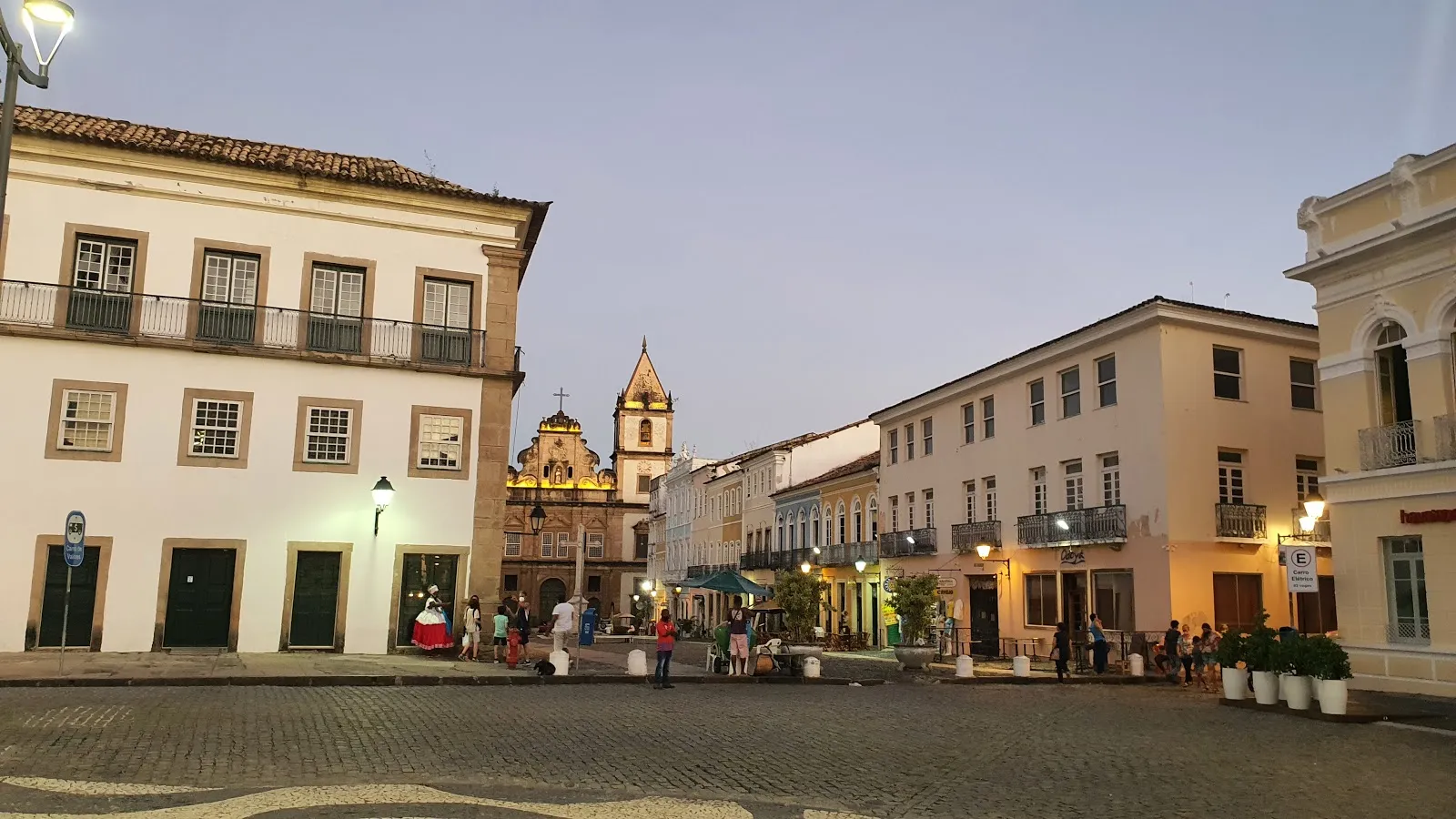
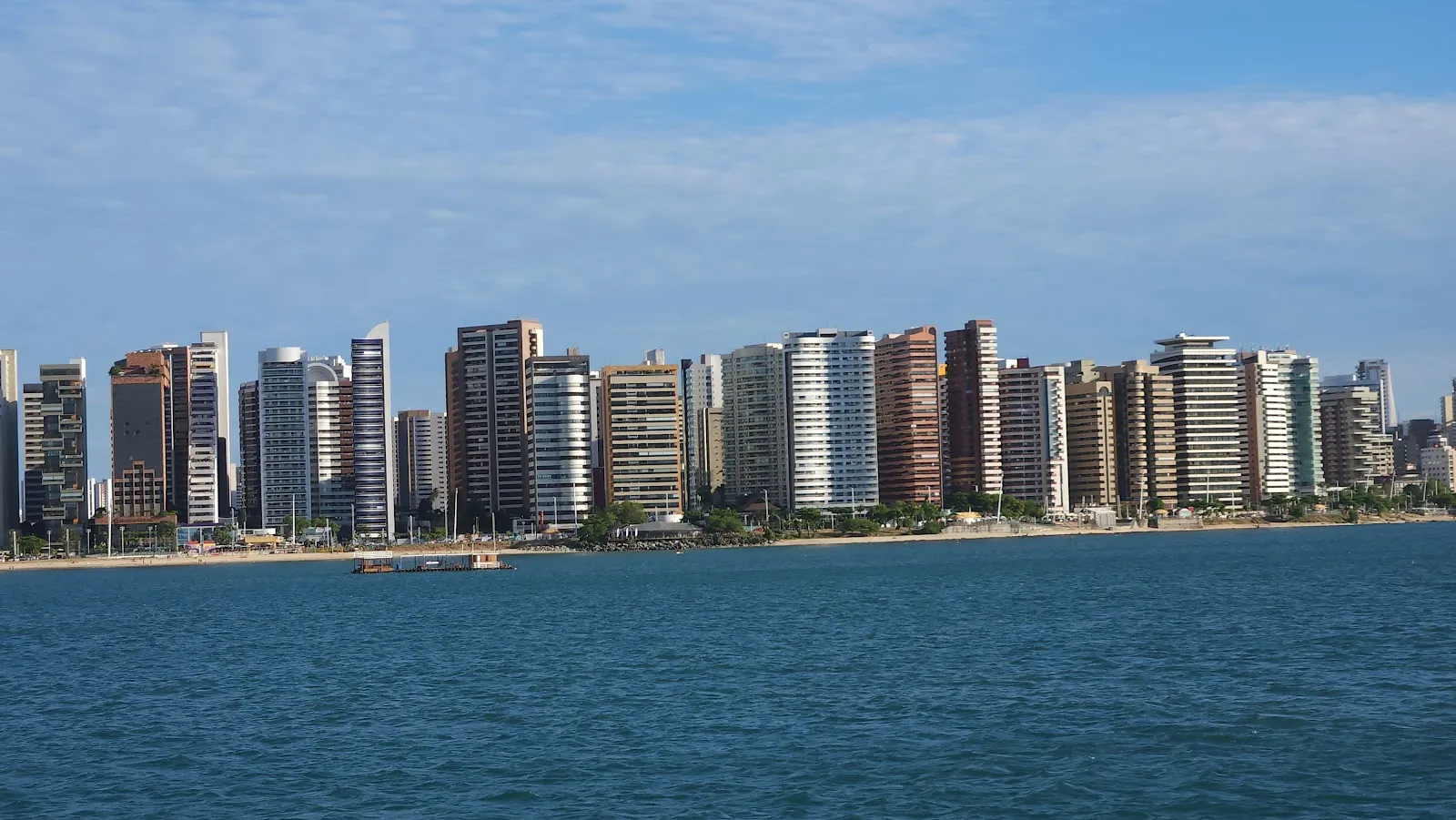

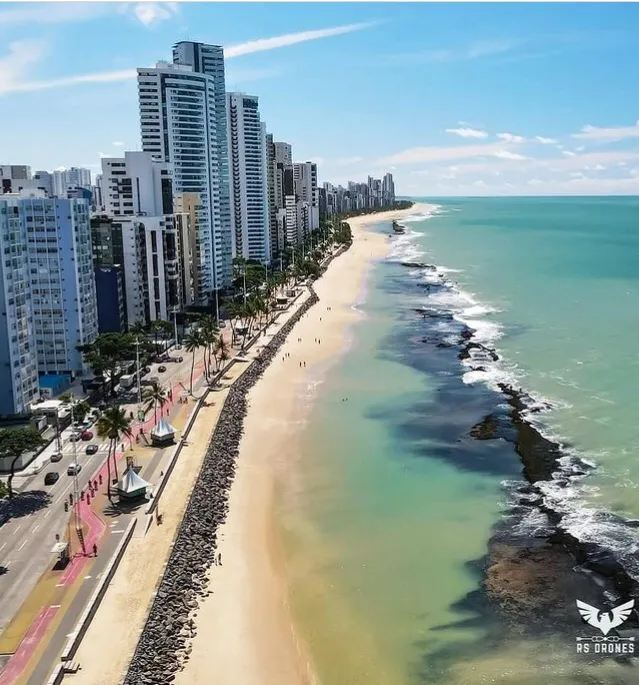
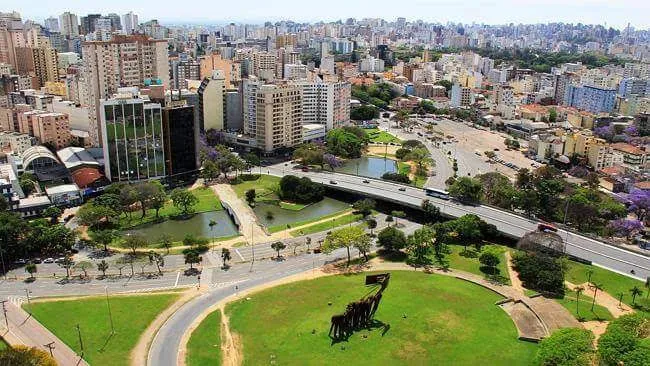
Pollution Data in Sao Sebastiano
Air Quality and Pollution Levels
Pollution data for Sao Sebastiano in 2024 is not reported, reflecting uncertainties about the environmental status. However, perceived quality and accessibility of public parks and green areas could play a role in maintaining the city's livability.
- PM2.5 (Fine Particulate Matter)The specific data on PM2.5 levels is not available, leaving residents and policymakers with little information on air quality control measures.
- PM10 (Coarse Particulate Matter)Similarly, PM10 levels remain unreported, suggesting the need for more transparent environmental monitoring for informed community health assessments.
Waste and Noise Pollution
Data on noise and waste pollution remains unreported in Sao Sebastiano, paralleling a common narrative of data deficits impacting urban planning and quality-of-life assessments.
- Garbage Disposal SatisfactionWithout available data on satisfaction with garbage disposal, there might be hidden challenges or unrealized satisfaction among the residents.
- Noise and Light PollutionNoise and light pollution data is absent, hindering the understanding of how these factors might affect residents' quality of life.
Green Spaces and Water Quality
Sao Sebastiano’s green spaces and water quality are key areas where data remains unreported, yet such aspects are crucial for understanding and enhancing urban livability.
- Green and Parks QualityThe quality of green spaces and parks is not recorded, which could be an oversight in appreciating or addressing potential enhancements in urban environmental strategy.
- Drinking Water QualityWhile data on drinking water quality is not provided, the importance of clean water remains high, underscoring a necessity for future evaluation and assurance.