
Quality of life in Flin Flon
Cost of Living, Healthcare, Safety, Education, and More
About Flin Flon
Flin Flon, located in Canada, is a unique city known for its rich mining history and vibrant community spirit. Nestled on the border of Manitoba and Saskatchewan, it offers a blend of natural beauty and industrial heritage.The city is named after a fictional character, Josiah Flintabbatey Flonatin, from a 1905 novel, which adds a whimsical touch to its identity. Flin Flon is characterized by its rugged landscape, with numerous lakes and forests that provide a stunning backdrop for outdoor activities.In recent years, Flin Flon has been focusing on diversifying its economy beyond mining, with emerging trends in tourism and local arts. The community is known for its friendly residents and a strong sense of local pride, making it a welcoming place for visitors and new residents alike.


History and Culture
Flin Flon's history is deeply intertwined with the mining industry, which has been the backbone of its economy since the early 20th century. The discovery of copper and zinc deposits led to the establishment of the city in 1927, attracting workers and their families from across Canada and beyond.
The city has played a significant role in Canada's mining sector, with Hudbay Minerals being a major employer. Over the decades, Flin Flon has developed a resilient community that has weathered the ups and downs of the mining industry.
Culturally, Flin Flon is a melting pot of traditions and influences, with a vibrant arts scene that includes theater, music, and visual arts. The Flin Flon Arts Council plays a pivotal role in promoting cultural activities and events, fostering a creative environment for artists and performers.
The city celebrates its cultural diversity through various festivals and events, such as the annual Trout Festival, which showcases local talent and brings the community together. Flin Flon's ethnic diversity is reflected in its culinary scene, with restaurants offering a range of international cuisines.
Things to do in Flin Flon
Flin Flon offers a plethora of activities for outdoor enthusiasts, including fishing, hiking, and camping in the surrounding wilderness. The city's proximity to numerous lakes makes it a popular destination for anglers seeking to catch northern pike and walleye.
For those interested in history and culture, the Flin Flon Station Museum provides insights into the city's mining heritage and local history. The museum features exhibits on the early days of mining and the development of the community.
Art lovers can explore the local galleries and attend performances at the Flin Flon Community Hall, which hosts a variety of cultural events throughout the year. The city's vibrant arts scene is complemented by public art installations and murals that add color to the urban landscape.
Flin Flon also hosts several annual events that draw visitors from near and far, including the Blueberry Jam Music Festival, which features live music performances from local and national artists. These events highlight the city's lively community spirit and commitment to celebrating its cultural heritage.
Quality of Life Rankings
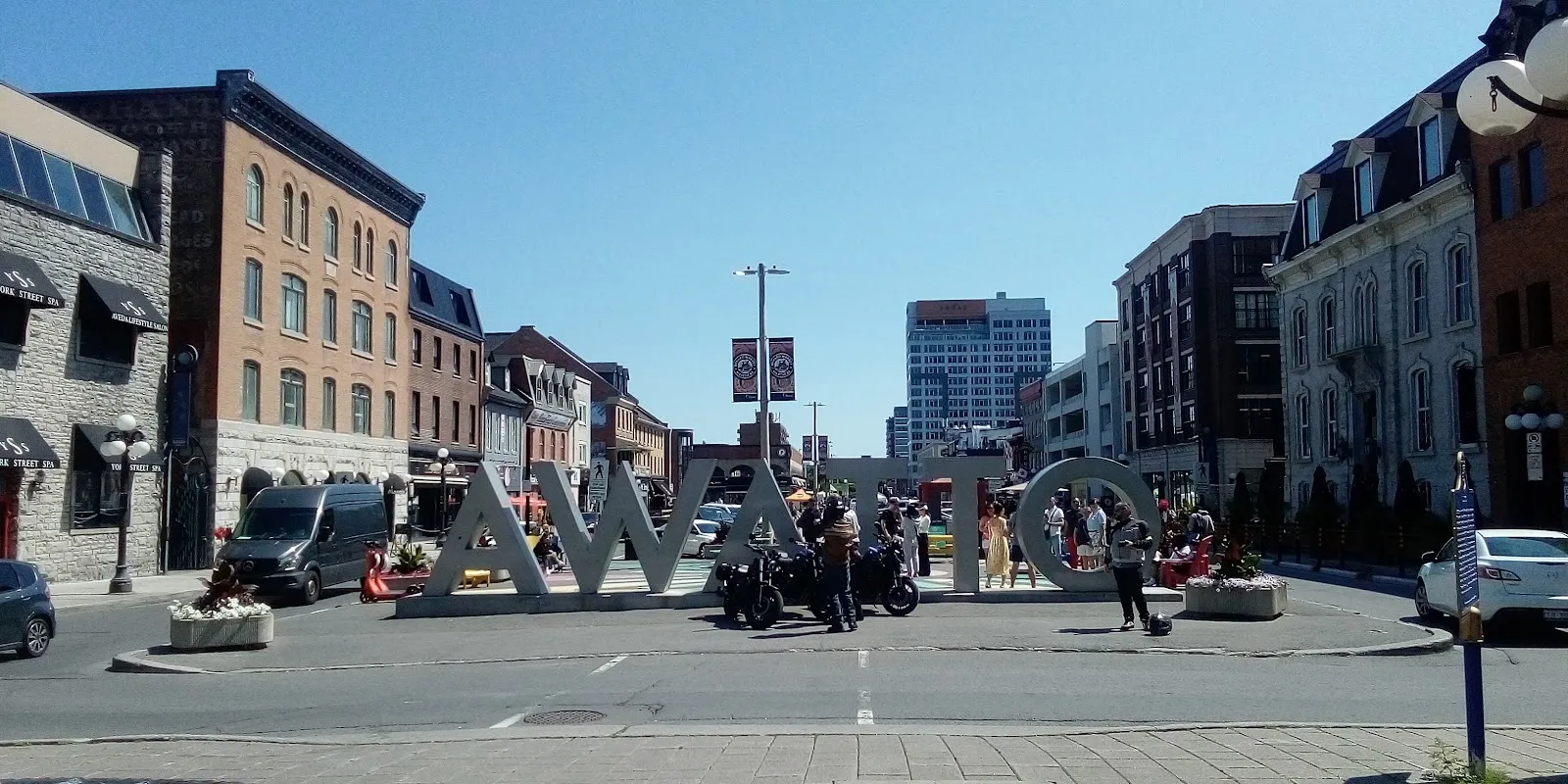

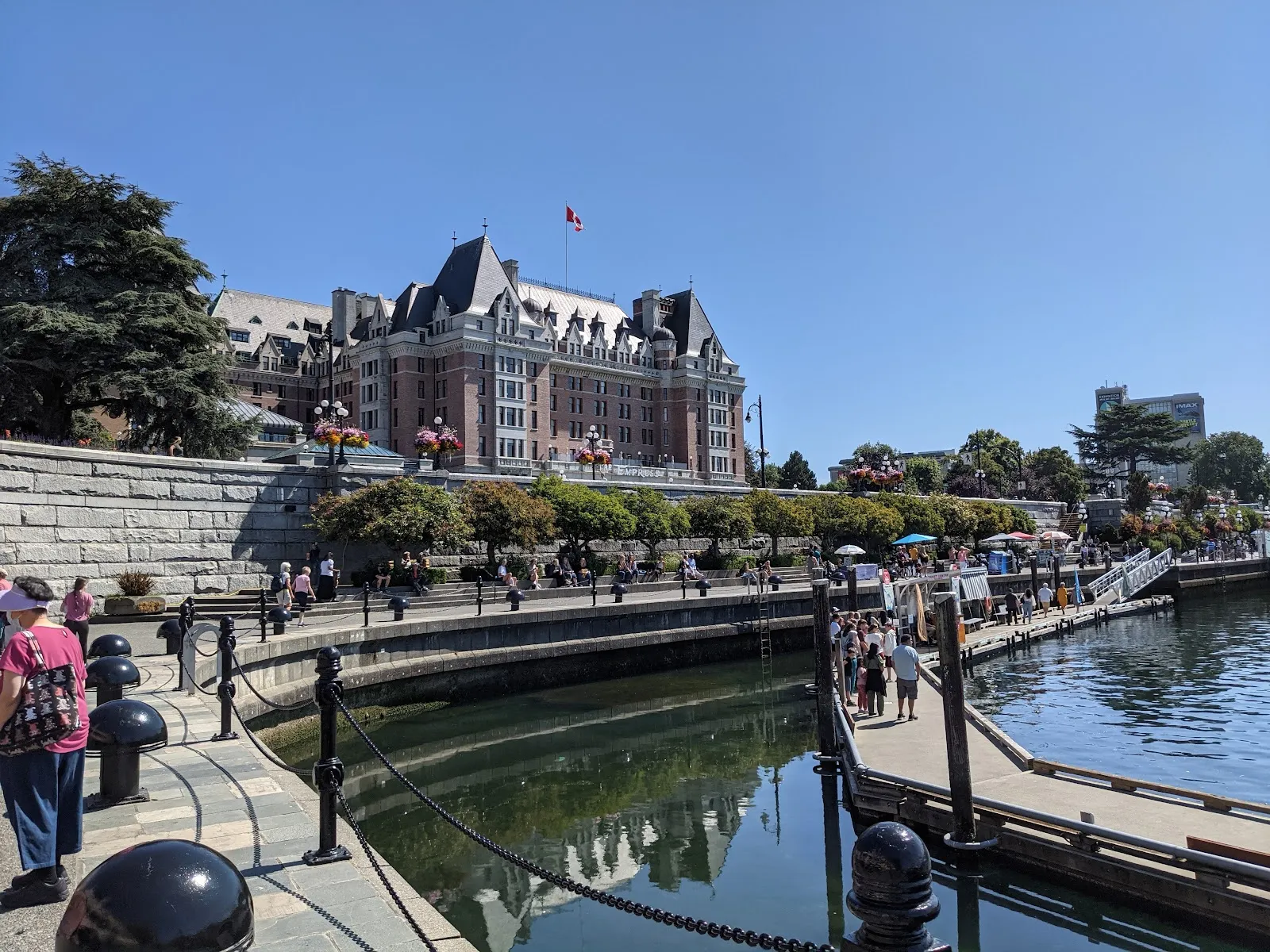


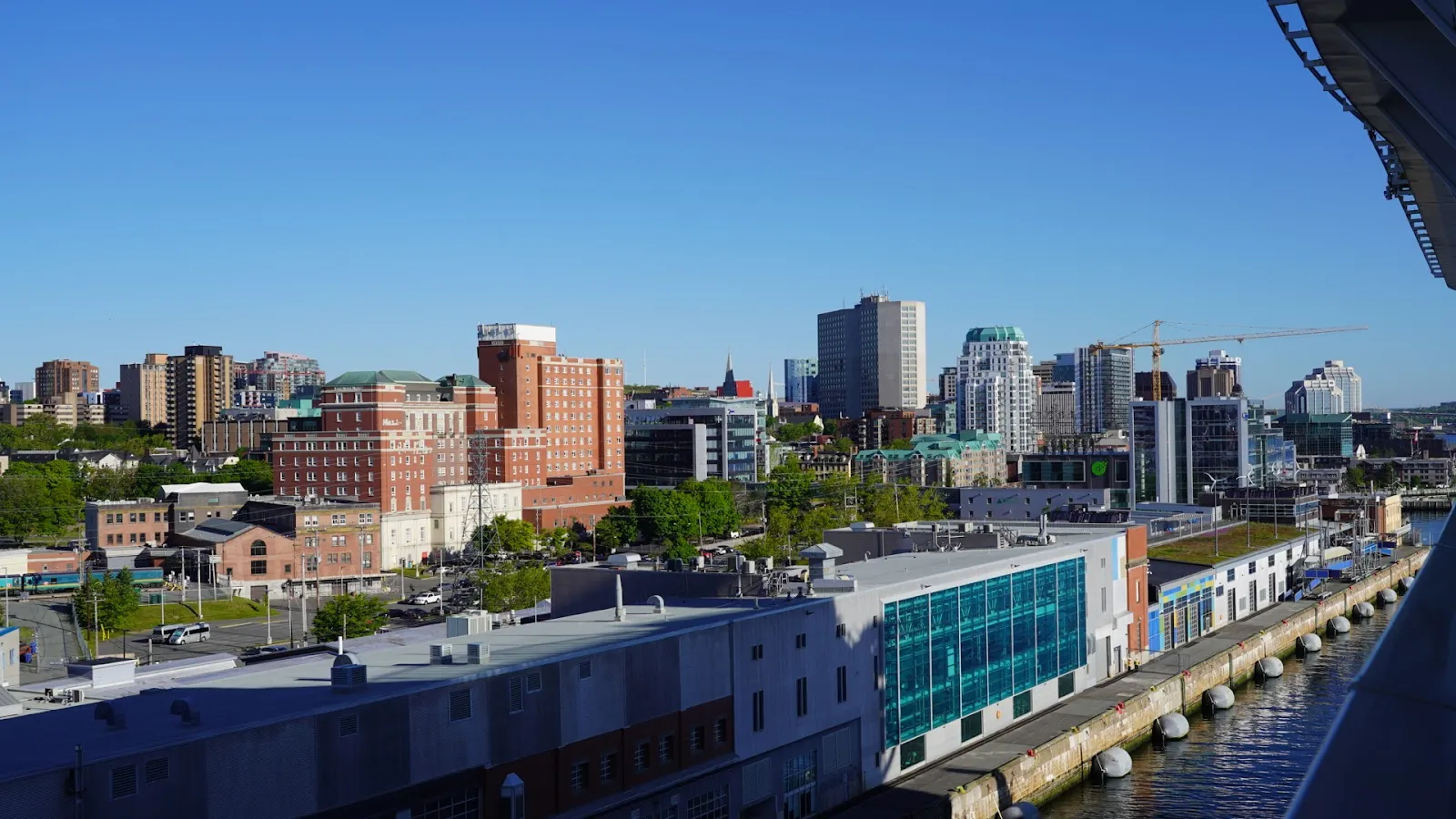
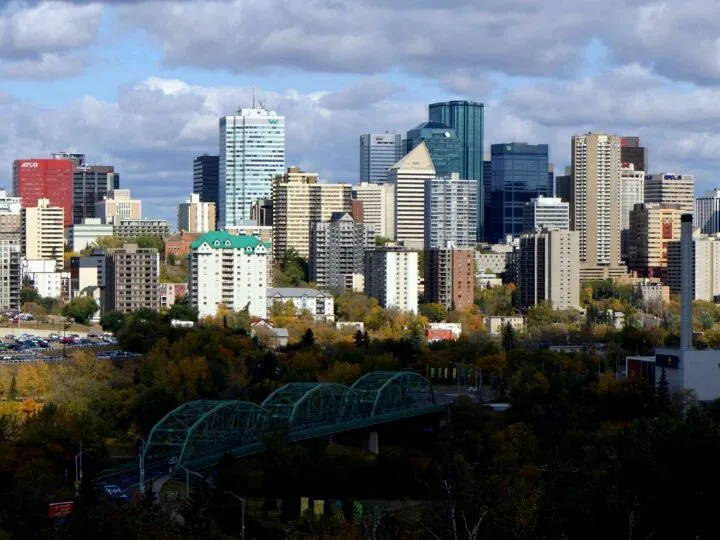
Weather in Flin Flon
Flin Flon, Canada experiences a humid continental climate characterized by cold, snowy winters and warm, humid summers. The city receives an average annual precipitation of approximately 20 inches (500 mm), with July being the wettest month, averaging about 3 inches (75 mm) of rainfall.
Seasonal Breakdown
- Spring (March to May)Temperatures gradually rise from an average high of 28°F (-2°C) in March to 61°F (16°C) in May. Rainfall increases during this period, with May receiving the most precipitation, averaging around 2.5 inches (65 mm).
- Summer (June to August)The hottest months, with average highs ranging from 70°F (21°C) in June to 75°F (24°C) in July. Rainfall is moderate, averaging around 3 inches (75 mm) per month, with July being the wettest month.
- Autumn (September to November)Temperatures gradually decrease from an average high of 63°F (17°C) in September to 30°F (-1°C) in November. Rainfall remains moderate, averaging around 2 inches (50 mm) per month.
- Winter (December to February)The coldest period, with average highs ranging from 14°F (-10°C) in December to 10°F (-12°C) in February. Snowfall is significant, with January averaging about 10 inches (250 mm) of snow.
Notable Weather Events
- Severe cold snaps during winter with temperatures dropping below -30°F (-34°C).
- Heavy snowfall events in January and February.
- Occasional summer thunderstorms, particularly in July.
Flin Flon's Political Climate
Flin Flon, a unique city straddling the border of Manitoba and Saskatchewan in Canada, has a distinctive political climate shaped by its geographical and historical context. The city is governed by a mayor-council system, with the mayor serving as the executive leader. Flin Flon's political landscape is characterized by a blend of local and provincial influences, given its location and the resources-driven economy.
Historically, Flin Flon has been influenced by its mining industry, which has played a significant role in shaping its political and economic policies. The city has seen a mix of political affiliations over the years, with a focus on balancing economic growth with environmental sustainability. Recent leadership has emphasized progressive policies, particularly in areas such as renewable energy and community health initiatives.
Flin Flon's political climate is also marked by active civic engagement, with residents participating in local governance through town hall meetings and community forums. This engagement has led to significant policy shifts, including increased investment in public infrastructure and social services. The city's political decisions are often influenced by the need to address both economic challenges and environmental concerns, reflecting a commitment to sustainable development.
Political Quick Facts
- Voter TurnoutApproximately 60%
- City GovernanceMayor-council system
- CompositionDiverse, with representation from multiple political parties
- Recent Political ChangesIncreased focus on renewable energy and community health
- EngagementHigh, with active participation in local governance
- Political ScorecardB+ for governance and transparency
- Legislative PrioritiesRenewable energy initiatives Public infrastructure development Social services enhancement
- Public OpinionGenerally progressive, with strong support for environmental and social policies
Notable Political Figures
- Cal HuntleyCurrent mayor known for his focus on sustainable development and community engagement.
- Ted TomsonFormer city councilor who advocated for mining industry regulations.
- Susan O'NeillLocal activist and leader in renewable energy projects.