
Quality of life in Thompson
Cost of Living, Healthcare, Safety, Education, and More
About Thompson
Thompson, located in the heart of Manitoba, Canada, is often referred to as the 'Hub of the North.' This vibrant city is known for its rich natural resources, particularly nickel mining, which has been a cornerstone of its economy. Thompson's unique blend of urban amenities and natural beauty makes it a compelling destination for both residents and visitors.The city is surrounded by pristine wilderness, offering a plethora of outdoor activities such as hiking, fishing, and wildlife viewing. Thompson's community is diverse and welcoming, with a strong emphasis on cultural inclusivity and environmental sustainability. Emerging trends in Thompson include a growing focus on eco-tourism and renewable energy initiatives, reflecting the city's commitment to a sustainable future.


History and Culture
Thompson was established in 1956 following the discovery of nickel deposits in the area, which led to the development of the Inco Limited mining company. This discovery transformed Thompson from a remote wilderness into a bustling mining town, attracting workers and their families from across Canada and beyond.
Over the years, Thompson has evolved into a cultural hub, with a rich tapestry of traditions and influences from its diverse population. The city celebrates its heritage through various cultural institutions, including the Heritage North Museum, which showcases the history of the region and its indigenous communities.
Thompson is home to a vibrant arts scene, with local artists and musicians contributing to the city's cultural landscape. The annual Nickel Days festival is a highlight, featuring parades, concerts, and community events that celebrate the city's mining heritage and cultural diversity. The city's ethnic diversity is reflected in its culinary offerings, with a variety of restaurants serving international cuisine.
Things to do in Thompson
Thompson offers a wide range of activities for nature enthusiasts and adventure seekers. The nearby Pisew Falls Provincial Park is a must-visit, featuring stunning waterfalls and scenic hiking trails. For those interested in wildlife, the Boreal Discovery Centre provides educational exhibits and guided tours focused on the region's unique flora and fauna.
The city also hosts several annual events that draw visitors from across the region. The Thompson Winterfest is a popular event, offering activities such as ice fishing, snowmobiling, and dog sledding. Additionally, the Spirit Way walking and biking trail features a series of murals and sculptures that highlight the city's cultural and natural heritage.
For a taste of local culture, visitors can explore the Thompson Public Library's art gallery, which showcases works by local artists. The city's dining scene offers a mix of traditional Canadian fare and international cuisine, with local favorites including fresh-caught fish and wild game dishes.
Quality of Life Rankings
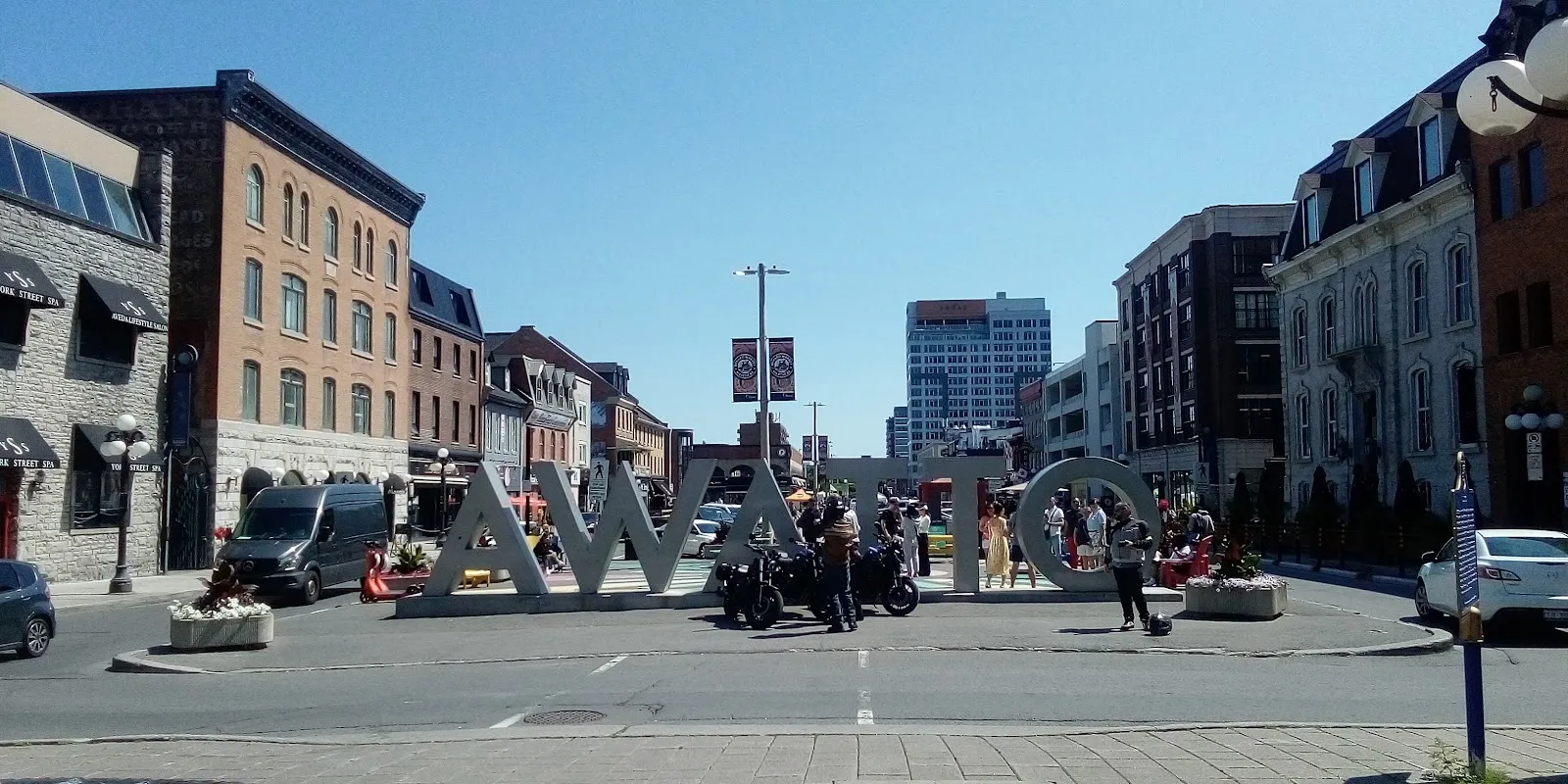
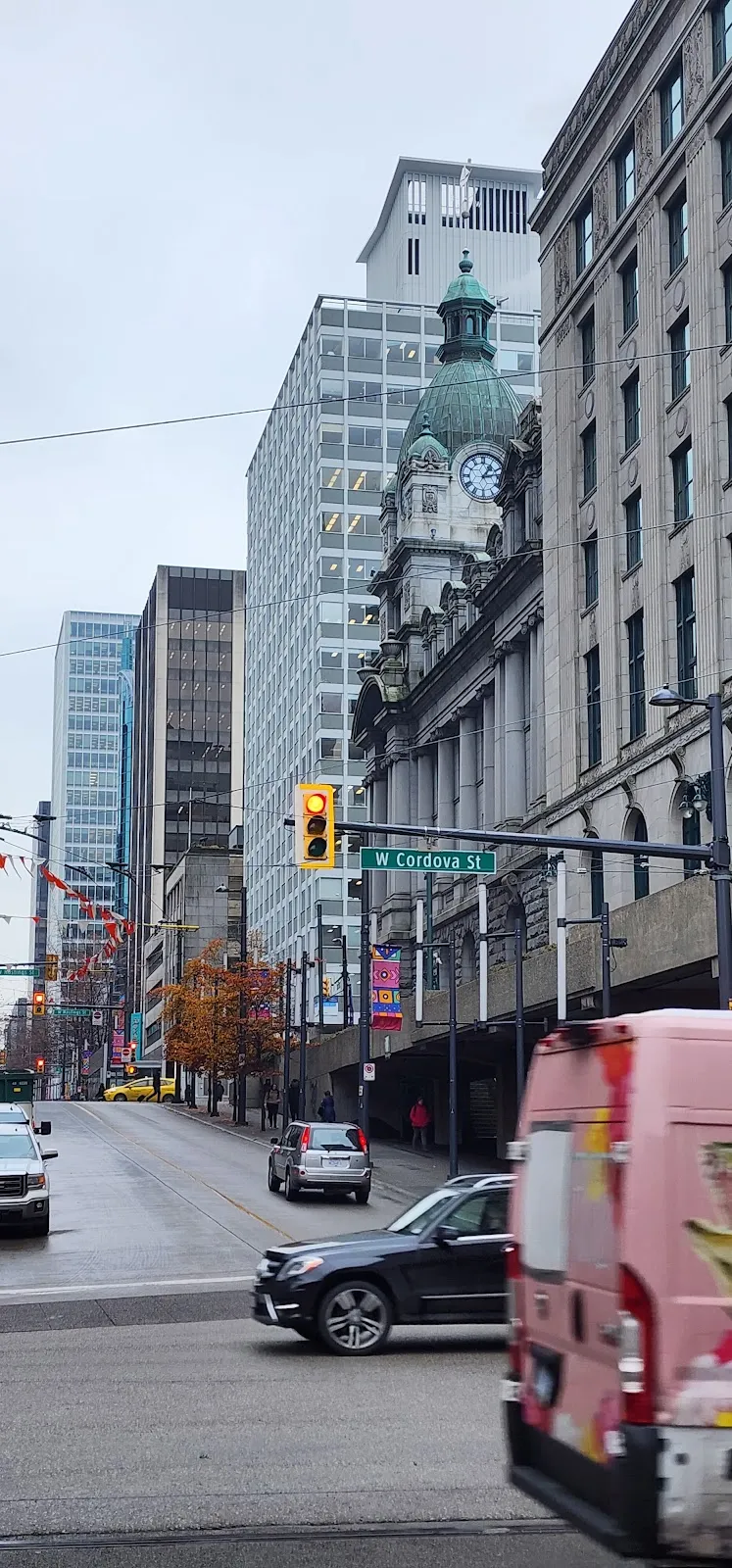
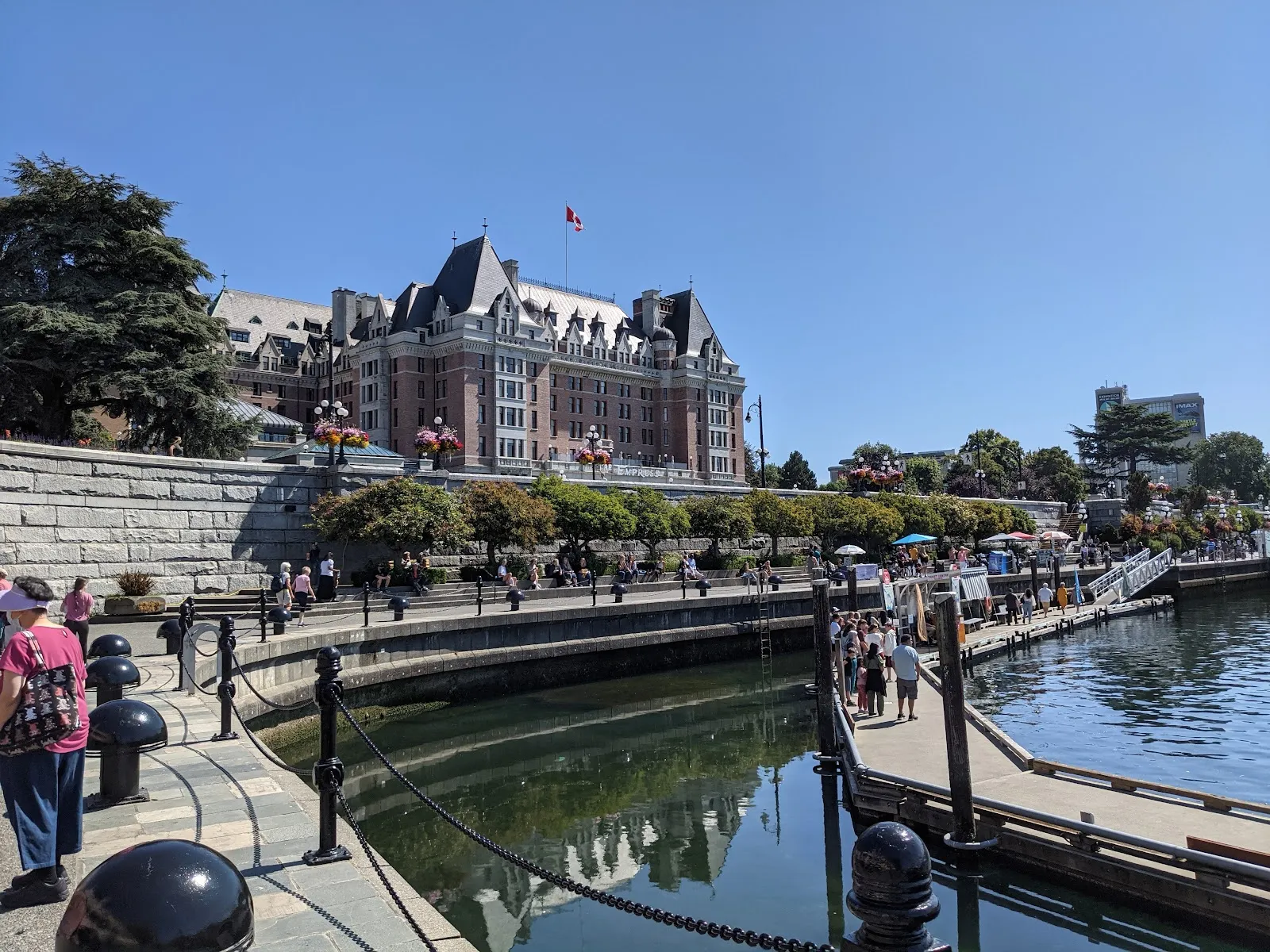

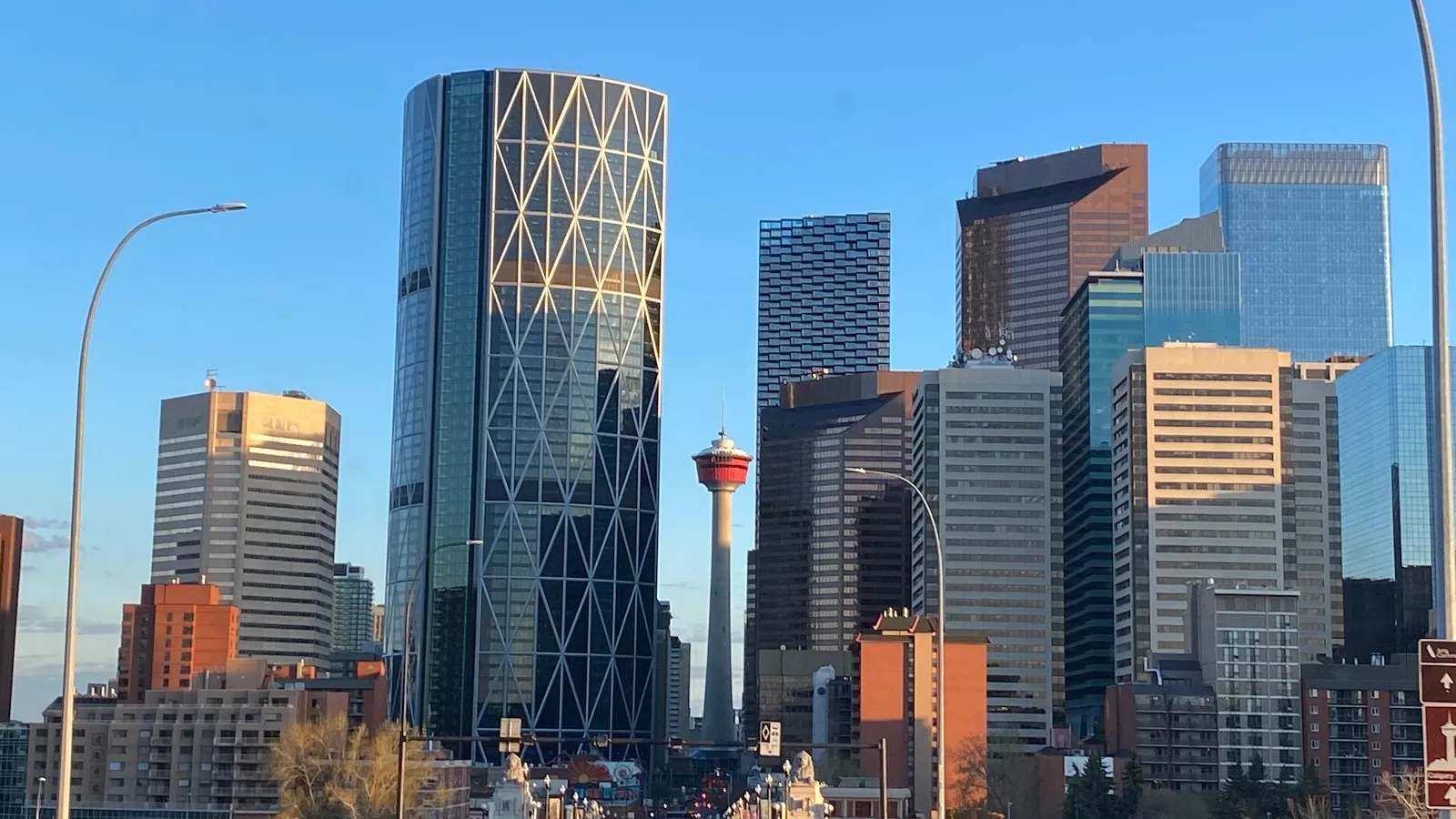
Weather in Thompson
Thompson, Canada experiences a subarctic climate characterized by long, extremely cold winters and short, mild summers. The city receives an average annual precipitation of approximately 20 inches (500 mm), with July being the wettest month, averaging 3.5 inches (90 mm) of rainfall.
Seasonal Breakdown
- Spring (March to May)Temperatures gradually rise from an average high of 23°F (-5°C) in March to 59°F (15°C) in May. Snowfall is common in early spring, but it decreases as temperatures rise, with May seeing more rain than snow.
- Summer (June to August)The warmest months, with average highs ranging from 68°F (20°C) in June to 73°F (23°C) in July. Rainfall is highest in July, averaging around 3.5 inches (90 mm) per month, providing a brief but pleasant summer season.
- Autumn (September to November)Temperatures gradually decrease from an average high of 61°F (16°C) in September to 27°F (-3°C) in November. Rainfall decreases, and the first snowfalls typically occur in late October or early November.
- Winter (December to February)The coldest period, with average highs ranging from 5°F (-15°C) in December to 10°F (-12°C) in February. Snowfall is frequent, with January being the snowiest month, averaging about 10 inches (250 mm).
Notable Weather Events
- Extreme cold snaps during winter with temperatures dropping below -40°F (-40°C).
- Heavy snowfall events, particularly in January.
- Occasional summer thunderstorms in July.
Thompson's Political Climate
Thompson, located in the heart of Manitoba, Canada, is a city with a unique political landscape shaped by its geographical and socio-economic context. As a hub for mining and industry, Thompson's political climate is heavily influenced by economic policies that support these sectors. The city is governed by a mayor-council system, with a focus on balancing industrial growth with environmental sustainability.
Historically, Thompson has been a stronghold for labor-oriented political movements, reflecting its roots in the mining industry. The current political leadership is keen on addressing issues such as economic diversification, indigenous rights, and environmental conservation. The city has implemented progressive policies aimed at reducing carbon emissions and promoting renewable energy sources, aligning with Canada's broader environmental goals.
Thompson's political climate is also shaped by its diverse population, which includes a significant indigenous community. This diversity influences the city's social policies, with a strong emphasis on social justice and community engagement. Recent political trends in Thompson include a growing focus on reconciliation with indigenous peoples and enhancing public services to meet the needs of all residents.
Political Quick Facts
- Voter Turnout65%
- City GovernanceMayor-council system
- CompositionMajority labor-affiliated with minority representation from environmental and indigenous rights parties
- Recent Political ChangesIncreased focus on indigenous rights and environmental policies
- EngagementHigh, with active community participation in local governance
- Political ScorecardB+ for governance and transparency
- Legislative PrioritiesEconomic diversification Indigenous rights and reconciliation Environmental sustainability
- Public OpinionGenerally progressive, with strong support for social justice and environmental initiatives
Notable Political Figures
- Dennis FenskeFormer mayor known for his work on economic development and community engagement.
- Colleen SmookCurrent mayor focusing on sustainable development and indigenous relations.
- Eric RedheadLocal indigenous leader advocating for community rights and environmental protection.