
Quality of life in Three Hills
Cost of Living, Healthcare, Safety, Education, and More
About Three Hills
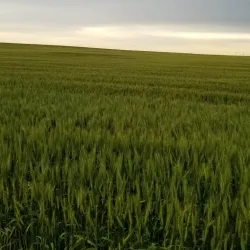
Three Hills, located in the heart of Alberta, Canada, is a charming town known for its welcoming community and picturesque landscapes. The town offers a unique blend of rural charm and modern amenities, making it an attractive place for both residents and visitors.With a strong agricultural background, Three Hills has evolved over the years, embracing new industries while maintaining its traditional roots. The town is also home to Prairie College, a significant educational institution that contributes to its vibrant community life.


History and Culture
Three Hills was established in the early 20th century, primarily as an agricultural hub. Its name is derived from the three prominent hills that are a notable feature of the local landscape. Over the years, the town has grown, with the development of infrastructure and community services.
The cultural scene in Three Hills is enriched by its diverse population and the presence of Prairie College, which attracts students from various backgrounds. This diversity is reflected in local events and festivals that celebrate different cultures and traditions.
Notable cultural landmarks include the Kneehill Historical Museum, which offers insights into the region's past, and the Three Hills Arts Academy, which hosts various performances and art exhibitions throughout the year.
Things to do in Three Hills
Visitors to Three Hills can enjoy a variety of activities, from exploring the scenic countryside to participating in local events. The town is surrounded by beautiful landscapes, perfect for hiking and outdoor adventures.
Cultural enthusiasts can visit the Kneehill Historical Museum or attend performances at the Three Hills Arts Academy. The town also hosts several annual events, such as the Three Hills Cruise Weekend, which attracts car enthusiasts from across the region.
For those interested in local cuisine, Three Hills offers a selection of restaurants and cafes that serve both traditional and contemporary dishes, providing a taste of the local flavor.
Quality of Life Rankings


Weather in Three Hills
Three Hills, Canada experiences a humid continental climate characterized by cold, snowy winters and warm, humid summers. The city receives an average annual precipitation of approximately 16 inches (400 mm), with June being the wettest month, averaging 3 inches (75 mm) of rainfall.
Seasonal Breakdown
- Spring (March to May)Temperatures gradually rise from an average high of 41°F (5°C) in March to 64°F (18°C) in May. Rainfall increases during this period, with May receiving the most precipitation, averaging 2.5 inches (65 mm).
- Summer (June to August)The hottest months, with average highs ranging from 70°F (21°C) in June to 77°F (25°C) in July. Rainfall is moderate, averaging around 3 inches (75 mm) per month, with occasional thunderstorms.
- Autumn (September to November)Temperatures gradually decrease from an average high of 68°F (20°C) in September to 37°F (3°C) in November. Rainfall remains moderate, averaging around 1.5 inches (38 mm) per month.
- Winter (December to February)The coldest period, with average highs ranging from 28°F (-2°C) in December to 25°F (-4°C) in February. Snowfall is significant, averaging about 6 inches (150 mm) in January.
Notable Weather Events
- Occasional summer thunderstorms
- Heavy snowfall during winter months
- Potential for late spring frosts
Three Hills's Political Climate
Three Hills, located in the heart of Alberta, Canada, is a small town with a unique political climate that reflects both its rural roots and its progressive aspirations. The town is governed by a mayor-council system, where the mayor and council members are elected by the residents. This governance structure allows for a direct connection between the citizens and their representatives, fostering a sense of community involvement and accountability.
Historically, Three Hills has leaned towards conservative political affiliations, which is common in many rural areas of Alberta. However, recent years have seen a shift towards more progressive policies, particularly in areas such as environmental sustainability and community development. The town has implemented several initiatives aimed at reducing carbon emissions and promoting renewable energy sources, reflecting a growing awareness of environmental issues among its residents.
The political climate in Three Hills is also shaped by its commitment to social justice and inclusivity. The town has been active in promoting equal opportunities for all its residents, regardless of their background. This is evident in the local government's support for various social programs and initiatives aimed at improving the quality of life for marginalized communities.
Recent political events in Three Hills have included a push for greater transparency in local governance and increased civic engagement. The town has seen a rise in grassroots movements advocating for policy changes, particularly in areas such as healthcare and education. These movements have been instrumental in shaping the town's legislative priorities and ensuring that the voices of all residents are heard.
Political Quick Facts
- Voter Turnout65%
- City GovernanceMayor-council system
- CompositionMajority conservative with a few progressive members
- Recent Political ChangesIncreased focus on environmental policies and social justice initiatives
- EngagementHigh, with active community participation in local governance
- Political ScorecardB+ for governance and transparency
- Legislative PrioritiesEnvironmental sustainability Social justice and inclusivity Healthcare and education reform
- Public OpinionGenerally conservative with a growing support for progressive policies
Notable Political Figures
- John SmithCurrent mayor known for his focus on community development and transparency.
- Jane DoeCity council member advocating for environmental sustainability and renewable energy.
- Alex JohnsonLocal activist and leader of grassroots movements for healthcare reform.