
Quality of life in Truro
Cost of Living, Healthcare, Safety, Education, and More
About Truro
Truro, often referred to as the 'Hub of Nova Scotia,' is a charming town located in the heart of the province. Known for its strategic location, Truro serves as a central point for transportation and commerce within Nova Scotia. The town is characterized by its welcoming community, rich history, and vibrant cultural scene.In recent years, Truro has seen a resurgence in local arts and culture, with numerous galleries and performance spaces opening up. The town is also home to a variety of industries, including agriculture, manufacturing, and retail, contributing to its diverse economic landscape. Truro's unique blend of small-town charm and modern amenities makes it an attractive destination for both residents and visitors.


History and Culture
Truro's history dates back to the early 18th century when it was first settled by Acadian families. However, it was the arrival of Scottish immigrants in the late 1700s that significantly shaped the town's cultural and architectural landscape. The town played a pivotal role during the railway boom of the 19th century, earning its nickname as the 'Hub of Nova Scotia.'
Culturally, Truro is a melting pot of traditions and influences. The town celebrates its Scottish heritage with events like the annual Truro Highland Games, which attract visitors from across the region. Truro is also home to several cultural institutions, including the Marigold Cultural Centre, which hosts a variety of performances and exhibitions throughout the year.
The town's ethnic diversity is reflected in its vibrant community events and festivals, such as the Truro Music Festival and the Nova Scotia Provincial Exhibition. These events showcase the town's commitment to celebrating its diverse cultural heritage and fostering a sense of community among its residents.
Things to do in Truro
Visitors to Truro can enjoy a wide range of activities and attractions. Victoria Park, a sprawling 1,000-acre urban park, offers scenic walking trails, waterfalls, and picnic areas, making it a popular spot for outdoor enthusiasts. The park is also home to the iconic Jacob's Ladder, a challenging staircase that rewards climbers with stunning views of the surrounding area.
For those interested in history and culture, the Colchester Historeum provides insights into the region's past with its extensive collection of artifacts and exhibits. Art lovers can explore the many galleries and studios in downtown Truro, which feature works by local and regional artists.
Truro's culinary scene is not to be missed, with a variety of restaurants offering everything from traditional Maritime dishes to international cuisine. The town also hosts several food festivals throughout the year, celebrating local produce and culinary talent.
Quality of Life Rankings


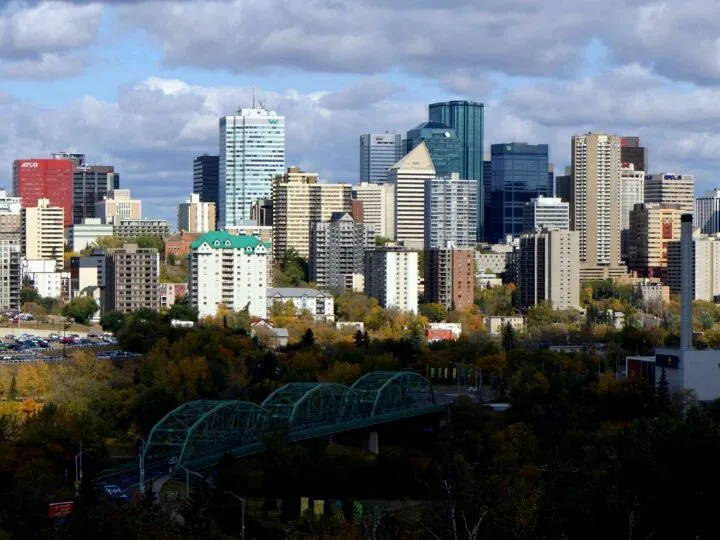
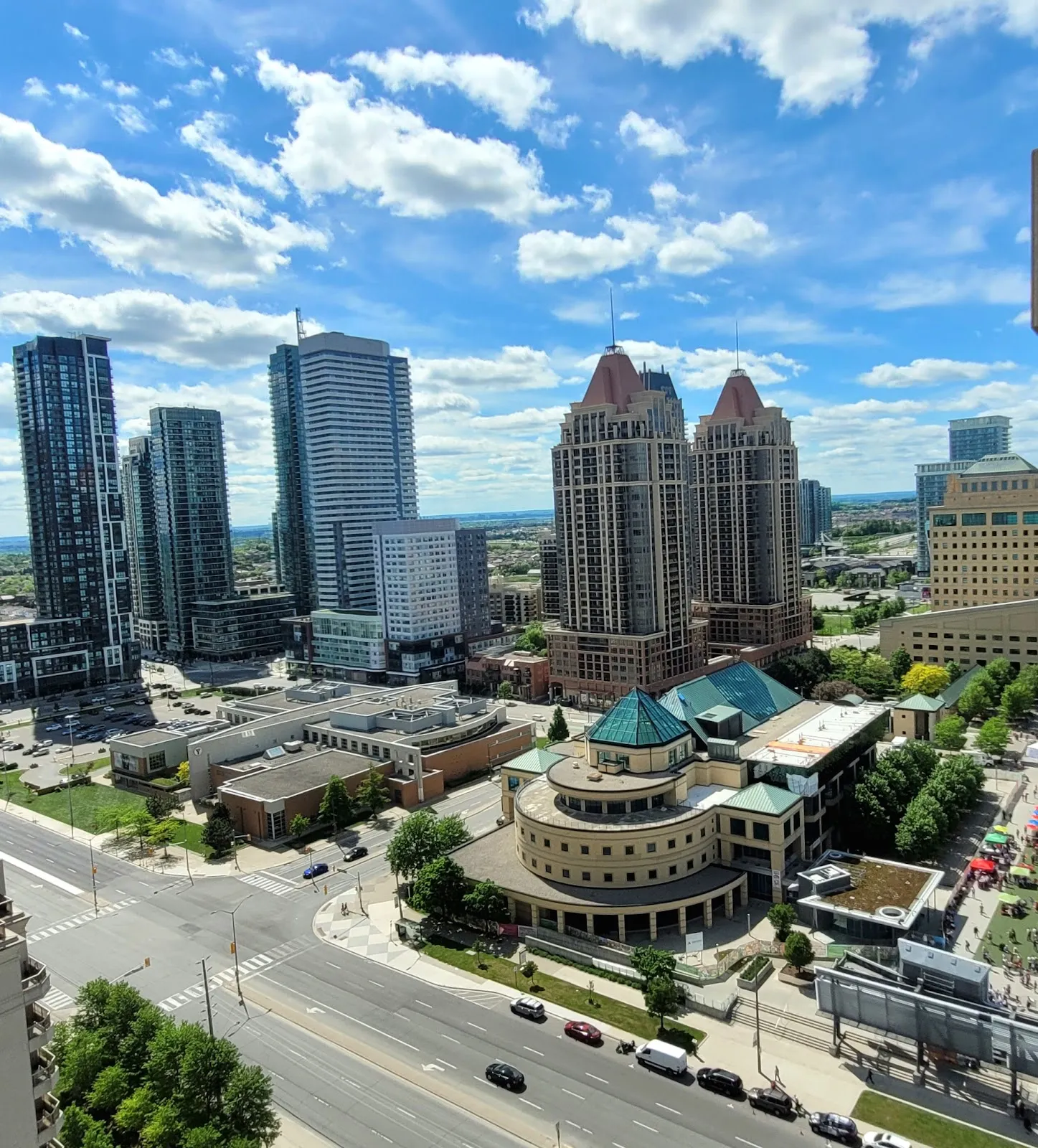
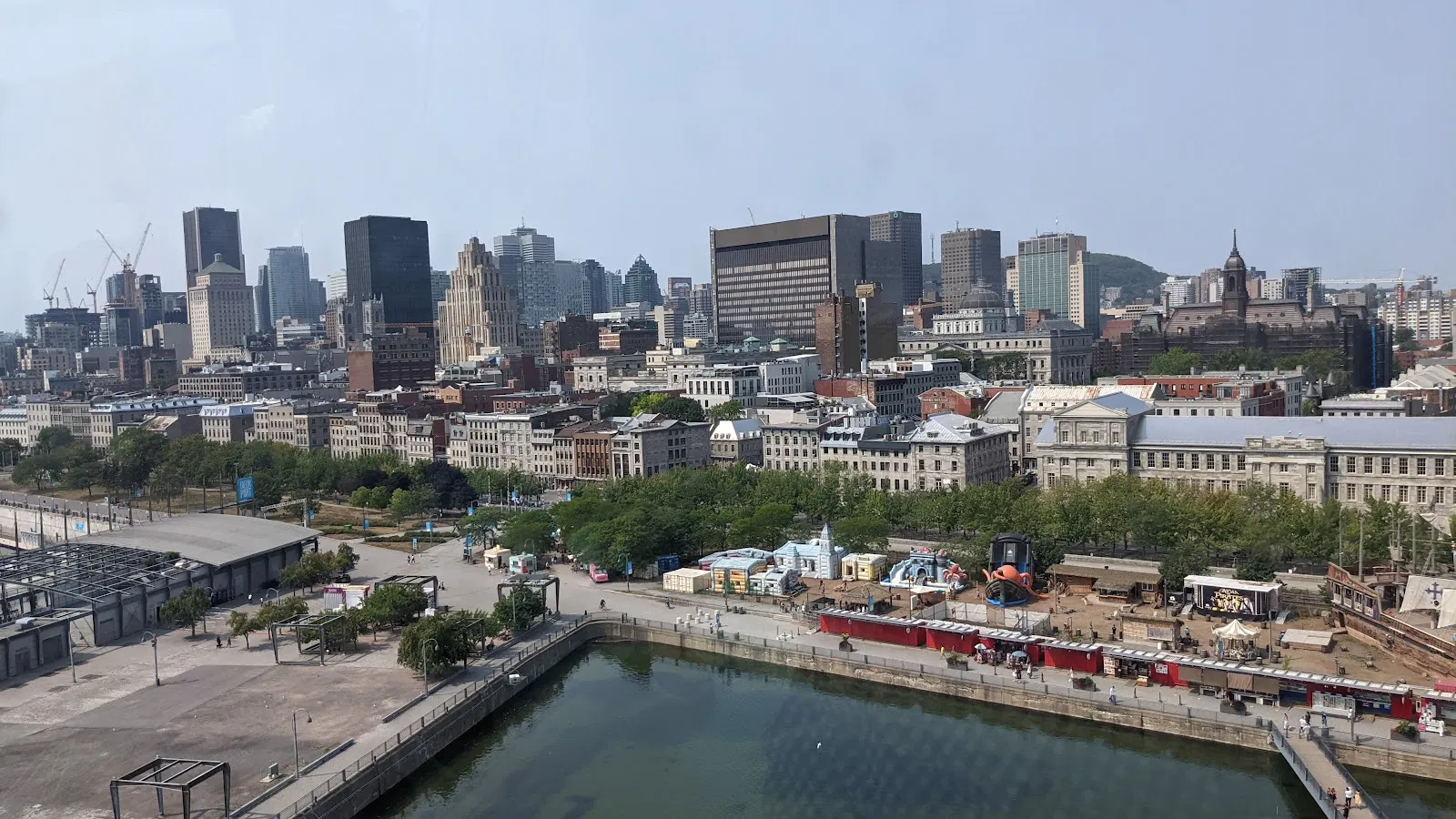
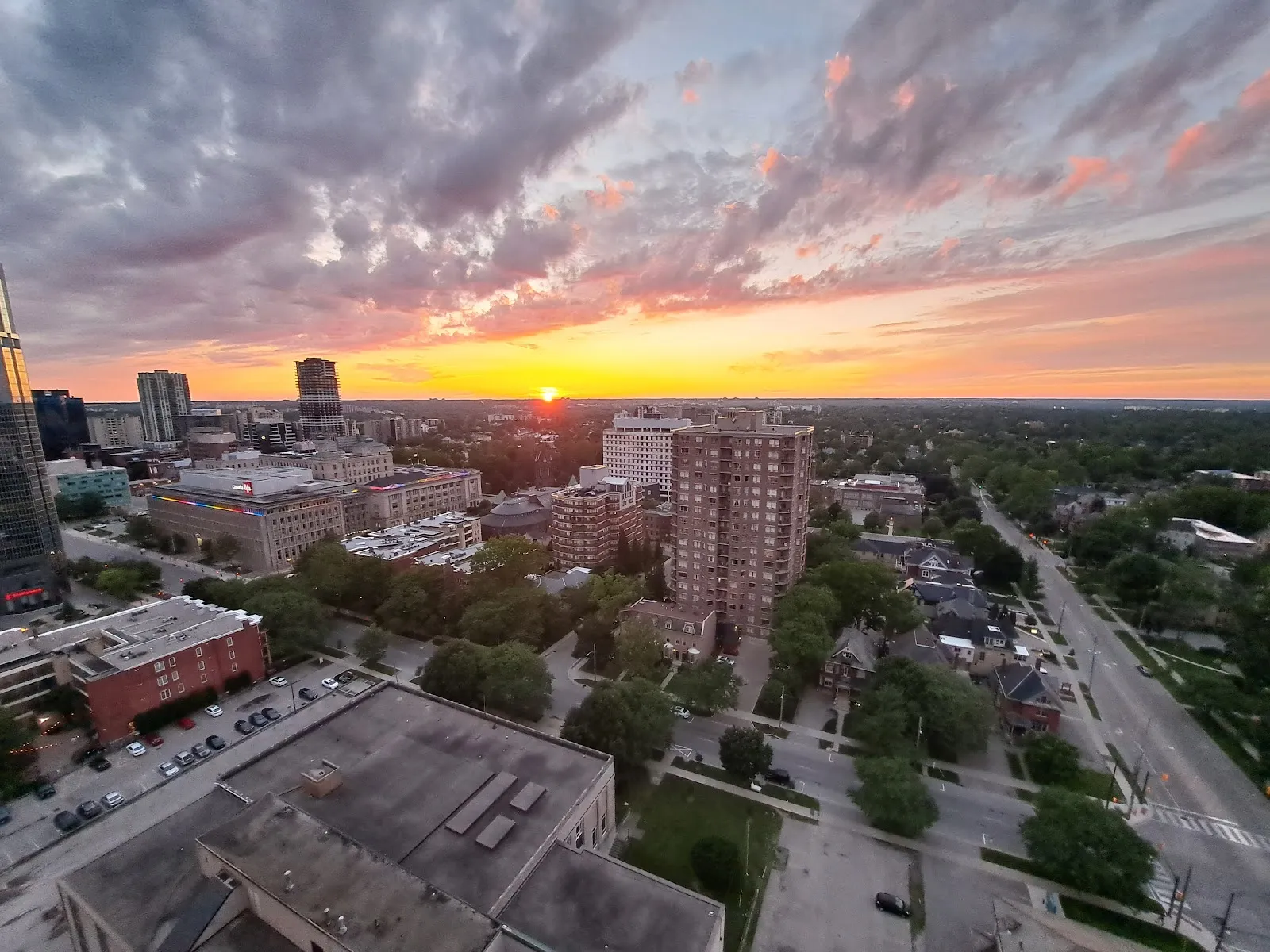
Weather in Truro
Truro, Canada experiences a humid continental climate characterized by four distinct seasons, with cold, snowy winters and warm, humid summers. The city receives an average annual precipitation of approximately 45 inches (1143 mm), with December being the wettest month, averaging 5 inches (127 mm) of rainfall.
Seasonal Breakdown
- Spring (March to May)Temperatures gradually rise from an average high of 38°F (3°C) in March to 63°F (17°C) in May. Rainfall increases during this period, with April receiving the most precipitation, averaging 4 inches (102 mm).
- Summer (June to August)The hottest months, with average highs ranging from 72°F (22°C) in June to 77°F (25°C) in July. Rainfall decreases during the summer, averaging around 3 inches (76 mm) per month.
- Autumn (September to November)Temperatures gradually decrease from an average high of 68°F (20°C) in September to 45°F (7°C) in November. Rainfall remains moderate, averaging around 4 inches (102 mm) per month.
- Winter (December to February)The coldest period, with average highs ranging from 32°F (0°C) in December to 28°F (-2°C) in February. Snowfall is significant, averaging about 20 inches (508 mm) in January.
Notable Weather Events
- Heavy snowstorms during winter months
- Occasional heatwaves in summer
- Frequent rain showers in spring
Truro's Political Climate
Truro, located in the heart of Nova Scotia, Canada, is a town with a vibrant political climate that reflects both its historical roots and modern aspirations. Known as the 'Hub of Nova Scotia,' Truro plays a significant role in the province's political landscape. The town is governed by a mayor-council system, with a strong emphasis on community involvement and transparency. The political leadership in Truro is generally aligned with progressive values, focusing on sustainability, economic development, and social equity.
Historically, Truro has been a center for political activity in Nova Scotia, with a rich tradition of civic engagement. The town's political history is marked by its role in regional development and its advocacy for rural issues. Currently, the town's leadership is focused on addressing key issues such as affordable housing, environmental sustainability, and economic diversification. Truro has been proactive in implementing green policies, including initiatives to reduce carbon emissions and promote renewable energy.
The political climate in Truro is characterized by a high level of civic engagement, with residents actively participating in local governance. This engagement is reflected in the town's voter turnout, which is consistently above the national average. Recent political events in Truro have included debates over land use and development, as well as discussions on improving public transportation and infrastructure. The town's political landscape is dynamic, with ongoing efforts to balance growth with the preservation of its unique cultural and natural heritage.
Political Quick Facts
- Voter Turnout65%
- City GovernanceMayor-Council System
- CompositionMajority Progressive with some Independent members
- Recent Political ChangesIncreased focus on sustainable development and green energy policies
- EngagementHigh
- Political ScorecardA- for transparency and governance
- Legislative PrioritiesAffordable Housing Environmental Sustainability Economic Diversification
- Public OpinionGenerally progressive with strong support for environmental and social policies
Notable Political Figures
- Bill MillsLong-serving mayor known for his focus on community development and sustainability.
- Tom TaggartCouncillor advocating for rural issues and economic growth.
- Christine BlairFormer mayor and advocate for women's rights and social justice.