
Quality of life in Waterloo
Cost of Living, Healthcare, Safety, Education, and More
About Waterloo
Waterloo, located in the heart of Canada's technology triangle, is renowned for its vibrant tech industry and academic excellence. Home to the University of Waterloo and Wilfrid Laurier University, the city is a hub for innovation and research, attracting talent from around the globe.Beyond its academic and technological prowess, Waterloo offers a rich cultural tapestry and a welcoming community. The city is known for its diverse population, which contributes to a dynamic cultural scene and a variety of international cuisines. Emerging trends in Waterloo include a growing focus on sustainable living and green technology, making it a forward-thinking city with a commitment to environmental stewardship.


History and Culture
Waterloo's history dates back to the early 19th century when it was settled by Mennonite immigrants from Pennsylvania. The city's development was significantly influenced by its German heritage, which is still evident in local architecture and cultural festivals.
Throughout the 20th century, Waterloo evolved from a small agricultural community into a bustling urban center, largely due to the establishment of its universities and the growth of the tech industry. The city played a pivotal role in Canada's technological advancements, with companies like BlackBerry originating here.
Culturally, Waterloo is home to numerous institutions such as the Canadian Clay and Glass Gallery and the Perimeter Institute for Theoretical Physics. The city hosts several annual events, including the Kitchener-Waterloo Oktoberfest, which is the largest Bavarian festival in North America, celebrating the region's German roots.
Waterloo's cultural diversity is reflected in its vibrant arts scene, with numerous galleries, theaters, and music venues. The city's commitment to inclusivity and multiculturalism is evident in its community events and festivals that celebrate various ethnic traditions.
Things to do in Waterloo
Visitors to Waterloo can explore a variety of attractions and activities. The city offers beautiful parks and trails, such as Waterloo Park, which features a small zoo and a splash pad, making it a perfect spot for family outings.
For those interested in history and culture, the Waterloo Region Museum provides insights into the area's past, while the St. Jacobs Farmers' Market offers a taste of local produce and crafts.
Waterloo's vibrant downtown is home to a range of dining options, from cozy cafes to upscale restaurants, offering cuisines from around the world. The city also boasts a lively nightlife with numerous bars and live music venues.
Annual events like the Uptown Waterloo Jazz Festival and the Waterloo Busker Carnival add to the city's lively atmosphere, providing entertainment for residents and visitors alike.
Quality of Life Rankings
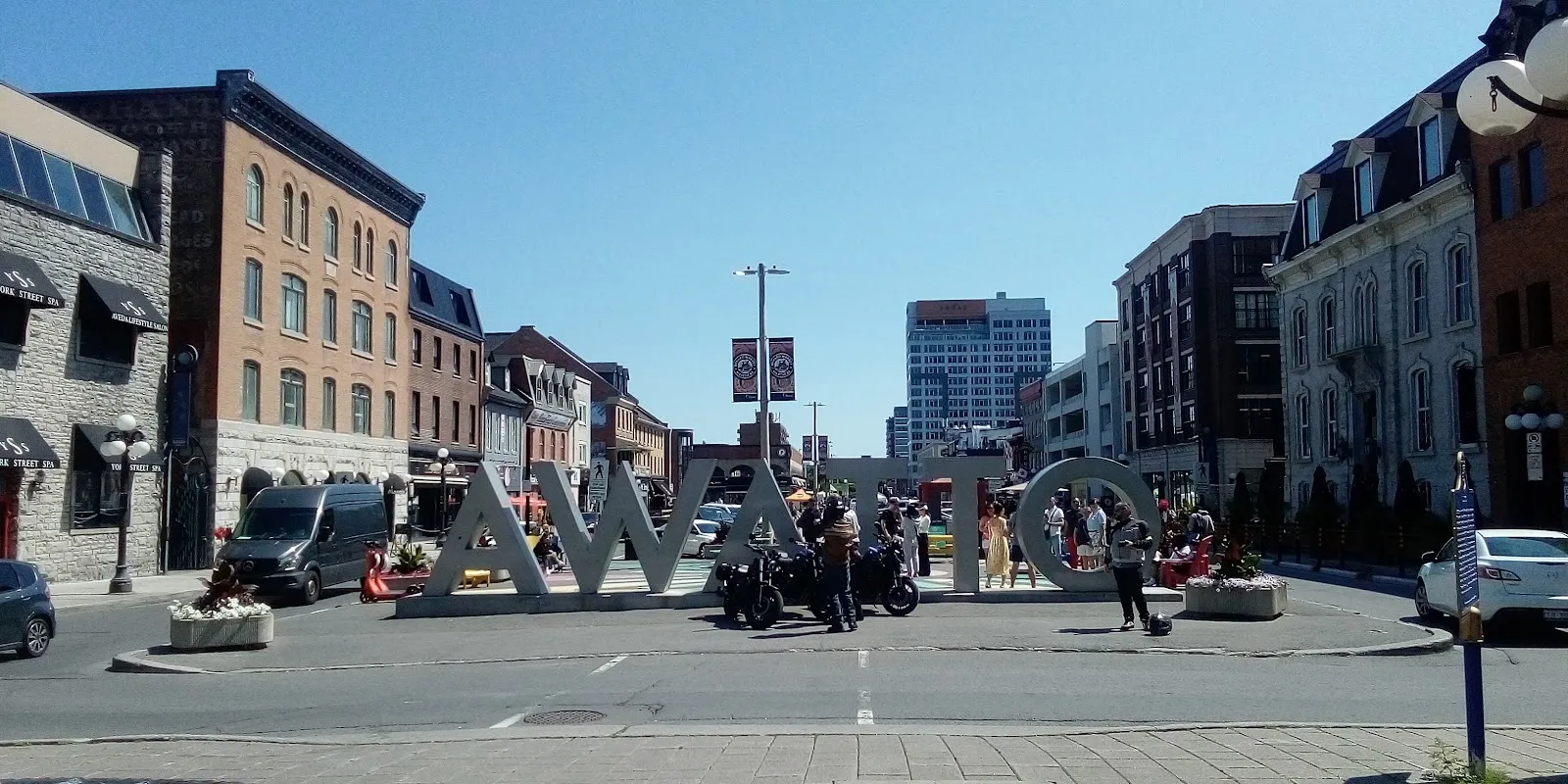

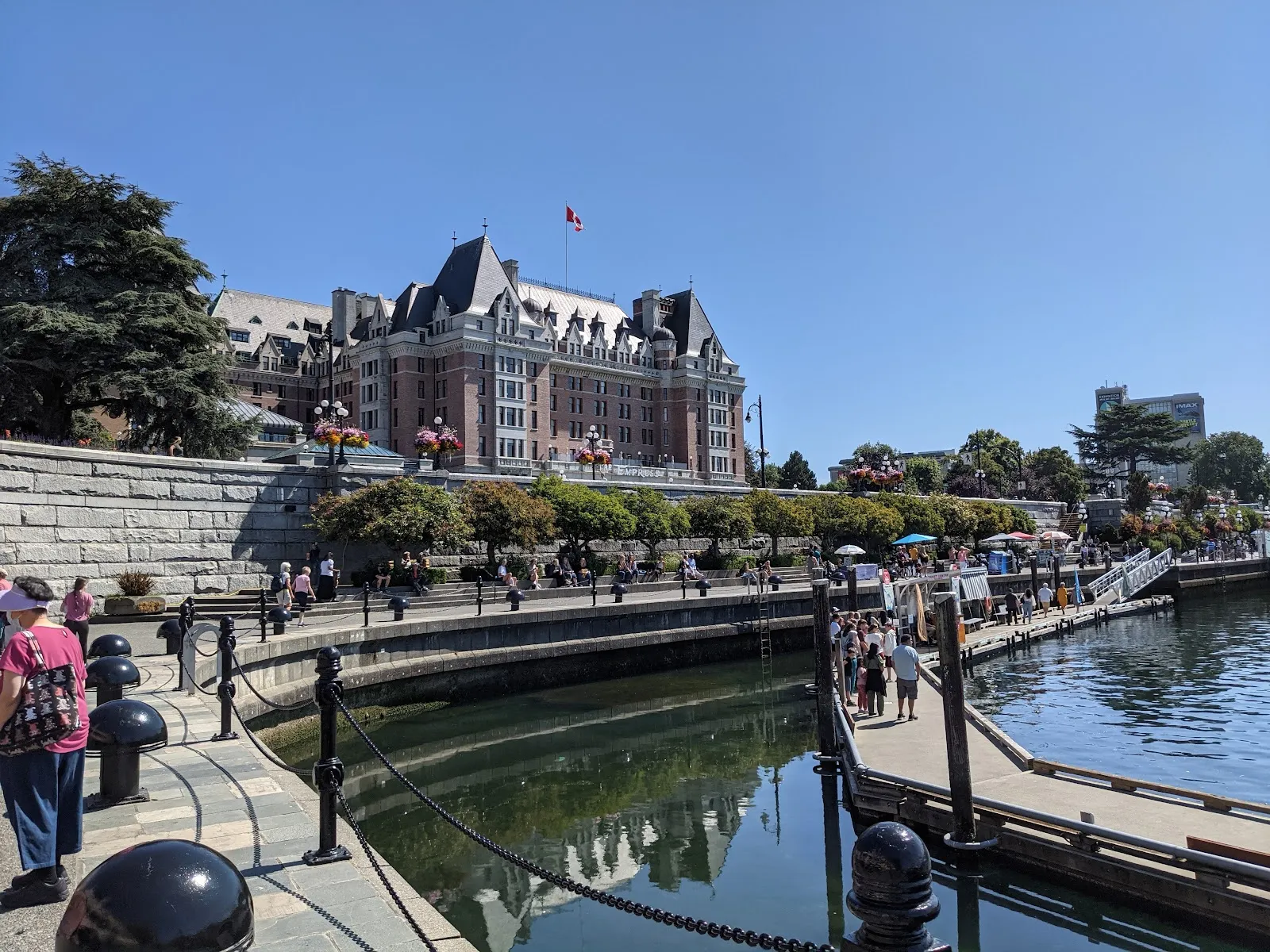


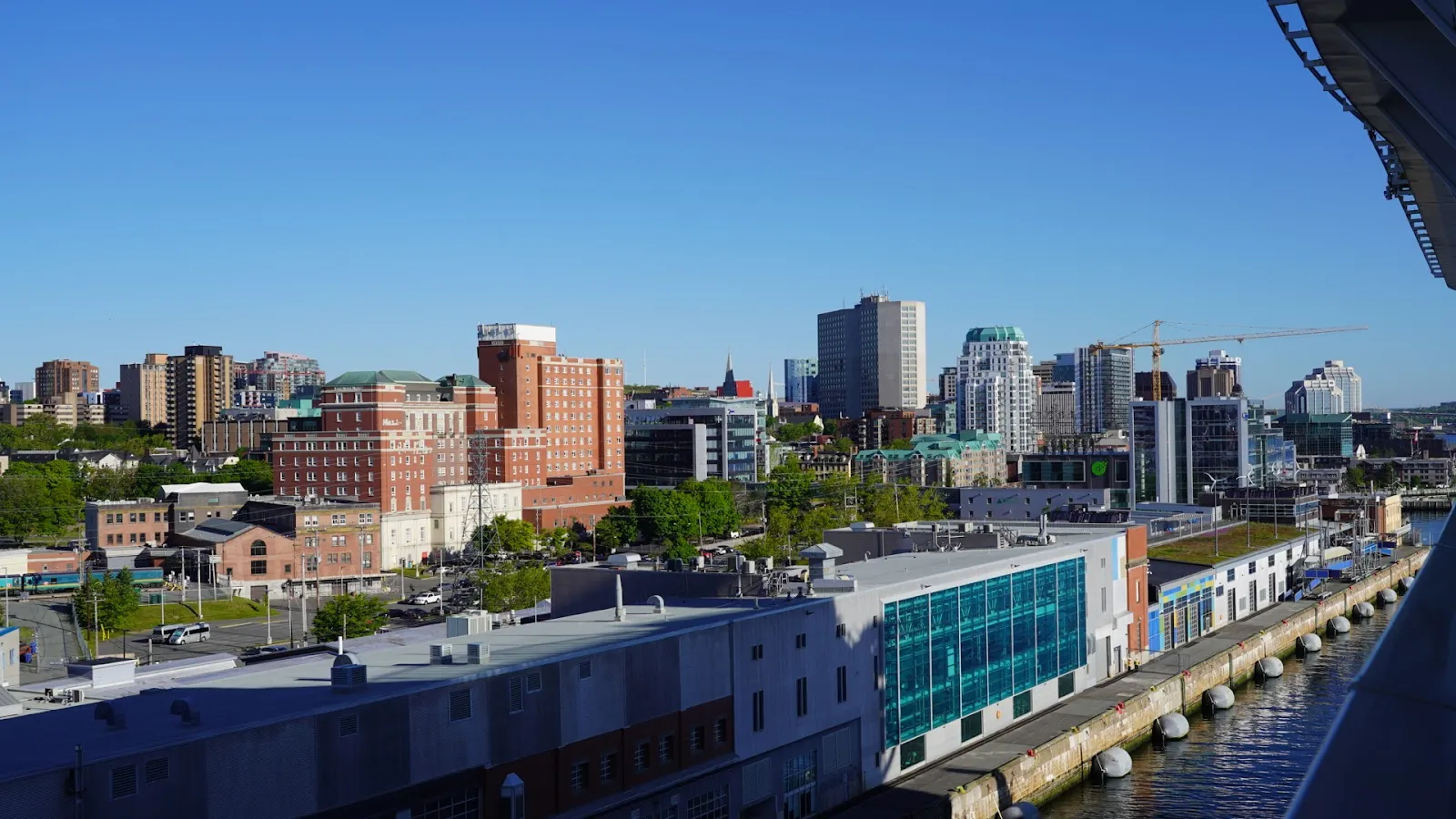
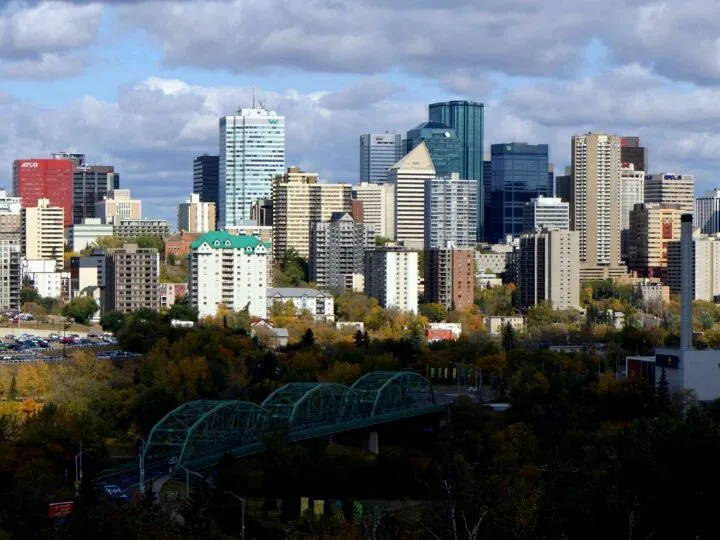
Weather in Waterloo
Waterloo, Canada experiences a humid continental climate characterized by four distinct seasons, with cold, snowy winters and warm, humid summers. The city receives an average annual precipitation of approximately 37 inches (940 mm), with September being the wettest month, averaging 3.7 inches (94 mm) of rainfall.
Seasonal Breakdown
- Spring (March to May)Temperatures gradually rise from an average high of 39°F (4°C) in March to 66°F (19°C) in May. Rainfall increases during this period, with May receiving the most precipitation, averaging 3.5 inches (89 mm).
- Summer (June to August)The hottest months, with average highs ranging from 75°F (24°C) in June to 81°F (27°C) in July. Rainfall is moderate, averaging around 3.1 inches (79 mm) per month.
- Autumn (September to November)Temperatures gradually decrease from an average high of 72°F (22°C) in September to 45°F (7°C) in November. Rainfall remains moderate, with September being the wettest month, averaging 3.7 inches (94 mm).
- Winter (December to February)The coldest period, with average highs ranging from 30°F (-1°C) in December to 28°F (-2°C) in February. Snowfall is significant, averaging about 50 inches (1270 mm) throughout the winter months.
Notable Weather Events
- Heavy snowfalls during winter months
- Occasional heatwaves in summer
- Thunderstorms in late spring and summer
Waterloo's Political Climate
Waterloo, located in the province of Ontario, Canada, is known for its vibrant political climate that reflects a blend of progressive and traditional values. The city is governed by a mayor-council system, with the mayor serving as the chief executive officer. Waterloo's political landscape is shaped by its strong emphasis on education, technology, and innovation, largely influenced by the presence of renowned institutions like the University of Waterloo.
Historically, Waterloo has been a hub for technological advancement and research, which has significantly influenced its political priorities. The city has been proactive in implementing policies that support sustainable development and environmental conservation. Recent initiatives include investments in green infrastructure and renewable energy projects, reflecting the city's commitment to combating climate change.
Waterloo's political climate is also characterized by a focus on social justice and inclusivity. The city has launched several programs aimed at enhancing community engagement and addressing issues such as affordable housing and diversity. These efforts are supported by a politically active community that values transparency and accountability in governance.
Recent political trends in Waterloo include a growing emphasis on digital governance and smart city initiatives. The city has been exploring ways to integrate technology into public services to improve efficiency and accessibility. This forward-thinking approach is indicative of Waterloo's broader political strategy to position itself as a leader in innovation and sustainability.
Political Quick Facts
- Voter Turnout68%
- City GovernanceMayor-council system
- CompositionMajority Liberal with representation from Conservative and Green parties
- Recent Political ChangesIntroduction of new digital governance policies and increased funding for green projects
- EngagementHigh, with active participation in local initiatives and public forums
- Political ScorecardA- for transparency and governance
- Legislative PrioritiesSustainability and environmental conservation Affordable housing Digital governance and smart city development
- Public OpinionGenerally progressive with strong support for environmental and social policies
Notable Political Figures
- Dave JaworskyCurrent Mayor of Waterloo, known for his focus on innovation and sustainability.
- Catherine FifeMember of Provincial Parliament for Waterloo, advocate for education and social justice.
- Bardish ChaggerFormer Member of Parliament, known for her work on diversity and inclusion.