Quality of life in Chía
Cost of Living, Healthcare, Safety, Education, and More
About Chía
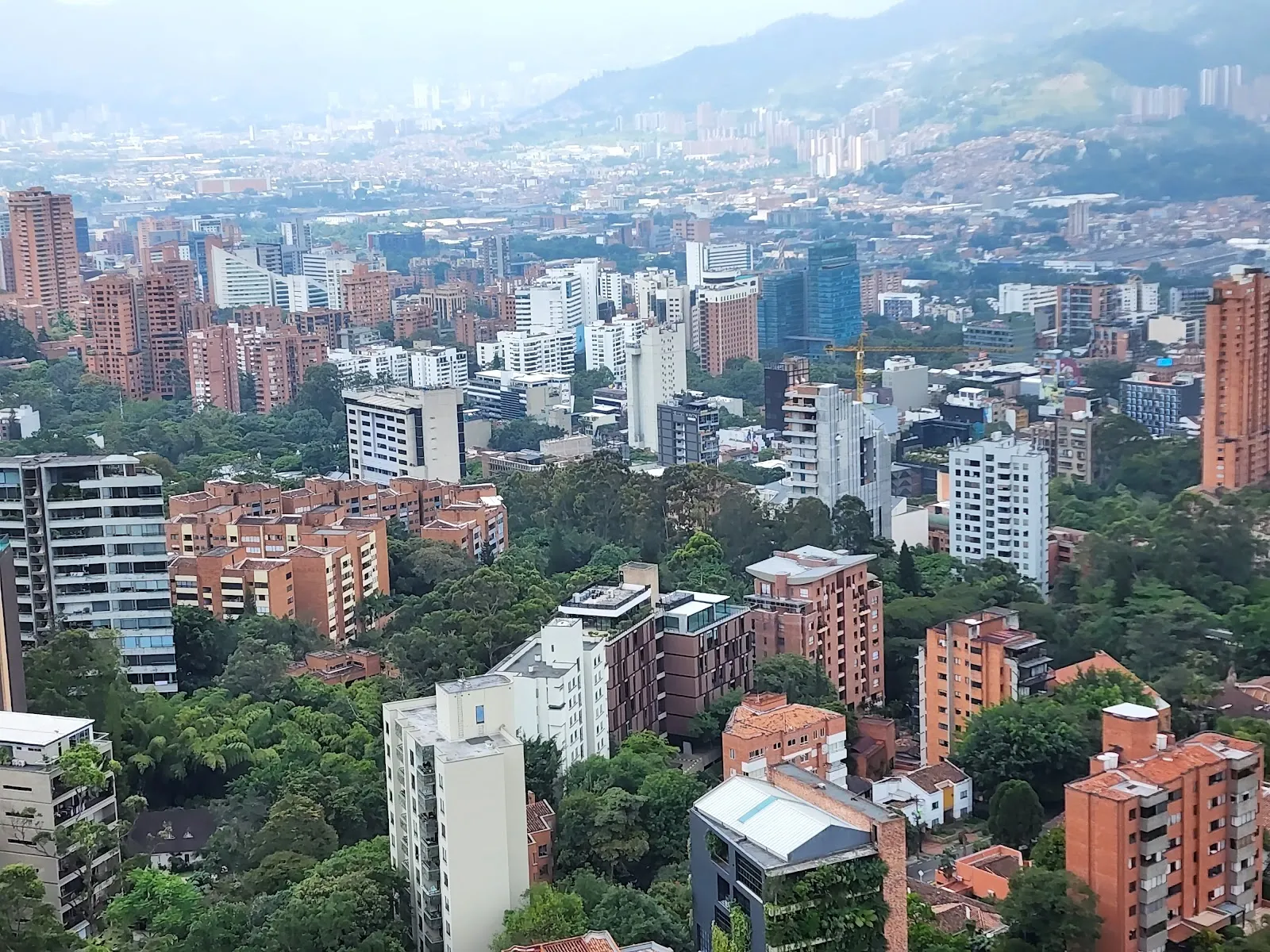
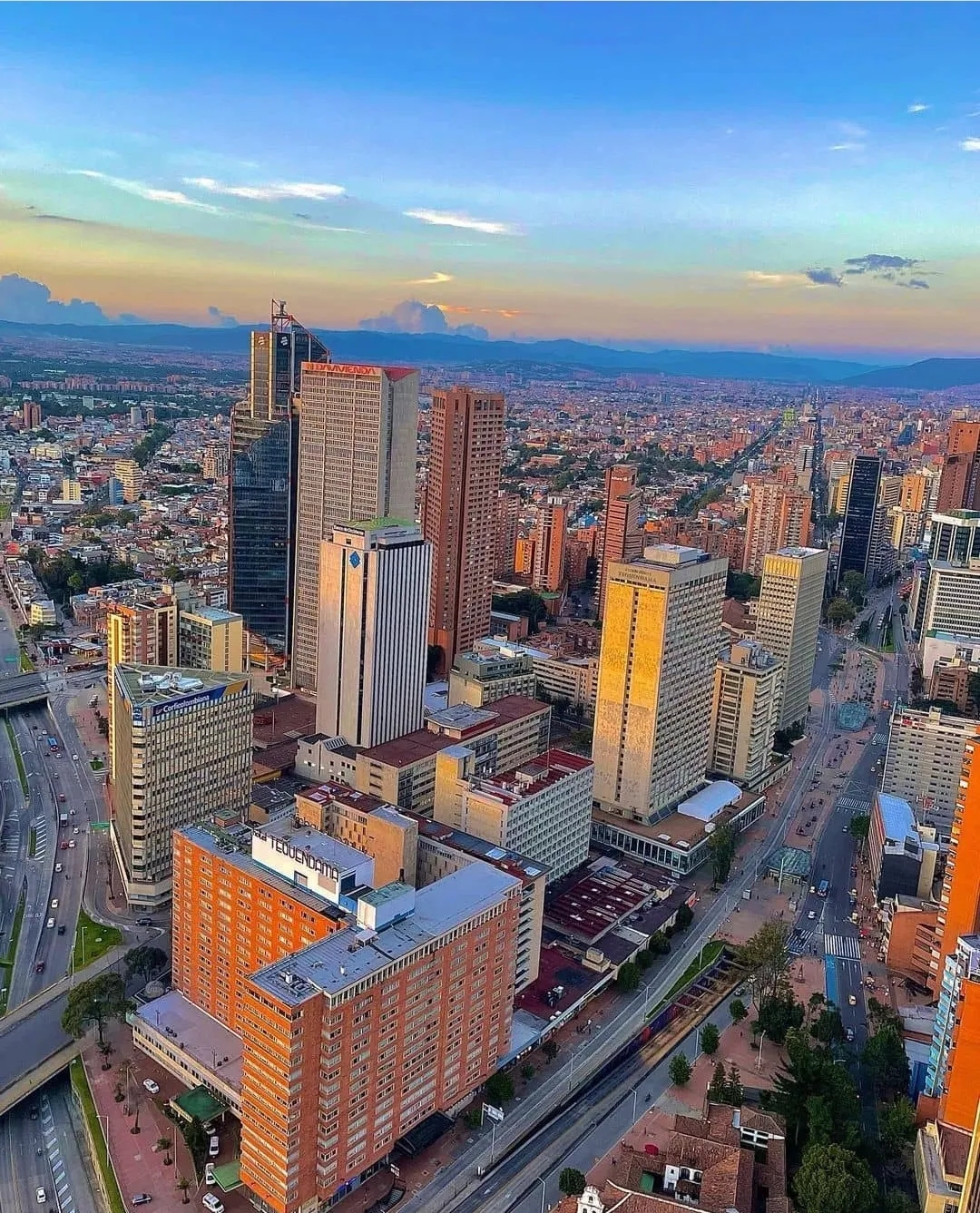
Chía, located in the Cundinamarca department of Colombia, is a vibrant city known for its rich cultural heritage and dynamic growth. Situated just north of Bogotá, it serves as a suburban retreat with a unique blend of traditional charm and modern amenities. The city is renowned for its lively festivals, diverse culinary scene, and a strong sense of community.In recent years, Chía has experienced significant development, attracting both residents and businesses seeking a balance between urban convenience and a more relaxed lifestyle. The city's strategic location near the capital makes it an attractive destination for those looking to enjoy the benefits of both worlds.History and Culture
Chía has a rich history that dates back to pre-Columbian times when it was inhabited by the Muisca people. The city was named after the Muisca goddess of the moon, reflecting its deep-rooted indigenous heritage. During the Spanish colonization, Chía became an important agricultural center, contributing to the region's economic development.
Culturally, Chía is a melting pot of traditions and modern influences. The city hosts numerous cultural events throughout the year, including the Festival de la Luna, which celebrates its indigenous roots with music, dance, and traditional crafts. The presence of various cultural institutions, such as theaters and galleries, further enriches the city's artistic landscape.
Chía's ethnic diversity is reflected in its vibrant community life, where different cultural backgrounds come together to create a unique social fabric. This diversity is celebrated through local festivals and culinary offerings that showcase the city's multicultural identity.
Things to do in Chía
Visitors to Chía can explore a variety of attractions and activities that highlight the city's cultural and natural beauty. The Andrés Carne de Res, a famous restaurant and entertainment venue, offers a unique dining experience with live music and performances.
For those interested in history, the Puente del Común, a colonial-era bridge, provides a glimpse into the city's past. Nature enthusiasts can enjoy the nearby Chingaza National Natural Park, which offers hiking trails and stunning landscapes.
Chía also hosts several annual events, such as the Festival de la Luna and the Feria de las Flores, which attract visitors from all over the country. These events are perfect opportunities to experience the local culture and traditions firsthand.
Quality of Life Rankings
Weather in Chía
Chía, Colombia experiences a subtropical highland climate characterized by mild temperatures throughout the year, with little variation between seasons. The city is situated at a high altitude, which contributes to its cooler climate compared to other regions in Colombia. Chía receives an average annual precipitation of approximately 39 inches (1000 mm), with October being the wettest month, averaging around 5.5 inches (140 mm) of rainfall.
Seasonal Breakdown
- Spring (March to May)Temperatures remain mild, with average highs around 68°F (20°C) and lows around 50°F (10°C). Rainfall is moderate, with April and May experiencing increased precipitation, averaging around 4 inches (100 mm) per month.
- Summer (June to August)The warmest period, though temperatures remain mild, with average highs around 70°F (21°C) and lows around 52°F (11°C). Rainfall is relatively consistent, averaging around 3.5 inches (90 mm) per month.
- Autumn (September to November)Temperatures begin to cool slightly, with average highs around 68°F (20°C) and lows around 50°F (10°C). October is the wettest month, with rainfall peaking at around 5.5 inches (140 mm).
- Winter (December to February)The coolest period, with average highs around 66°F (19°C) and lows around 48°F (9°C). Rainfall decreases slightly, averaging around 3 inches (75 mm) per month.
Notable Weather Events
- Occasional heavy rainfall during the wettest months, particularly in October.
- Rare instances of hail due to the high altitude and cooler temperatures.
Chía's Political Climate
Chía, located in Colombia, is a city with a dynamic political climate that reflects both its historical roots and modern aspirations. The city is governed by a mayor-council system, where the mayor holds significant executive power, and the council is responsible for legislative functions. Historically, Chía has been influenced by the broader political trends of Colombia, with a mix of conservative and liberal ideologies shaping its governance.
In recent years, Chía has seen a shift towards more progressive policies, particularly in areas such as environmental sustainability and urban development. The city has implemented initiatives aimed at reducing carbon emissions and promoting green spaces, reflecting a growing commitment to environmental issues. Social justice has also been a focal point, with efforts to improve public services and enhance community engagement.
The political climate in Chía is also shaped by its economic strategies, which prioritize innovation and technology to drive growth. This focus on economic development is balanced with social policies that aim to reduce inequality and improve the quality of life for all residents. Recent political events have included local movements advocating for greater transparency and accountability in government, which have influenced policy directions and increased civic participation.
Political Quick Facts
- Voter Turnout68%
- City GovernanceMayor-Council System
- Composition5 Liberals, 3 Conservatives, 2 Independents
- Recent Political ChangesIncreased focus on environmental policies and transparency initiatives.
- EngagementHigh, with active participation in local governance and community initiatives.
- Political ScorecardB+ for governance and transparency
- Legislative PrioritiesEnvironmental sustainability Urban development Social justice
- Public OpinionResidents generally favor progressive policies, with strong support for environmental and social initiatives.
Notable Political Figures
- Juan PérezCurrent mayor known for his focus on sustainability and innovation.
- Maria GomezCity council member advocating for social justice and public health.
- Carlos RodriguezLocal activist and leader of transparency initiatives.