Crime and Pollution in Limassol
The following data and statistics on crime, pollution, and overall safety in Limassol are derived from a combination of trusted public sources and insights gathered from over 99 user contributions.This comprehensive approach helps provide a balanced view of the city's crime rates, environmental concerns, air quality, and public safety. By aggregating information from government reports, environmental studies, and direct feedback from residents, we aim offer an up-to-date and thorough analysis of key factors impacting quality of life in Limassol.Crime Data in Limassol
Crime Perception and Concerns
In 2024, Limassol's crime data suggests a low level of overall crime, with residents generally confident in their safety both during the day and at night.
There is, however, a prevailing sense that crime might be on the rise, influenced by perceptions of corruption and bribery.
Some notable concerns include:
- Property CrimesConcerns about property crimes in Limassol are minimal, with residents expressing low levels of worry about thefts and home break-ins.
- Drug-Related IssuesDrug-related problems are not seen as significant by the residents of Limassol, contributing to a sense of safety and stability in the community.
- Violent CrimesThe fear of violent crimes such as muggings or physical assaults is notably low, reinforcing Limassol's reputation as a safe city.
- Public SafetyResidents of Limassol feel overwhelmingly safe when alone during daylight hours, and relatively safe at night, highlighting effective community policing and social cohesion.
Crime Trends and Safety
- Rising Crime ConcernsDespite the low crime index, there is a strong perception that crime is increasing, which could be linked to broader concerns about corruption.
- Specific FearsWorries about being insulted or attacked based on ethnicity, skin color, or religion are significantly low, showcasing Limassol's tolerant social climate.
Crime Rankings
Limassol ranks 1st on the Crime rankings in Cyprus.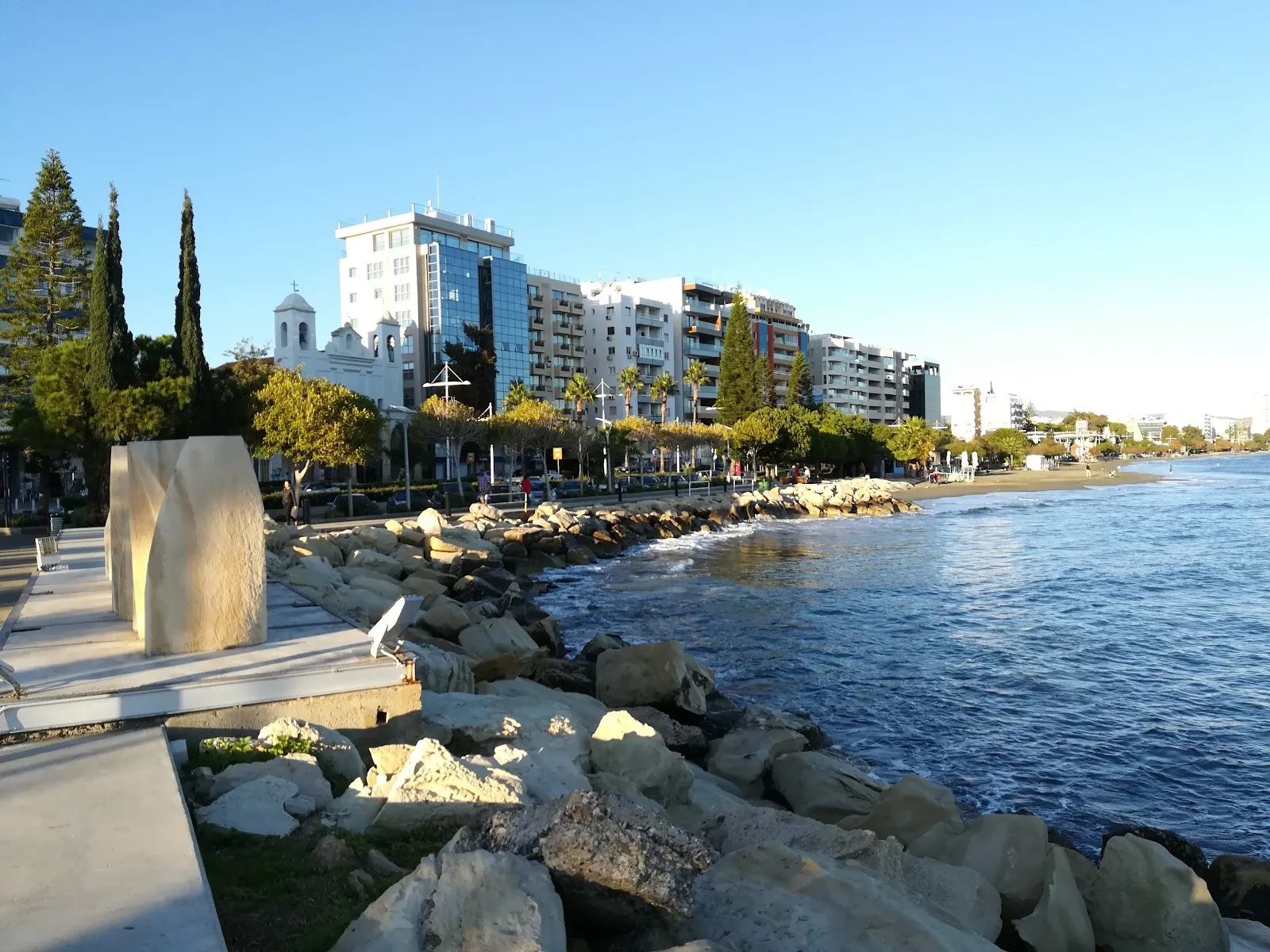
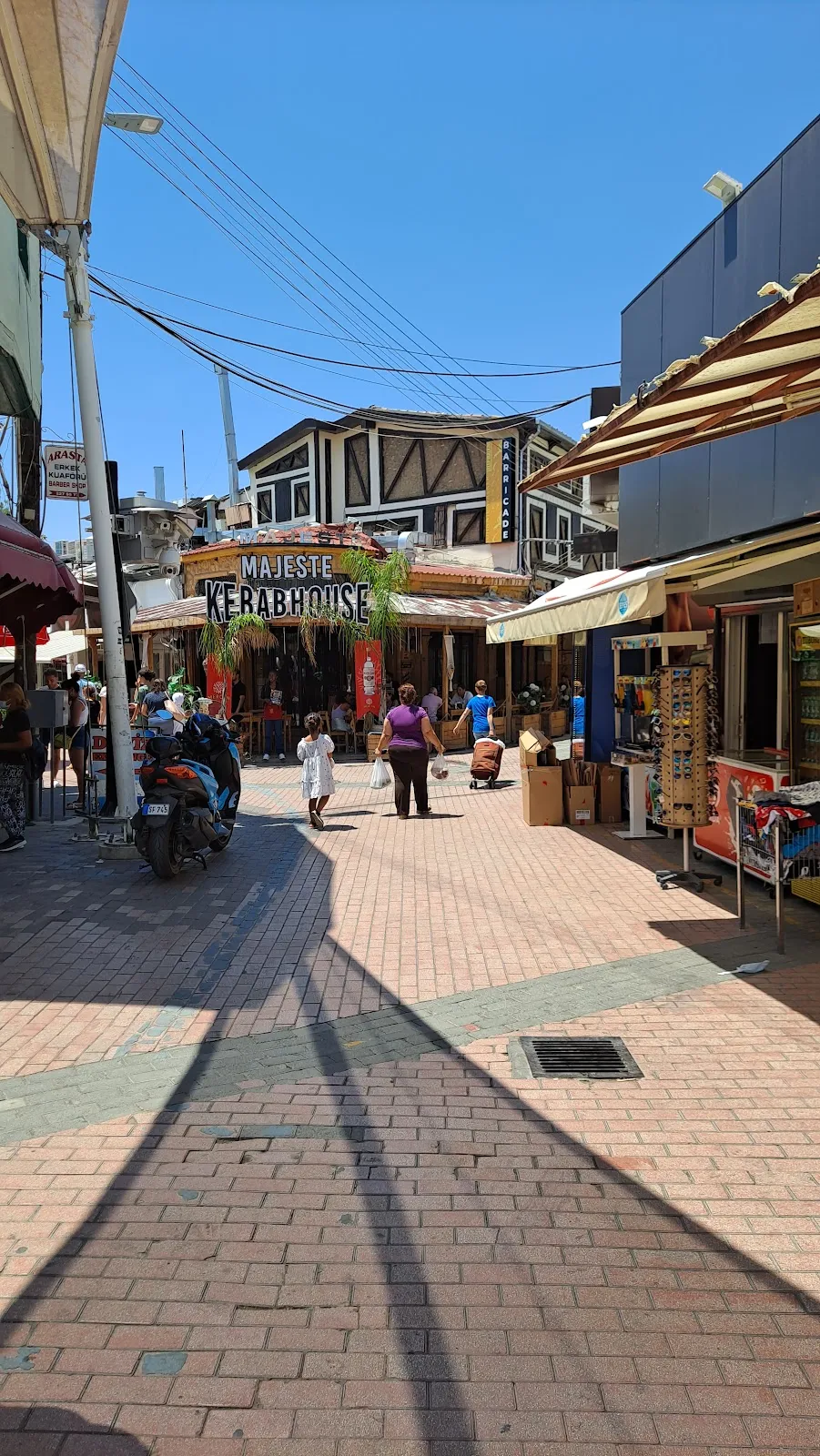
Pollution Data in Limassol
Air Quality and Pollution Levels
Limassol faces challenges with its air quality, driven largely by urban activity, but maintains a moderate stance on pollution levels.
PM2.5 and PM10 levels are higher than desired, impacting vulnerable groups and influencing general public health.
- PM2.5 (Fine Particulate Matter)The PM2.5 levels suggest a need for ongoing monitoring and action to protect sensitive groups, although overall air quality impacts are moderate.
- PM10 (Coarse Particulate Matter)With PM10 levels at 39, the city approaches levels that could pose health concerns, especially during periods of high urban activity and weather changes.
Waste and Noise Pollution
Waste management and noise pollution continue to present issues, especially in densely populated and commercialized areas of Limassol.
Noise pollution concerns are mild but present, affected by traffic and nightlife.
- Garbage Disposal SatisfactionGarbage disposal services are not meeting public expectations in certain areas, leading to dissatisfaction and calls for improved city services.
- Noise and Light PollutionNoise pollution, while not overwhelming, remains a point of concern, with residents noting disturbances from traffic and nightlife affecting their quality of life.
Green Spaces and Water Quality
While Limassol lacks in green space sufficiency, there remains a resident appreciation for the existing parks, although there's room for improvement.
Water quality receives mixed reviews with room for ensuring greater accessibility and purity, crucial for maintaining public trust and health.
- Green and Parks QualityCurrent green spaces are valued but considered insufficient, with efforts needed to expand and enhance these environmental assets for better community health.
- Drinking Water QualityThe drinking water quality, while safe, presents opportunities for further assurance of purity and accessibility. Ensuring consistent water standards is pivotal for residents' well-being.