
Quality of life in Goma
Cost of Living, Healthcare, Safety, Education, and More
About Goma
Goma, located in the eastern part of the Democratic Republic of the Congo, is a city known for its vibrant culture and strategic location near the Rwandan border. It serves as a gateway to the stunning natural beauty of the region, including the majestic Lake Kivu and the renowned Virunga National Park.The city is characterized by its resilience and dynamic atmosphere, with a population that reflects a rich tapestry of ethnic diversity. Goma is a hub for humanitarian efforts and international organizations, playing a crucial role in regional development and peacebuilding initiatives.


History and Culture
Goma's history is deeply intertwined with the broader historical narratives of the Democratic Republic of the Congo. The city has been a focal point during various conflicts, including the Rwandan Genocide, which led to a significant influx of refugees in the 1990s. This period marked a transformative era for Goma, shaping its demographic and cultural landscape.
Culturally, Goma is a melting pot of traditions and influences, with a vibrant arts scene that includes music, dance, and visual arts. The city hosts numerous cultural festivals that celebrate its diverse heritage, offering a platform for local artists and performers to showcase their talents.
Notable cultural landmarks include the Goma Volcano Observatory, which monitors the nearby Nyiragongo volcano, and the bustling local markets that offer a glimpse into the daily life and traditions of its residents. The influence of various ethnic groups is evident in the city's cuisine, languages, and social practices, contributing to its unique cultural identity.
Related Videos
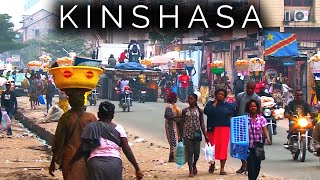
Kinshasa, Congo: Africa's Largest MEGACITY

VOA Interview: DRC’s Goma ‘under foreign occupation’ by Rwanda, foreign minister says

Water Quality in the Democratic Republic of Congo

Congo Goma Kituku Market I Boy making fire I Full HD V1 0030 Clip #295

DR Congo's displaced struggle to survive

Goma the cleanest city in the Democratic Republic of Congo(DRC)? // Explore Goma now(Part 1)

The Truth About Living In Democratic Republic Of Congo \DRC

This African city is cleaner than your city!! #shorts #travel #africa

Problems of getting access to clean and safe water in Goma DRC
Things to do in Goma
Visitors to Goma can explore the breathtaking landscapes of Virunga National Park, home to the endangered mountain gorillas and the active Nyiragongo volcano. The park offers guided treks and safaris, providing an unforgettable experience for nature enthusiasts.
Lake Kivu, one of Africa's Great Lakes, is another major attraction. It offers opportunities for boating, fishing, and relaxing by the scenic shores. The lake's islands and surrounding hills provide picturesque settings for hiking and bird watching.
Goma's vibrant markets and local eateries offer a taste of Congolese cuisine, with dishes that reflect the city's diverse cultural influences. The city also hosts various cultural events and festivals throughout the year, celebrating its rich heritage and community spirit.
Weather in Goma
Goma, Democratic Republic of the Congo experiences a tropical rainforest climate characterized by relatively consistent temperatures throughout the year and significant rainfall. The city receives an average annual precipitation of approximately 53 inches (1350 mm), with April being the wettest month, averaging around 7 inches (180 mm) of rainfall.
Seasonal Breakdown
- Spring (March to May)Temperatures remain steady with average highs around 77°F (25°C) and lows around 63°F (17°C). Rainfall is abundant, with April being the peak of the rainy season, receiving the most precipitation.
- Summer (June to August)Temperatures continue to be consistent, with average highs around 77°F (25°C) and lows around 61°F (16°C). Rainfall decreases slightly, but the region still experiences significant precipitation, averaging around 4 inches (100 mm) per month.
- Autumn (September to November)Temperatures remain stable with average highs around 77°F (25°C) and lows around 63°F (17°C). Rainfall begins to increase again, particularly in November, averaging around 6 inches (150 mm).
- Winter (December to February)Temperatures are consistent with the rest of the year, with average highs around 77°F (25°C) and lows around 63°F (17°C). Rainfall is substantial, especially in December, averaging around 5 inches (130 mm).
Notable Weather Events
- Heavy rainfall during the rainy season, particularly in April.
- Potential for localized flooding due to intense rain.
- Occasional volcanic activity from nearby Mount Nyiragongo, which can impact weather patterns.
Goma's Political Climate
Goma, located in the eastern part of the Democratic Republic of the Congo, is a city with a complex and dynamic political climate. The city serves as the capital of the North Kivu province and has been a focal point of political and military activity due to its strategic location near the Rwandan border. The political landscape in Goma is heavily influenced by the broader national politics of the DRC, which is characterized by a history of conflict, political instability, and efforts towards democratization.
The governance of Goma is intertwined with the challenges faced by the DRC, including issues of security, governance, and economic development. The city has seen various political leaders over the years, each grappling with the task of maintaining stability in a region often affected by armed groups and humanitarian crises. The current political leadership in Goma is focused on improving security, fostering economic growth, and addressing social issues such as poverty and education.
Goma has been at the forefront of several progressive initiatives, particularly in the areas of environmental sustainability and social justice. Efforts to improve infrastructure and public services are ongoing, with a focus on rebuilding and development following years of conflict. The city's political climate is also shaped by international aid and partnerships aimed at promoting peace and development.
Recent political events in Goma include efforts to strengthen local governance and increase civic participation. The city has seen a rise in political engagement among its residents, with local movements advocating for transparency, accountability, and human rights. These movements reflect a growing desire for change and reform within the city's political framework.
Political Quick Facts
- Voter TurnoutApproximately 60% of eligible voters participated in the most recent elections.
- City GovernanceGoma is governed by a mayor-council system, with the mayor being the chief executive officer of the city.
- CompositionThe city council is composed of members from various political parties, with a significant representation from the UDPS and other local parties.
- Recent Political ChangesRecent changes include increased efforts to decentralize governance and enhance local administrative capacities.
- EngagementPolitical engagement in Goma is on the rise, with active participation from civil society organizations and local advocacy groups.
- Political ScorecardGoma's governance is rated as improving, with ongoing efforts to enhance transparency and accountability.
- Legislative PrioritiesImproving security and reducing the influence of armed groups Enhancing infrastructure and public services Promoting economic development and job creation
- Public OpinionResidents of Goma generally support initiatives aimed at peacebuilding and development, with a strong emphasis on security and economic opportunities.
Notable Political Figures
- Jean Bosco SebishimboCurrent Mayor of Goma, known for his efforts in improving city infrastructure and security.
- Julienne LusengeA prominent human rights activist advocating for women's rights and peace in the region.
- Vital KamerheA significant political figure in the DRC, with influence in Goma's political landscape.