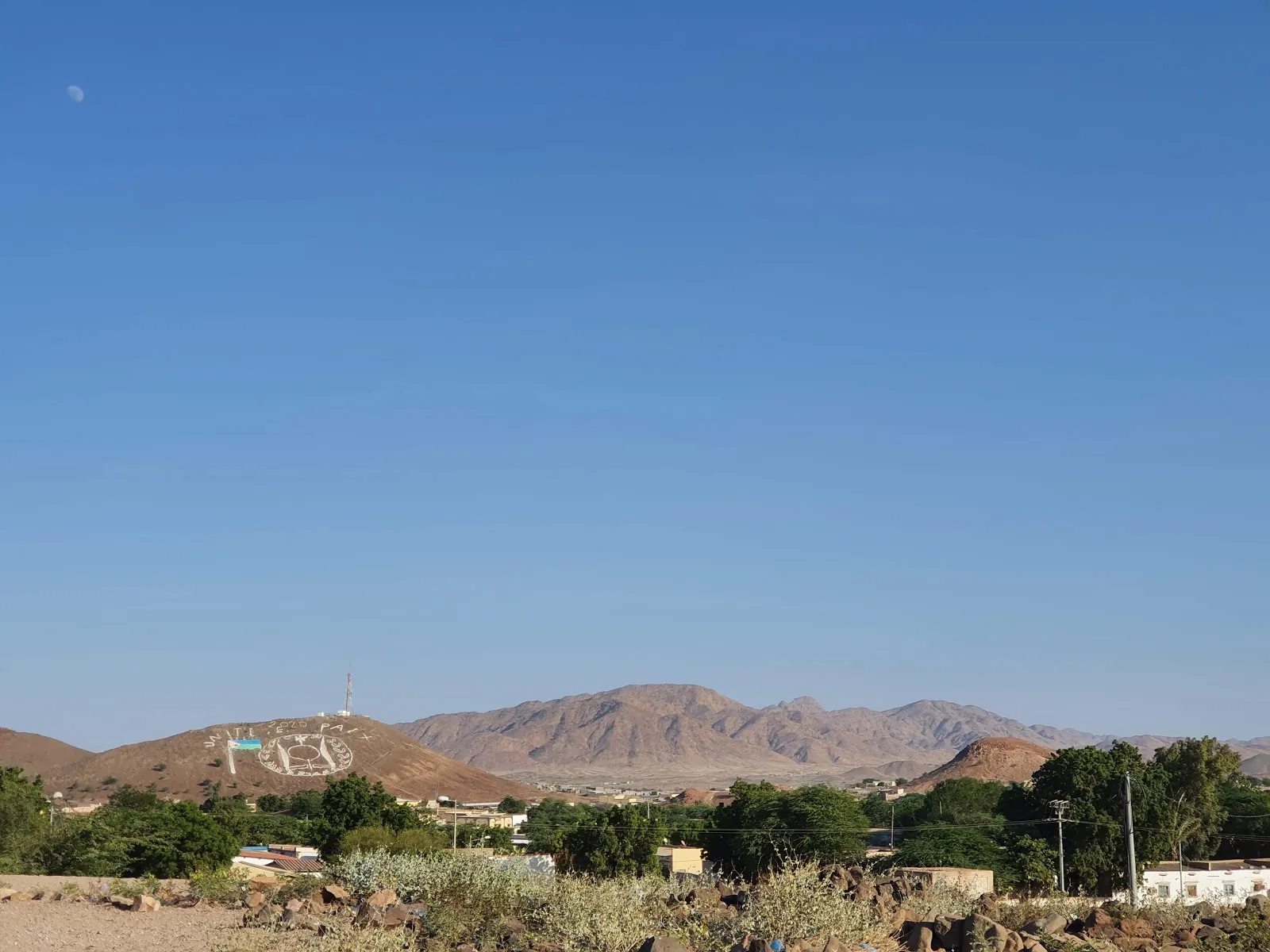
Quality of life in Djibouti
Cost of Living, Healthcare, Safety, Education, and More
About Djibouti
Djibouti, the capital city of the Republic of Djibouti, is a vibrant and strategically located city on the Horn of Africa. Known for its unique blend of cultures, Djibouti serves as a major port city, connecting Africa, the Middle East, and beyond. Its economy is heavily reliant on port activities, trade, and logistics, making it a bustling hub of commerce and industry.The city is characterized by its multicultural atmosphere, with influences from French, Arab, and African cultures. This diversity is reflected in its cuisine, language, and daily life, offering a rich tapestry of experiences for both residents and visitors. Djibouti is also known for its stunning natural landscapes, including the nearby Gulf of Tadjoura and Lake Assal, one of the saltiest bodies of water in the world.


History and Culture
Djibouti's history is deeply intertwined with its strategic location along the Red Sea. Historically, it has been a crossroads for trade and migration, with influences from various civilizations, including the Egyptians, Greeks, and Romans. In the 19th century, it became a French colony, which significantly shaped its cultural and political landscape.
The city gained independence in 1977, marking a new era of self-governance and development. Djibouti's cultural scene is vibrant, with a mix of traditional and modern influences. The city hosts several cultural institutions, including the National Museum of Djibouti, which showcases the country's rich history and heritage.
Djibouti is also known for its music and dance, which are integral parts of its cultural identity. Traditional dances such as the 'Saar' and 'Buraanbur' are performed during celebrations and festivals, reflecting the city's Somali and Afar heritage. The annual Djibouti International Trade Fair is a significant event that highlights the city's role as a commercial hub.
Related Videos

Exploring Africa's Strangest Country (Djibouti)

Somalis Are NOT Like Other Africans

DJIBOUTI,DJIBOUTI

Cool facts about Djibouti!

Djibouti Djibouti City Popular gas station brands Garaad Energy, Total

Why Are There So Many Military Bases in Djibouti?

Reconoce Djibouti labor de cooperantes de Cuba en la calidad de vida de sus ciudadanos

Africa 5 Star Hotel | Kempinski Hotel Djibouti

Djibouti - santhosh george kulangara #shorts #kerala #trending #santhosh #santhoshgeorgekulangara
Things to do in Djibouti
Visitors to Djibouti can explore a variety of attractions and activities. The city's vibrant markets, such as the Central Market, offer a glimpse into local life and an opportunity to purchase traditional crafts and spices. For those interested in history, the Presidential Palace and the Hamoudi Mosque are notable landmarks.
Nature enthusiasts can venture to the nearby Lake Assal, a stunning salt lake located below sea level, or enjoy a day trip to the Day Forest National Park, home to diverse wildlife and lush landscapes. The Gulf of Tadjoura offers excellent opportunities for diving and snorkeling, with its rich marine biodiversity.
Djibouti's culinary scene is a must-experience, with local dishes such as 'Skoudehkaris' (a spiced lamb stew) and 'Fah-fah' (a spicy soup) offering a taste of the region's flavors. The city's cafes and restaurants provide a mix of traditional and international cuisines, catering to diverse palates.
Weather in Djibouti
Djibouti, Djibouti experiences a hot desert climate characterized by extremely high temperatures and minimal rainfall throughout the year. The city receives an average annual precipitation of approximately 5 inches (125 mm), with November being the wettest month, averaging about 1 inch (25 mm) of rainfall.
Seasonal Breakdown
- Spring (March to May)Temperatures during spring are already quite high, with average highs ranging from 88°F (31°C) in March to 100°F (38°C) in May. Rainfall is scarce, but occasional showers may occur, particularly in May.
- Summer (June to August)The hottest months of the year, with average highs soaring from 104°F (40°C) in June to 106°F (41°C) in July. Rainfall is almost nonexistent during the summer months.
- Autumn (September to November)Temperatures begin to decrease slightly, with average highs ranging from 102°F (39°C) in September to 90°F (32°C) in November. November is the wettest month, receiving about 1 inch (25 mm) of rainfall.
- Winter (December to February)The coolest period of the year, with average highs ranging from 85°F (29°C) in December to 83°F (28°C) in February. Rainfall remains minimal, with January being particularly dry.
Notable Weather Events
- Heatwaves are common during the summer months, with temperatures often exceeding 110°F (43°C).
- Occasional dust storms can occur, particularly during the dry season.
- Rare but intense rain showers can lead to flash flooding, especially in November.
Djibouti's Political Climate
Djibouti, the capital city of the Republic of Djibouti, is a pivotal hub in the Horn of Africa, both politically and economically. The city's political landscape is heavily influenced by its strategic location at the crossroads of major international shipping lanes. This has made Djibouti a focal point for international military bases and geopolitical interests, particularly from countries like the United States, China, and France.
The political history of Djibouti City is marked by its transition from a French colony to an independent nation in 1977. Since independence, the political scene has been dominated by the People's Rally for Progress (RPP), which has maintained a strong grip on power. The current political leadership is characterized by President Ismaïl Omar Guelleh, who has been in power since 1999. His administration has focused on economic development, leveraging Djibouti's strategic location to attract foreign investment.
Djibouti City has implemented several progressive policies, particularly in the areas of infrastructure development and regional integration. The city is a key player in the African Union's efforts to enhance connectivity and trade across the continent. However, challenges such as unemployment, poverty, and political dissent remain significant issues.
The political climate in Djibouti City significantly influences its economic and social policies. The government's focus on infrastructure and foreign investment has led to rapid urban development, but it has also raised concerns about environmental sustainability and social equity. Recent political events include efforts to amend the constitution to extend presidential term limits, which have sparked debates about democratic governance and political reform.
Political Quick Facts
- Voter TurnoutApproximately 68% in the last national election
- City GovernanceCentralized governance under national government
- CompositionDominated by RPP with limited opposition representation
- Recent Political ChangesConstitutional amendments to extend presidential term limits
- EngagementModerate, with increasing youth activism
- Political ScorecardMixed ratings on governance and transparency
- Legislative PrioritiesInfrastructure development Foreign investment attraction Regional trade integration
- Public OpinionGenerally supportive of economic development policies, but concerns about political freedoms and social equity
Notable Political Figures
- Ismaïl Omar GuellehPresident of Djibouti since 1999, known for his focus on economic development and foreign relations.
- Abdoulkader Kamil MohamedPrime Minister of Djibouti, involved in national policy-making and governance.
- Fatouma Awaleh OsmanProminent political figure advocating for women's rights and social justice in Djibouti.