
Quality of life in Boca Chica
Cost of Living, Healthcare, Safety, Education, and More
About Boca Chica
Boca Chica, located on the southern coast of the Dominican Republic, is renowned for its stunning beaches and vibrant atmosphere. Known as a popular destination for both locals and tourists, the city offers a unique blend of relaxation and excitement. Its proximity to the capital, Santo Domingo, makes it an accessible getaway for those looking to enjoy the sun and sea.The city is characterized by its lively culture, with a strong emphasis on music, dance, and culinary delights. Boca Chica's local economy thrives on tourism, with numerous hotels, restaurants, and entertainment venues catering to visitors. The city is also known for its emerging trends in eco-tourism and sustainable travel, attracting environmentally conscious travelers.


History and Culture
Boca Chica's history is deeply intertwined with the development of the Dominican Republic as a whole. Originally a small fishing village, it gained prominence in the mid-20th century as a resort destination. The construction of the Las Américas International Airport in the 1950s significantly boosted its accessibility and popularity.
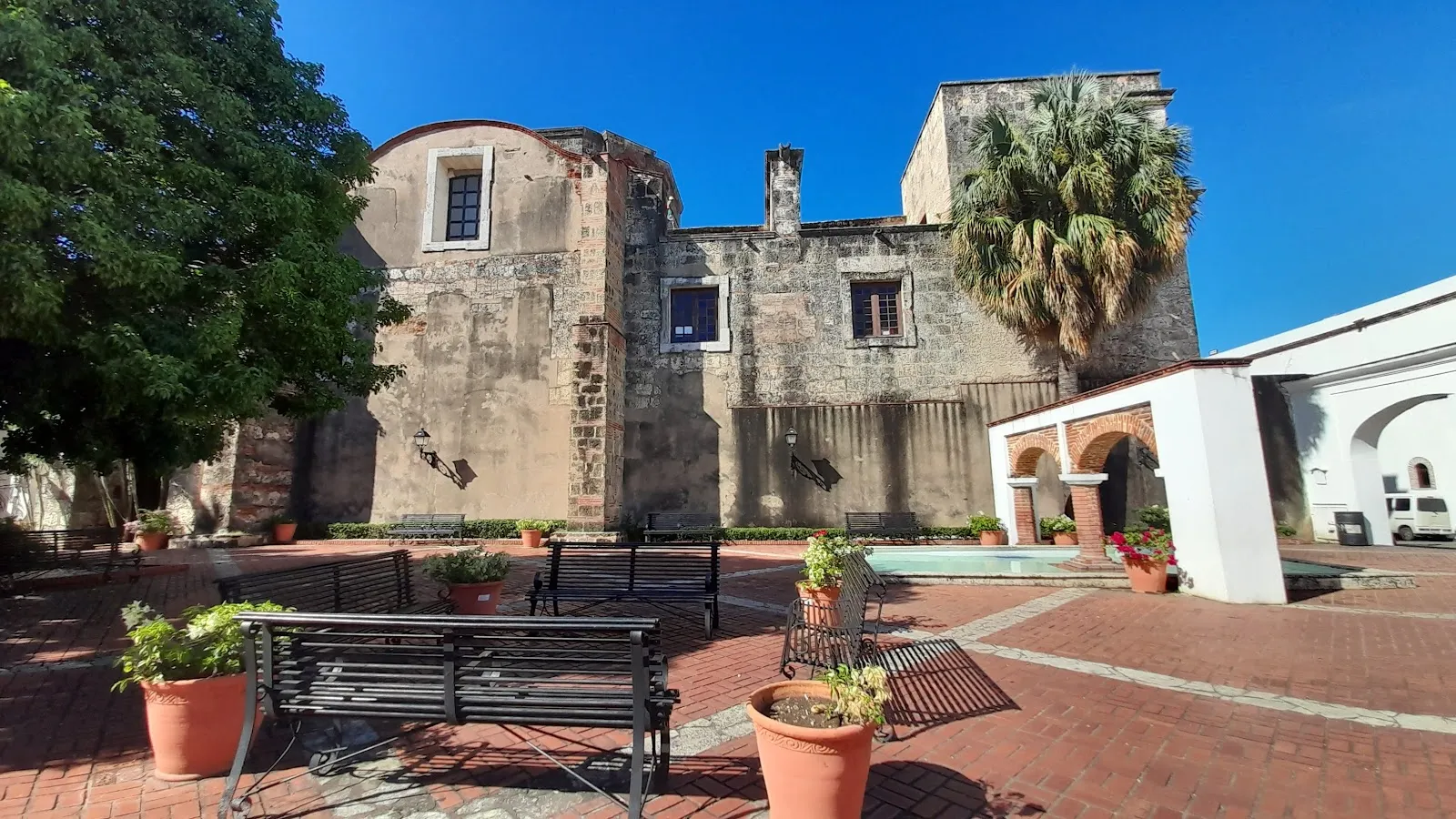
Culturally, Boca Chica is a melting pot of influences, with African, Taino, and European heritages shaping its vibrant traditions. The city is famous for its merengue and bachata music, which are integral to local celebrations and festivals. Notable cultural landmarks include the Iglesia San Rafael and the bustling local markets that offer a glimpse into the daily life of its residents.
The city's ethnic diversity is reflected in its culinary scene, where visitors can enjoy a variety of dishes ranging from fresh seafood to traditional Dominican fare. Festivals such as the Boca Chica Carnival showcase the city's cultural vibrancy, featuring parades, music, and dance that attract visitors from all over the world.
Things to do in Boca Chica
Boca Chica is best known for its beautiful beaches, with crystal-clear waters and soft white sand. Playa Boca Chica is the most famous, offering a range of water activities such as snorkeling, jet-skiing, and sailing. The beach is lined with bars and restaurants where visitors can enjoy local cuisine and refreshing cocktails.
For those interested in exploring beyond the beach, the nearby La Caleta Underwater National Park offers a unique diving experience with its underwater museum and diverse marine life. The park is a haven for divers and snorkelers looking to explore the vibrant coral reefs and shipwrecks.
Boca Chica's nightlife is another major attraction, with numerous clubs and bars offering live music and dancing. The city's vibrant nightlife scene is a testament to its lively culture, where visitors can dance the night away to the rhythms of merengue and bachata.
Quality of Life Rankings
Weather in Boca Chica
Boca Chica, Dominican Republic experiences a tropical climate characterized by warm temperatures throughout the year and distinct wet and dry seasons. The city receives an average annual precipitation of approximately 55 inches (1400 mm), with October being the wettest month, averaging 8 inches (200 mm) of rainfall.
Seasonal Breakdown
- Spring (March to May)Temperatures remain warm, with average highs ranging from 85°F (29°C) in March to 88°F (31°C) in May. Rainfall begins to increase towards the end of this period, with May receiving around 6 inches (150 mm) of rain.
- Summer (June to August)The hottest months, with average highs ranging from 88°F (31°C) in June to 90°F (32°C) in August. This period marks the beginning of the wet season, with July and August receiving significant rainfall, averaging around 7 inches (180 mm) per month.
- Autumn (September to November)Temperatures remain warm, with average highs around 88°F (31°C) in September, decreasing slightly to 86°F (30°C) in November. October is the wettest month, with rainfall peaking at 8 inches (200 mm).
- Winter (December to February)The coolest period, though still warm, with average highs ranging from 84°F (29°C) in December to 85°F (29°C) in February. Rainfall decreases significantly, averaging about 3 inches (75 mm) per month.
Notable Weather Events
- Hurricanes and tropical storms, particularly from June to November.
- Occasional heatwaves during the summer months.
- Heavy rainfall and potential flooding during the peak of the wet season in October.
Boca Chica's Political Climate
Boca Chica, a vibrant coastal city in the Dominican Republic, is known for its dynamic political climate that reflects the broader national trends. The city operates under a municipal government structure, with a mayor and a city council responsible for local governance. Historically, Boca Chica has been influenced by the political currents of the Dominican Republic, which have seen shifts between different political parties and ideologies.
Currently, the political leadership in Boca Chica is focused on addressing key issues such as tourism development, infrastructure improvement, and environmental sustainability. The city has implemented several progressive policies aimed at enhancing its appeal as a tourist destination while ensuring sustainable development. These include initiatives to improve waste management and promote eco-friendly tourism practices.
Boca Chica's political climate is also shaped by its socio-economic challenges, including poverty alleviation and education reform. The local government is actively working on policies to improve the quality of life for its residents, which in turn influences economic and social decisions. Recent political events have seen increased civic engagement, with local movements advocating for greater transparency and accountability in governance.
Political Quick Facts
- Voter Turnout65%
- City GovernanceMayor-Council system
- CompositionMajority PLD with minority representation from Modern Revolutionary Party (PRM)
- Recent Political ChangesIncreased focus on sustainable tourism and infrastructure projects.
- EngagementModerate, with growing interest in local governance and policy-making.
- Political ScorecardB+ for governance and transparency
- Legislative PrioritiesTourism development Infrastructure improvement Environmental sustainability
- Public OpinionGenerally supportive of progressive policies, with a strong emphasis on economic development and environmental protection.
Notable Political Figures
- Juan PerezCurrent mayor known for his focus on sustainable tourism.
- Maria GomezCity council member advocating for education reform.
- Carlos SanchezLocal activist pushing for greater transparency in government.