
Quality of life in Ambato
Cost of Living, Healthcare, Safety, Education, and More
About Ambato
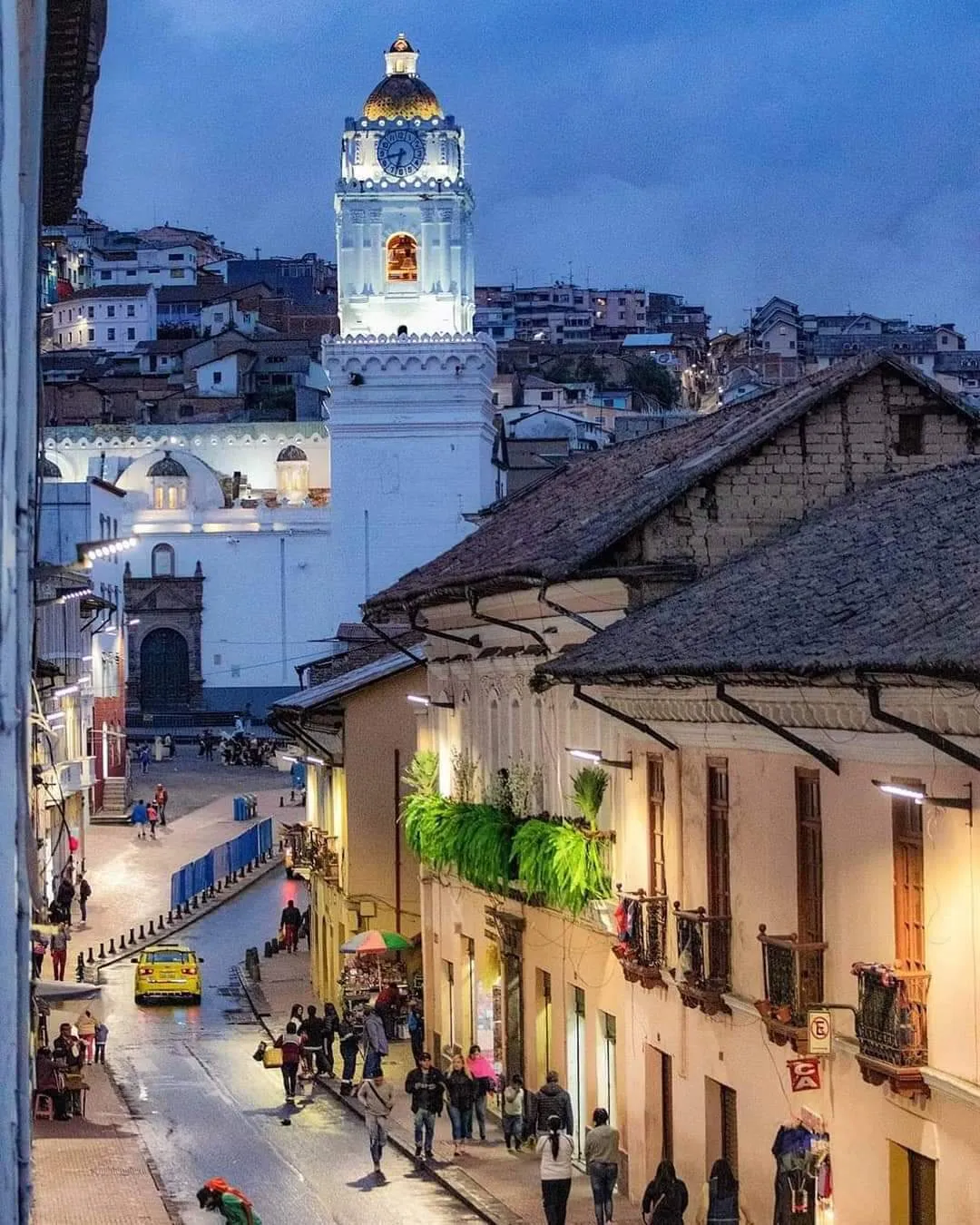
Ambato, a vibrant city nestled in the heart of Ecuador, is known for its rich cultural heritage and dynamic economy. Often referred to as the 'City of Flowers and Fruits,' Ambato is a hub of agricultural production, particularly known for its abundant orchards and flower markets.The city is also a center for commerce and industry, with a growing emphasis on technology and innovation. Its strategic location in the Andes makes it a vital link between the coast and the Amazon, contributing to its diverse cultural and economic landscape.


History and Culture
Ambato's history is deeply intertwined with its resilience and cultural richness. Founded in the 16th century, the city has been rebuilt multiple times due to earthquakes, the most devastating of which occurred in 1949. This event led to a significant reconstruction effort, shaping the modern cityscape seen today.
Culturally, Ambato is renowned for its annual 'Fiesta de las Flores y las Frutas,' a vibrant festival celebrating the city's agricultural bounty and cultural diversity. This event features parades, music, and dance, drawing visitors from across the country and beyond.
The city has been home to notable figures such as Juan Montalvo, a prominent writer and essayist, whose legacy continues to influence Ecuadorian literature and thought. Ambato's cultural institutions, including museums and theaters, play a crucial role in preserving and promoting its rich heritage.
Ambato's ethnic diversity is reflected in its culinary scene, traditional crafts, and local customs, offering a unique blend of indigenous and colonial influences. The city's markets and festivals provide a glimpse into this vibrant cultural tapestry.
Things to do in Ambato
Visitors to Ambato can explore a variety of attractions and activities. The city's parks, such as Parque Cevallos and Parque 12 de Noviembre, offer serene environments for relaxation and leisure.
Cultural enthusiasts can visit the Juan Montalvo Museum and the Casa del Portal, which showcase the city's artistic and historical heritage. The city's vibrant markets, like Mercado Central, are perfect for experiencing local flavors and crafts.
Outdoor activities abound in the surrounding areas, with opportunities for hiking and exploring the scenic Andes landscapes. The nearby Tungurahua volcano offers adventurous excursions for those seeking a more thrilling experience.
Ambato's culinary scene is a must-experience, with local specialties such as 'llapingachos' and 'cuy' providing a taste of traditional Ecuadorian cuisine. The city's cafes and restaurants offer a blend of local and international flavors, catering to diverse palates.
Quality of Life Rankings
Weather in Ambato
Ambato, Ecuador experiences a subtropical highland climate characterized by mild temperatures throughout the year, with little variation between seasons. The city is situated in the Andes, which contributes to its moderate climate. Ambato receives an average annual precipitation of approximately 24 inches (600 mm), with March being the wettest month, averaging around 3.5 inches (90 mm) of rainfall.
Seasonal Breakdown
- Spring (September to November)Temperatures are mild, with average highs ranging from 68°F (20°C) to 72°F (22°C). Rainfall is moderate, with November receiving the most precipitation, averaging around 2.5 inches (65 mm).
- Summer (December to February)Temperatures remain mild, with average highs around 70°F (21°C) to 73°F (23°C). Rainfall is at its peak in March, averaging around 3.5 inches (90 mm).
- Autumn (March to May)Temperatures are consistent, with average highs between 68°F (20°C) and 72°F (22°C). Rainfall decreases slightly after March, averaging around 2 inches (50 mm) per month.
- Winter (June to August)Temperatures are slightly cooler, with average highs ranging from 66°F (19°C) to 70°F (21°C). Rainfall is at its lowest, averaging around 1.5 inches (40 mm) per month.
Notable Weather Events
- Occasional heavy rainfall in March
- Mild temperature fluctuations throughout the year
- Rare instances of frost during the coldest months
Ambato's Political Climate
Ambato, a vibrant city nestled in the heart of Ecuador, is known for its dynamic political climate. The city serves as a significant economic and cultural hub, influencing its political landscape. Governed by a mayor-council system, Ambato's political affiliations lean towards progressive policies, with a focus on sustainable development and social equity. The city's leadership is committed to addressing key issues such as urban planning, transportation, and environmental conservation.
Historically, Ambato has been a center for political activism and reform. The city has seen a series of political shifts, often reflecting broader national trends. In recent years, Ambato has embraced policies aimed at improving public infrastructure and enhancing the quality of life for its residents. The political leadership is also focused on fostering economic growth while ensuring environmental sustainability.
Ambato's political climate is characterized by active civic engagement, with residents participating in local governance and community initiatives. The city's commitment to transparency and accountability is evident in its governance practices. Recent political events have highlighted the importance of public participation in shaping policy decisions, with local movements advocating for greater inclusivity and representation.
Political Quick Facts
- Voter Turnout68%
- City GovernanceMayor-Council System
- CompositionMajority Progressive with minority representation from other parties
- Recent Political ChangesImplementation of new urban development policies and increased focus on environmental sustainability
- EngagementHigh civic activism and community involvement
- Political ScorecardRated high for transparency and governance
- Legislative PrioritiesUrban Development Environmental Sustainability Social Equity
- Public OpinionResidents generally support progressive policies, with strong opinions on environmental and social issues.
Notable Political Figures
- Juan PérezCurrent Mayor known for his focus on sustainable urban development.
- Maria GomezCity Council Member advocating for social justice and equity.
- Carlos RodriguezLocal activist and leader in environmental conservation efforts.