
Quality of life in Cumbaya
Cost of Living, Healthcare, Safety, Education, and More
About Cumbaya
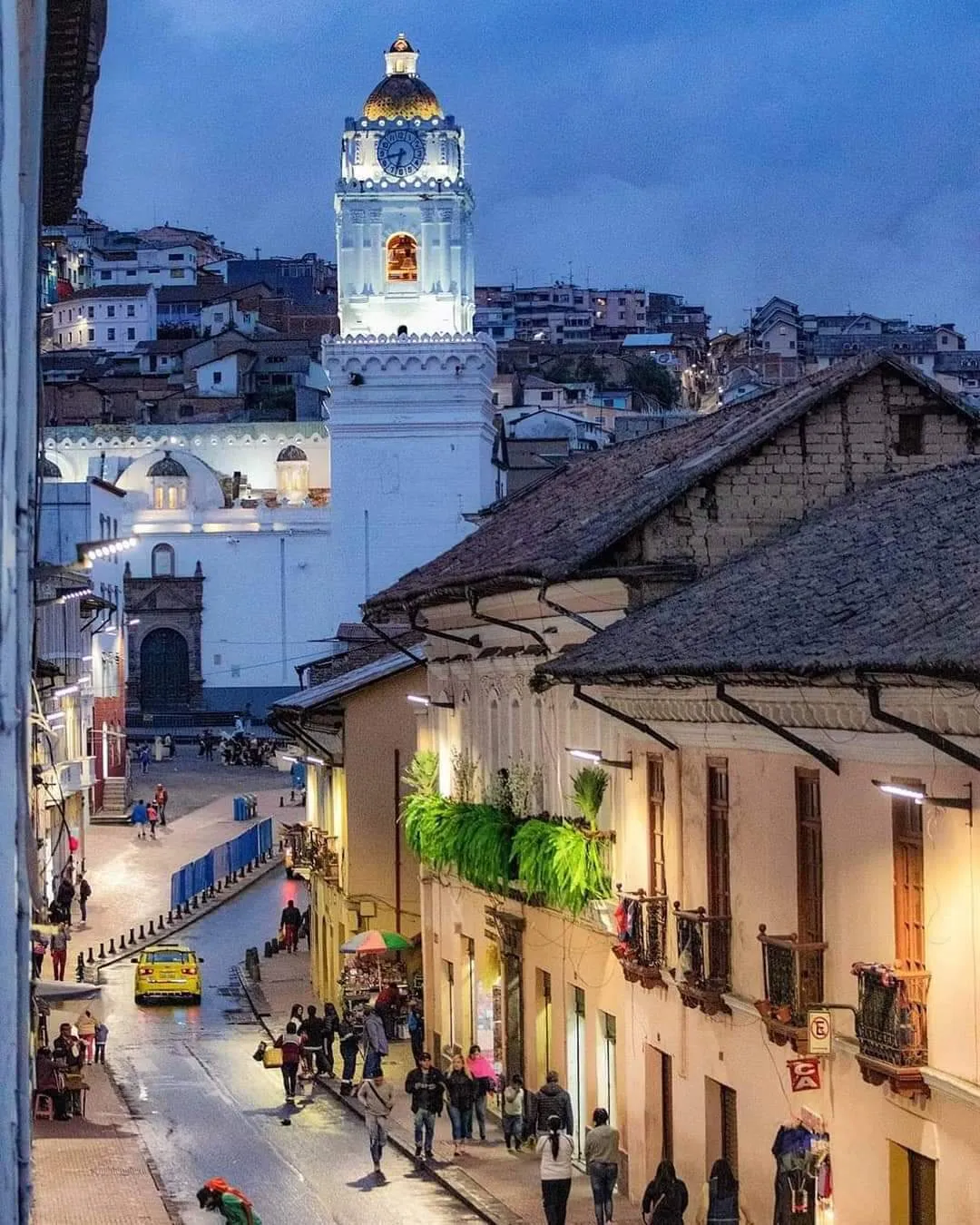
Cumbaya, a charming suburb of Quito, Ecuador, is known for its vibrant community and picturesque landscapes. Nestled in the Tumbaco Valley, Cumbaya offers a unique blend of modern amenities and traditional Ecuadorian culture. The city is a hub for education and innovation, with several universities and research centers contributing to its dynamic atmosphere.In recent years, Cumbaya has seen significant growth, attracting both locals and expatriates seeking a high quality of life. The city's pleasant climate, combined with its proximity to Quito, makes it an ideal location for those looking to enjoy the tranquility of suburban life while still having access to the bustling capital.


History and Culture
Cumbaya's history is deeply intertwined with the indigenous cultures that have inhabited the region for centuries. The area was originally settled by the Quitu-Cara people, and later became part of the Inca Empire before the Spanish conquest. This rich historical tapestry is reflected in the city's cultural traditions and architectural heritage.
Cumbaya is home to several cultural institutions that celebrate its diverse heritage. The local art scene is vibrant, with numerous galleries and cultural events showcasing the work of Ecuadorian artists. Music and dance are integral parts of Cumbaya's cultural identity, with traditional Andean music and contemporary genres coexisting harmoniously.
The city hosts various festivals throughout the year, celebrating everything from indigenous traditions to modern Ecuadorian culture. These events provide a glimpse into the city's cultural vibrancy and offer visitors a chance to experience the warmth and hospitality of the local community.
Things to do in Cumbaya
Cumbaya offers a wide range of activities and attractions for visitors and residents alike. The city is known for its beautiful parks and green spaces, such as Parque Cumbaya, which is perfect for leisurely strolls and picnics. Outdoor enthusiasts can explore the nearby Ilalo Volcano, offering hiking trails with stunning views of the surrounding valley.
The city's culinary scene is diverse and exciting, with a variety of restaurants offering both traditional Ecuadorian dishes and international cuisine. The local markets are a must-visit, providing fresh produce and handmade crafts that reflect the region's rich cultural heritage.
Cumbaya's proximity to Quito allows for easy access to the capital's numerous attractions, including historical sites, museums, and vibrant nightlife. Whether you're interested in exploring the natural beauty of the Andes or immersing yourself in Ecuadorian culture, Cumbaya offers something for everyone.
Quality of Life Rankings
Weather in Cumbaya
Cumbaya, Ecuador experiences a subtropical highland climate characterized by mild temperatures throughout the year, with a distinct wet and dry season. The city is situated at a high altitude, which moderates the temperature, resulting in a pleasant climate with little variation between seasons. The average annual precipitation is approximately 47 inches (1200 mm), with April being the wettest month, averaging around 6 inches (150 mm) of rainfall.
Seasonal Breakdown
- Spring (September to November)Temperatures are mild, with average highs ranging from 68°F (20°C) to 72°F (22°C). Rainfall begins to increase as the city transitions into the wet season, with November receiving significant precipitation.
- Summer (December to February)Temperatures remain comfortable, with average highs around 70°F (21°C) to 74°F (23°C). This period marks the peak of the wet season, with heavy rainfall, particularly in January, which averages around 5 inches (130 mm).
- Autumn (March to May)Temperatures continue to be mild, with average highs from 68°F (20°C) to 72°F (22°C). Rainfall is abundant, especially in April, the wettest month, averaging about 6 inches (150 mm).
- Winter (June to August)The driest period of the year, with average highs ranging from 66°F (19°C) to 70°F (21°C). Rainfall is minimal, with July being the driest month, averaging about 1 inch (25 mm).
Notable Weather Events
- Heavy rainfall during the wet season, particularly in April.
- Occasional cold fronts that can lower temperatures slightly during the dry season.
- Rare instances of hail during intense thunderstorms.
Cumbaya's Political Climate
Cumbayá, a vibrant suburb of Quito, Ecuador, is known for its dynamic political climate that reflects both local and national influences. As part of the larger Quito Metropolitan District, Cumbayá's governance is closely tied to the political developments in the capital. The city has seen a blend of traditional and progressive political ideologies, with a focus on sustainable urban development and community engagement.
Historically, Cumbayá has been influenced by the broader political trends in Ecuador, which have oscillated between leftist and centrist policies. The current political leadership in Cumbayá is aligned with the national government's emphasis on economic growth and social equity. Key political issues in the area include urban planning, environmental conservation, and improving public transportation.
Cumbayá has been proactive in implementing progressive policies, particularly in sustainability and environmental protection. The city has launched initiatives aimed at reducing carbon emissions and promoting green spaces, reflecting a commitment to environmental stewardship. These efforts are complemented by social justice initiatives that seek to address inequality and enhance community welfare.
The political climate in Cumbayá significantly influences its economic and social decisions. The city's focus on sustainable development has attracted investments in green technologies and infrastructure, boosting the local economy. Social policies aimed at inclusivity and equity have fostered a sense of community and civic pride among residents.
Recent political trends in Cumbayá include a growing emphasis on participatory governance, with local movements advocating for greater transparency and citizen involvement in decision-making processes. This shift towards more inclusive governance is indicative of a broader trend across Ecuador, where civic engagement is becoming increasingly important.
Political Quick Facts
- Voter Turnout68%
- City GovernancePart of the Quito Metropolitan District governance structure
- CompositionMixed, with representation from multiple political parties
- Recent Political ChangesIncreased focus on participatory governance and transparency
- EngagementHigh, with active community participation in local governance
- Political ScorecardB+ for governance and transparency
- Legislative PrioritiesSustainable urban development Environmental conservation Public transportation improvements
- Public OpinionGenerally progressive, with strong support for sustainability and social equity
Notable Political Figures
- Juan PerezLocal council member known for advocating environmental policies
- Maria GonzalezCommunity leader focused on social justice and equity
- Carlos RamirezFormer mayor with a strong track record in urban development