
Quality of life in Latacunga
Cost of Living, Healthcare, Safety, Education, and More
About Latacunga
Latacunga, nestled in the heart of Ecuador, is a city that beautifully blends rich cultural heritage with breathtaking natural landscapes. Known for its vibrant festivals and proximity to the majestic Cotopaxi Volcano, Latacunga offers a unique experience for both residents and visitors.The city serves as a gateway to the Andean highlands, providing a mix of traditional Andean culture and modern amenities. With a growing focus on tourism and agriculture, Latacunga is emerging as a key player in Ecuador's economic landscape.


History and Culture
Latacunga's history dates back to pre-Columbian times, with indigenous groups such as the Panzaleo inhabiting the region. The city was officially founded by the Spanish in 1534, and its colonial past is still evident in its architecture and urban layout.
Culturally, Latacunga is renowned for the Mama Negra festival, a vibrant celebration that combines indigenous, African, and Spanish traditions. This festival, held twice a year, is a testament to the city's diverse cultural influences and is a major attraction for both locals and tourists.
The city's cultural scene is further enriched by its museums and galleries, which showcase local art and history. Latacunga's ethnic diversity is reflected in its culinary offerings, traditional music, and dance, making it a cultural hub in the region.
Things to do in Latacunga
Visitors to Latacunga can explore the stunning Cotopaxi National Park, home to one of the world's highest active volcanoes. The park offers hiking, wildlife viewing, and breathtaking views of the Andean landscape.
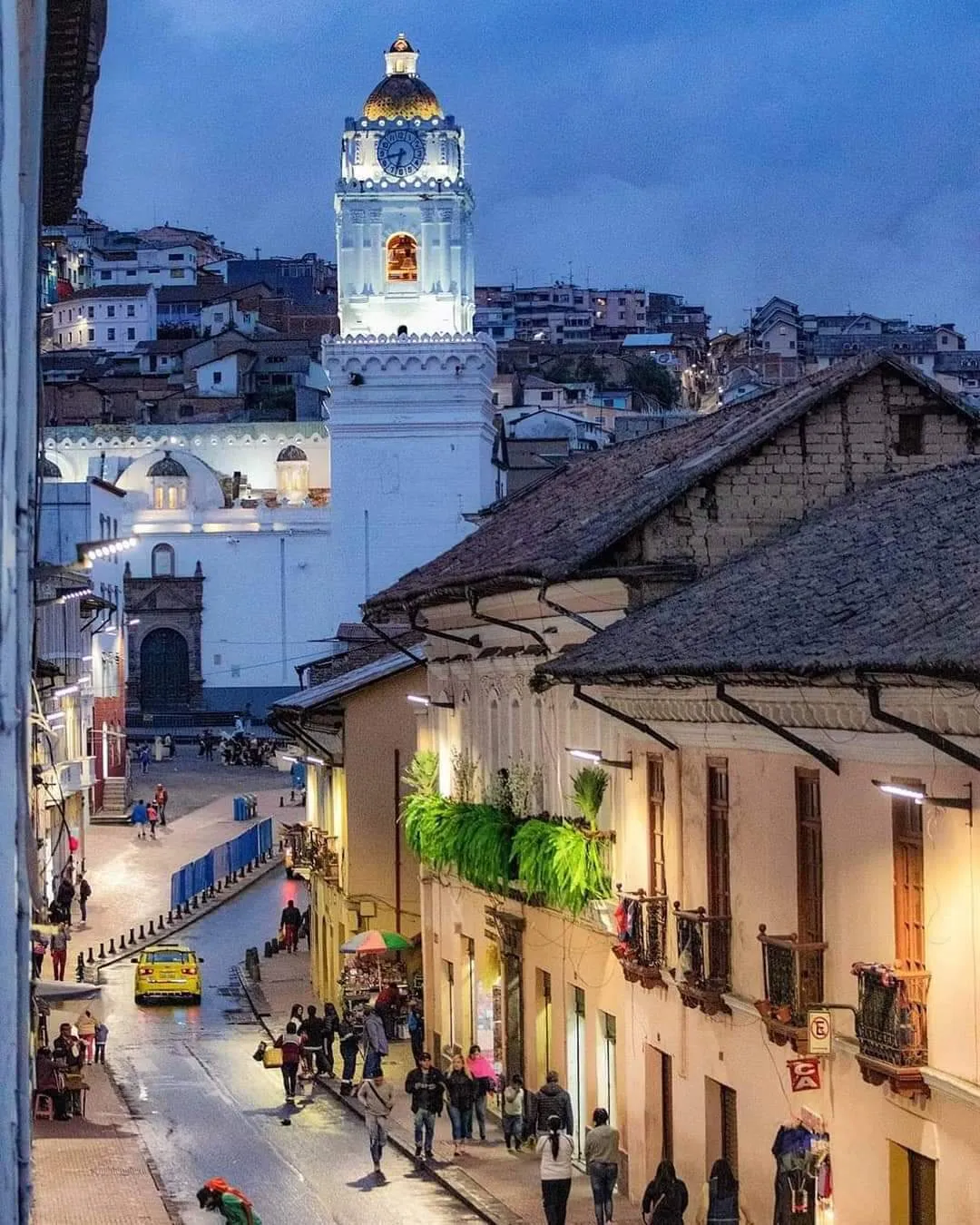
The historic center of Latacunga is a must-visit, with its well-preserved colonial architecture and charming plazas. The city's markets are vibrant places to experience local life and purchase traditional crafts and foods.
For those interested in cultural events, the Mama Negra festival is an unmissable experience, showcasing the city's unique blend of traditions. Additionally, Latacunga's proximity to other Andean towns makes it an ideal base for exploring the region.
Quality of Life Rankings
Weather in Latacunga
Latacunga, Ecuador experiences a subtropical highland climate characterized by mild temperatures throughout the year, with a distinct wet and dry season. The city is situated at a high altitude, which moderates the temperature, resulting in cool nights and warm days. The average annual precipitation is approximately 40 inches (1,016 mm), with April being the wettest month, averaging around 6 inches (152 mm) of rainfall.
Seasonal Breakdown
- Spring (September to November)Temperatures during spring are mild, with average highs ranging from 65°F (18°C) in September to 68°F (20°C) in November. Rainfall begins to increase towards the end of the season, with November receiving around 4 inches (102 mm) of precipitation.
- Summer (December to February)The warmest months, with average highs ranging from 68°F (20°C) in December to 70°F (21°C) in February. This period marks the beginning of the wet season, with January being particularly rainy, averaging around 5 inches (127 mm) of rainfall.
- Autumn (March to May)Temperatures remain consistent, with average highs around 68°F (20°C). This is the peak of the wet season, with April being the wettest month, receiving about 6 inches (152 mm) of rainfall.
- Winter (June to August)The coolest period, with average highs ranging from 66°F (19°C) in June to 65°F (18°C) in August. This is the dry season, with minimal rainfall, averaging about 1 inch (25 mm) per month.
Notable Weather Events
- Occasional heavy rainfall during the wet season, particularly in April.
- Cooler temperatures at night due to high altitude.
- Potential for localized flooding during peak rainfall months.
Latacunga's Political Climate
Latacunga, a city nestled in the heart of Ecuador, is known for its vibrant political landscape that reflects the broader national trends. The city operates under a municipal government structure, with a mayor and city council responsible for local governance. Historically, Latacunga has been a microcosm of Ecuador's political dynamics, often mirroring the country's shifts between conservative and progressive policies.
In recent years, Latacunga has seen a rise in political activism, particularly among younger residents who are increasingly vocal about issues such as environmental sustainability and social justice. The city has implemented several progressive policies, including initiatives aimed at reducing carbon emissions and promoting renewable energy sources. These efforts are part of a broader national movement towards sustainability, reflecting Ecuador's commitment to environmental conservation.
The political climate in Latacunga is also shaped by its economic and social policies. The city has focused on improving infrastructure and public services, which has been a key issue for local residents. Additionally, Latacunga's leadership has been proactive in addressing social inequalities, with policies aimed at improving education and healthcare access for all citizens.
Recent political events in Latacunga have included local movements advocating for greater transparency and accountability in government. These movements have gained traction, leading to increased civic engagement and participation in local elections. As a result, the city's political landscape is becoming more dynamic, with a growing emphasis on participatory governance.
Political Quick Facts
- Voter Turnout68%
- City GovernanceMayor-council government
- Composition5 Center-left, 3 Center-right, 2 Independents
- Recent Political ChangesIncreased focus on environmental policies and social justice initiatives.
- EngagementHigh, with active participation in local governance and community initiatives.
- Political ScorecardB+ for transparency and governance
- Legislative PrioritiesEnvironmental sustainability Social equity Infrastructure development
- Public OpinionGenerally progressive, with strong support for environmental and social policies.
Notable Political Figures
- Juan PerezCurrent mayor known for his environmental initiatives.
- Maria GomezCity council member and advocate for social justice.
- Carlos RuizLocal activist focused on transparency and anti-corruption.