
Quality of life in Riobamba
Cost of Living, Healthcare, Safety, Education, and More
About Riobamba
Riobamba, nestled in the heart of Ecuador, is a city that beautifully blends rich cultural heritage with modern-day vibrancy. Known as the 'Sultan of the Andes,' Riobamba is surrounded by stunning landscapes, including the majestic Chimborazo volcano, which is the closest point on Earth to the sun due to the equatorial bulge.The city serves as a vital hub for commerce and tourism in the region, offering a unique blend of traditional Andean culture and contemporary influences. Riobamba's markets are bustling with local crafts and produce, reflecting the city's agricultural roots and the diversity of its people.


History and Culture
Riobamba has a storied history that dates back to pre-Columbian times, with indigenous communities such as the Puruhá people originally inhabiting the area. The city was officially founded in 1534 by Spanish conquistadors, making it one of the oldest cities in Ecuador.
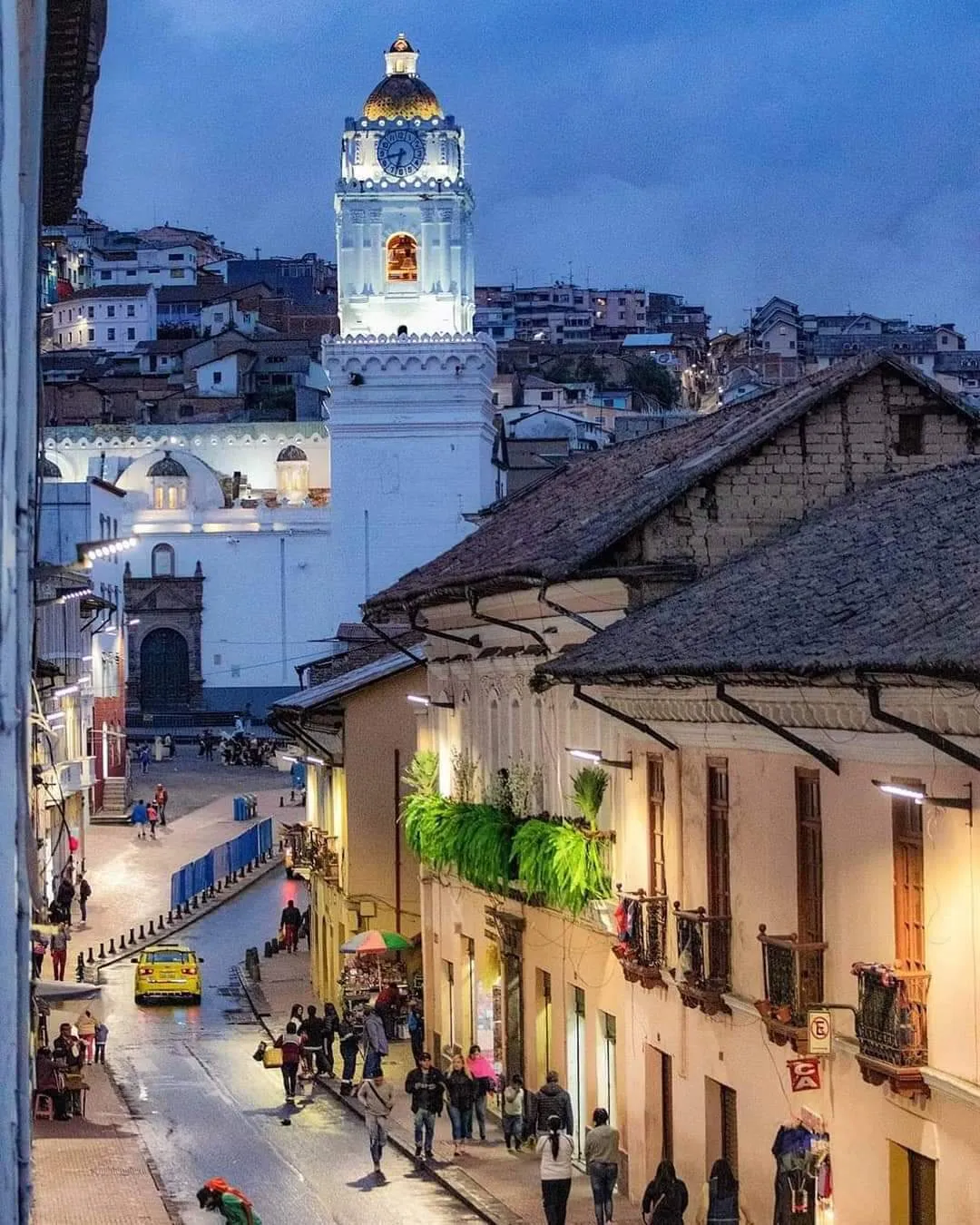
Throughout its history, Riobamba has played a significant role in Ecuador's development. It was the site of the first constitutional congress of Ecuador in 1830, marking its importance in the country's political history. The city's architecture reflects its colonial past, with numerous churches and buildings showcasing Spanish influence.
Culturally, Riobamba is a melting pot of indigenous and mestizo traditions. The city is known for its vibrant festivals, such as the Fiesta de Riobamba, which celebrates local music, dance, and cuisine. The influence of Andean culture is evident in the city's art, music, and daily life, with traditional crafts and textiles being prominent features of the local economy.
Riobamba is also home to several cultural institutions, including museums and galleries that preserve and promote the region's rich history and artistic heritage. The city's ethnic diversity is celebrated through various cultural events and festivals, highlighting the contributions of different communities to Riobamba's cultural tapestry.
Things to do in Riobamba
Visitors to Riobamba can explore a wide range of activities and attractions. The city is a gateway to the Chimborazo Volcano, where adventurous travelers can hike and enjoy breathtaking views. The surrounding national parks offer opportunities for outdoor activities such as trekking, bird watching, and mountain biking.
Riobamba's historic center is a must-visit, with its charming colonial architecture and vibrant markets. The city's central market is a bustling hub where visitors can experience local life and sample traditional Ecuadorian cuisine.
Cultural enthusiasts will appreciate the city's museums, such as the Museo de la Ciudad, which offers insights into Riobamba's history and culture. Additionally, the city hosts numerous festivals throughout the year, including the colorful Carnival and the Inti Raymi, which celebrate indigenous traditions and the Andean way of life.
Quality of Life Rankings
Weather in Riobamba
Riobamba, Ecuador experiences a subtropical highland climate characterized by mild temperatures throughout the year due to its high elevation. The city has two main seasons: a wet season and a dry season. The average annual precipitation is approximately 23 inches (600 mm), with April being the wettest month, averaging around 4 inches (100 mm) of rainfall.
Seasonal Breakdown
- Spring (September to November)Temperatures during spring are mild, with average highs ranging from 65°F (18°C) to 70°F (21°C) and lows from 45°F (7°C) to 50°F (10°C). Rainfall is moderate, with November marking the transition to the wetter months.
- Summer (December to February)The wettest period of the year, with average highs around 68°F (20°C) and lows near 48°F (9°C). Rainfall is frequent, especially in January and February, averaging about 3.5 inches (90 mm) per month.
- Autumn (March to May)Temperatures remain mild, with highs from 66°F (19°C) to 70°F (21°C) and lows from 46°F (8°C) to 50°F (10°C). April is the wettest month, with rainfall peaking at around 4 inches (100 mm).
- Winter (June to August)The driest period, with average highs ranging from 64°F (18°C) to 68°F (20°C) and lows from 44°F (7°C) to 48°F (9°C). Rainfall is minimal, averaging about 1.5 inches (40 mm) per month.
Notable Weather Events
- Occasional heavy rainfall during the wet season, particularly in April.
- Rare instances of frost during the coldest nights in the dry season.
- Potential for landslides in surrounding areas due to heavy rains.
Riobamba's Political Climate
Riobamba, a city nestled in the heart of Ecuador, is known for its vibrant political climate that reflects the broader national trends. The city operates under a municipal government structure, with a mayor-council system that guides its governance. Historically, Riobamba has been a microcosm of Ecuador's political dynamics, often reflecting the national political shifts and trends.
In recent years, Riobamba has seen a growing emphasis on sustainability and social justice. The city has implemented several progressive policies aimed at environmental conservation and improving social equity. These initiatives are part of a broader movement within Ecuador to address climate change and social disparities. The political leadership in Riobamba is keen on fostering economic growth while ensuring that development is sustainable and inclusive.
The political landscape in Riobamba is also shaped by its active civil society. Local movements and civic organizations play a crucial role in influencing policy decisions and advocating for community interests. This engagement is indicative of a politically aware and active populace that values democratic participation and transparency. Recent political events in Riobamba have included debates over urban development projects and public transportation reforms, reflecting the city's ongoing efforts to balance growth with quality of life.
Political Quick Facts
- Voter Turnout68%
- City GovernanceMayor-council government
- CompositionMajority center-left with minority representation from right-wing parties
- Recent Political ChangesIntroduction of new public transportation policies and urban development plans
- EngagementHigh civic activism with numerous local NGOs and community groups
- Political ScorecardModerate, with room for improvement in transparency and public engagement
- Legislative PrioritiesSustainability and environmental conservation Social equity and justice Urban development and infrastructure
- Public OpinionGenerally progressive with strong support for environmental and social policies
Notable Political Figures
- Juan Carlos SalazarCurrent mayor known for his focus on sustainable urban development.
- Maria Fernanda LopezCity council member and advocate for social justice and equity.
- Luis Miguel TorresLocal activist and leader in environmental conservation efforts.