Quality of life in Simunye
Cost of Living, Healthcare, Safety, Education, and More
About Simunye
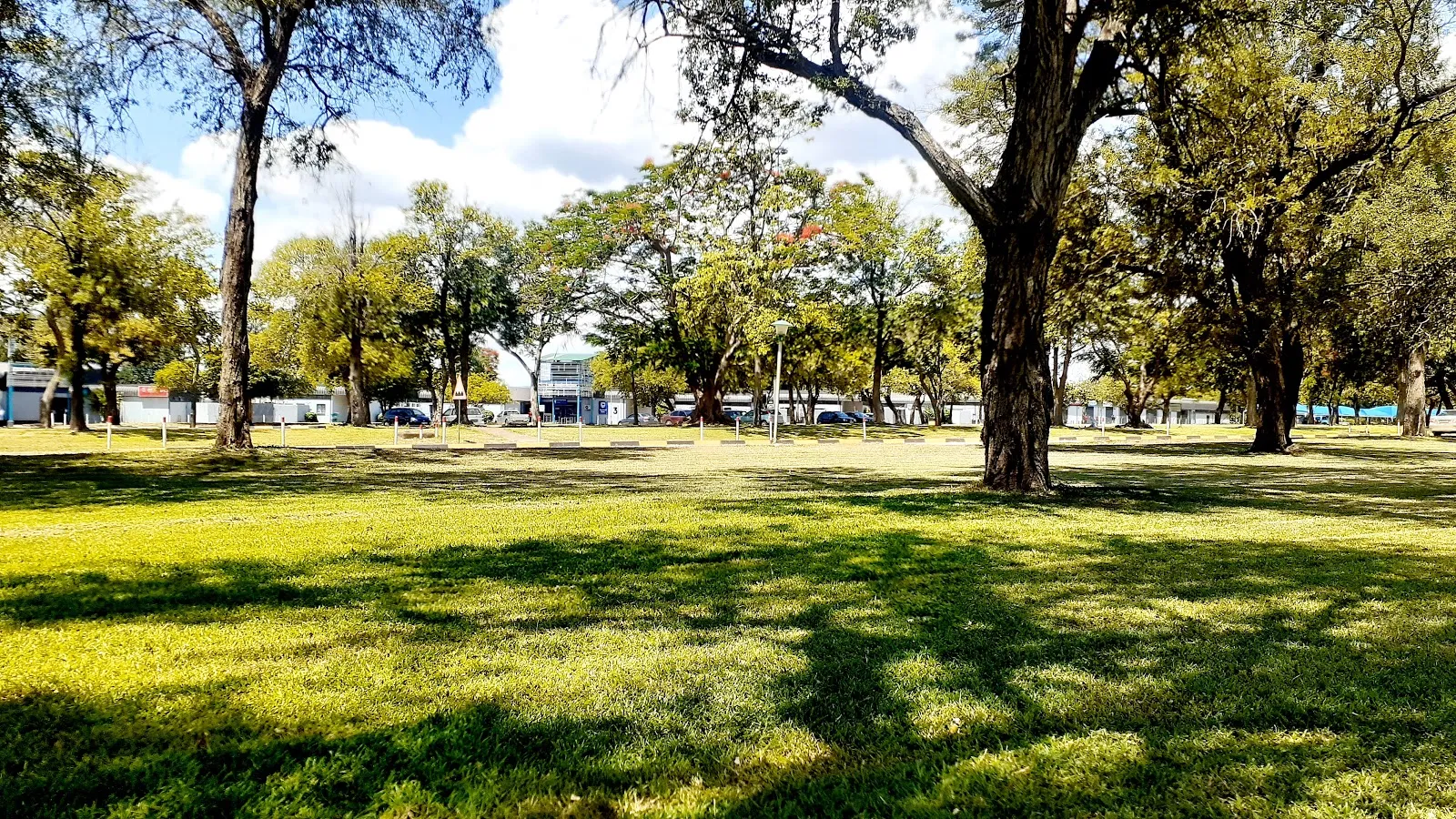
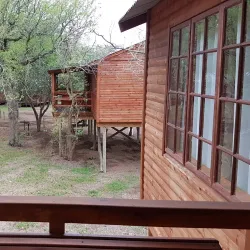
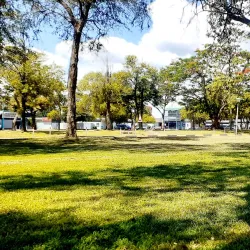
Simunye, located in the eastern part of Eswatini, is a vibrant town known for its rich cultural heritage and thriving sugar industry. As a key player in the country's economy, Simunye offers a unique blend of traditional Swazi culture and modern industrial growth. The town is surrounded by lush landscapes and is a gateway to exploring the natural beauty of Eswatini.In recent years, Simunye has seen a rise in tourism, attracting visitors with its cultural festivals and wildlife experiences. The town's welcoming atmosphere and community spirit make it a charming destination for both locals and tourists alike.




History and Culture
Simunye's history is closely tied to the development of the sugar industry in Eswatini. Established in the 1970s, the town was built around the sugar mill, which remains a central part of its economy. This industry has not only shaped the town's economic landscape but also its social and cultural dynamics.
Culturally, Simunye is a reflection of Swazi traditions and customs. The town hosts several cultural events throughout the year, celebrating the rich heritage of the Swazi people. Traditional music and dance are integral to these celebrations, offering a glimpse into the vibrant cultural life of the community.
The town's ethnic diversity is enriched by various communities that have settled in the area, each contributing to the cultural tapestry of Simunye. This diversity is evident in local festivals and community gatherings, where different cultural expressions are celebrated.
Things to do in Simunye
Visitors to Simunye can explore the nearby Hlane Royal National Park, which offers a chance to see a variety of wildlife, including elephants, rhinos, and lions. The park is a popular destination for safari enthusiasts and nature lovers.
The Simunye Country Club is another attraction, providing facilities for golf, tennis, and swimming. It serves as a social hub for residents and visitors, offering a relaxing environment to unwind.
Cultural festivals in Simunye are a must-see, showcasing traditional Swazi music, dance, and crafts. These events provide an immersive experience into the local culture and are a highlight for many tourists.
For those interested in the local industry, tours of the sugar mill offer insight into the production processes and the role of sugar in the region's economy.
Weather in Simunye
Simunye, Eswatini experiences a subtropical climate characterized by hot, wet summers and mild, dry winters. The city receives an average annual precipitation of approximately 31 inches (800 mm), with December being the wettest month, averaging around 5 inches (127 mm) of rainfall.
Seasonal Breakdown
- Spring (September to November)Temperatures gradually rise from an average high of 77°F (25°C) in September to 86°F (30°C) in November. Rainfall begins to increase during this period, with November receiving significant precipitation, averaging around 3 inches (76 mm).
- Summer (December to February)The hottest months, with average highs ranging from 88°F (31°C) in December to 91°F (33°C) in January. Rainfall is at its peak during the summer, with December being the wettest month, averaging around 5 inches (127 mm) of rainfall.
- Autumn (March to May)Temperatures gradually decrease from an average high of 86°F (30°C) in March to 77°F (25°C) in May. Rainfall decreases during this period, averaging around 2 inches (51 mm) per month.
- Winter (June to August)The coldest period, with average highs ranging from 73°F (23°C) in June to 75°F (24°C) in August. Rainfall is minimal, averaging about 1 inch (25 mm) per month.
Notable Weather Events
- Occasional heatwaves during the summer months.
- Heavy thunderstorms during the peak of the rainy season in December and January.
- Drought conditions can occur during the dry winter months.
Simunye's Political Climate
Simunye, located in the Kingdom of Eswatini, is a city that reflects the broader political climate of the country, which is characterized by a monarchy-led governance system. The political landscape in Simunye is influenced by the national policies set by the monarchy, with King Mswati III playing a central role in the country's political affairs. The city, like much of Eswatini, operates under a system where political parties are banned, and the king appoints the prime minister and a significant portion of the parliament.
Historically, Eswatini has maintained a unique political structure that combines traditional leadership with modern governance. In Simunye, this translates to a local governance system that is heavily influenced by traditional authorities and the national government. The city has seen efforts to modernize and improve infrastructure, often driven by national development plans.
Simunye has been part of national initiatives focusing on sustainability and economic diversification, aiming to reduce the country's reliance on sugarcane production. Social justice and healthcare improvements are also on the agenda, reflecting broader national priorities. The political climate in Simunye, therefore, is one of gradual reform within the constraints of a traditional monarchy.
Recent political events in Eswatini, including calls for democratic reforms and increased political freedoms, have also resonated in Simunye. Civic activism has been on the rise, with residents increasingly engaging in discussions about governance and policy changes. This growing political engagement is indicative of a population that is becoming more vocal about its aspirations for the future.
Political Quick Facts
- Voter TurnoutN/A (political parties are banned)
- City GovernanceTraditional authorities with national government oversight
- CompositionAppointed by traditional leaders and national government
- Recent Political ChangesIncreased calls for democratic reforms and political freedoms
- EngagementGrowing civic activism and engagement
- Political ScorecardModerate, with emphasis on traditional governance
- Legislative PrioritiesEconomic diversification Healthcare improvements Infrastructure development
- Public OpinionSupport for traditional governance with growing calls for reform
Notable Political Figures
- King Mswati IIIThe reigning monarch of Eswatini, influential in national and local governance.
- Prime Minister Cleopas DlaminiAppointed by the king, responsible for implementing national policies.
- Princess Sikhanyiso DlaminiMinister of Information, Communication and Technology, known for her role in modernizing the country's digital infrastructure.