
Quality of life in Adama (Nazret
Cost of Living, Healthcare, Safety, Education, and More
About Adama (Nazret
Adama, also known as Nazret, is a vibrant city located in the central part of Ethiopia. It serves as a major hub for commerce and transportation, linking the capital city, Addis Ababa, with the eastern and southern regions of the country. Known for its warm climate and hospitable residents, Adama is a city that blends modernity with tradition.The city is experiencing rapid growth, with emerging industries and infrastructure developments that are transforming its landscape. Adama's strategic location makes it a focal point for trade and investment, attracting businesses and tourists alike. Its unique cultural heritage, combined with a burgeoning economy, makes Adama a city of opportunities and a fascinating place to explore.


History and Culture
Adama's history is deeply intertwined with Ethiopia's rich cultural tapestry. Originally known as Nazret, the city was named after the biblical town of Nazareth. It gained prominence during the Italian occupation in the 1930s when it served as a key administrative center.
The city's cultural landscape is a reflection of Ethiopia's diverse ethnic groups, including the Oromo, Amhara, and Gurage communities. This diversity is celebrated through various cultural festivals and events that highlight traditional music, dance, and cuisine.
Adama is home to several cultural institutions and landmarks, such as the Adama Science and Technology University, which plays a significant role in the city's educational and cultural development. The city also hosts numerous art galleries and theaters that showcase local talent and creativity.
The annual Adama Cultural Festival is a major event that attracts visitors from across the country. It features traditional performances, crafts, and food, offering a glimpse into the vibrant cultural life of the city.
Related Videos

Explore Adama: Ethiopia’s Jaw-Dropping City of Life & Beauty!

Adama City

ADAMA,ETHIOPIA 40 meter road Apartment @donkeytube.eshetumelese @fetadailyanalysis

Working at Adama Industrial Park constructed by CCECC

celebrating timkat in Adama ethiopia
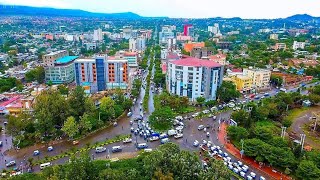
Visit Adama City || Adama City Through the Lenses || Top Cities in Ethiopia

Epiphany - Adama 12 05 2010

Walking into the Adama Railway Station

flat tyre in Ethiopia
Things to do in Adama (Nazret
Visitors to Adama can enjoy a variety of activities and attractions. The city is known for its hot springs, which are popular among locals and tourists seeking relaxation and wellness. The Sodere Resort, located just outside the city, offers a serene environment with natural hot springs and lush landscapes.
For those interested in history and culture, the Adama Museum provides insights into the region's past and its cultural heritage. The museum features exhibits on local history, art, and traditional crafts.
Adama's bustling markets are a must-visit for anyone looking to experience the local lifestyle. The vibrant markets offer a wide range of goods, from fresh produce to traditional handicrafts, providing a taste of the city's economic vitality.
Outdoor enthusiasts can explore the surrounding countryside, which offers opportunities for hiking and bird watching. The nearby Awash National Park is home to diverse wildlife and stunning landscapes, making it a perfect day trip destination.
Weather in Adama (Nazret
Adama (Nazret), Ethiopia experiences a semi-arid climate characterized by hot temperatures throughout the year with a distinct wet and dry season. The city receives an average annual precipitation of approximately 31 inches (800 mm), with July being the wettest month, averaging around 7 inches (180 mm) of rainfall.
Seasonal Breakdown
- Spring (March to May)Temperatures gradually rise from an average high of 86°F (30°C) in March to 90°F (32°C) in May. Rainfall begins to increase towards the end of this period, with May receiving around 3 inches (75 mm) of precipitation.
- Summer (June to August)The hottest months, with average highs ranging from 90°F (32°C) in June to 86°F (30°C) in August. This period marks the rainy season, with July being the wettest month, receiving about 7 inches (180 mm) of rainfall.
- Autumn (September to November)Temperatures gradually decrease from an average high of 84°F (29°C) in September to 82°F (28°C) in November. Rainfall decreases significantly, averaging around 2 inches (50 mm) per month.
- Winter (December to February)The driest period, with average highs ranging from 82°F (28°C) in December to 86°F (30°C) in February. Rainfall is minimal, averaging about 0.5 inches (12 mm) in January.
Notable Weather Events
- Occasional heatwaves during the dry season.
- Heavy rainfall and potential flooding during the peak of the rainy season in July.
- Dust storms may occur during the transition between dry and wet seasons.
Adama (Nazret's Political Climate
Adama, also known as Nazret, is a city in Ethiopia that plays a significant role in the country's political landscape. As a key urban center in the Oromia Region, Adama has been at the forefront of political discourse and reform in Ethiopia. The city is governed by a mayor-council system, which reflects the broader federal structure of Ethiopia. The political climate in Adama is influenced by the dynamics of the Oromia regional government and the federal government of Ethiopia.
Historically, Adama has been a hub for political activism, particularly in relation to the rights and autonomy of the Oromo people. The city has witnessed various political movements and protests, especially during periods of heightened ethnic tensions and calls for greater regional autonomy. In recent years, Adama has seen a push towards more progressive policies, including efforts to improve urban infrastructure and promote sustainable development.
The political climate in Adama is characterized by a strong emphasis on social justice and economic development. The city has implemented policies aimed at improving public services and addressing social inequalities. These efforts are part of a broader national agenda to enhance governance and foster economic growth. Adama's political landscape is also shaped by its strategic location as a transportation and economic hub, influencing decisions on infrastructure and investment.
Recent political events in Adama include increased civic engagement and participation in local governance. The city has seen a rise in grassroots movements advocating for transparency and accountability in government. These movements have contributed to a more vibrant political discourse and have influenced policy decisions at both the local and regional levels.
Political Quick Facts
- Voter Turnout65%
- City GovernanceMayor-Council System
- CompositionMajority Oromo Democratic Party with representation from opposition parties
- Recent Political ChangesIncreased focus on regional autonomy and ethnic representation
- EngagementHigh, with active participation in local governance and civic movements
- Political ScorecardModerate, with ongoing efforts to improve transparency and governance
- Legislative PrioritiesInfrastructure development Social justice initiatives Economic growth and investment
- Public OpinionGenerally supportive of regional autonomy and progressive social policies
Notable Political Figures
- Abiy AhmedPrime Minister of Ethiopia, known for his reformist agenda and efforts to promote peace and stability.
- Shimelis AbdisaPresident of the Oromia Region, influential in regional politics and governance.
- Lemma MegersaFormer President of the Oromia Region, noted for his role in political reforms and advocacy for Oromo rights.