
Quality of life in Demmin
Cost of Living, Healthcare, Safety, Education, and More
About Demmin
Demmin, located in the northeastern part of Germany, is a city that beautifully blends historical charm with modern living. Known for its picturesque landscapes and rich cultural heritage, Demmin offers a unique experience for both residents and visitors.The city is characterized by its serene rivers, lush greenery, and a tranquil atmosphere that provides a perfect escape from the hustle and bustle of larger cities. Demmin's economy is primarily supported by agriculture, small-scale manufacturing, and tourism, with a growing emphasis on sustainable practices.In recent years, Demmin has seen a resurgence in cultural activities and community events, making it an attractive destination for those interested in exploring Germany's lesser-known gems.


History and Culture
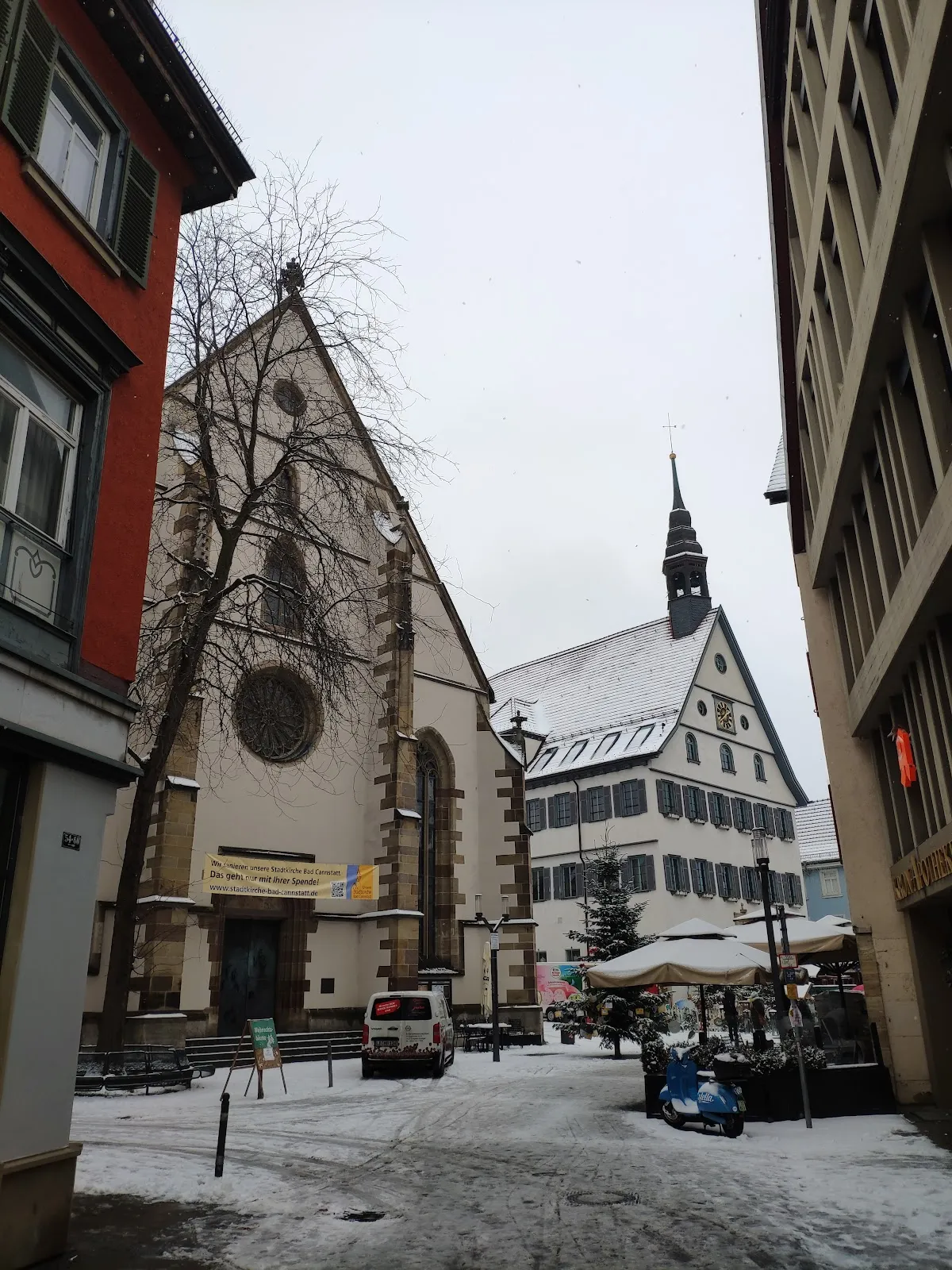
Demmin's history dates back to the early Middle Ages, with its first documented mention in 1075. The city played a significant role during the Hanseatic League, serving as a vital trading hub due to its strategic location along the Peene River.
Throughout the centuries, Demmin has witnessed numerous historical events, including the Thirty Years' War and World War II, which have left a lasting impact on its architectural landscape. The city's historical buildings, such as the St. Bartholomew's Church and the remnants of medieval fortifications, offer a glimpse into its storied past.
Culturally, Demmin is home to a variety of festivals and events that celebrate its heritage and community spirit. The annual Peene Festival is a highlight, featuring local music, traditional crafts, and culinary delights that showcase the region's diversity.
The city's cultural institutions, including museums and galleries, play a crucial role in preserving and promoting local art and history. Demmin's commitment to cultural preservation is evident in its support for local artists and the promotion of traditional crafts.
Things to do in Demmin
Visitors to Demmin can enjoy a range of activities that highlight the city's natural beauty and cultural offerings. The Peene River provides opportunities for boating, fishing, and scenic walks along its banks.
For history enthusiasts, exploring the city's medieval architecture and visiting the Demmin Regional Museum offers insights into the area's rich past. The museum features exhibits on local history, archaeology, and traditional crafts.
Demmin's vibrant cultural scene includes various festivals and events throughout the year. The Peene Festival, in particular, is a must-visit, offering a lively atmosphere with music, food, and traditional performances.
Nature lovers will appreciate the nearby nature reserves and parks, which offer hiking trails and bird-watching opportunities. The lush landscapes surrounding Demmin provide a peaceful retreat for outdoor activities.
Quality of Life Rankings
Weather in Demmin
Demmin, Germany experiences a temperate oceanic climate characterized by mild summers and cool winters. The city receives an average annual precipitation of approximately 23 inches (600 mm), with July being the wettest month, averaging 3 inches (75 mm) of rainfall.
Seasonal Breakdown
- Spring (March to May)Temperatures gradually rise from an average high of 46°F (8°C) in March to 64°F (18°C) in May. Rainfall increases during this period, with May receiving the most precipitation, averaging 2.5 inches (65 mm).
- Summer (June to August)The warmest months, with average highs ranging from 70°F (21°C) in June to 75°F (24°C) in July. Rainfall is moderate, averaging around 2.8 inches (70 mm) per month.
- Autumn (September to November)Temperatures gradually decrease from an average high of 66°F (19°C) in September to 45°F (7°C) in November. Rainfall remains moderate, averaging around 2.5 inches (65 mm) per month.
- Winter (December to February)The coldest period, with average highs ranging from 39°F (4°C) in December to 37°F (3°C) in February. Snowfall is occasional, averaging about 1.5 inches (40 mm) in January.
Notable Weather Events
- Occasional heatwaves during summer months.
- Cold snaps in winter with temperatures dropping below freezing.
- Heavy rainfall events in late spring and early summer.
Demmin's Political Climate
Demmin, a city located in the northeastern part of Germany, is characterized by a political climate that reflects both its historical roots and contemporary challenges. Historically, Demmin has been influenced by various political regimes, from the Prussian era to the GDR period, and now as part of a unified Germany. This historical tapestry has shaped its current political landscape, which is marked by a blend of traditional values and modern progressive policies.
The city's governance is aligned with the broader political framework of Germany, where local councils play a significant role in decision-making. The political leadership in Demmin is focused on addressing key issues such as economic development, environmental sustainability, and social cohesion. Recent years have seen a push towards green policies, reflecting Germany's national commitment to sustainability and renewable energy.
Demmin's political climate is also influenced by its demographic changes and economic transitions. The city has been working on initiatives to attract younger populations and foster economic growth, while also preserving its cultural heritage. This balance between innovation and tradition is a recurring theme in the city's political discourse.
Recent political events in Demmin include local movements advocating for increased transparency in governance and more participatory decision-making processes. These movements have gained traction, reflecting a growing trend of civic engagement and political activism among residents. The city's political climate is thus a dynamic interplay of historical influences, current challenges, and future aspirations.
Political Quick Facts
- Voter Turnout68%
- City GovernanceMayor-council government
- CompositionSPD: 40%, CDU: 35%, Greens: 15%, Others: 10%
- Recent Political ChangesIncreased focus on renewable energy projects and urban development plans.
- EngagementModerate to high, with active participation in local governance and community initiatives.
- Political ScorecardB+ for governance and transparency
- Legislative PrioritiesRenewable energy expansion Economic revitalization Social integration programs
- Public OpinionGenerally centrist with strong support for environmental policies and social welfare programs.
Notable Political Figures
- Hans MüllerCurrent Mayor of Demmin, known for his focus on economic development and sustainability.
- Klara SchmidtCity council member and advocate for social justice and community engagement.
- Friedrich BauerLocal environmental activist and leader in renewable energy initiatives.