
Quality of life in Vilsbiburg
Cost of Living, Healthcare, Safety, Education, and More
About Vilsbiburg
Vilsbiburg, a charming town in Bavaria, Germany, is known for its picturesque landscapes and rich cultural heritage. Nestled in the heart of Lower Bavaria, Vilsbiburg offers a unique blend of traditional Bavarian culture and modern living. The town is characterized by its vibrant community life, with a strong emphasis on local traditions and festivals.In recent years, Vilsbiburg has seen a growth in small businesses and local industries, contributing to its economic vitality. The town's strategic location near major cities like Munich and Regensburg makes it an attractive place for both residents and visitors seeking a peaceful yet connected lifestyle.


History and Culture
Vilsbiburg's history dates back to the early Middle Ages, with its first documented mention in the 11th century. Over the centuries, it has evolved from a small settlement into a thriving town, playing a significant role in the region's agricultural and trade activities.
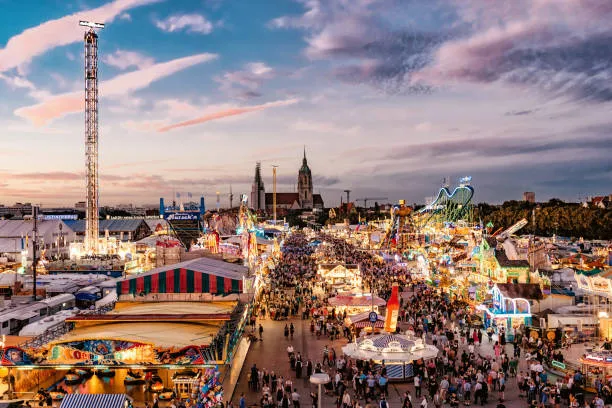
The town's cultural scene is deeply rooted in Bavarian traditions, with numerous events and festivals celebrating its heritage. Notable among these is the annual Volksfest, a traditional Bavarian festival featuring music, dance, and local cuisine. Vilsbiburg is also home to several historical landmarks, including the Church of St. John the Baptist, which showcases stunning Gothic architecture.
Art and music are integral to Vilsbiburg's cultural identity, with local galleries and music events providing platforms for artists and musicians. The town's commitment to preserving its cultural heritage is evident in its well-maintained museums and cultural institutions.
Things to do in Vilsbiburg
Visitors to Vilsbiburg can enjoy a variety of activities, from exploring its historical sites to participating in local festivals. The town's scenic surroundings offer excellent opportunities for outdoor activities such as hiking and cycling.
Cultural enthusiasts will appreciate the local museums and art galleries, which offer insights into the town's rich history and artistic endeavors. The annual Volksfest is a must-visit, providing a vibrant display of Bavarian culture with traditional music, dance, and food.
For those interested in gastronomy, Vilsbiburg boasts a selection of local restaurants offering traditional Bavarian dishes. The town's markets are also a great place to experience local produce and crafts.
Quality of Life Rankings
Weather in Vilsbiburg
Vilsbiburg, Germany experiences a temperate oceanic climate characterized by mild to warm summers and cold winters. The city receives an average annual precipitation of approximately 32 inches (800 mm), with June being the wettest month, averaging around 4 inches (100 mm) of rainfall.
Seasonal Breakdown
- Spring (March to May)Temperatures gradually rise from an average high of 50°F (10°C) in March to 68°F (20°C) in May. Rainfall increases during this period, with May receiving the most precipitation, averaging around 3.5 inches (90 mm).
- Summer (June to August)The hottest months, with average highs ranging from 73°F (23°C) in June to 77°F (25°C) in July. Rainfall is relatively high, averaging around 4 inches (100 mm) per month, with occasional thunderstorms.
- Autumn (September to November)Temperatures gradually decrease from an average high of 68°F (20°C) in September to 45°F (7°C) in November. Rainfall remains moderate, averaging around 2.5 inches (65 mm) per month.
- Winter (December to February)The coldest period, with average highs ranging from 39°F (4°C) in December to 36°F (2°C) in February. Snowfall is common, especially in January, averaging about 5 inches (130 mm).
Notable Weather Events
- Occasional summer thunderstorms
- Winter snowfalls, particularly in January
- Potential for late spring frosts
Vilsbiburg's Political Climate
Vilsbiburg, a charming town in Bavaria, Germany, is known for its rich cultural heritage and vibrant community life. Politically, Vilsbiburg is influenced by the broader Bavarian and German political landscape, which is characterized by a strong emphasis on federalism and local governance. The town is governed by a mayor and a town council, reflecting the traditional German municipal structure.
Historically, Vilsbiburg has been a stronghold for the Christian Social Union (CSU), which aligns with the conservative and Christian-democratic values prevalent in Bavaria. The town's political leadership often focuses on policies that support economic growth, infrastructure development, and community welfare. In recent years, there has been a growing interest in sustainability and environmental policies, aligning with Germany's national agenda on climate change.
Vilsbiburg's political climate is also shaped by its commitment to social justice and community engagement. The town has implemented several initiatives aimed at enhancing social cohesion and supporting local businesses. These efforts are complemented by a strong civic culture, where residents actively participate in local decision-making processes.
Recent political trends in Vilsbiburg include a heightened focus on digital transformation and innovation, as the town seeks to modernize its infrastructure and services. This aligns with Germany's broader push towards digitalization and smart city initiatives. Additionally, the town has seen increased political engagement from younger residents, who are advocating for more progressive policies on issues such as climate action and social equality.
Political Quick Facts
- Voter Turnout72%
- City GovernanceMayor-council government
- CompositionMajority CSU with representation from SPD and Greens
- Recent Political ChangesIncreased focus on digital infrastructure and sustainability
- EngagementHigh, with active participation in local governance
- Political ScorecardB+ for governance and transparency
- Legislative PrioritiesDigital transformation Sustainability initiatives Community welfare programs
- Public OpinionConservative with growing support for progressive policies
Notable Political Figures
- Maximilian BauerCurrent mayor known for his focus on digitalization and community development.
- Anna MüllerCity council member and advocate for environmental policies.
- Johann SchmidtLocal business leader and political influencer in economic policies.