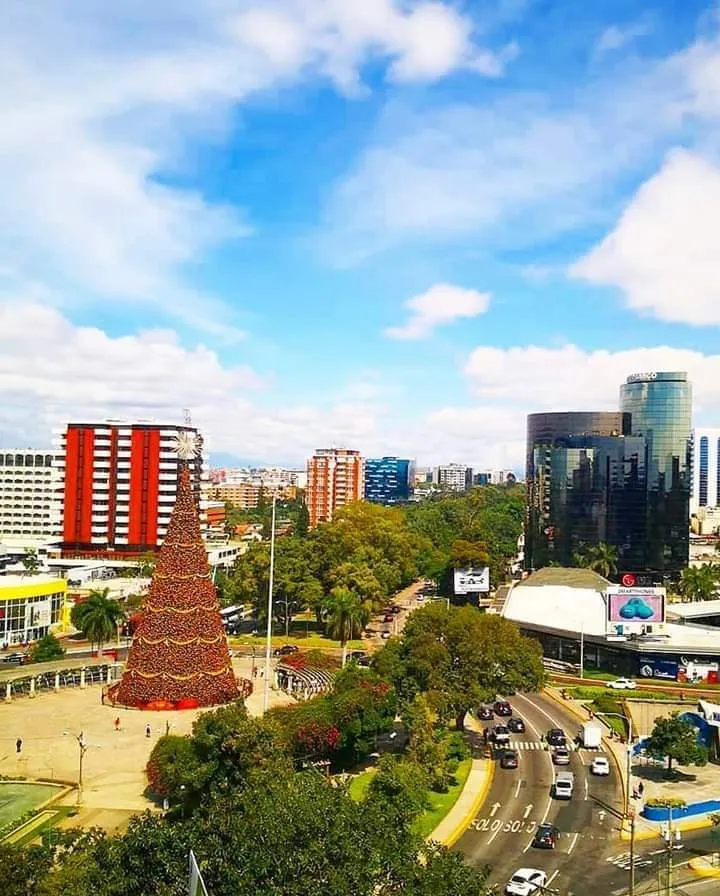
Traffic in Santa Rosa
Santa Rosa, Guatemala, presents a unique transportation landscape in 2024, with no dominant mode of transport.Despite the lack of specific data, understanding traffic patterns can help improve efficiency and reduce emissions.Average Commute Times
More Information
Seasonal Trends
Traffic patterns in Santa Rosa may vary with the rainy season, potentially affecting road conditions.
Dry seasons might see smoother traffic flow, but increased vehicle use could lead to congestion.
Commuter Pain Points
Limited public transportation options can make commuting challenging.
Road infrastructure may not support high traffic volumes, leading to potential bottlenecks.
Best Travel Times
Early mornings and late evenings are generally the best times to avoid traffic congestion.
Midday travel might be less congested, depending on local work schedules.
Event Impacts
Public events in Santa Rosa can significantly impact traffic, requiring alternative routes.
Festivals and local celebrations often lead to road closures and increased traffic.
Sustainability Efforts
Santa Rosa is encouraged to invest in sustainable transport options like cycling and public transit.
Promoting electric vehicles could help reduce the city's carbon footprint.
Ride-Sharing Impact
Ride-sharing services have the potential to reduce individual car use, easing traffic congestion.
Encouraging carpooling can further enhance traffic flow and reduce emissions.