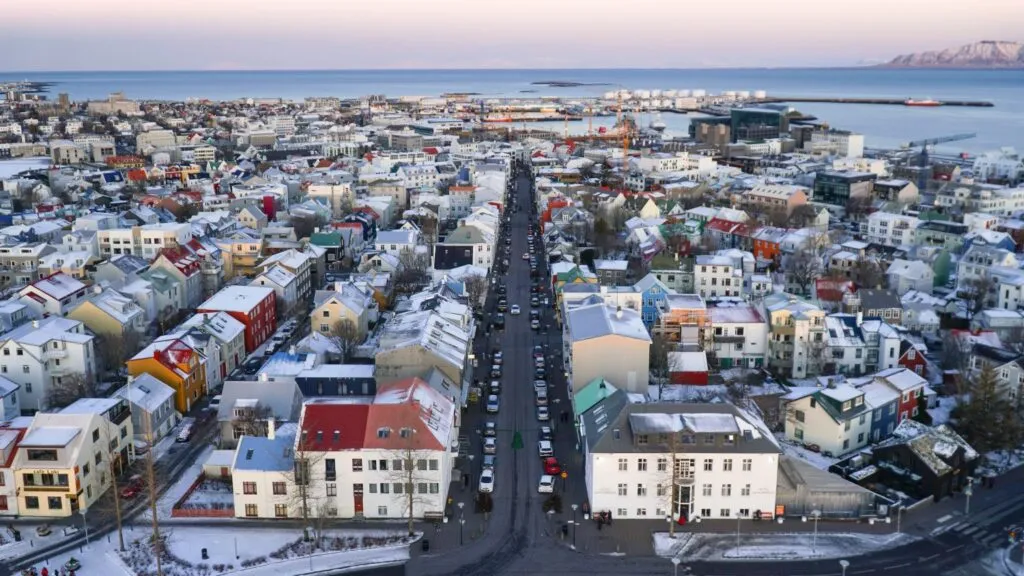
Job market in Njardvik
Njardvik, a town in Iceland, is experiencing a dynamic shift in its job market as we move into 2024.The local economy is bolstered by key industries such as fishing, tourism, and renewable energy, which are integral to the town's economic health.Recent infrastructure developments, including improvements in transportation and digital connectivity, are expected to spur job growth and attract new businesses.The job market in Njardvik is poised for growth, with emerging sectors like technology and green energy gaining traction.Top Industries in Njardvik
Fishing
Tourism
Renewable Energy
Technology
Employment Trends and Growth Rates
Njardvik is witnessing a positive trend in employment, with significant growth in the technology and renewable energy sectors.
The Gini index in Iceland is relatively low, indicating a more equitable income distribution compared to other countries.
Job turnover rates are stable, with a steady demand for skilled workers in key industries.
Job Market for Remote and Freelance Workers in Njardvik
Remote work is gaining popularity in Njardvik, with approximately 30% of the workforce engaged in remote roles.
Local companies in the tech and creative sectors are increasingly offering remote positions, aligning with global trends.
The demand for remote jobs is expected to continue growing, supported by advancements in digital infrastructure.
Job Resources and Networking
Njardvik offers several local job boards and resources for job seekers, including career fairs and networking events.
Local platforms such as NjardvikJobs.is provide tailored job listings for the area.
Entrepreneurial hubs and incubators are available for those interested in starting their own businesses, particularly in tech and renewable energy.