Traffic in Bilaspur
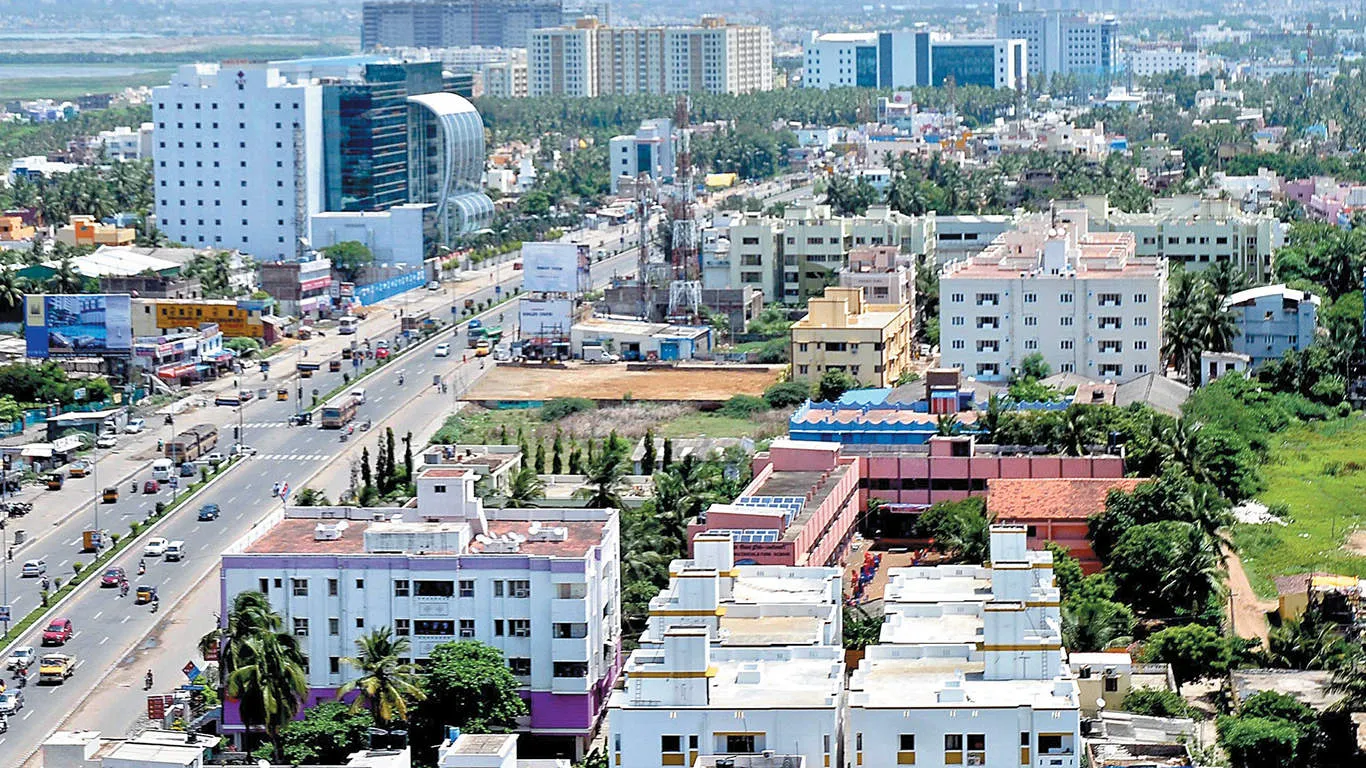
Bilaspur, a city in India, presents a unique traffic landscape with diverse transportation modes.In 2024, the city continues to evolve its transportation infrastructure, focusing on sustainability and efficiency.Average Commute Times
More Information
Seasonal Trends
Traffic tends to increase during the festive seasons, with more vehicles on the road.
Monsoon season can lead to road blockages and slower commute times due to heavy rains.
Commuter Pain Points
Lack of reliable public transportation options can lead to increased reliance on personal vehicles.
Traffic congestion during peak hours remains a significant challenge for commuters.
Best Travel Times
Early mornings and late evenings are generally the best times to travel to avoid congestion.
Midday travel can also be less congested compared to peak hours.
Event Impacts
Public events and festivals can significantly impact traffic, leading to road closures and diversions.
Planning ahead for such events can help mitigate traffic disruptions.
Sustainability Efforts
Bilaspur is exploring initiatives to promote public transportation and reduce vehicle emissions.
Efforts include enhancing bicycle infrastructure and encouraging carpooling.
Ride-Sharing Impact
Ride-sharing services are gradually gaining popularity, offering an alternative to personal vehicle use.
These services can help reduce traffic congestion and provide flexible commuting options.