Traffic in Indore
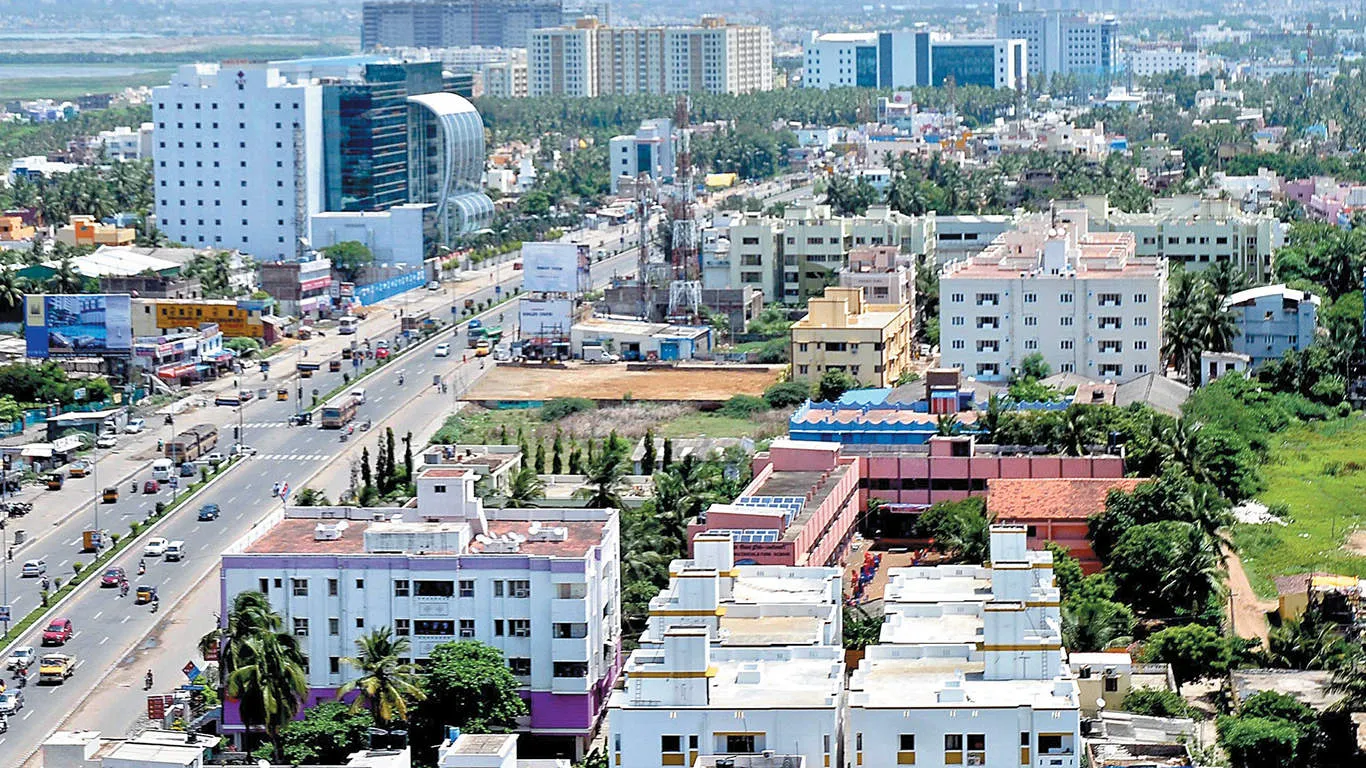
Indore, a bustling city in India, showcases a diverse range of transportation modes with cars and motorcycles being the most popular.In 2024, the city faces challenges with traffic inefficiency and CO2 emissions, prompting a need for sustainable solutions.Average Commute Times
The average commute involves 12.47 minutes of driving and 6 minutes of biking, covering a distance of 14.73 km.
- Car - Car commuters spend about 39.5 minutes driving over a distance of 25.25 km.
- Walking - Walking commutes take approximately 23 minutes, with additional time spent on other modes like biking and motorbiking.
Traffic Breakdown
Traffic Data
Overall average travel
Average when primarily using Car
Average when primarily using Walking
More Information
Seasonal Trends
Traffic congestion tends to increase during the monsoon season due to waterlogged roads.
Winter months see a slight decrease in traffic as cooler temperatures encourage walking and cycling.
Commuter Pain Points
Frequent traffic jams during peak hours lead to extended commute times.
Limited public transportation options increase dependency on personal vehicles.
Best Travel Times
Traveling before 8 AM or after 8 PM can help avoid peak traffic congestion.
Midday travel between 11 AM and 2 PM is generally smoother with less traffic.
Event Impacts
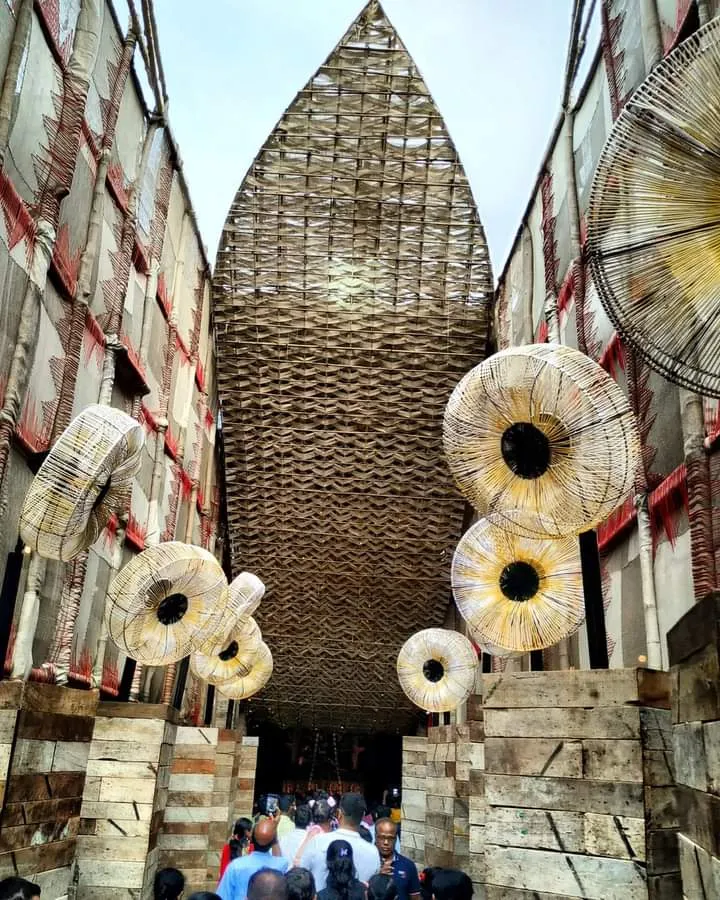
Public events and festivals often lead to road closures and increased traffic in central areas.
Planning alternative routes during major events can help mitigate delays.
Sustainability Efforts
Indore is exploring the expansion of bicycle lanes to encourage eco-friendly commuting.
Initiatives to increase green spaces aim to improve air quality and reduce urban heat.
Ride-Sharing Impact
Ride-sharing services are gaining popularity, offering flexible commuting options and reducing the need for personal vehicles.
These services help alleviate parking issues in crowded areas and contribute to traffic decongestion.