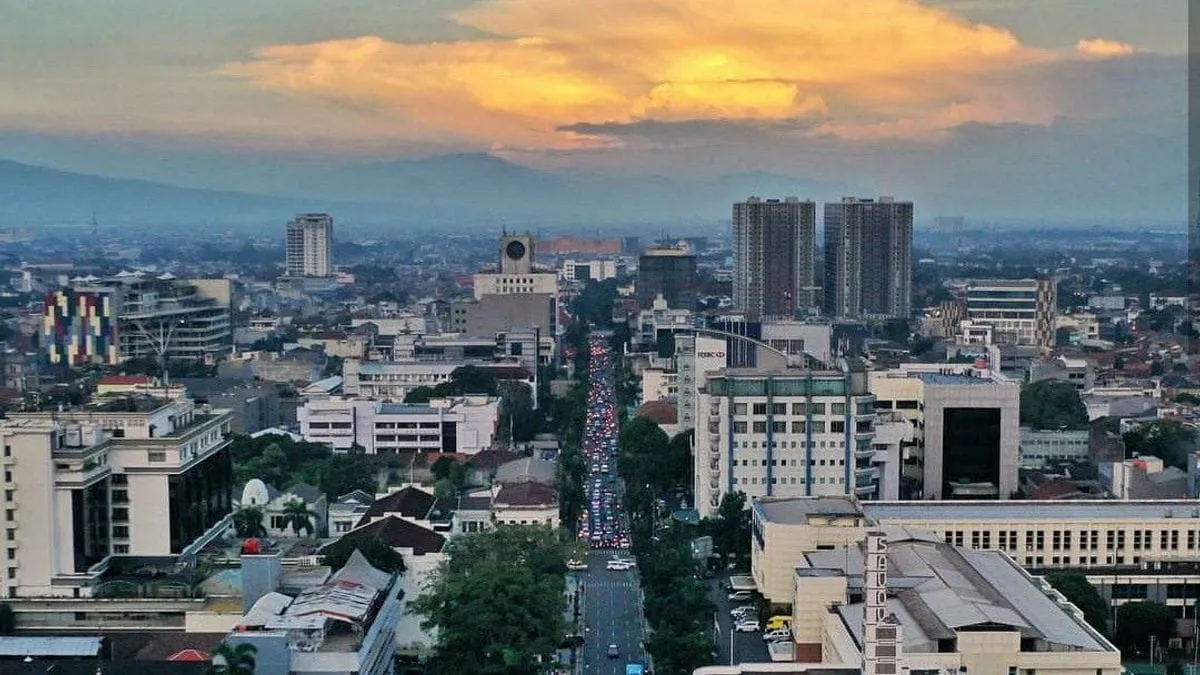
Traffic in Wonosari
Wonosari, a city in Indonesia, presents a unique traffic landscape in 2024 with its minimal reliance on traditional modes of transportation.Despite the lack of data on specific commuting methods, Wonosari's traffic patterns offer insights into potential areas for development and sustainability.Average Commute Times
More Information
Seasonal Trends
Traffic patterns in Wonosari remain consistent throughout the year due to the absence of significant seasonal changes.
The city's climate does not significantly impact transportation modes or efficiency.
Commuter Pain Points
Limited public transportation options may pose challenges for residents without personal vehicles.
The lack of data on transportation usage suggests potential underdevelopment in infrastructure.
Best Travel Times
Any time of day is suitable for travel in Wonosari due to the low traffic levels.
Commuters can expect smooth travel experiences without peak hour congestion.
Event Impacts
Public events in Wonosari have minimal impact on traffic due to the city's efficient traffic management.
Local festivals and gatherings are well-coordinated to avoid congestion.
Sustainability Efforts
Wonosari is exploring initiatives to maintain its low emissions and promote eco-friendly transportation.
Efforts to introduce more sustainable transport options could benefit the city's environmental goals.
Ride-Sharing Impact
Ride-sharing services have a limited presence in Wonosari, offering potential for growth in this sector.
The introduction of more ride-sharing options could provide convenient alternatives for residents.