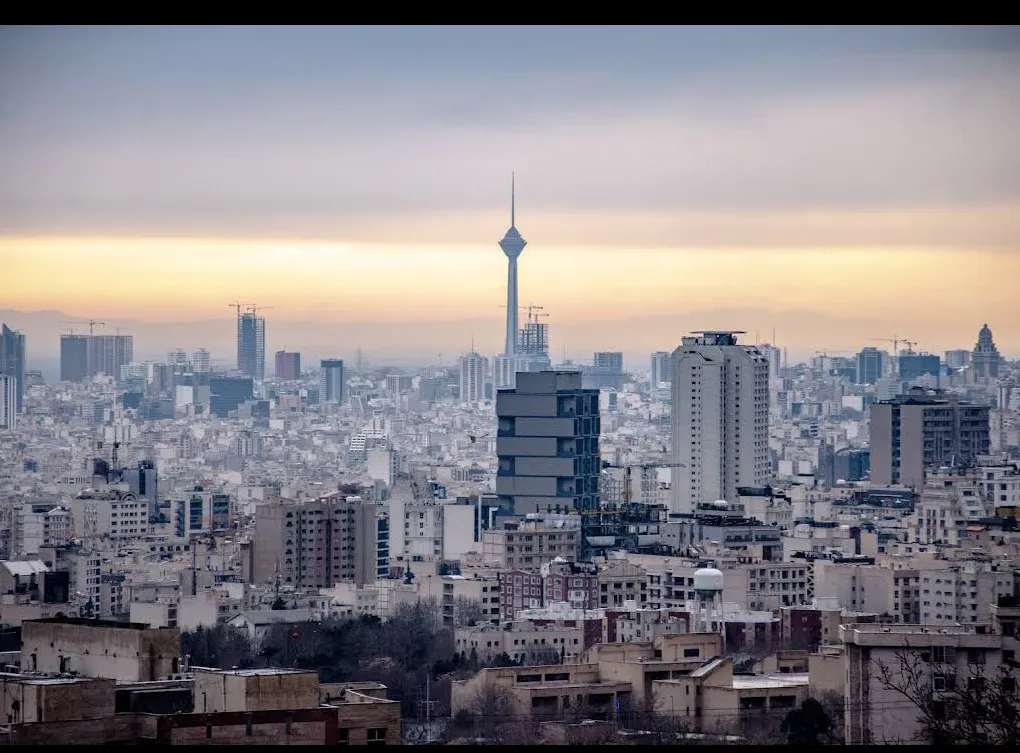
Traffic in Zanjan
In 2024, Zanjan's transportation landscape is dominated by cars and buses, each accounting for 50% of the commuting methods.The city faces challenges with CO2 emissions and traffic inefficiency, highlighting areas for potential improvement.Average Commute Times
The average commute time in Zanjan is 23 minutes, with a mix of walking, driving, and bus travel.
- Bus - Bus commuters spend an average of 8 minutes on the bus, with additional time for walking and waiting.
- Car - Car users typically drive for 20 minutes, with a short walking distance to their destination.
Traffic Breakdown
Traffic Data
Overall average travel
Average when primarily using Bus
Average when primarily using Car
More Information
Seasonal Trends
Traffic tends to increase during the winter months due to adverse weather conditions.
Summer sees a slight decrease in traffic as residents often travel out of the city.
Commuter Pain Points
Long waiting times for buses can be frustrating for commuters.
Traffic congestion during peak hours leads to extended travel times.
Best Travel Times
Early mornings before 8 AM are ideal for avoiding heavy traffic.
Late evenings after 7 PM generally see reduced congestion.
Event Impacts
Public events and festivals can significantly disrupt traffic flow, requiring alternative routes.
Planning ahead for major events can help mitigate traffic delays.
Sustainability Efforts
Zanjan is exploring initiatives to expand its public transportation network.
Efforts to increase bicycle lanes and pedestrian paths are underway to promote eco-friendly commuting.
Ride-Sharing Impact
Ride-sharing services are gaining popularity, offering flexible commuting options.
These services help reduce the number of cars on the road, potentially easing congestion.