
Quality of life in ottawa
Cost of Living, Healthcare, Safety, Education, and More
About ottawa
Ottawa, a charming city in Ireland, is known for its unique blend of historical charm and modern vibrancy. As the capital city, it serves as a hub for political, cultural, and economic activities. Ottawa's picturesque landscapes and welcoming community make it a desirable place to live and visit.The city is characterized by its rich cultural heritage, with a strong emphasis on arts and music. Ottawa is also home to a burgeoning tech industry, contributing to its dynamic economy. The city's commitment to sustainability and green initiatives is evident in its numerous parks and eco-friendly policies.

History and Culture
Ottawa's history is deeply rooted in its early settlement days, with influences from various European cultures. The city played a significant role during Ireland's struggle for independence, serving as a strategic location for political movements.
Culturally, Ottawa boasts a diverse population that has enriched its traditions and celebrations. The city is home to several renowned cultural institutions, including museums and theaters that showcase both local and international art.
Notable figures from Ottawa include influential artists and political leaders who have left a lasting impact on the city's cultural landscape. The annual Ottawa Arts Festival is a testament to the city's vibrant cultural scene, attracting visitors from all over the world.
Quality of Life Rankings
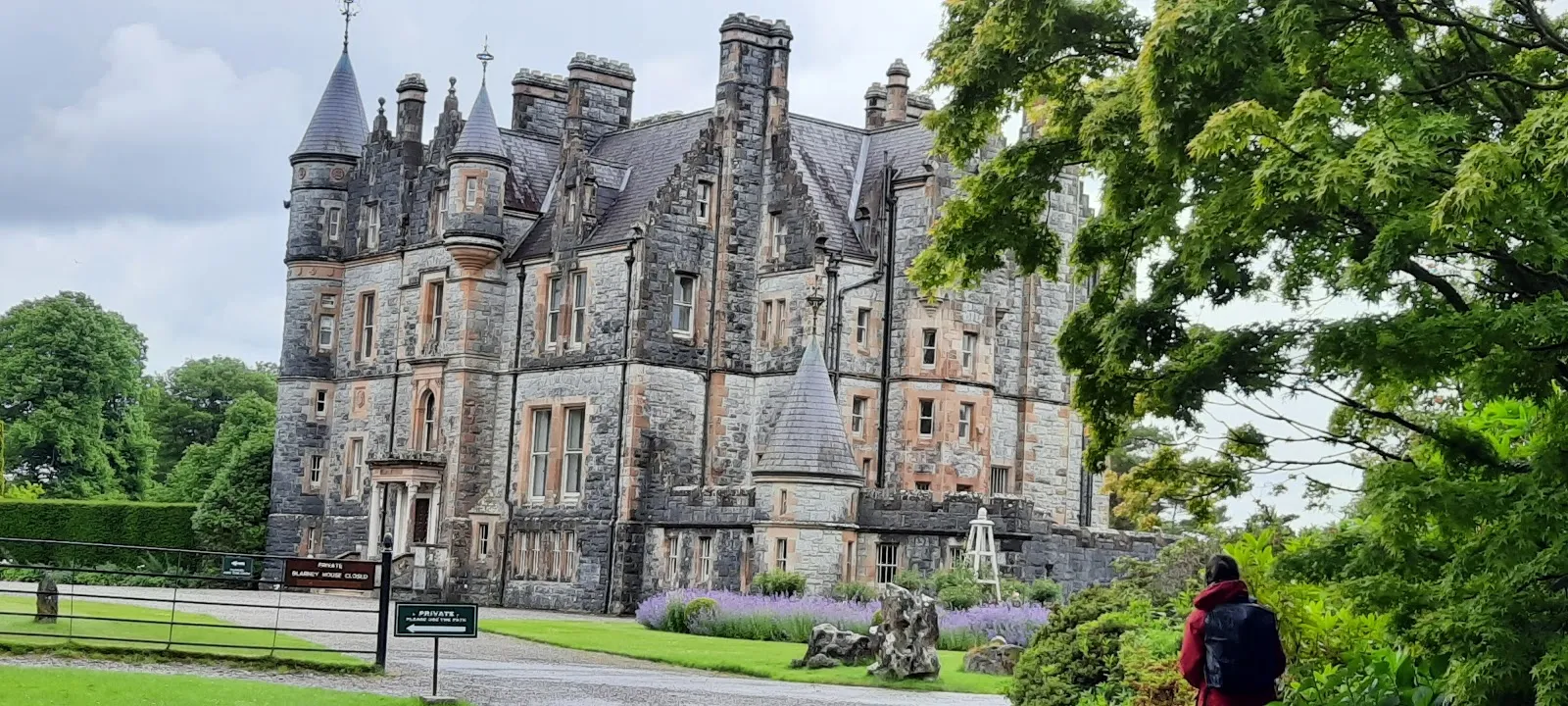

Weather in ottawa
Ottawa, Ireland experiences a temperate maritime climate characterized by mild, damp winters and cool, wet summers. The city receives an average annual precipitation of approximately 30 inches (762 mm), with October being the wettest month, averaging 3.5 inches (89 mm) of rainfall.
Seasonal Breakdown
- Spring (March to May)Temperatures gradually rise from an average high of 50°F (10°C) in March to 60°F (16°C) in May. Rainfall increases during this period, with April receiving the most precipitation, averaging 3 inches (76 mm).
- Summer (June to August)The warmest months, with average highs ranging from 65°F (18°C) in June to 70°F (21°C) in July. Rainfall is moderate, averaging around 2.5 inches (64 mm) per month.
- Autumn (September to November)Temperatures gradually decrease from an average high of 65°F (18°C) in September to 50°F (10°C) in November. Rainfall remains high, with October being the wettest month, averaging 3.5 inches (89 mm).
- Winter (December to February)The coldest period, with average highs ranging from 45°F (7°C) in December to 40°F (4°C) in February. Snowfall is rare, with occasional light snow showers.
Notable Weather Events
- Occasional heavy rainstorms in autumn
- Rare light snow showers in winter
- Mild heatwaves during summer months
ottawa's Political Climate
Ottawa, the capital city of Canada, is known for its vibrant political climate, characterized by a blend of federal, provincial, and municipal governance. As the seat of the Canadian government, Ottawa plays a crucial role in shaping national policies and is home to Parliament Hill, where major legislative decisions are made. The city's political landscape is influenced by its diverse population and the presence of numerous governmental and non-governmental organizations.
Historically, Ottawa has been a hub for political activity, with a strong tradition of civic engagement and public service. The city is governed by a mayor-council system, with the mayor serving as the chief executive officer. The current political leadership in Ottawa is focused on progressive policies, including sustainability efforts, affordable housing initiatives, and enhancing public transportation. These policies reflect the city's commitment to addressing climate change and improving the quality of life for its residents.
Ottawa's political climate is also shaped by its commitment to social justice and inclusivity. The city has implemented various programs aimed at promoting diversity and equality, such as initiatives to support Indigenous communities and newcomers. Recent political trends in Ottawa include a growing emphasis on digital governance and transparency, as well as increased public participation in decision-making processes.
The political climate in Ottawa significantly influences its economic, social, and environmental decisions. The city's leadership prioritizes economic development that aligns with environmental sustainability, fostering a green economy. Social policies are designed to enhance community well-being and ensure equitable access to resources. Ottawa's political environment encourages innovation and collaboration, making it a dynamic and forward-thinking city.
Political Quick Facts
- Voter Turnout68%
- City GovernanceMayor-council system
- CompositionMajority Liberal with representation from Conservative and Green parties
- Recent Political ChangesIncreased focus on digital governance and public transparency
- EngagementHigh, with active participation in local and national elections
- Political ScorecardA- for governance and transparency
- Legislative PrioritiesClimate action and sustainability Affordable housing Public transportation enhancement
- Public OpinionGenerally progressive, with strong support for social justice and environmental policies
Notable Political Figures
- Jim WatsonFormer Mayor of Ottawa known for his focus on urban development and public services.
- Catherine McKennaFormer Minister of Environment and Climate Change, advocate for sustainability.
- Yasir NaqviMember of Parliament for Ottawa Centre, known for his work on public safety and justice.