
Quality of life in Givat Ela
Cost of Living, Healthcare, Safety, Education, and More
About Givat Ela
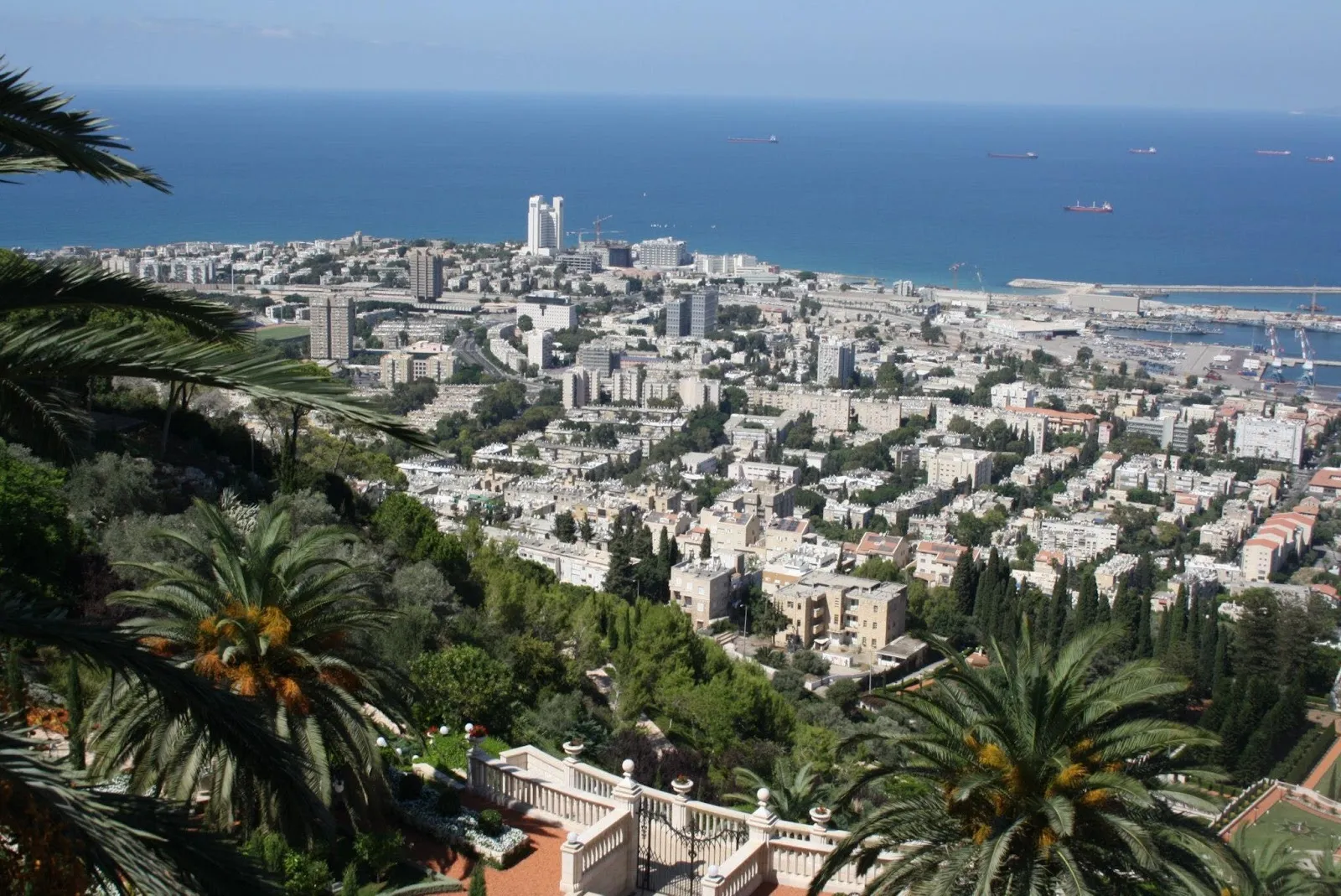
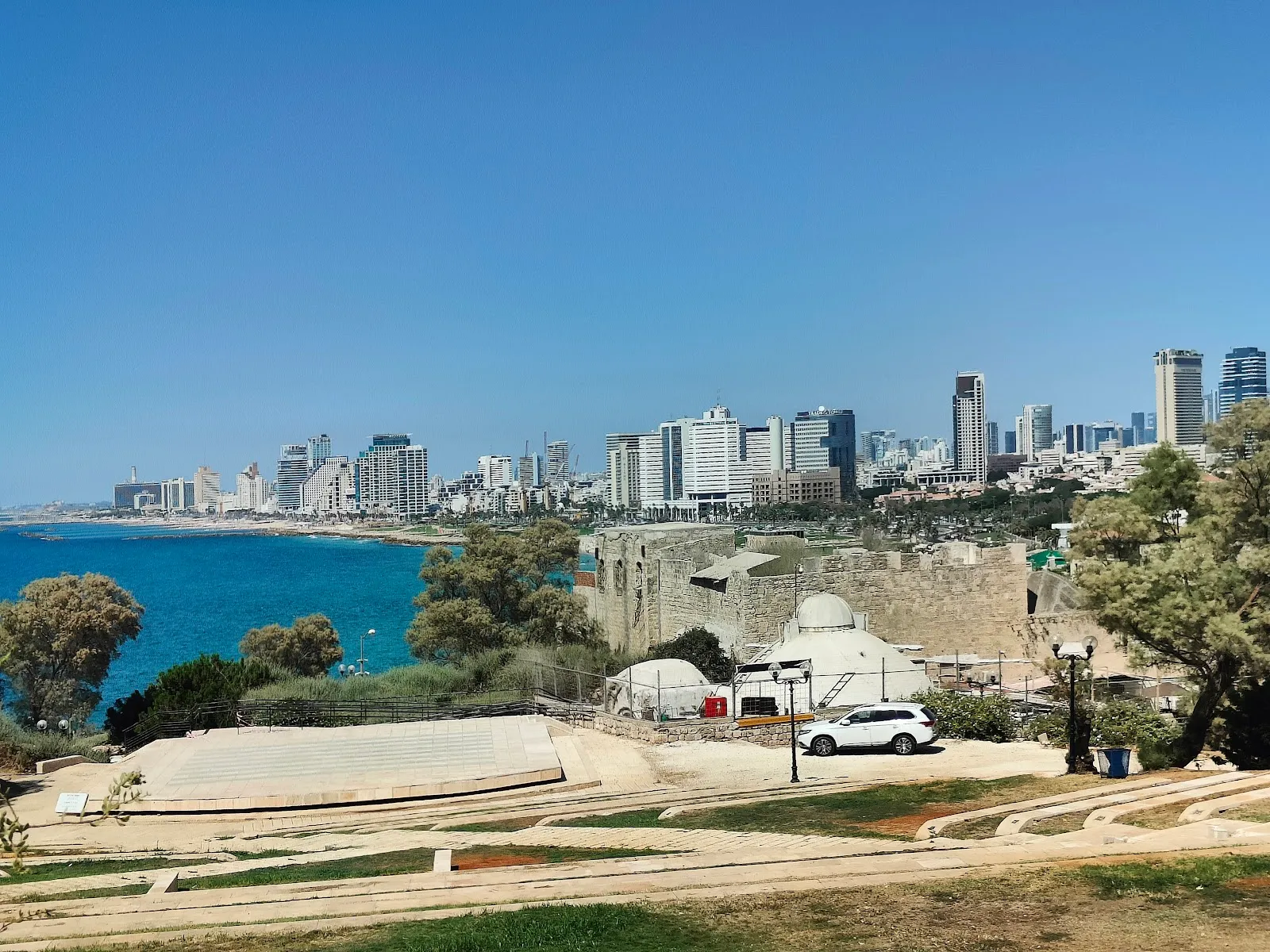
Givat Ela is a charming locality in Israel, known for its serene environment and close-knit community. Nestled in the northern part of the country, it offers a unique blend of rural tranquility and cultural richness. The area is characterized by its lush landscapes and agricultural heritage, making it a peaceful retreat from the bustling city life.In recent years, Givat Ela has seen a rise in popularity among those seeking a quieter lifestyle without sacrificing cultural engagement. The community is vibrant, with a mix of long-time residents and newcomers who contribute to its dynamic atmosphere. This growth has been accompanied by an increase in local amenities and cultural activities, enhancing the quality of life for its residents.
History and Culture
Givat Ela's history is deeply rooted in the agricultural traditions of Israel. Established as part of the wave of settlement movements, it has grown from a small farming community into a thriving locality. The area's development has been influenced by its strategic location and the dedication of its residents to preserving their cultural heritage.
Culturally, Givat Ela is a melting pot of traditions and modern influences. The community celebrates various local festivals that highlight its diverse cultural tapestry. These events often feature traditional music, dance, and culinary experiences that reflect the rich heritage of the region.
The presence of cultural institutions and community centers plays a significant role in fostering a sense of identity and belonging among the residents. These venues host a variety of events, from art exhibitions to educational workshops, contributing to the cultural vibrancy of Givat Ela.
Things to do in Givat Ela
Visitors to Givat Ela can enjoy a range of activities that showcase the area's natural beauty and cultural offerings. The surrounding landscapes provide ample opportunities for outdoor activities such as hiking and cycling, with trails that offer stunning views of the region.
Cultural enthusiasts will find plenty to explore, from local art galleries to community events that celebrate the area's heritage. The local markets are a must-visit, offering a taste of the region's agricultural produce and artisanal goods.
For those interested in history, nearby historical sites and museums provide insights into the area's past and its role in the broader context of Israeli history. These attractions offer a deeper understanding of the cultural and historical significance of Givat Ela.
Quality of Life Rankings
Weather in Givat Ela
Givat Ela, Israel experiences a Mediterranean climate characterized by hot, dry summers and mild, wet winters. The city receives an average annual precipitation of approximately 21 inches (530 mm), with December being the wettest month, averaging around 5 inches (127 mm) of rainfall.
Seasonal Breakdown
- Spring (March to May)Temperatures gradually rise from an average high of 68°F (20°C) in March to 80°F (27°C) in May. Rainfall decreases during this period, with March receiving the most precipitation, averaging around 3 inches (76 mm).
- Summer (June to August)The hottest months, with average highs ranging from 86°F (30°C) in June to 90°F (32°C) in July and August. Rainfall is minimal during the summer, averaging less than 0.5 inches (13 mm) per month.
- Autumn (September to November)Temperatures gradually decrease from an average high of 86°F (30°C) in September to 72°F (22°C) in November. Rainfall begins to increase, averaging around 2 inches (51 mm) in November.
- Winter (December to February)The coldest period, with average highs ranging from 64°F (18°C) in December to 66°F (19°C) in February. This is the wettest season, with December receiving the most rainfall, averaging about 5 inches (127 mm).
Notable Weather Events
- Occasional heatwaves during the summer months.
- Heavy rainfall events in winter, particularly in December.
- Rare occurrences of frost during the coldest winter nights.
Givat Ela's Political Climate
Givat Ela, a small community in Israel, is known for its unique political climate that reflects the broader dynamics of Israeli society. As a moshav, Givat Ela operates under a cooperative agricultural framework, which influences its local governance and political affiliations. The community is typically characterized by a blend of traditional and modern values, often leaning towards centrist or right-leaning political ideologies, which is reflective of many rural areas in Israel.
The political history of Givat Ela is intertwined with the development of Israel's agricultural settlements. The moshav system, which combines communal living with private farming, has shaped the political and social fabric of the community. Current political leadership in Givat Ela is often aligned with national parties that support agricultural development and rural community interests. Key political issues include land use, agricultural subsidies, and community development.
Givat Ela has been proactive in implementing progressive policies, particularly in sustainability and environmental conservation. The community has embraced renewable energy initiatives and sustainable farming practices, aligning with broader national efforts to address climate change. These policies not only reflect the community's commitment to environmental stewardship but also influence its economic and social decisions.
Recent political trends in Givat Ela include a growing interest in social justice initiatives, particularly those aimed at improving the quality of life for residents and ensuring equitable access to resources. This shift is part of a larger movement within Israel towards greater social equity and inclusion.
Political Quick Facts
- Voter TurnoutApproximately 70%
- City GovernanceMoshav cooperative governance
- CompositionPredominantly aligned with national right-leaning parties
- Recent Political ChangesIncreased focus on sustainability and social justice initiatives
- EngagementModerate to high, with active community participation in local governance
- Political ScorecardHigh marks for transparency and community involvement
- Legislative PrioritiesSustainability and renewable energy Agricultural development Social equity and community welfare
- Public OpinionGenerally supportive of national policies that favor agricultural and rural community interests
Notable Political Figures
- Yossi CohenLocal leader known for advocating sustainable farming practices.
- Miriam LevyCommunity organizer focused on social justice and equity.
- David Ben-AmiFormer council member with a strong background in agricultural policy.