
Quality of life in Tirat Carmel
Cost of Living, Healthcare, Safety, Education, and More
About Tirat Carmel
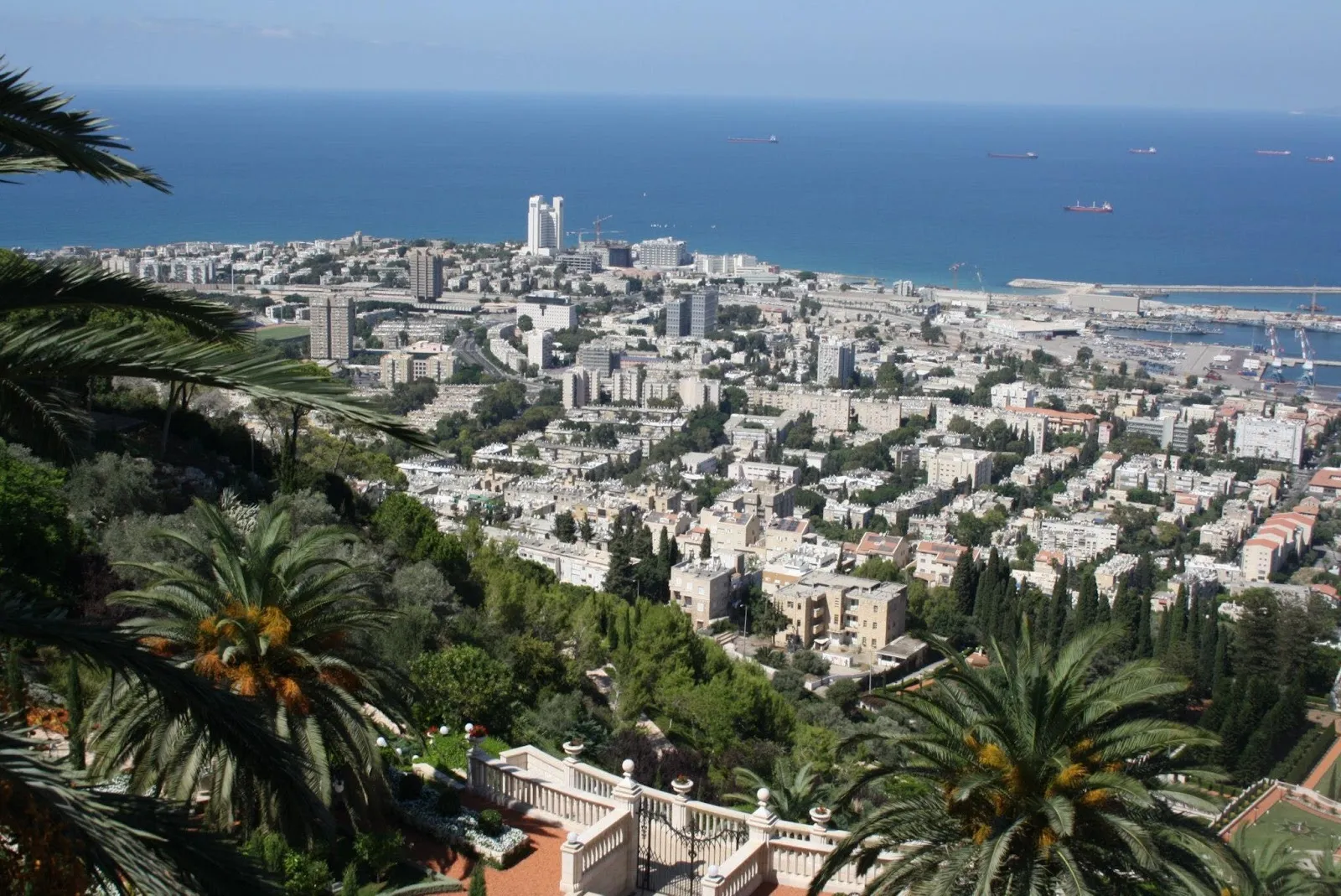
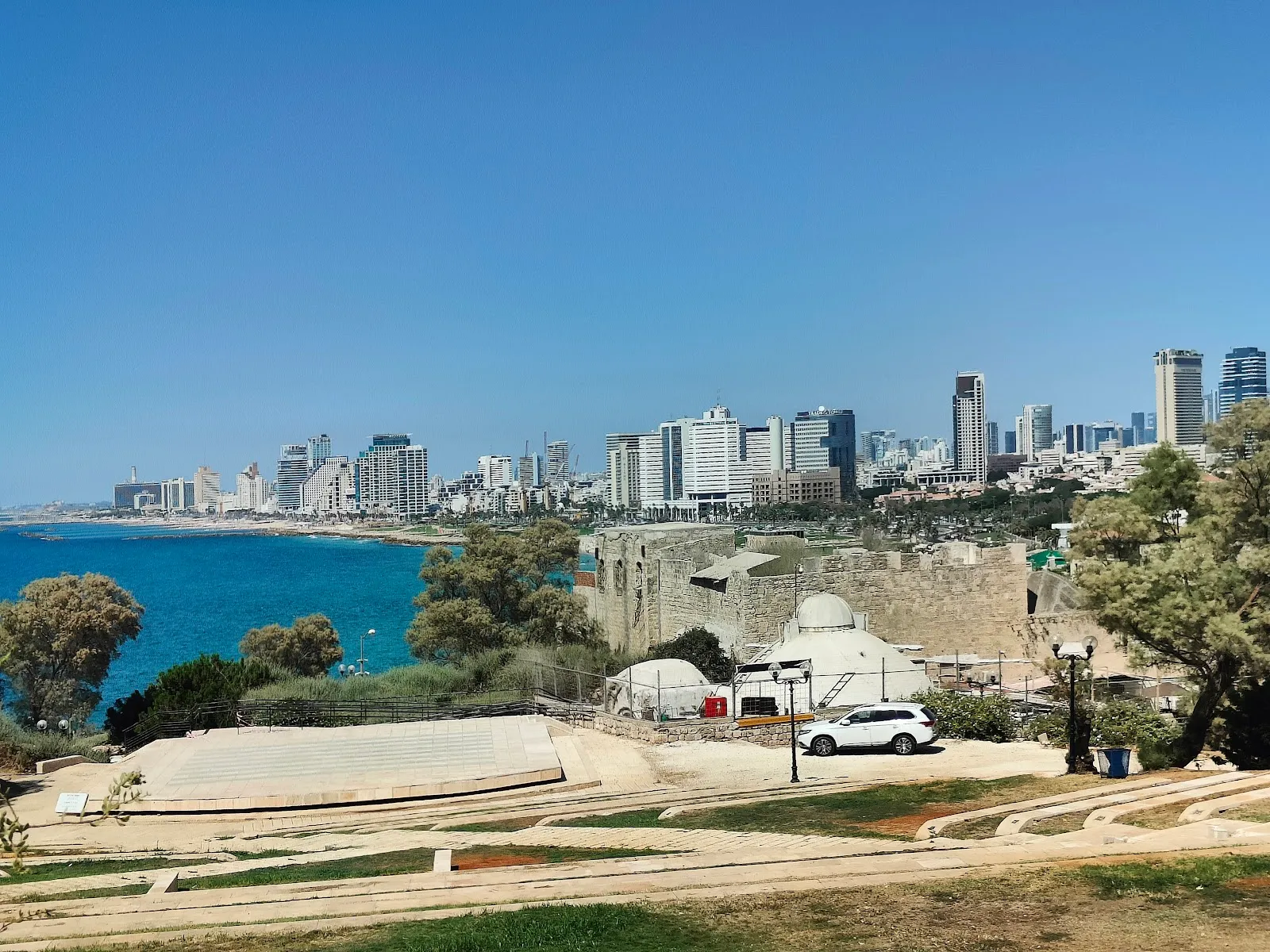
Tirat Carmel, located in the northern district of Israel, is a city that beautifully blends modernity with tradition. Known for its scenic landscapes and proximity to the Mediterranean Sea, Tirat Carmel offers a unique lifestyle that combines urban living with natural beauty.The city is characterized by its diverse population and rich cultural heritage, making it a vibrant place to live and visit. Emerging trends in technology and innovation are also shaping the city's economic landscape, attracting new businesses and fostering a dynamic community.


History and Culture
Tirat Carmel has a rich history that dates back to ancient times. The area has been inhabited since the Bronze Age, with archaeological findings indicating a long-standing human presence. Over the centuries, it has been influenced by various civilizations, including the Romans and Ottomans, each leaving their mark on the city's cultural fabric.
In the modern era, Tirat Carmel was officially established in the 1940s, during the period of significant Jewish immigration to Israel. This influx of diverse communities has contributed to the city's multicultural atmosphere, which is reflected in its festivals, cuisine, and daily life.
Cultural institutions such as local museums and galleries play a crucial role in preserving and showcasing the city's heritage. The city's commitment to arts and culture is evident in its support for local artists and cultural events, which are integral to the community's identity.
Tirat Carmel's ethnic diversity is one of its defining features, with various communities contributing to a rich tapestry of traditions and customs. This diversity is celebrated through numerous cultural festivals and events that highlight the city's inclusive spirit.
Things to do in Tirat Carmel
Visitors to Tirat Carmel can enjoy a variety of activities that cater to different interests. The city's proximity to the Mediterranean Sea makes it an ideal spot for beachgoers and water sports enthusiasts. The nearby Carmel Mountain Range offers hiking trails and nature reserves for those who love outdoor adventures.
Cultural enthusiasts can explore the city's museums and art galleries, which offer insights into the local history and contemporary art scene. The city's vibrant markets and shopping centers provide a taste of local life and an opportunity to purchase unique souvenirs.
Tirat Carmel hosts several annual festivals and events that showcase its cultural diversity and community spirit. These include music festivals, food fairs, and traditional celebrations that attract both locals and tourists alike.
Quality of Life Rankings
Weather in Tirat Carmel
Tirat Carmel, Israel experiences a Mediterranean climate characterized by hot, dry summers and mild, wet winters. The city receives an average annual precipitation of approximately 21 inches (530 mm), with December being the wettest month, averaging around 5 inches (127 mm) of rainfall.
Seasonal Breakdown
- Spring (March to May)Temperatures gradually rise from an average high of 68°F (20°C) in March to 77°F (25°C) in May. Rainfall decreases during this period, with March receiving the most precipitation, averaging around 3 inches (76 mm).
- Summer (June to August)The hottest months, with average highs ranging from 86°F (30°C) in June to 90°F (32°C) in July and August. Rainfall is minimal during the summer, averaging less than 0.5 inches (13 mm) per month.
- Autumn (September to November)Temperatures gradually decrease from an average high of 86°F (30°C) in September to 73°F (23°C) in November. Rainfall begins to increase, with November averaging around 3 inches (76 mm).
- Winter (December to February)The coldest period, with average highs ranging from 64°F (18°C) in December to 66°F (19°C) in February. This is the wettest season, with December receiving the most rainfall, averaging about 5 inches (127 mm).
Notable Weather Events
- Occasional heatwaves during the summer months.
- Heavy rainfall events in winter, particularly in December.
- Rare occurrences of hail during transitional seasons.
Tirat Carmel's Political Climate
Tirat Carmel, located in Israel, is a city with a dynamic political climate that reflects the broader national trends while also maintaining its unique local characteristics. The city operates under a municipal government structure, with a mayor-council system that allows for both executive and legislative functions to be carried out effectively. The political landscape in Tirat Carmel is influenced by national politics, with local leaders often aligning with larger political parties that dominate the Israeli political scene.
Historically, Tirat Carmel has seen a mix of political affiliations, with shifts often reflecting the broader changes in Israeli politics. The city has been proactive in implementing progressive policies, particularly in areas such as urban development and environmental sustainability. Recent initiatives have focused on improving public transportation and enhancing green spaces, aligning with national efforts to promote sustainability.
The political climate in Tirat Carmel is also shaped by social issues, with local leaders addressing concerns related to housing, education, and community welfare. The city's leadership has been involved in various social justice initiatives, aiming to improve the quality of life for all residents. This focus on social issues is indicative of a broader trend in Israeli cities, where local governments are increasingly taking active roles in addressing societal challenges.
Recent political events in Tirat Carmel have included local movements advocating for better public services and increased transparency in government operations. These movements have contributed to a heightened sense of political engagement among residents, with more citizens participating in local governance and civic activities.
Political Quick Facts
- Voter Turnout65%
- City GovernanceMayor-council system
- CompositionMajority Likud with representation from Labor and Yesh Atid
- Recent Political ChangesIncreased focus on transparency and public service improvements
- EngagementHigh, with active participation in local governance
- Political ScorecardB+ for governance and transparency
- Legislative PrioritiesUrban development Environmental sustainability Social welfare improvements
- Public OpinionGenerally center-right, with strong support for national security and economic growth policies
Notable Political Figures
- Yitzhak CohenCurrent mayor known for his focus on urban development and public service improvements.
- Miriam LeviCity council member and advocate for environmental sustainability.
- David Ben-AmiLocal activist and leader in social justice initiatives.