
Quality of life in Imola
Cost of Living, Healthcare, Safety, Education, and More
About Imola
Imola, a charming city in the Emilia-Romagna region of Italy, is renowned for its rich history and vibrant cultural scene. Nestled along the Santerno River, Imola offers a unique blend of medieval architecture and modern attractions, making it a fascinating destination for visitors and residents alike.The city is perhaps best known for its motorsport legacy, being home to the famous Autodromo Enzo e Dino Ferrari, which hosts various international racing events, including Formula 1. Beyond its racing fame, Imola boasts a lively arts scene, delicious Italian cuisine, and a welcoming community that reflects the warmth and hospitality of the region.


History and Culture
Imola's history dates back to ancient times, with its origins as a Roman settlement known as Forum Cornelii. Over the centuries, it has been influenced by various cultures and rulers, including the Byzantines and the Lombards, each leaving their mark on the city's development.
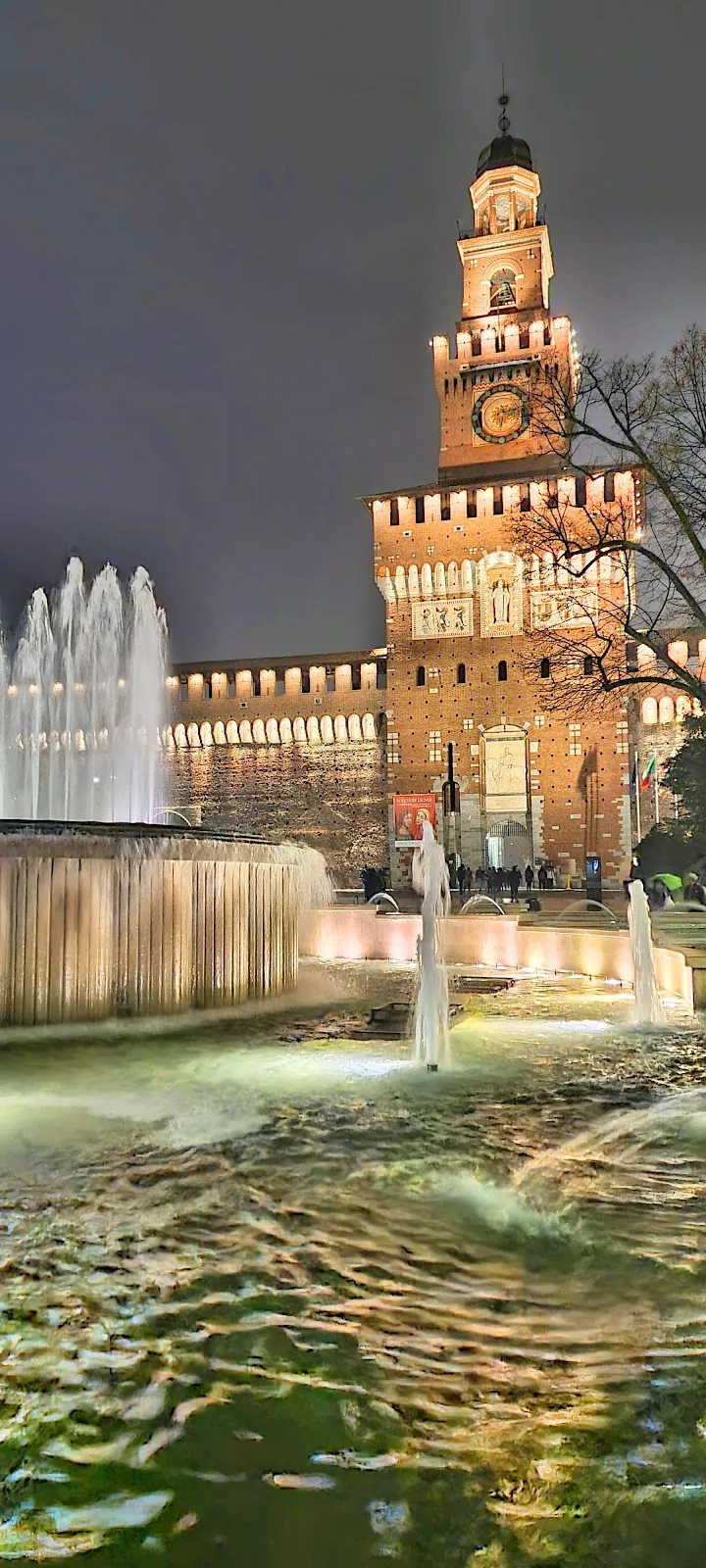
During the Middle Ages, Imola became a significant center of power and culture, with its strategic location making it a coveted prize for various Italian noble families. The city's medieval architecture, including the Rocca Sforzesca, a well-preserved fortress, stands as a testament to its historical significance.
Culturally, Imola has a rich tradition of art and music, with numerous festivals and events celebrating its heritage. The city hosts the Imola in Musica festival, which attracts artists and music lovers from across the region. Additionally, Imola's diverse community contributes to a vibrant cultural tapestry, with influences from various Italian and European traditions.
Things to do in Imola
Visitors to Imola can explore the iconic Autodromo Enzo e Dino Ferrari, a must-see for motorsport enthusiasts. The circuit offers guided tours and hosts thrilling events throughout the year.
For those interested in history and architecture, the Rocca Sforzesca provides a glimpse into the city's medieval past. The fortress offers panoramic views of the surrounding area and houses a museum with exhibits on local history.
Imola's culinary scene is another highlight, with numerous restaurants offering traditional Italian dishes made from locally sourced ingredients. The city's markets and food festivals provide an opportunity to sample regional specialties and experience the local food culture.
Outdoor enthusiasts can enjoy the scenic beauty of the Santerno River and the surrounding countryside, which offer opportunities for hiking, cycling, and picnicking. The city's parks and gardens provide a tranquil escape from the hustle and bustle of urban life.
Quality of Life Rankings
Weather in Imola
Imola, Italy experiences a humid subtropical climate characterized by hot, humid summers and cool, damp winters. The city receives an average annual precipitation of approximately 28 inches (700 mm), with November being the wettest month, averaging 3.5 inches (90 mm) of rainfall.
Seasonal Breakdown
- Spring (March to May)Temperatures gradually rise from an average high of 57°F (14°C) in March to 73°F (23°C) in May. Rainfall increases during this period, with April receiving the most precipitation, averaging 2.8 inches (70 mm).
- Summer (June to August)The hottest months, with average highs ranging from 82°F (28°C) in June to 88°F (31°C) in July. Rainfall decreases during the summer, averaging around 1.6 inches (40 mm) per month.
- Autumn (September to November)Temperatures gradually decrease from an average high of 77°F (25°C) in September to 55°F (13°C) in November. Rainfall remains moderate, averaging around 3 inches (75 mm) per month.
- Winter (December to February)The coldest period, with average highs ranging from 47°F (8°C) in December to 46°F (8°C) in February. Snowfall is minimal, averaging about 1 inch (25 mm) in January.
Notable Weather Events
- Occasional heatwaves during the summer months.
- Heavy rainfall events in autumn, particularly in November.
- Rare snowfall during winter, mostly in January.
Imola's Political Climate
Imola, a city in the Emilia-Romagna region of Italy, is known for its rich political history and vibrant civic life. The city has traditionally leaned towards leftist political ideologies, reflecting the broader political tendencies of the region. Historically, Imola has been a stronghold for the Italian Communist Party and its successors, which have significantly influenced its political landscape.
Currently, the city is governed by a coalition that includes the Democratic Party, which is indicative of its progressive political stance. The leadership focuses on policies that promote social welfare, economic development, and environmental sustainability. Imola has been at the forefront of implementing green policies, including initiatives to increase renewable energy usage and reduce carbon emissions.
The political climate in Imola is also shaped by its commitment to social justice and inclusivity. The city has launched several programs aimed at improving social equity and supporting marginalized communities. These efforts are complemented by a strong emphasis on cultural heritage and education, which are seen as vital components of the city's development strategy.
Recent political trends in Imola include a growing interest in participatory governance, with increased citizen involvement in decision-making processes. This has been facilitated by digital platforms that allow residents to engage with local government and contribute to policy discussions. The city's political environment is characterized by a high level of civic engagement, with active participation in local elections and community initiatives.
Political Quick Facts
- Voter TurnoutApproximately 70% in recent elections
- City GovernanceMayor-council government
- CompositionMajority Democratic Party with representation from other leftist and centrist parties
- Recent Political ChangesIncreased focus on digital governance and participatory democracy
- EngagementHigh, with active community participation in civic matters
- Political ScorecardRated highly for transparency and citizen engagement
- Legislative PrioritiesEnvironmental sustainability Social equity and inclusion Economic development
- Public OpinionGenerally progressive, with strong support for social welfare and environmental policies
Notable Political Figures
- Marco PanieriCurrent Mayor of Imola, known for his focus on sustainability and innovation.
- Daniele MancaFormer Mayor, influential in shaping the city's modern political landscape.
- Francesca MarchettiRegional councilor, advocate for education and cultural initiatives.