Quality of life in Pisogne
Cost of Living, Healthcare, Safety, Education, and More
About Pisogne
Pisogne, a charming town located in the Lombardy region of Italy, is nestled on the northern shore of Lake Iseo. Known for its picturesque landscapes and serene environment, Pisogne offers a unique blend of historical richness and modern-day allure. The town is characterized by its medieval architecture, vibrant local culture, and a strong sense of community.In recent years, Pisogne has seen a rise in tourism, attracting visitors with its scenic beauty and cultural heritage. The town's economy is supported by a mix of agriculture, small-scale industries, and tourism, making it a well-rounded destination for both residents and visitors.History and Culture
Pisogne's history dates back to Roman times, with its strategic location making it a significant settlement throughout the centuries. The town played a crucial role during the medieval period, evident in its well-preserved architecture and historical landmarks.
One of the most notable historical sites in Pisogne is the Church of Santa Maria della Neve, renowned for its frescoes by the Renaissance artist Romanino. These artworks are a testament to the town's rich artistic heritage and its importance during the Renaissance.
Culturally, Pisogne is a melting pot of traditions and influences, with local festivals and events celebrating its diverse heritage. The town hosts several annual events, including the 'Festa di San Costanzo,' which honors the town's patron saint with parades, music, and traditional food.
The influence of various ethnic communities over the years has enriched Pisogne's cultural tapestry, making it a vibrant and welcoming place for people from all walks of life.
Things to do in Pisogne
Visitors to Pisogne can enjoy a variety of activities, from exploring the scenic trails around Lake Iseo to visiting the town's historical sites. The lake offers opportunities for boating, fishing, and relaxing by the water, making it a popular spot for both locals and tourists.
For those interested in history and architecture, a visit to the Church of Santa Maria della Neve is a must. The church's frescoes are a highlight, offering a glimpse into the town's artistic past.
Pisogne's local markets and restaurants provide a taste of authentic Italian cuisine, with fresh produce and traditional dishes that reflect the region's culinary heritage. The town's vibrant food scene is complemented by its local wineries, which offer tours and tastings.
Outdoor enthusiasts can explore the nearby mountains and hiking trails, which offer stunning views of the surrounding landscape. The area is also known for its cycling routes, attracting cyclists from around the region.
Quality of Life Rankings
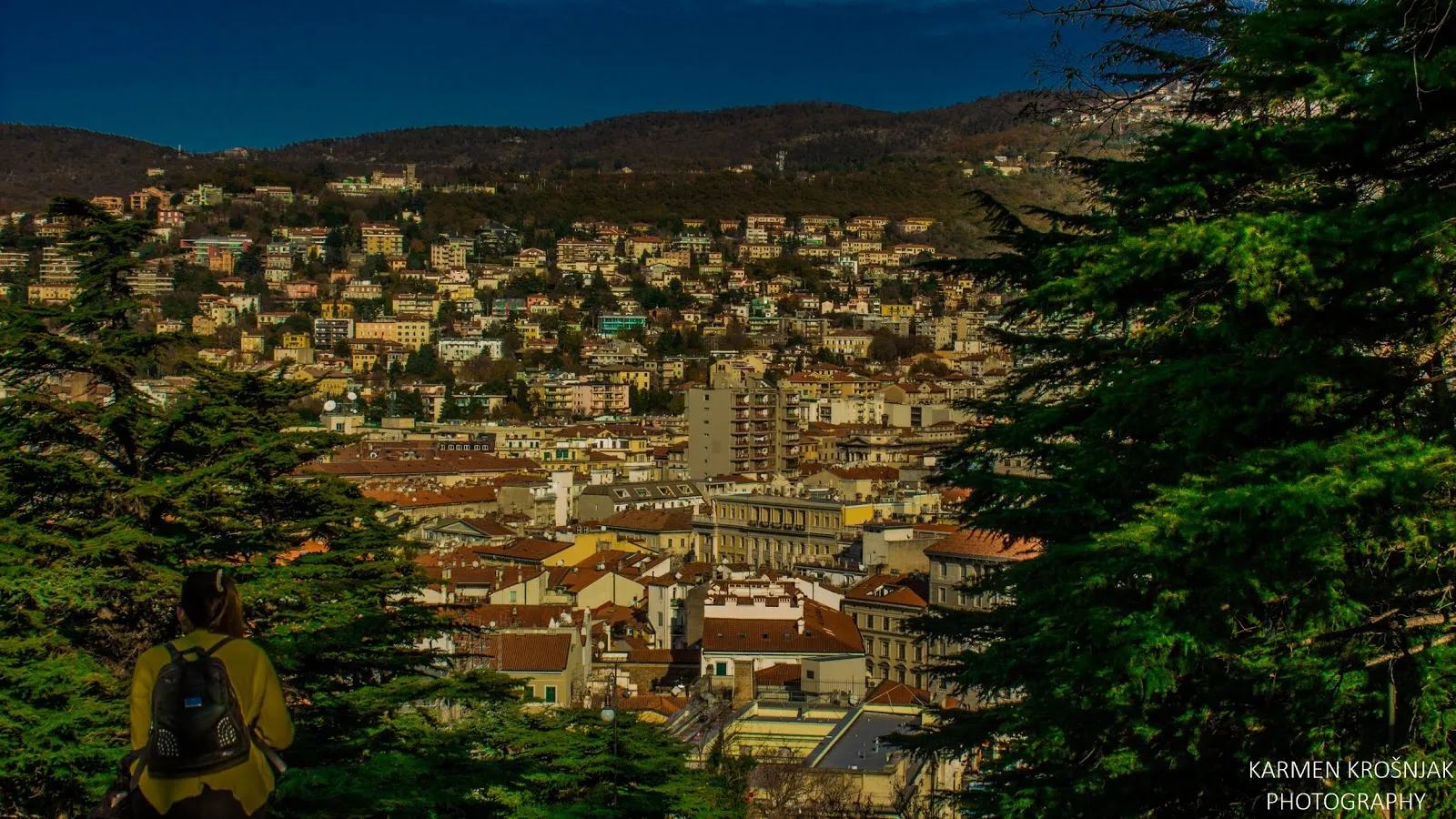
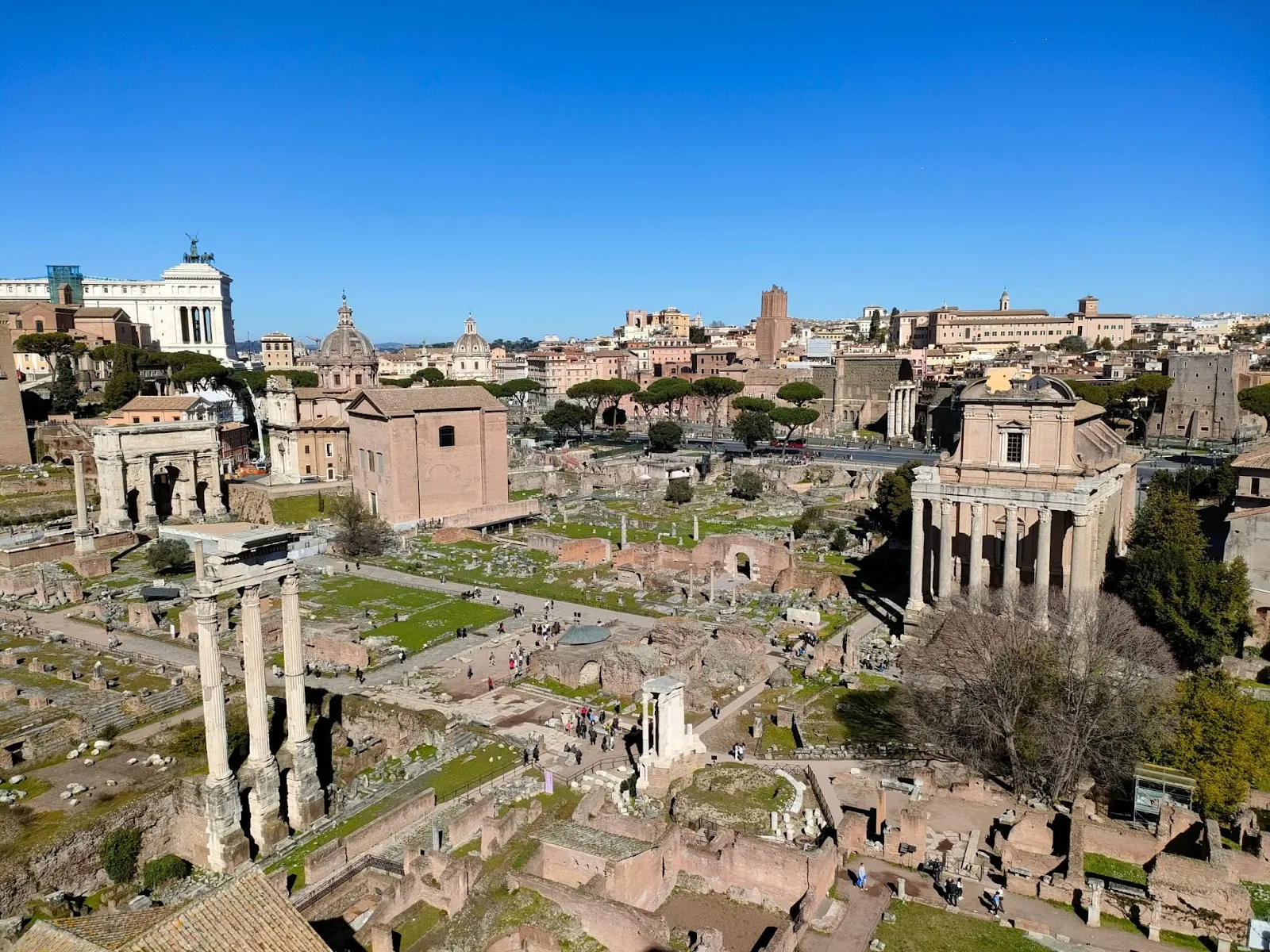
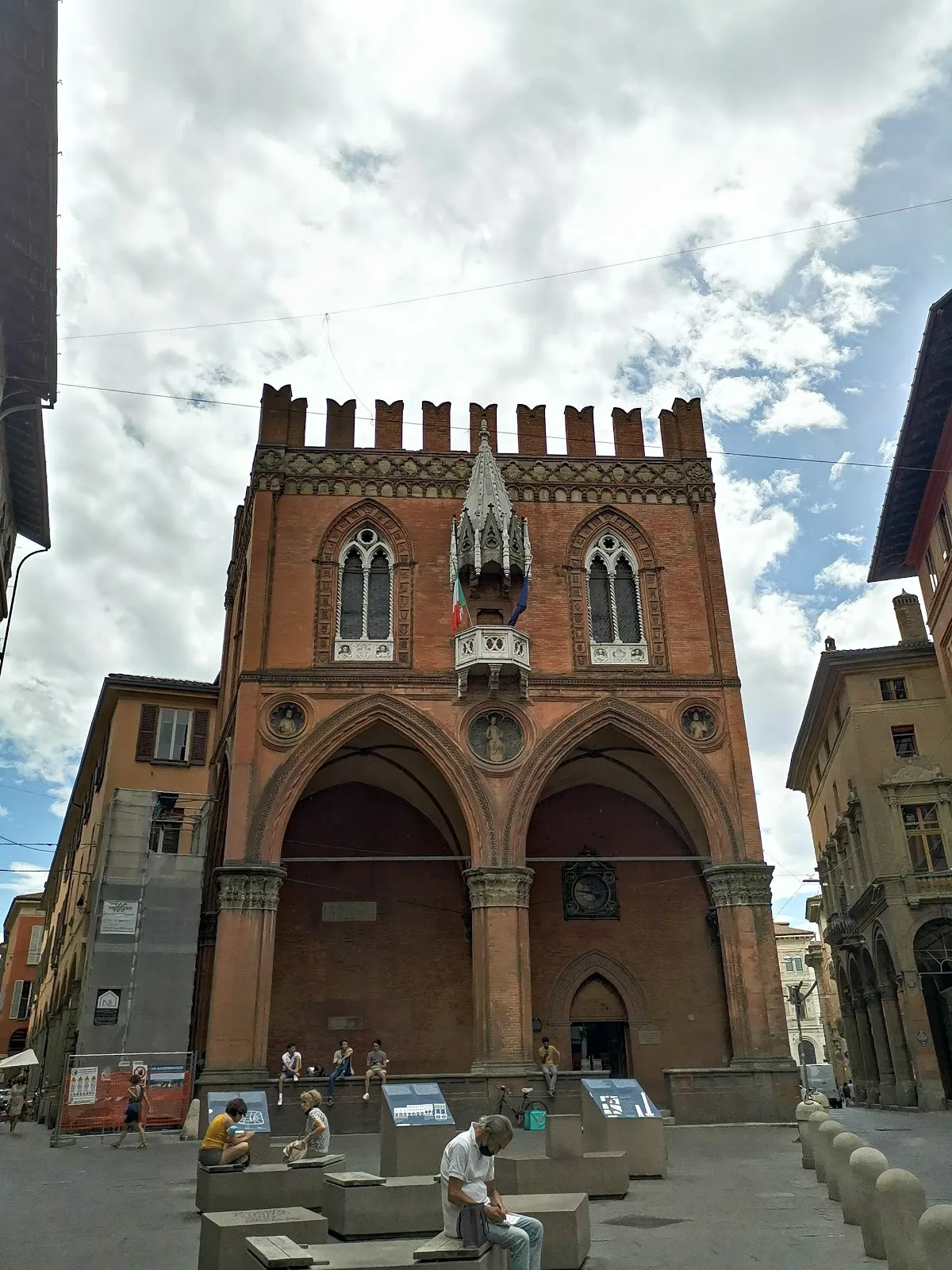
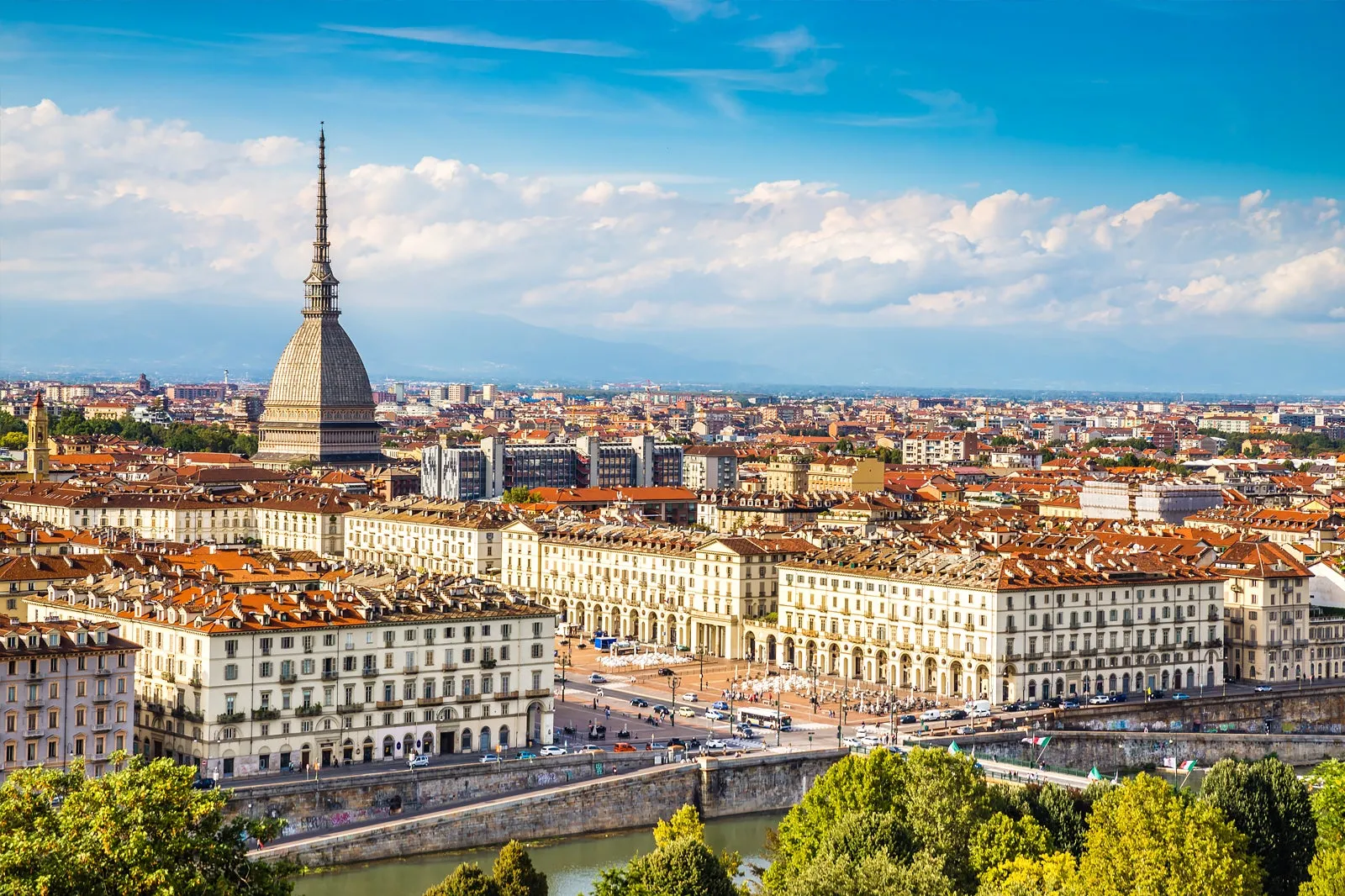
Weather in Pisogne
Pisogne, Italy experiences a humid subtropical climate characterized by warm, humid summers and cool, damp winters. The city receives an average annual precipitation of approximately 47 inches (1200 mm), with November being the wettest month, averaging 5.5 inches (140 mm) of rainfall.
Seasonal Breakdown
- Spring (March to May)Temperatures gradually rise from an average high of 55°F (13°C) in March to 70°F (21°C) in May. Rainfall increases during this period, with April receiving the most precipitation, averaging 4.7 inches (120 mm).
- Summer (June to August)The hottest months, with average highs ranging from 77°F (25°C) in June to 84°F (29°C) in July. Rainfall decreases during the summer, averaging around 3.5 inches (90 mm) per month.
- Autumn (September to November)Temperatures gradually decrease from an average high of 75°F (24°C) in September to 55°F (13°C) in November. Rainfall remains moderate, averaging around 4.3 inches (110 mm) per month.
- Winter (December to February)The coldest period, with average highs ranging from 45°F (7°C) in December to 48°F (9°C) in February. Snowfall is minimal, averaging about 2 inches (50 mm) in January.
Notable Weather Events
- Occasional summer thunderstorms
- Rare winter snowfall
- Autumn fog
Pisogne's Political Climate
Pisogne, a picturesque town located in the Lombardy region of Italy, is known for its rich historical and cultural heritage. The political climate in Pisogne is characterized by a blend of traditional Italian political structures and local governance that emphasizes community involvement and sustainability. The town is governed by a mayor-council system, which is common in many Italian municipalities. The mayor, elected by the residents, plays a crucial role in shaping the town's policies and development strategies.
Historically, Pisogne has been influenced by the broader political trends of Italy, with a strong presence of centrist and left-leaning political parties. The town has seen a steady focus on policies that promote environmental sustainability, reflecting Italy's national commitment to the European Union's green initiatives. Pisogne has implemented several local projects aimed at reducing carbon emissions and promoting renewable energy sources.
In recent years, Pisogne has witnessed a growing interest in social justice and community welfare. The local government has prioritized initiatives that address social inequality and enhance public services. This includes efforts to improve healthcare access and educational opportunities for all residents. The political climate in Pisogne is also shaped by its residents' active participation in civic matters, with a high level of engagement in local elections and community forums.
The town's political landscape is further influenced by its commitment to preserving its cultural heritage while embracing modernity. This balance is evident in the town's legislative priorities, which include promoting tourism, supporting local businesses, and enhancing infrastructure. Pisogne's political climate continues to evolve, reflecting both the traditional values of its residents and the dynamic changes occurring within Italy and the broader European context.
Political Quick Facts
- Voter Turnout68%
- City GovernanceMayor-council system
- CompositionMajority left-leaning with centrist representation
- Recent Political ChangesIncreased focus on sustainability and social justice initiatives
- EngagementHigh civic activism and community involvement
- Political ScorecardHigh transparency and governance ratings
- Legislative PrioritiesEnvironmental sustainability Social equality Cultural heritage preservation
- Public OpinionGenerally progressive with strong support for environmental and social policies
Notable Political Figures
- Giovanni RossiCurrent mayor known for his environmental initiatives.
- Maria BianchiLocal council member advocating for social justice.
- Luca VerdiProminent community leader focused on cultural preservation.