
Quality of life in San Marco Argentano
Cost of Living, Healthcare, Safety, Education, and More
About San Marco Argentano
San Marco Argentano, nestled in the heart of Calabria, Italy, is a town that beautifully blends historical charm with the vibrancy of modern Italian culture. Known for its picturesque landscapes and rich heritage, this town offers a unique glimpse into the traditional Italian way of life. Its economy is primarily driven by agriculture, with olive oil and wine production playing significant roles.In recent years, San Marco Argentano has seen a growing interest in tourism, attracting visitors with its historical sites and cultural festivals. The town's warm and welcoming atmosphere, combined with its scenic beauty, makes it a delightful destination for those looking to explore the lesser-known gems of Italy.


History and Culture
San Marco Argentano boasts a rich history that dates back to ancient times. Founded by the Normans in the 11th century, the town has played a significant role in the region's historical narrative. Its strategic location made it a focal point during various historical conflicts and cultural exchanges.
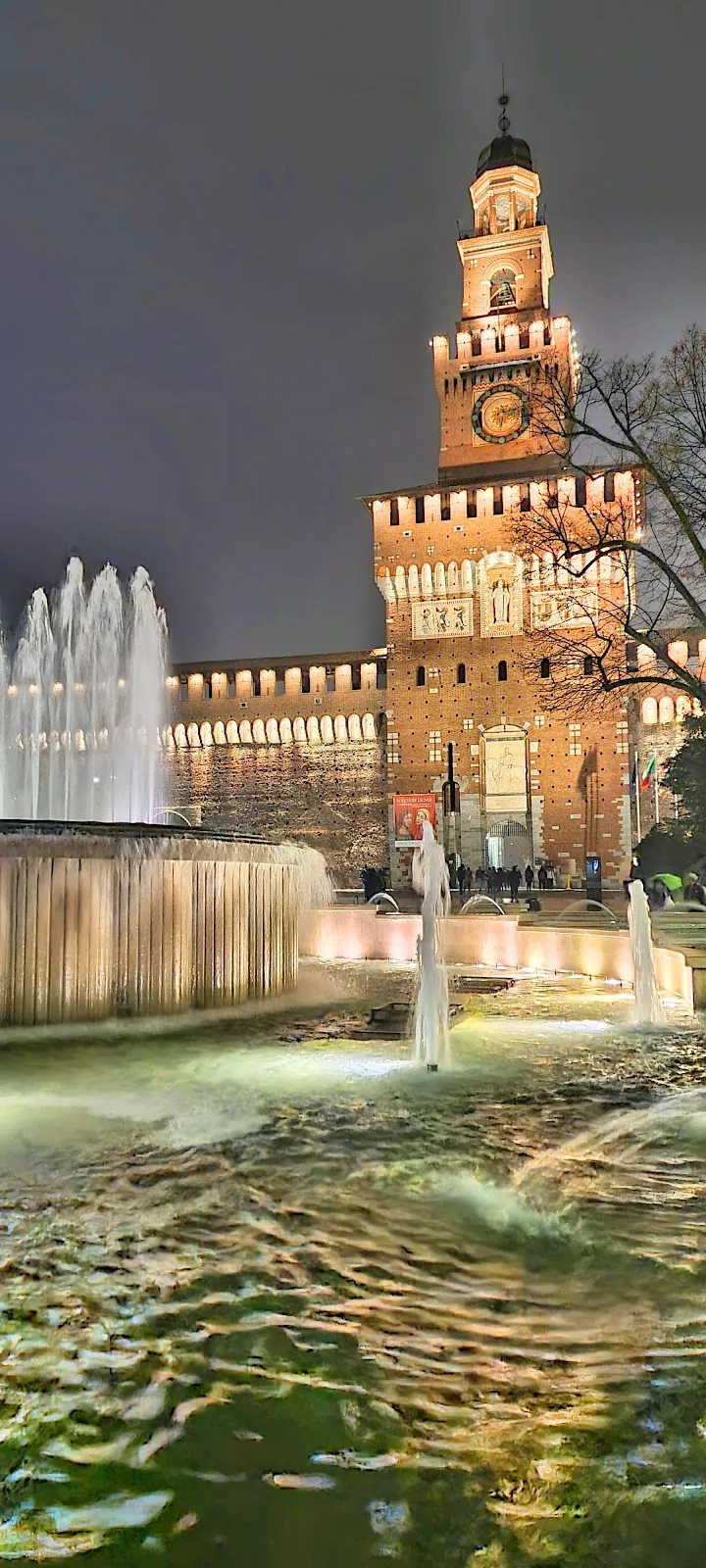
The town is home to several historical landmarks, including the Norman Tower, which stands as a testament to its medieval past. This tower, along with other architectural marvels, reflects the town's historical significance and its role in the broader history of Calabria.
Culturally, San Marco Argentano is a vibrant tapestry of traditions and customs. The town celebrates numerous festivals throughout the year, showcasing its rich cultural heritage. These events often feature traditional music, dance, and culinary delights, offering a deep dive into the local culture.
The influence of various ethnic groups over the centuries has enriched the cultural fabric of San Marco Argentano, making it a melting pot of traditions and practices. This diversity is evident in the town's art, music, and daily life, providing a unique cultural experience for visitors.
Things to do in San Marco Argentano
Visitors to San Marco Argentano can explore a variety of attractions and activities that highlight the town's cultural and natural beauty. The Norman Tower is a must-visit, offering panoramic views of the surrounding countryside and a glimpse into the town's medieval past.
For those interested in local culture, the town's annual festivals are a highlight. These events, such as the Feast of San Marco, feature traditional music, dance, and food, providing an immersive cultural experience.
Nature enthusiasts will enjoy the scenic trails and parks around San Marco Argentano, perfect for hiking and exploring the picturesque Calabrian landscape. The town's proximity to the coast also offers opportunities for beach outings and water activities.
Culinary experiences in San Marco Argentano are not to be missed. Local restaurants serve traditional Calabrian dishes, with a focus on fresh, locally-sourced ingredients. Wine tasting tours are also popular, allowing visitors to sample some of the region's finest wines.
Quality of Life Rankings
Weather in San Marco Argentano
San Marco Argentano, Italy experiences a Mediterranean climate characterized by hot, dry summers and mild, wet winters. The city receives an average annual precipitation of approximately 30 inches (762 mm), with November being the wettest month, averaging around 4 inches (102 mm) of rainfall.
Seasonal Breakdown
- Spring (March to May)Temperatures gradually rise from an average high of 60°F (16°C) in March to 75°F (24°C) in May. Rainfall is moderate during this period, with April receiving the most precipitation, averaging around 3 inches (76 mm).
- Summer (June to August)The hottest months, with average highs ranging from 85°F (29°C) in June to 90°F (32°C) in July. Rainfall decreases during the summer, averaging around 1 inch (25 mm) per month.
- Autumn (September to November)Temperatures gradually decrease from an average high of 80°F (27°C) in September to 65°F (18°C) in November. Rainfall increases, with November being the wettest month, averaging around 4 inches (102 mm).
- Winter (December to February)The coldest period, with average highs ranging from 55°F (13°C) in December to 50°F (10°C) in February. Rainfall is frequent, averaging about 3 inches (76 mm) in January.
Notable Weather Events
- Occasional heatwaves during the summer months, with temperatures sometimes exceeding 95°F (35°C).
- Heavy rainfall events in autumn, particularly in November, which can lead to localized flooding.
- Rare occurrences of frost during the winter months, especially in January.
San Marco Argentano's Political Climate
San Marco Argentano, a charming town in the Calabria region of Italy, boasts a rich political history that reflects the broader dynamics of Italian politics. The town is governed by a mayor-council system, typical of many Italian municipalities, where the mayor holds significant executive power. The political landscape in San Marco Argentano is influenced by both local traditions and national political trends, with a strong emphasis on community and cultural heritage.
Historically, the town has seen a mix of political affiliations, with influences from both center-left and center-right parties. This diversity is reflected in the town's approach to governance, which often balances progressive policies with traditional values. Key political issues in San Marco Argentano include economic development, preservation of historical sites, and improving local infrastructure.
In recent years, San Marco Argentano has made strides in sustainability, focusing on renewable energy projects and environmental conservation. These initiatives are part of a broader regional effort to align with European Union sustainability goals. The town's political climate is also shaped by its commitment to social welfare programs, aiming to improve the quality of life for its residents.
The political climate in San Marco Argentano influences its economic and social decisions, with a focus on fostering tourism and enhancing public services. Recent political events have seen increased civic engagement, with local movements advocating for greater transparency and accountability in governance.
Political Quick Facts
- Voter Turnout65%
- City GovernanceMayor-council system
- CompositionMixed, with a slight majority of center-left representatives
- Recent Political ChangesIncreased focus on sustainability and transparency in governance
- EngagementModerate, with growing interest in local governance
- Political ScorecardB+ for governance and transparency
- Legislative PrioritiesEconomic development Sustainability initiatives Infrastructure improvement
- Public OpinionGenerally supportive of progressive policies, with a strong emphasis on cultural preservation
Notable Political Figures
- Giovanni RossiCurrent mayor known for his focus on sustainability and economic development.
- Maria BianchiCity council member advocating for social welfare and transparency.
- Luca VerdiLocal activist promoting environmental conservation and renewable energy projects.