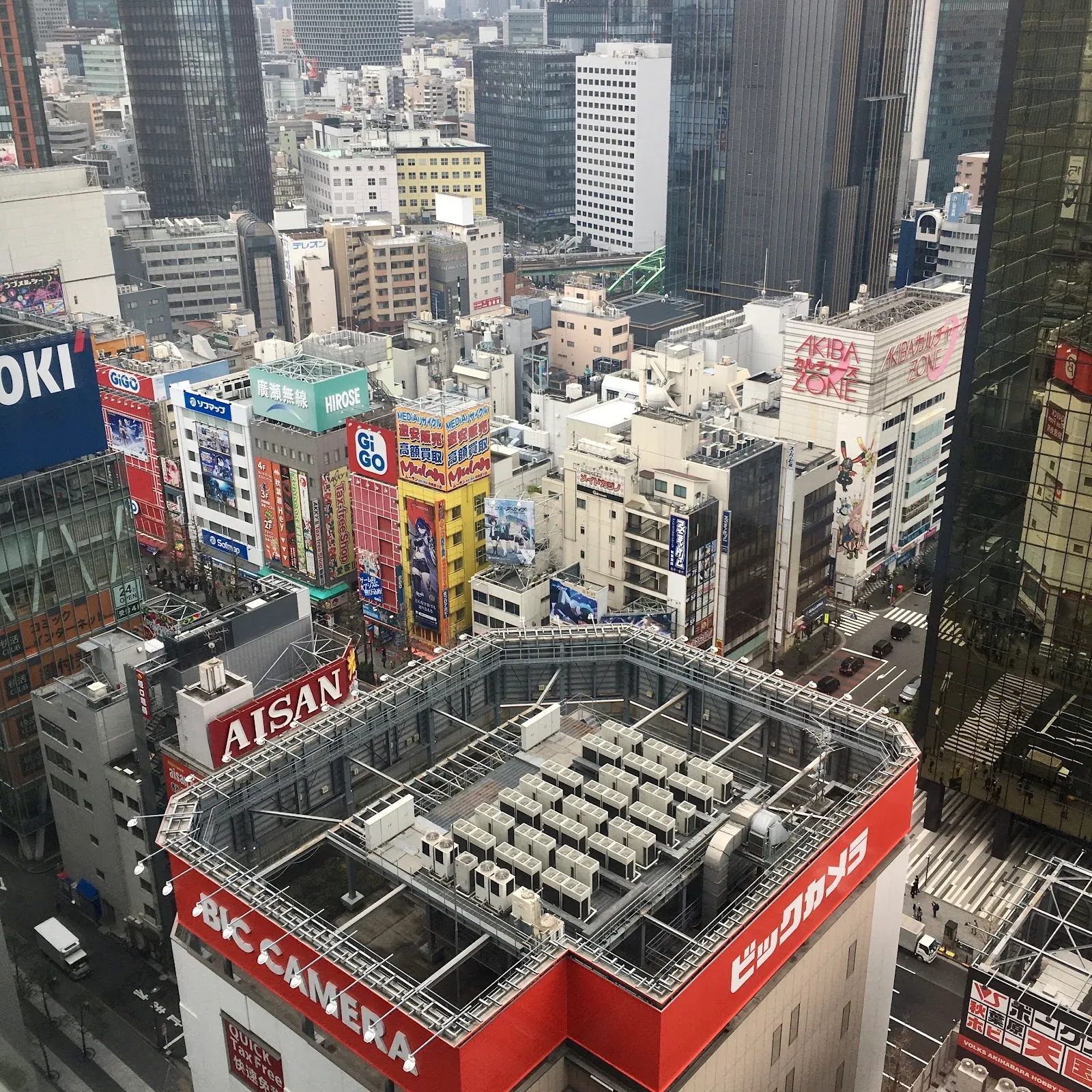
Traffic in Koshigaya
Koshigaya, a city in Japan, presents unique traffic patterns that reflect its urban planning and transportation infrastructure.In 2024, the city continues to focus on efficient public transportation and sustainability, although specific data on transportation modes and emissions is currently unavailable.Average Commute Times
More Information
Seasonal Trends
Traffic tends to increase during the cherry blossom season as tourists visit the city.
Winter months see a slight decrease in traffic due to colder weather conditions.
Commuter Pain Points
Commuters often face delays during peak hours due to congestion on major roads.
Limited parking spaces in the city center can be a challenge for car users.
Best Travel Times
Early mornings before 7 AM are ideal for avoiding traffic congestion.
Late evenings after 8 PM generally see reduced traffic volumes.
Event Impacts
Public events such as festivals can lead to temporary road closures and increased traffic.
The annual Koshigaya Fireworks Festival significantly impacts traffic flow, requiring alternative routes.
Sustainability Efforts
Koshigaya is investing in green public transportation options to reduce emissions.
The city promotes cycling and walking through dedicated lanes and pedestrian-friendly areas.
Ride-Sharing Impact
Ride-sharing services have helped reduce the number of private cars on the road.
These services provide flexible commuting options, especially during peak hours.