
Quality of life in Aktau
Cost of Living, Healthcare, Safety, Education, and More
About Aktau
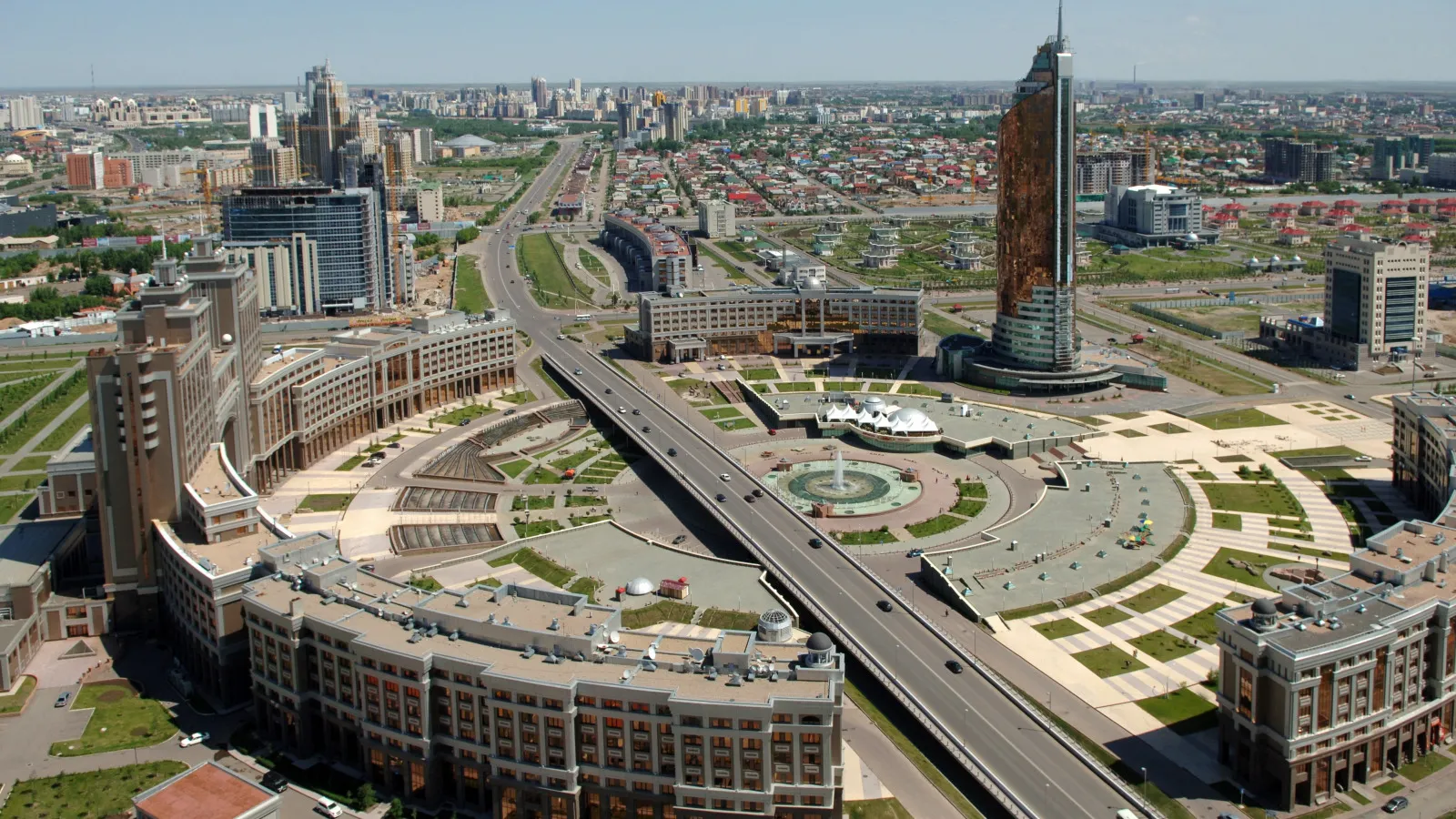
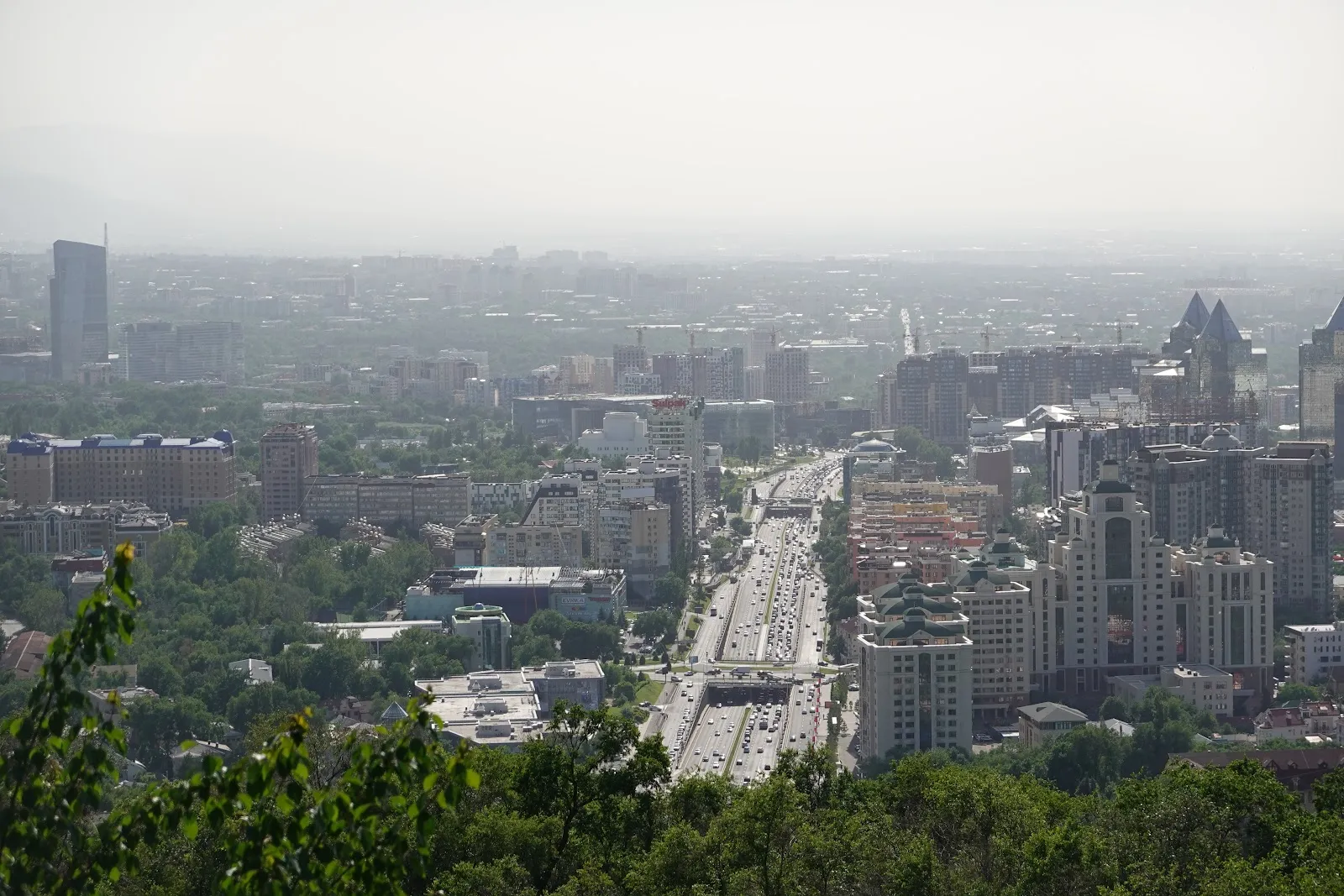
Aktau, located on the eastern shore of the Caspian Sea, is a vibrant city in Kazakhstan known for its unique blend of natural beauty and industrial significance. As the capital of the Mangystau Region, Aktau serves as a crucial hub for the country's oil and gas industry, contributing significantly to Kazakhstan's economy.The city is characterized by its modern architecture, sandy beaches, and a growing tourism sector. Aktau's strategic location along the Caspian Sea not only makes it a key player in maritime trade but also a popular destination for those seeking coastal leisure activities.


History and Culture
Aktau's history is relatively recent, with its establishment dating back to the 1960s when it was developed as a town to support the burgeoning oil industry. Originally named Shevchenko, the city was renamed Aktau in 1991 following Kazakhstan's independence.
The cultural landscape of Aktau is shaped by its diverse population, which includes ethnic Kazakhs, Russians, and other communities. This diversity is reflected in the city's cultural events and festivals, which celebrate a mix of traditions and customs.
Key cultural institutions in Aktau include the Mangystau Regional Museum, which offers insights into the region's history and natural environment. The city also hosts various music and arts festivals, showcasing local talent and fostering a vibrant cultural scene.
Things to do in Aktau
Visitors to Aktau can enjoy a variety of activities, from exploring the scenic beaches along the Caspian Sea to visiting the nearby Ustyurt Plateau, known for its stunning landscapes and unique geological formations.
The city offers a range of dining options, with local restaurants serving traditional Kazakh cuisine as well as international dishes. For those interested in history, the nearby Beket-Ata Underground Mosque is a significant spiritual site and a popular tourist attraction.
Aktau's coastal location makes it ideal for water sports and recreational activities. The city also hosts several annual events, including the Caspian Sea Festival, which celebrates the region's maritime heritage with music, dance, and cultural performances.
Quality of Life Rankings
Weather in Aktau
Aktau, Kazakhstan experiences a cold desert climate characterized by long, hot summers and short, mild winters. The city receives an average annual precipitation of approximately 4.7 inches (120 mm), with November being the wettest month, averaging 0.6 inches (15 mm) of rainfall.
Seasonal Breakdown
- Spring (March to May)Temperatures gradually rise from an average high of 50°F (10°C) in March to 70°F (21°C) in May. Rainfall is relatively low during this period, with April receiving the most precipitation, averaging 0.5 inches (12 mm).
- Summer (June to August)The hottest months, with average highs ranging from 80°F (27°C) in June to 90°F (32°C) in July. Rainfall is minimal during the summer, averaging around 0.2 inches (5 mm) per month.
- Autumn (September to November)Temperatures gradually decrease from an average high of 75°F (24°C) in September to 55°F (13°C) in November. Rainfall remains low, with November being the wettest month, averaging 0.6 inches (15 mm).
- Winter (December to February)The coldest period, with average highs ranging from 45°F (7°C) in December to 40°F (4°C) in February. Snowfall is rare, and precipitation is minimal, averaging about 0.3 inches (8 mm) in January.
Notable Weather Events
- Occasional heatwaves during summer months
- Rare snowfalls in winter
- Dust storms due to arid conditions
Aktau's Political Climate
Aktau, a city located in Kazakhstan, is known for its strategic importance due to its location on the Caspian Sea. The political climate in Aktau is influenced by both national and regional dynamics. As a city within Kazakhstan, Aktau's governance is aligned with the country's centralized political system, which is characterized by a strong presidential influence. The city is governed by a mayor, who is appointed by the President of Kazakhstan, reflecting the top-down approach prevalent in the country's political structure.
Historically, Aktau has been a focal point for energy-related activities, given its proximity to oil and gas reserves. This has shaped its political landscape, with economic policies often prioritizing energy sector development. In recent years, there has been a push towards diversifying the economy and implementing sustainable practices, although these efforts are still in their nascent stages.
Aktau's political scene is also shaped by its demographic composition, which includes a mix of ethnic Kazakhs and other minority groups. This diversity influences local policy decisions, particularly in areas such as education and cultural preservation. Social issues, including housing and employment, are also significant topics of discussion within the city's political discourse.
Recent political trends in Aktau include a growing interest in civic engagement and public participation in local governance. This is partly driven by younger generations who are more connected and informed about global political movements. However, challenges remain in terms of transparency and public trust in governmental institutions.
Political Quick Facts
- Voter TurnoutApproximately 70% in recent elections
- City GovernanceMayor-council government, with the mayor appointed by the President
- CompositionMajority pro-government with some independent members
- Recent Political ChangesIncreased focus on economic diversification and sustainable development
- EngagementModerate, with increasing interest among youth
- Political ScorecardModerate, with room for improvement in transparency
- Legislative PrioritiesEconomic diversification Sustainable development Cultural preservation
- Public OpinionGenerally supportive of government policies, with a growing interest in reform
Notable Political Figures
- Nurlan NogayevCurrent Akim (Governor) of the Mangystau Region, which includes Aktau.
- Kassym-Jomart TokayevPresident of Kazakhstan, influencing national and regional policies.
- Yeraly TugzhanovFormer Akim of Mangystau Region, known for his work on regional development.