
Quality of life in Ongata Rongai
Cost of Living, Healthcare, Safety, Education, and More
About Ongata Rongai
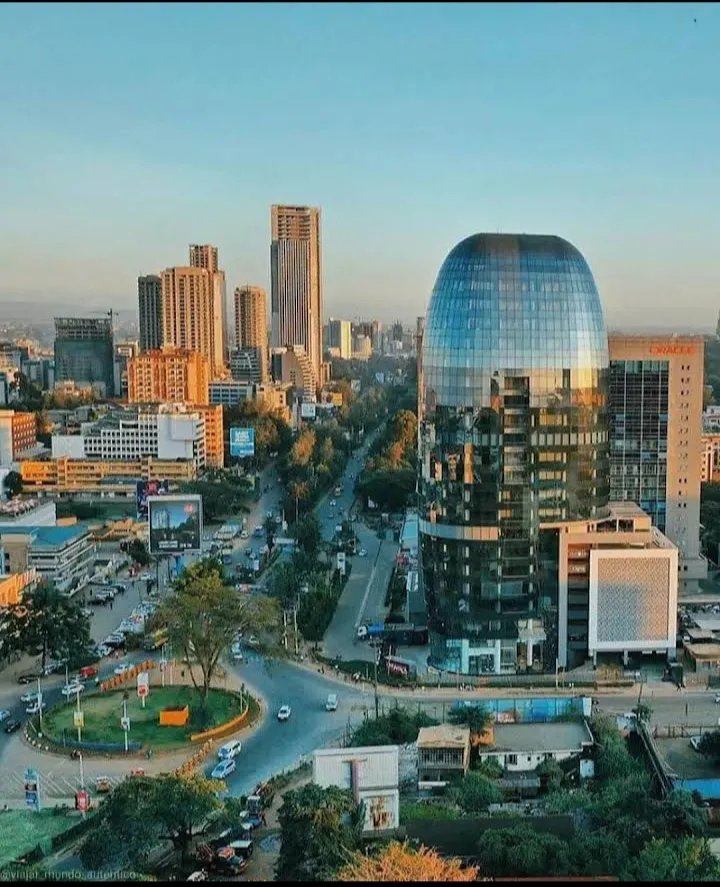
Ongata Rongai, often referred to simply as 'Rongai,' is a bustling suburb located just outside Nairobi, Kenya's capital. Known for its vibrant community and rapid development, Ongata Rongai offers a unique blend of urban and rural lifestyles. The area is characterized by its diverse population, with a mix of locals and expatriates contributing to its dynamic cultural scene.In recent years, Ongata Rongai has seen significant growth in infrastructure and housing, making it a popular residential area for those working in Nairobi. The suburb is also known for its lively markets, diverse dining options, and proximity to natural attractions, making it an attractive destination for both residents and visitors.


History and Culture
Ongata Rongai's history is closely tied to the expansion of Nairobi and the migration patterns of various Kenyan communities. Originally a Maasai grazing land, the area began to develop as Nairobi expanded, attracting people from different parts of the country seeking opportunities in the capital.
Culturally, Ongata Rongai is a melting pot, with influences from various Kenyan ethnic groups as well as international communities. This diversity is reflected in the local cuisine, music, and art scenes. The suburb hosts several cultural events and festivals that celebrate this rich tapestry of traditions.
Notable cultural landmarks in Ongata Rongai include local markets and community centers that serve as hubs for cultural exchange and social gatherings. The suburb's proximity to Nairobi also allows residents and visitors to easily access the city's museums, theaters, and galleries, further enriching the cultural experience.
Things to do in Ongata Rongai
Ongata Rongai offers a variety of activities and attractions for both residents and visitors. The suburb is known for its vibrant markets, where one can find everything from fresh produce to handmade crafts. These markets are not only places to shop but also social hubs where people gather to exchange stories and enjoy local delicacies.
For those interested in outdoor activities, Ongata Rongai is conveniently located near Nairobi National Park, offering opportunities for wildlife viewing and nature walks. The park is home to a variety of animals, including lions, giraffes, and rhinos, providing a unique safari experience close to the city.
The local dining scene in Ongata Rongai is diverse, with numerous restaurants offering a range of cuisines from traditional Kenyan dishes to international fare. The suburb also hosts several cultural festivals throughout the year, showcasing local music, dance, and art, providing a glimpse into the vibrant cultural life of the area.
Quality of Life Rankings
Weather in Ongata Rongai
Ongata Rongai, Kenya experiences a tropical savanna climate characterized by two distinct rainy seasons and relatively consistent temperatures throughout the year. The city receives an average annual precipitation of approximately 35 inches (900 mm), with April being the wettest month, averaging around 5.9 inches (150 mm) of rainfall.
Seasonal Breakdown
- Spring (March to May)Temperatures during this period range from an average high of 77°F (25°C) in March to 79°F (26°C) in May. This is one of the rainy seasons, with April receiving the most precipitation, averaging around 5.9 inches (150 mm).
- Summer (June to August)The temperatures remain relatively stable, with average highs around 75°F (24°C) in June to 73°F (23°C) in August. This period is generally drier, with rainfall averaging around 1.2 inches (30 mm) per month.
- Autumn (September to November)Temperatures slightly increase, with average highs from 75°F (24°C) in September to 77°F (25°C) in November. This is the second rainy season, with November receiving significant rainfall, averaging around 4.7 inches (120 mm).
- Winter (December to February)Temperatures remain warm, with average highs ranging from 77°F (25°C) in December to 79°F (26°C) in February. This period is relatively dry, with rainfall averaging about 1.6 inches (40 mm) in January.
Notable Weather Events
- Heavy rainfall during the long rains in April can lead to localized flooding.
- Occasional drought conditions during the dry seasons, particularly in the summer months.
- Mild temperature fluctuations throughout the year, with no extreme heat or cold.
Ongata Rongai's Political Climate
Ongata Rongai, a rapidly growing town located on the outskirts of Nairobi, Kenya, is characterized by a dynamic political climate that reflects both local and national influences. As part of Kajiado County, the town is governed by a county government structure, which includes a governor, county assembly, and various local administrative units. The political landscape in Ongata Rongai is shaped by the broader political dynamics of Kenya, where ethnic affiliations and party politics play significant roles.
Historically, Ongata Rongai has been influenced by the political trends of Nairobi due to its proximity. The town has seen a mix of political affiliations, with both the ruling party and opposition having significant support bases. Key political issues in Ongata Rongai include infrastructure development, land use and zoning, and public service delivery, particularly in education and healthcare. The town has also been at the forefront of advocating for better urban planning and environmental conservation, given its rapid urbanization.
In recent years, Ongata Rongai has witnessed a surge in civic activism, with residents increasingly engaging in local governance issues. This has been partly driven by the younger population, who are more politically aware and active. The town has also seen progressive policies aimed at improving public transportation and waste management, reflecting a growing emphasis on sustainability. These efforts are indicative of a broader trend towards more participatory governance and accountability in the region.
Political Quick Facts
- Voter TurnoutApproximately 65% in the last general elections.
- City GovernanceCounty government structure with a governor and county assembly.
- CompositionDiverse, with representation from multiple political parties.
- Recent Political ChangesIncreased focus on urban planning and infrastructure development.
- EngagementHigh, particularly among the youth and civic groups.
- Political ScorecardModerate, with ongoing efforts to improve transparency and governance.
- Legislative PrioritiesInfrastructure development Urban planning Environmental conservation
- Public OpinionGenerally progressive, with strong support for sustainable development and improved public services.
Notable Political Figures
- Joseph Ole LenkuGovernor of Kajiado County, known for his focus on infrastructure and development.
- Peris TobikoA prominent local politician and advocate for women's rights and empowerment.
- George SaitotiFormer influential political figure with a legacy in education and security policies.