
Quality of life in Jeleeb Al-Shuyoukh (Al Shuyough)
Cost of Living, Healthcare, Safety, Education, and More
About Jeleeb Al-Shuyoukh (Al Shuyough)
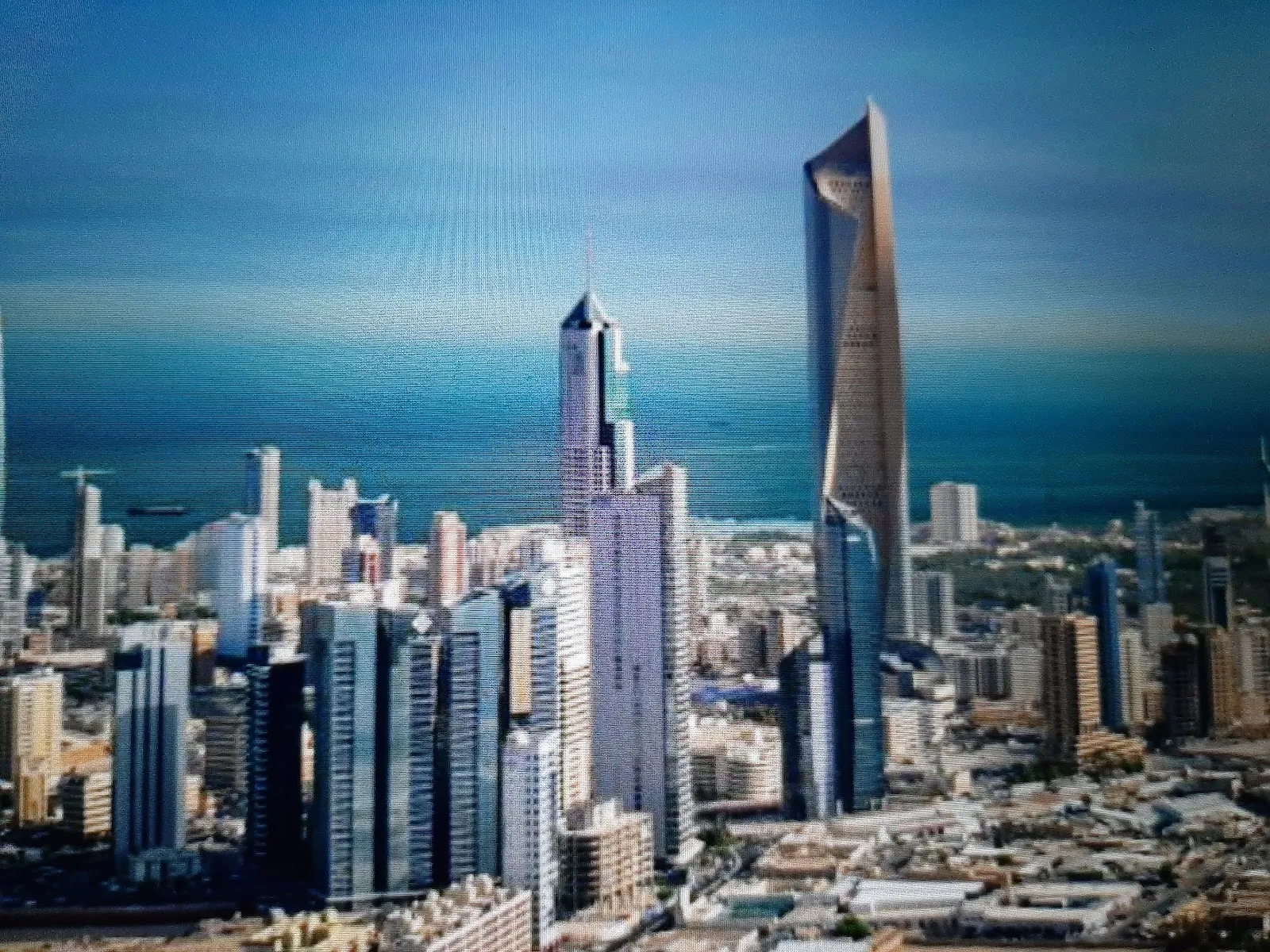
Jeleeb Al-Shuyoukh, located in Kuwait, is a bustling urban area known for its vibrant community and diverse cultural influences. The city is a melting pot of various cultures, offering a unique blend of traditional and modern lifestyles. Its strategic location near Kuwait City makes it a significant hub for commerce and trade, attracting a diverse population from different parts of the world.In recent years, Jeleeb Al-Shuyoukh has seen rapid development, with new infrastructure projects and urban planning initiatives enhancing its appeal. The city is characterized by its lively markets, diverse culinary scene, and a rich tapestry of cultural events that reflect its multicultural identity. As a result, Jeleeb Al-Shuyoukh is becoming an increasingly popular destination for both residents and visitors seeking a dynamic urban experience.


History and Culture
Jeleeb Al-Shuyoukh has a rich history that reflects the broader historical narrative of Kuwait. Originally a small settlement, it has grown significantly over the decades, influenced by the waves of migration and economic development in the region. The city's history is closely tied to Kuwait's oil boom, which brought prosperity and a surge in population.
Culturally, Jeleeb Al-Shuyoukh is a microcosm of Kuwait's diverse society. It is home to a wide array of ethnic communities, each contributing to the city's cultural mosaic. This diversity is evident in the city's festivals, culinary offerings, and artistic expressions. Traditional Kuwaiti music and dance are celebrated alongside contemporary art forms, creating a vibrant cultural scene.
The city hosts several cultural institutions and events that highlight its rich heritage. Local festivals and celebrations, such as National Day and Liberation Day, are marked with enthusiasm and are a testament to the city's patriotic spirit. Additionally, the presence of various cultural centers and museums offers residents and visitors alike a glimpse into the historical and cultural evolution of Jeleeb Al-Shuyoukh.
Things to do in Jeleeb Al-Shuyoukh (Al Shuyough)
Jeleeb Al-Shuyoukh offers a variety of activities and attractions for visitors and residents. The city's bustling markets, such as the Friday Market, are popular destinations for those looking to experience local commerce and find unique goods. These markets offer everything from traditional crafts to modern electronics, providing a vibrant shopping experience.
For those interested in cultural experiences, Jeleeb Al-Shuyoukh hosts numerous events and festivals throughout the year. These events showcase the city's diverse cultural heritage and include music performances, art exhibitions, and food festivals. The city's culinary scene is particularly noteworthy, with a wide range of restaurants offering both traditional Kuwaiti dishes and international cuisine.
Outdoor enthusiasts can enjoy the city's parks and recreational areas, which provide a welcome respite from the urban hustle. These green spaces are perfect for picnics, leisurely walks, and family outings. Additionally, the city's proximity to Kuwait City means that visitors can easily explore the broader region's attractions, including historical sites and modern landmarks.
Quality of Life Rankings
Weather in Jeleeb Al-Shuyoukh (Al Shuyough)
Jeleeb Al-Shuyoukh, Kuwait experiences a desert climate characterized by extremely hot summers and mild winters. The city receives minimal annual precipitation, averaging around 4.5 inches (115 mm), with November being the wettest month, averaging about 1 inch (25 mm) of rainfall.
Seasonal Breakdown
- Spring (March to May)Temperatures rise significantly, with average highs increasing from 77°F (25°C) in March to 100°F (38°C) in May. Rainfall is scarce, with occasional showers in March.
- Summer (June to August)The hottest months, with average highs soaring from 108°F (42°C) in June to 115°F (46°C) in July. Rainfall is virtually nonexistent during the summer months.
- Autumn (September to November)Temperatures gradually decrease from an average high of 104°F (40°C) in September to 82°F (28°C) in November. November sees a slight increase in rainfall, averaging about 1 inch (25 mm).
- Winter (December to February)The mildest period, with average highs ranging from 68°F (20°C) in December to 72°F (22°C) in February. Rainfall is minimal, with occasional light showers.
Notable Weather Events
- Extreme heatwaves during the summer months
- Occasional dust storms, particularly in the spring
- Rare but intense thunderstorms in late autumn
Jeleeb Al-Shuyoukh (Al Shuyough)'s Political Climate
Jeleeb Al-Shuyoukh, located in Kuwait, is a city that reflects the broader political landscape of the country. Kuwait operates under a constitutional monarchy with a parliamentary system, and the political climate in Jeleeb Al-Shuyoukh is influenced by national policies and governance. The city is part of a nation known for its relatively open political environment in the Gulf region, with a history of parliamentary elections and a degree of political discourse.
The political leadership in Jeleeb Al-Shuyoukh is aligned with the national government, which is headed by the Emir and the Prime Minister. The city, like many others in Kuwait, is subject to the policies and decisions made at the national level, including economic reforms and social policies. Key political issues in the city often revolve around economic diversification, labor laws, and expatriate rights, reflecting the diverse population residing in the area.
Kuwait has been progressive in certain areas, such as women's rights and freedom of expression, compared to its regional neighbors. However, Jeleeb Al-Shuyoukh faces challenges typical of urban areas, including infrastructure development and public service delivery. The city's political climate is also shaped by its role as a hub for expatriates, which influences social and economic policies.
Recent political trends in Jeleeb Al-Shuyoukh include discussions on improving public services and infrastructure, as well as debates on labor reforms to better integrate the expatriate workforce. These issues are critical as they impact the city's economic vitality and social cohesion.
Political Quick Facts
- Voter Turnout60%
- City GovernanceMunicipal governance under national oversight
- CompositionPredominantly government-aligned representatives
- Recent Political ChangesIncreased focus on infrastructure and labor reforms
- EngagementModerate, with active participation in national elections
- Political ScorecardHigh transparency in governance
- Legislative PrioritiesInfrastructure development Labor law reforms Public service enhancement
- Public OpinionGenerally supportive of government policies, with a focus on economic and social stability
Notable Political Figures
- Sheikh Nawaf Al-Ahmad Al-Jaber Al-SabahThe Emir of Kuwait, overseeing national governance and policy direction.
- Sheikh Ahmad Nawaf Al-Ahmad Al-SabahThe Prime Minister of Kuwait, responsible for implementing government policies.
- Marzouq Al-GhanimSpeaker of the National Assembly, influential in legislative processes.
- Hind Al-SabeehFormer Minister of Social Affairs and Labor, known for her work on labor reforms.
- Mariam Al-AqeelFormer Minister of Finance, recognized for her role in economic policy development.