Quality of life in Asilah (Assilah)
Cost of Living, Healthcare, Safety, Education, and More
About Asilah (Assilah)
Asilah, a picturesque coastal town in Morocco, is renowned for its rich history and vibrant cultural scene. Located on the northwest tip of the country, Asilah offers a unique blend of traditional Moroccan charm and modern artistic flair. The town is famous for its well-preserved medina, stunning beaches, and annual cultural festivals that attract visitors from around the world.In recent years, Asilah has emerged as a hub for artists and creatives, with its streets adorned with colorful murals and art installations. The town's laid-back atmosphere, combined with its cultural vibrancy, makes it a popular destination for tourists seeking an authentic Moroccan experience.History and Culture
Asilah's history dates back to the Phoenician era, with its strategic coastal location making it a significant trading post throughout the centuries. The town has been influenced by various cultures, including the Romans, Portuguese, and Spanish, each leaving their mark on its architecture and cultural landscape.
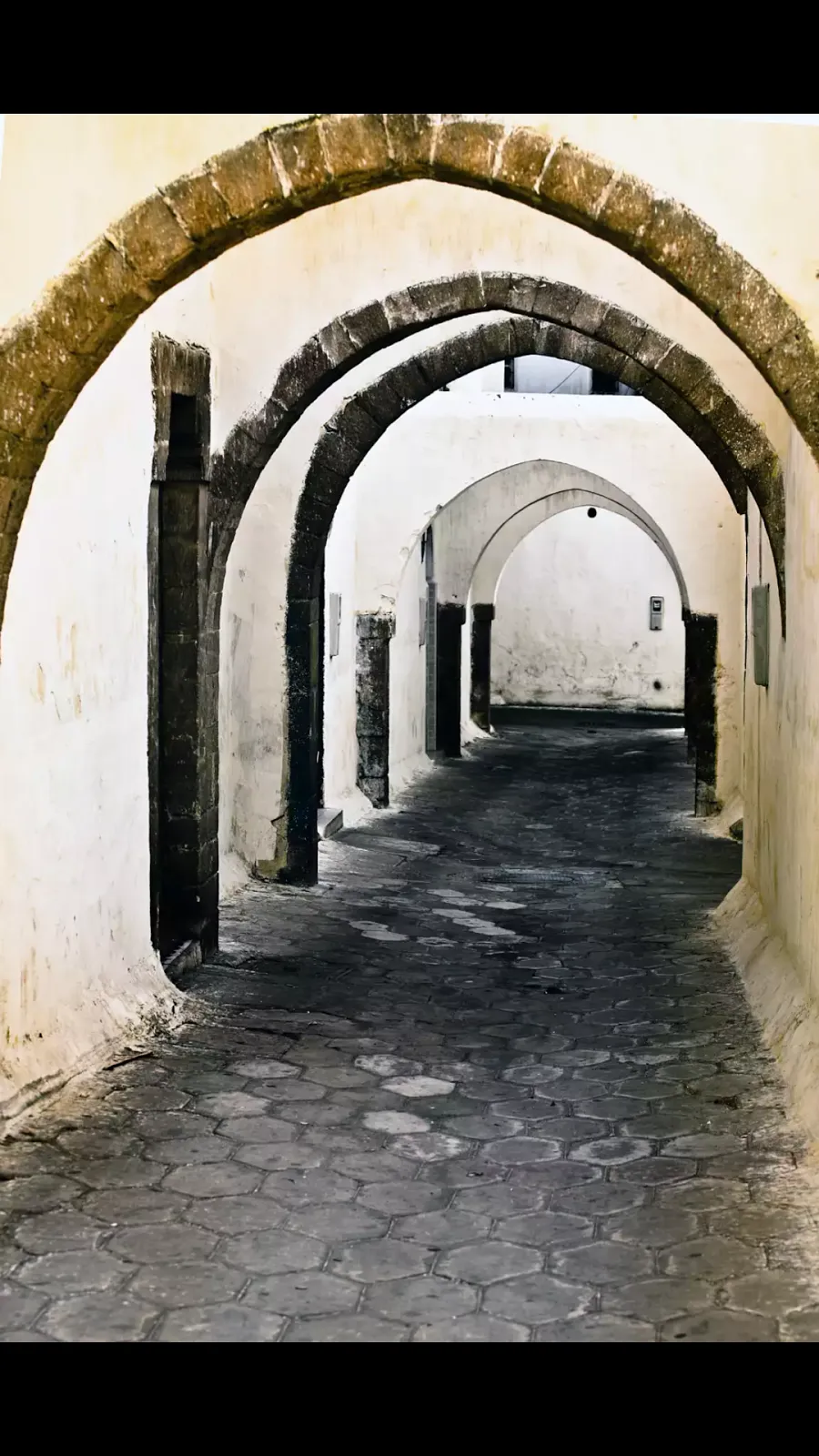
In the 15th century, Asilah was fortified by the Portuguese, and remnants of these fortifications can still be seen today. The town's medina, a UNESCO World Heritage site, is a testament to its rich history, featuring narrow winding streets, whitewashed buildings, and vibrant marketplaces.
Culturally, Asilah is known for its annual International Cultural Moussem, a festival that celebrates art, music, and literature. This event attracts artists and performers from around the globe, transforming the town into a lively cultural hub. The festival is a reflection of Asilah's commitment to preserving and promoting its cultural heritage.
The town's diverse population, including Berbers, Arabs, and Europeans, contributes to its rich cultural tapestry. This diversity is evident in the local cuisine, music, and art, which blend traditional Moroccan elements with international influences.
Things to do in Asilah (Assilah)
Visitors to Asilah can explore the historic medina, where they can wander through its narrow streets and discover hidden gems such as local artisan shops and traditional Moroccan cafes. The medina's walls are adorned with colorful murals, making it a living gallery of contemporary art.
The town's beaches, such as Paradise Beach, offer a tranquil escape for those looking to relax by the sea. These sandy shores are perfect for sunbathing, swimming, and enjoying the stunning Atlantic Ocean views.
Asilah's cultural scene is vibrant, with numerous galleries and art spaces showcasing the work of local and international artists. The town's annual International Cultural Moussem is a highlight, featuring art exhibitions, music performances, and literary events.
Food enthusiasts can indulge in the local cuisine, which includes fresh seafood, traditional Moroccan tagines, and sweet pastries. The town's restaurants and cafes offer a delightful culinary experience, blending local flavors with international influences.
Quality of Life Rankings
Weather in Asilah (Assilah)
Asilah, Morocco experiences a Mediterranean climate characterized by mild, wet winters and hot, dry summers. The city receives an average annual precipitation of approximately 20 inches (500 mm), with November being the wettest month, averaging around 4 inches (100 mm) of rainfall.
Seasonal Breakdown
- Spring (March to May)Temperatures gradually rise from an average high of 64°F (18°C) in March to 73°F (23°C) in May. Rainfall decreases during this period, with March receiving the most precipitation, averaging around 3 inches (75 mm).
- Summer (June to August)The hottest months, with average highs ranging from 79°F (26°C) in June to 86°F (30°C) in July and August. Rainfall is minimal during the summer, averaging around 0.4 inches (10 mm) per month.
- Autumn (September to November)Temperatures gradually decrease from an average high of 81°F (27°C) in September to 68°F (20°C) in November. Rainfall increases, with November being the wettest month, averaging around 4 inches (100 mm).
- Winter (December to February)The coldest period, with average highs ranging from 63°F (17°C) in December to 61°F (16°C) in February. Rainfall is moderate, averaging about 3 inches (75 mm) in January.
Notable Weather Events
- Occasional heatwaves during the summer months.
- Heavy rainfall events in late autumn and winter, particularly in November.
- Rare instances of strong winds due to Atlantic storms.
Asilah (Assilah)'s Political Climate
Asilah, a picturesque coastal city in Morocco, is known for its rich cultural heritage and vibrant political landscape. Governed under the broader political framework of Morocco, Asilah has a local governance structure that aligns with the national policies while also addressing unique local needs. The city is renowned for its commitment to cultural preservation and tourism, which are central to its economic and political strategies.
Historically, Asilah has been a hub for cultural exchange and political discourse, often hosting international festivals that bring together artists and intellectuals from around the world. This cultural dynamism is reflected in its political climate, which tends to be progressive, especially in areas related to cultural policies and tourism development. The city's leadership has been proactive in implementing policies that promote sustainable tourism and environmental conservation, recognizing the importance of these sectors to its economy.
In recent years, Asilah has seen a growing interest in social justice and community engagement, with local movements advocating for improved public services and infrastructure. The political climate is also influenced by national trends, with a focus on decentralization and empowering local governments to make decisions that best serve their communities. This has led to increased political engagement among residents, who are keen to participate in shaping the future of their city.
Political Quick Facts
- Voter TurnoutApproximately 65%
- City GovernanceMunicipal council with a mayor-council system
- CompositionMajority progressive with representation from national parties
- Recent Political ChangesIncreased focus on sustainable tourism and infrastructure development
- EngagementHigh, with active participation in local governance and community initiatives
- Political ScorecardRated highly for transparency and cultural policy implementation
- Legislative PrioritiesSustainable tourism development Cultural heritage preservation Infrastructure improvement
- Public OpinionGenerally supportive of progressive policies, with a strong emphasis on cultural and environmental issues
Notable Political Figures
- Mohamed BenaissaFormer Minister of Foreign Affairs and current influential figure in Asilah's cultural and political scene.
- Fatima Zahra MansouriProminent advocate for women's rights and social justice in the region.
- Ahmed El MidaouiLocal leader known for his work in promoting sustainable urban development.