
Quality of life in El Jadida
Cost of Living, Healthcare, Safety, Education, and More
About El Jadida
El Jadida, a coastal city in Morocco, is renowned for its rich history and cultural diversity. Known for its stunning Portuguese architecture, the city offers a unique blend of historical charm and modern vibrancy. As a growing tourist destination, El Jadida attracts visitors with its beautiful beaches, vibrant markets, and a welcoming atmosphere.The city is also a hub for agriculture and fishing, contributing significantly to the local economy. Emerging trends in tourism and hospitality are shaping El Jadida's future, making it an exciting place for both residents and visitors.


History and Culture
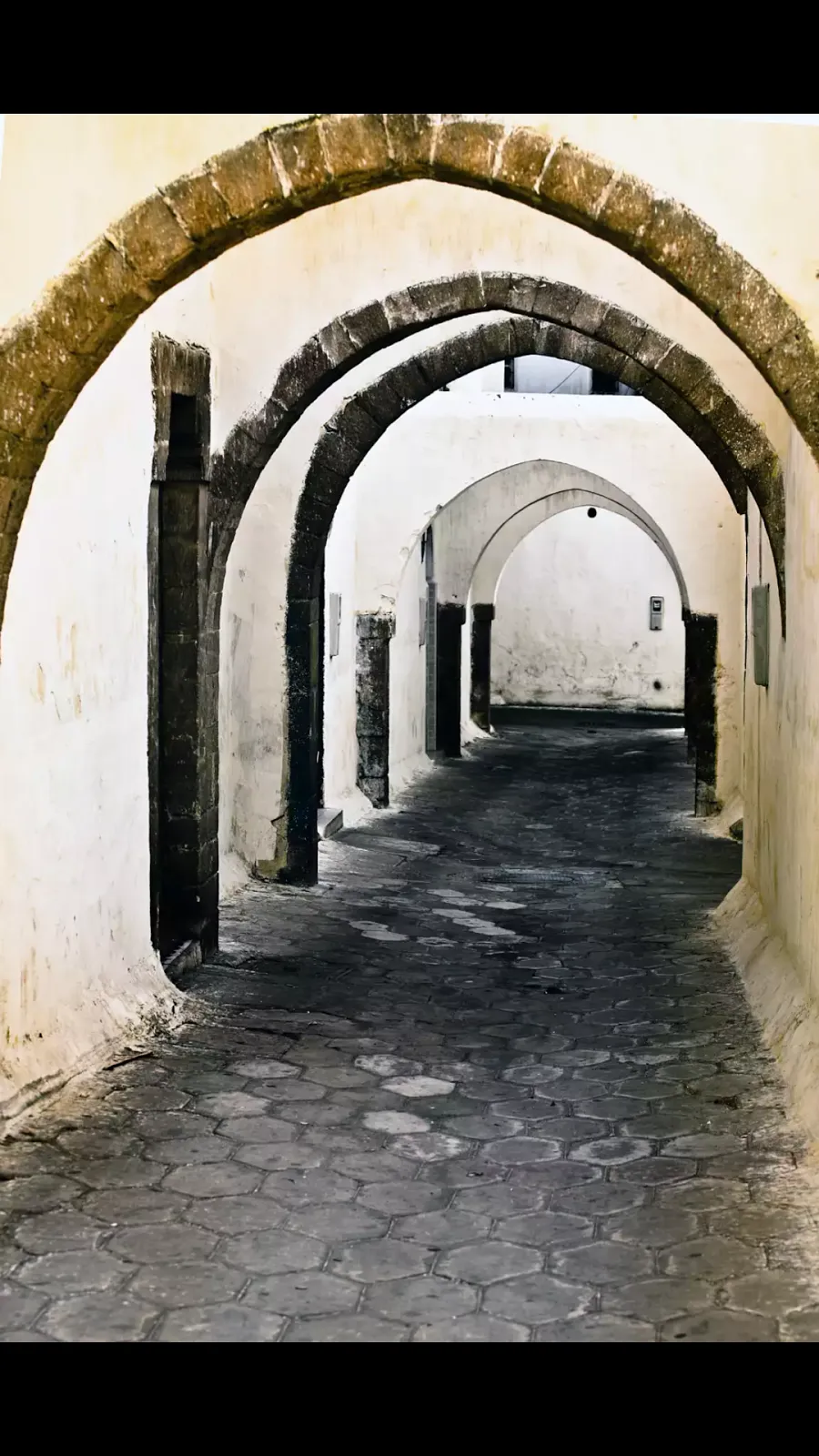
El Jadida's history is deeply intertwined with its Portuguese past. Originally known as Mazagan, the city was established as a Portuguese colony in the early 16th century. The Portuguese influence is evident in the city's architecture, particularly in the fortified walls and the iconic cistern, which are now UNESCO World Heritage sites.
Throughout its history, El Jadida has been a melting pot of cultures, with influences from Arab, Berber, and European settlers. This cultural diversity is reflected in the city's traditions, cuisine, and festivals. Notable figures from El Jadida include artists and writers who have contributed to Morocco's rich cultural tapestry.
Cultural institutions such as the El Jadida Theatre and various art galleries play a significant role in the city's cultural life. The annual Moussem of Moulay Abdellah Amghar is a major cultural event, attracting visitors from across the country to celebrate with music, dance, and traditional horse-riding displays.
Things to do in El Jadida
Visitors to El Jadida can explore the historic Portuguese City, a UNESCO World Heritage site, featuring the impressive cistern and fortress walls. The city's beaches, such as Deauville Beach, offer opportunities for relaxation and water sports.
The local markets, or souks, provide a vibrant shopping experience where visitors can purchase traditional Moroccan crafts and enjoy local cuisine. The city's restaurants offer a variety of dishes, from fresh seafood to traditional Moroccan tagines.
El Jadida is also known for its annual festivals, including the Moussem of Moulay Abdellah Amghar, which showcases traditional music, dance, and equestrian events. The city's proximity to the Mazagan Beach Resort offers additional leisure activities, including golf and spa services.
Quality of Life Rankings
Weather in El Jadida
El Jadida, Morocco experiences a Mediterranean climate characterized by mild, wet winters and hot, dry summers. The city receives an average annual precipitation of approximately 16 inches (400 mm), with November being the wettest month, averaging around 3 inches (75 mm) of rainfall.
Seasonal Breakdown
- Spring (March to May)Temperatures gradually rise from an average high of 68°F (20°C) in March to 75°F (24°C) in May. Rainfall decreases during this period, with March receiving the most precipitation, averaging around 2 inches (50 mm).
- Summer (June to August)The hottest months, with average highs ranging from 80°F (27°C) in June to 86°F (30°C) in July and August. Rainfall is minimal during the summer, averaging less than 0.5 inches (12 mm) per month.
- Autumn (September to November)Temperatures gradually decrease from an average high of 82°F (28°C) in September to 70°F (21°C) in November. Rainfall increases, with November being the wettest month, averaging around 3 inches (75 mm).
- Winter (December to February)The coldest period, with average highs ranging from 64°F (18°C) in December to 63°F (17°C) in February. Rainfall is moderate, averaging about 2.5 inches (63 mm) in January.
Notable Weather Events
- Occasional heatwaves during the summer months.
- Heavy rainfall events in late autumn and early winter.
- Rare instances of strong winds during transitional seasons.
El Jadida's Political Climate
El Jadida, a coastal city in Morocco, is known for its rich history and cultural heritage. Politically, the city operates within the framework of Morocco's constitutional monarchy, where the King holds significant power alongside a parliamentary system. The local governance of El Jadida is influenced by national politics, with the city council playing a crucial role in managing municipal affairs.
Historically, El Jadida has been a site of cultural exchange and political significance, dating back to its time as a Portuguese colony. Today, the city's political landscape is shaped by a blend of traditional values and modern governance practices. The current political leadership in El Jadida focuses on urban development, tourism, and infrastructure improvements, reflecting broader national priorities.
El Jadida has been proactive in implementing progressive policies, particularly in areas such as environmental sustainability and cultural preservation. The city has launched initiatives to promote eco-friendly tourism and protect its historical sites, aligning with Morocco's national strategy for sustainable development. These efforts are indicative of a political climate that values both economic growth and environmental stewardship.
Recent political trends in El Jadida include increased civic engagement and participation in local governance. The city has witnessed a rise in grassroots movements advocating for social justice and economic equality, reflecting a broader trend of political activism across Morocco. These movements have influenced local policy decisions, emphasizing the importance of community involvement in shaping the city's future.
Political Quick Facts
- Voter TurnoutApproximately 60% in the most recent municipal elections.
- City GovernanceEl Jadida is governed by a municipal council, with a mayor elected by the council members.
- CompositionThe city council is composed of members from various political parties, with a majority from the PJD.
- Recent Political ChangesIncreased focus on sustainable urban development and cultural heritage preservation.
- EngagementHigh, with active participation in local governance and community initiatives.
- Political ScorecardRated positively for transparency and governance, with ongoing efforts to improve public services.
- Legislative PrioritiesUrban infrastructure development Promotion of sustainable tourism Cultural heritage preservation
- Public OpinionResidents generally support progressive policies, with a strong emphasis on economic development and social equity.
Notable Political Figures
- Mohamed ZakiCurrent Mayor of El Jadida, known for his focus on urban development and infrastructure projects.
- Fatima Zahra MansouriA prominent city council member advocating for women's rights and social justice.
- Ahmed Reda ChamiA former minister and influential figure in promoting economic reforms in the region.